The Sago Struggle: Preserving Mentawai’s Cultural Identity in the Shadow of Rice
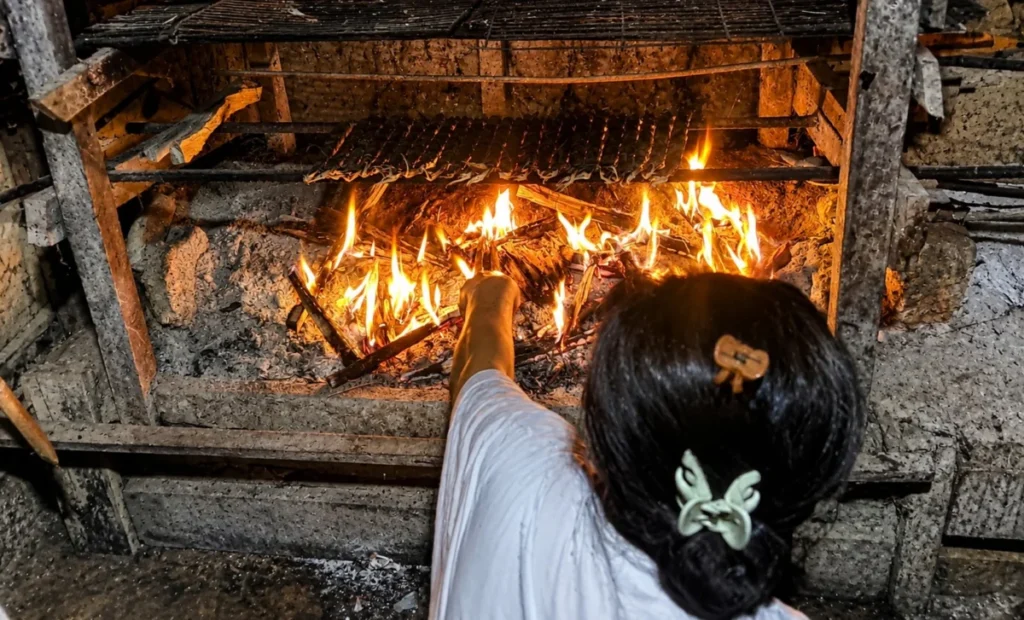
In the twilight hours of a Tuesday in the remote Dusun Sirilanggai, Desa Malancan, North Siberut, the air is thick with the sweet, earthy scent of burning sago leaves. Keisha Sapondoro, a local resident, moves with the rhythmic precision of a master artisan. She carefully rolls a starchy sago paste into long, 40-centimeter-wide leaf wrappings, seasons them with a pinch of salt, and sets them upon the crackling wood-fired stove. Thirty minutes later, kapurut—a traditional sago-based delicacy—is served. For those witnessing the process, it is more than a meal; it is a profound sensory connection to the Mentawai forest.
However, this scene is increasingly becoming an anomaly. As the tide of modern convenience washes over the Mentawai Islands, the humble sago tree—once the absolute anchor of life for the Mentawai people—finds itself fighting for relevance against the encroaching dominance of rice.
The Cultural Weight of Sago
For centuries, the Mentawai people have existed in a symbiotic relationship with the forest. Sago (Metroxylon sagu) was not merely a source of carbohydrates; it was a pillar of the Arat Sabulungan belief system. From marriage rituals to sacred ceremonies, the sago tree was woven into the cosmology and daily survival of the tribe.
Keisha remembers a time before the widespread influx of government-subsidized rice. “Before there was rice, we ate sago, taro, and cassava,” she recalls. Her preference remains firm: “If there is fish, I cook sago. It is much more delicious to eat kapurut with fish than to eat rice.”
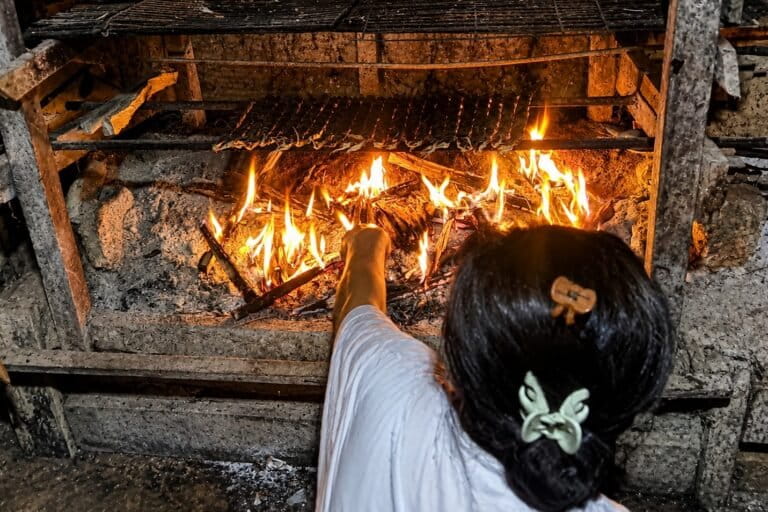
Beyond flavor, sago offers a sustained satiety that rice fails to match. Yet, the demographic shift is undeniable. Keisha notes a growing divide at her own dinner table: “The children today prefer rice. They don’t want to eat sago anymore. But we, the older generation, still prefer it. It’s more satisfying and keeps us full longer.”
Chronology of a Shifting Diet: From Sago to Rice
The transition from a sago-based diet to rice dependency is not a natural evolution but a product of specific historical interventions. According to the study From Sago to Rice: Changes in the Socio-Cultural Life of the Mentawai People (2021) by researchers Ade Irwandi and Kris Irwandi Saleleubaja, this transition began in earnest during the 1970s.
- The 1970s – The Era of Integration: The Indonesian government launched extensive development programs, including the establishment of rice paddies and the systematic distribution of rice to remote regions. The objective was to standardize food consumption across the archipelago.
- The Symbolism of Progress: During this period, rice was strategically marketed as a symbol of "modernity" and "civilization." Conversely, traditional staples like sago were unfairly stigmatized as foods of the "backward" or "underdeveloped," leading to a psychological shift in how the Mentawai viewed their own heritage.
- The 1990s to 2000s – Infrastructure and Marketization: Increased access to transportation and local markets made rice more accessible, while the labor-intensive nature of processing raw sago led younger generations to favor the ease of purchasing bags of rice.
- The 2020s – Economic and Ecological Strain: Today, the economic disparity is stark. A 10-kilogram sack of sago flour costs approximately Rp60,000, while an equivalent amount of rice can cost double or more. Despite this, the psychological pull of rice as a "modern" food remains strong, leading many families to prioritize it even at the expense of their household budgets.
Supporting Data: The Ecological and Economic Paradox
The shift to rice is not only culturally costly but ecologically precarious. The Mentawai Islands are defined by peatlands, swamps, and high rainfall—geographical conditions that are inherently ill-suited for the intensive cultivation of paddy rice common in Java or Sumatra.
A 2021 study by Samantha M. Lee et al., titled The Indigenous Uses of Plants from Siberut, Mentawai, Indonesia, documents that nearly 50% of plant species in Siberut are utilized by the indigenous population. Among these, sago remains the most critical. The study underscores that 98% of respondents believe their traditional knowledge of plants is essential for survival.
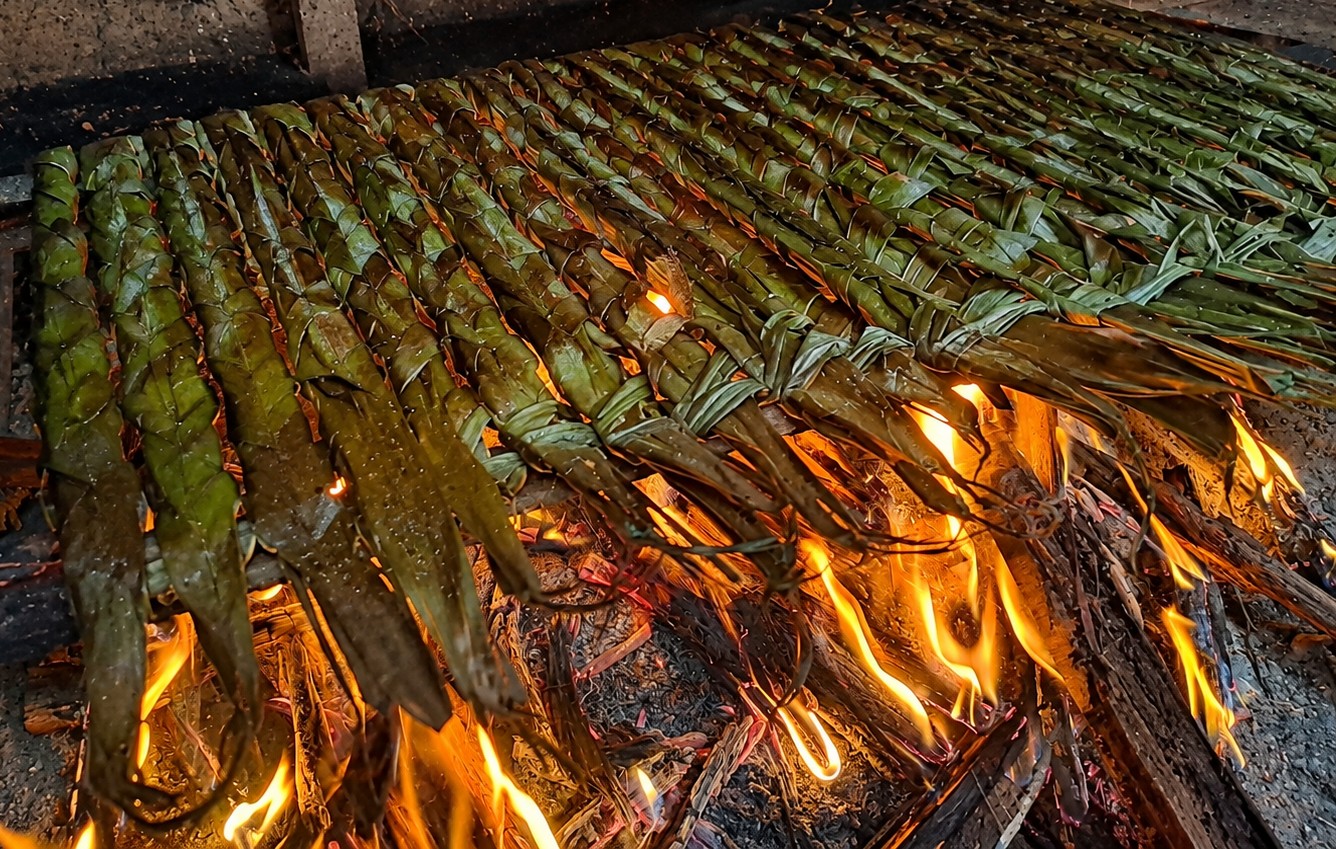
However, that survival is threatened by the conversion of sago forests into rice paddies or commercial plantations. The data suggests that when the sago forest is cleared, the loss is not just caloric. It is the loss of:
- Sustainable Housing: Sago leaves serve as traditional roofing.
- Traditional Tools: Pelepah (sago fronds) are used for household equipment.
- Economic Resilience: The ability to harvest sago from the wild provides a safety net that is independent of market fluctuations or supply chain disruptions.
Official Perspectives and Local Voices
The decline of traditional forestry and the rise of extractive industries have compounded the food security crisis. Barnabas Saerejen, a prominent local figure, points to the arrival of timber and logging companies as the primary catalyst for the destruction of the natural resource base.
"Many manau (rattan) plants died under fallen trees. Now it is hard to find them," Saerejen explains. He emphasizes that for the Mentawai, the forest is not just a source of timber; it is a "living space" that provides medicine, food, and identity. When the forest is degraded, the entire indigenous system of life collapses.
Despite this, some locals continue to resist the trend. Rolan T. Sitanduk, 47, is one of the few who still actively processes sago for both subsistence and income. “I sell it, but I also use it for daily food. It is the same as rice—it is our staple,” he says.
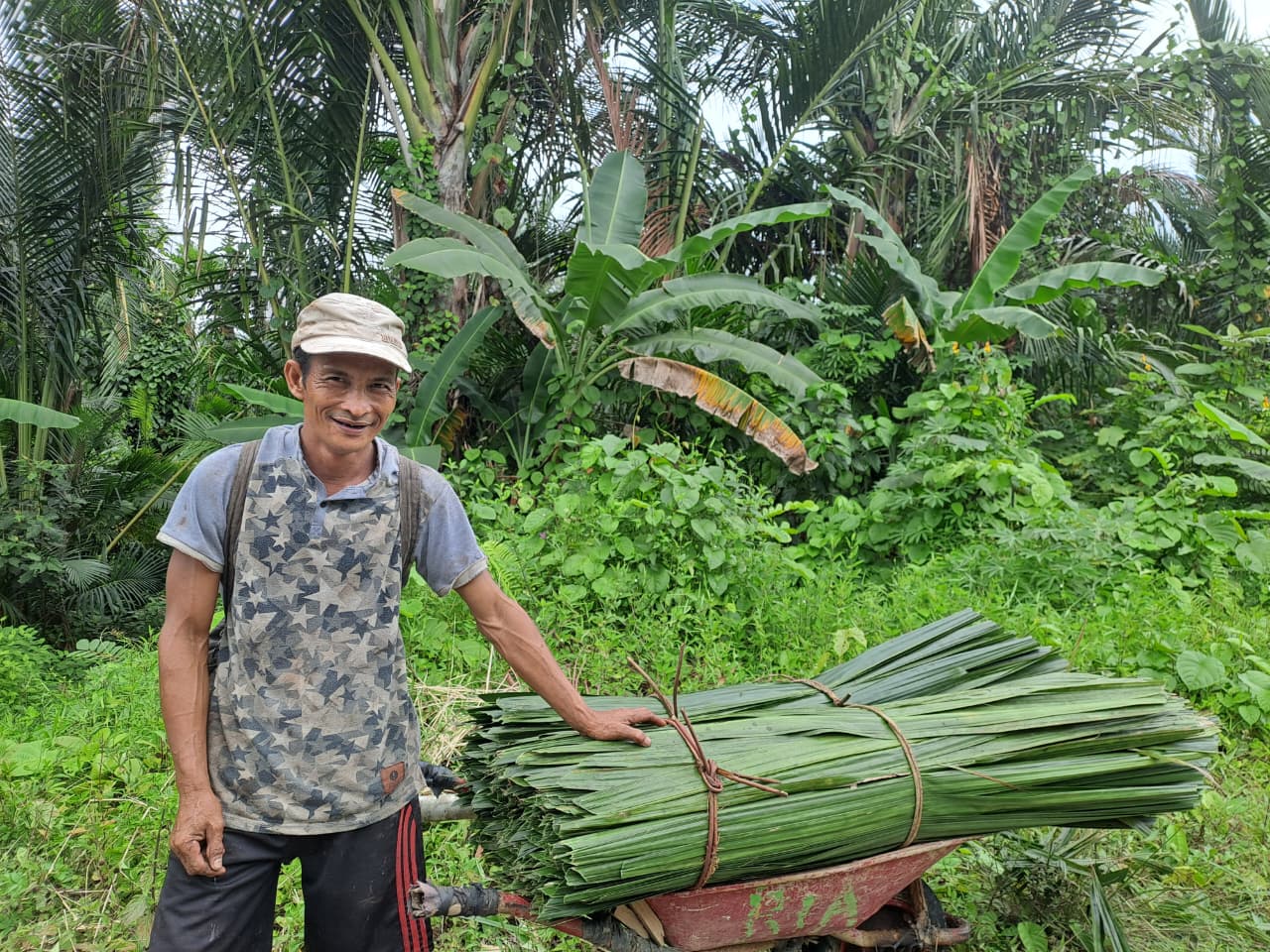
Rolan highlights the massive effort required: one mature sago tree yields 15–17 sacks of flour, but processing it manually takes nearly two weeks. While modern technology could increase efficiency, the lack of investment in local processing machinery keeps the production cycle trapped in a labor-intensive, manual past.
Implications for the Future: Gastro-colonialism?
The situation in Mentawai serves as a cautionary tale of "gastro-colonialism"—a term used to describe the imposition of foreign food systems over indigenous ones, which in turn erodes local autonomy.
1. Threat to Food Sovereignty
If the Mentawai people continue to abandon sago, they become entirely dependent on external rice supplies. In an island geography prone to natural disasters and transport disruptions, this dependency is a major risk to food security.
2. Erosion of Traditional Knowledge
The culinary techniques associated with sago—like the preparation of kapurut or kombong (sago cooked in bamboo)—are rapidly fading. As the youth migrate toward urban diets, the ancestral knowledge of how to manage and harvest the forest is disappearing, effectively severing the link between the people and their environment.
3. Biodiversity Loss
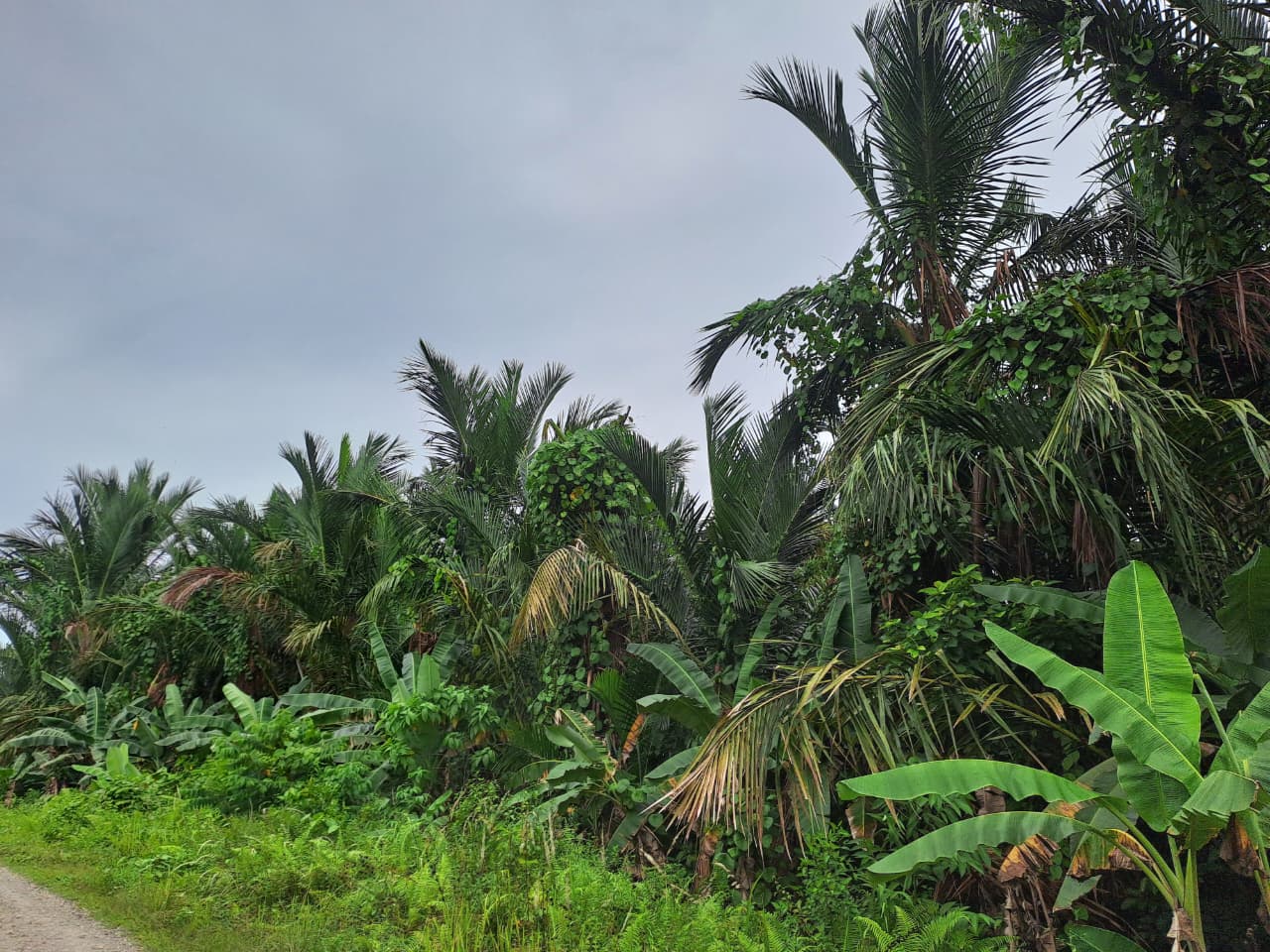
The preservation of the sago forest is synonymous with the preservation of the Mentawai ecosystem. Replacing native sago groves with monoculture rice or oil palm creates a "green desert" that cannot support the same level of biodiversity or sustain the cultural needs of the local community.
Conclusion: A Path Toward Reclaiming Identity
The case of the Mentawai people is not a plea to reject modernity, but a critique of the forced abandonment of a sustainable, culturally rich food system. The resilience of individuals like Keisha and Rolan suggests that there is still a window of opportunity to pivot.
To ensure the survival of this heritage, experts suggest a multi-pronged approach:
- Governmental Recognition: Acknowledging sago as a strategic national food source, not just an "emergency" food.
- Technological Support: Providing small-scale, locally managed processing tools to reduce the physical burden of sago extraction, making it competitive with rice.
- Educational Reform: Incorporating indigenous food systems into local school curricula to foster pride in traditional, sustainable diets.
As the sun sets over the Mentawai forest, the scent of burning sago remains a quiet, persistent reminder of a history that refuses to be forgotten. Whether that scent persists into the next generation will depend on whether the community and the state can learn to value the forest not for what it can be converted into, but for the life it has sustained for centuries.