The Ice Crisis: How Cold Chain Failures Stifle Mentawai’s Fisheries Potential
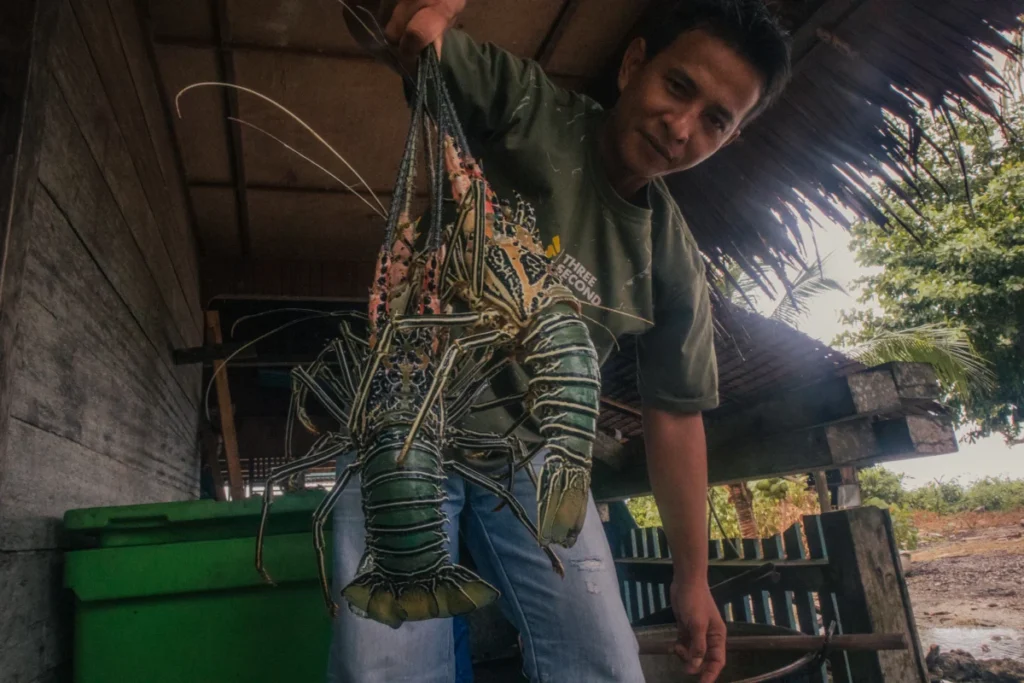
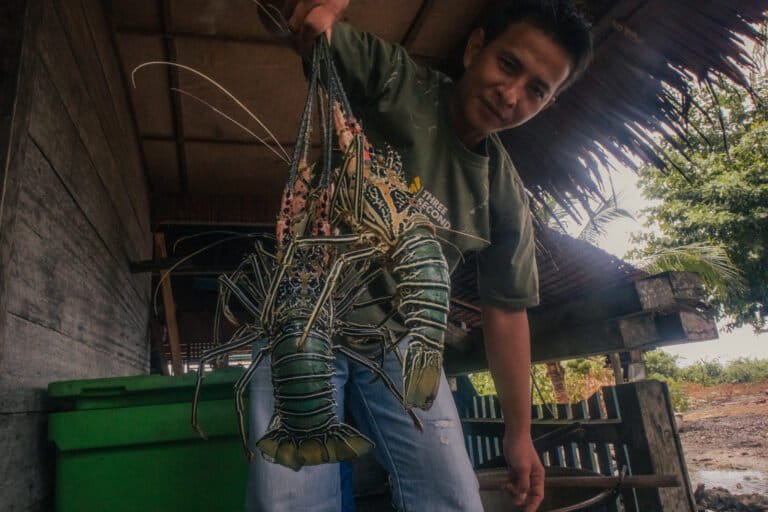
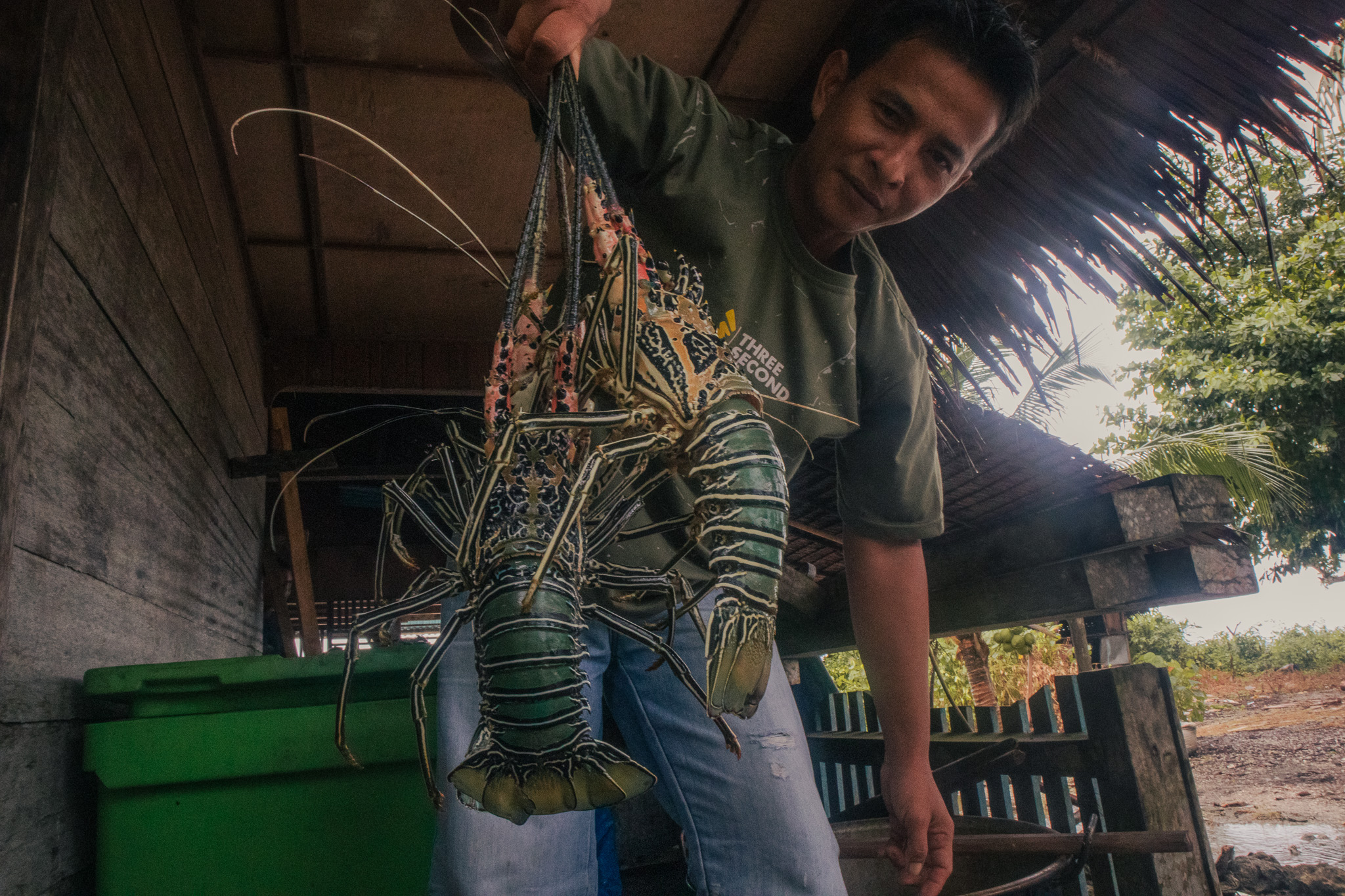
In the remote waters of Sinaka, located in the Mentawai Islands Regency, West Sumatra, the ocean offers a bounty that should—by all accounts—sustain the local economy with ease. From succulent mud crabs and high-value lobster to prized sea cucumbers and octopus, the marine resources of this region are legendary. Yet, beneath this narrative of abundance lies a stark, freezing reality: a systemic failure in the cold chain that is forcing local fishers and collectors to spend a fortune just to keep their products from rotting.
For collectors like Idris Maulana, the daily struggle to maintain quality is not just a logistical hurdle; it is a financial hemorrhage. In the absence of a reliable local infrastructure, the simple act of keeping fish fresh has become a multi-million rupiah burden that threatens the very viability of the local fishing industry.
The Cost of Preservation: A Heavy Burden on Collectors
The geography of Mentawai, characterized by its island clusters and dispersed settlements, creates a massive logistical challenge. For Idris, who operates out of Sinaka, the nearest hub for essential supplies like ice and fuel is Sikakap. The journey is necessary, expensive, and frequent.
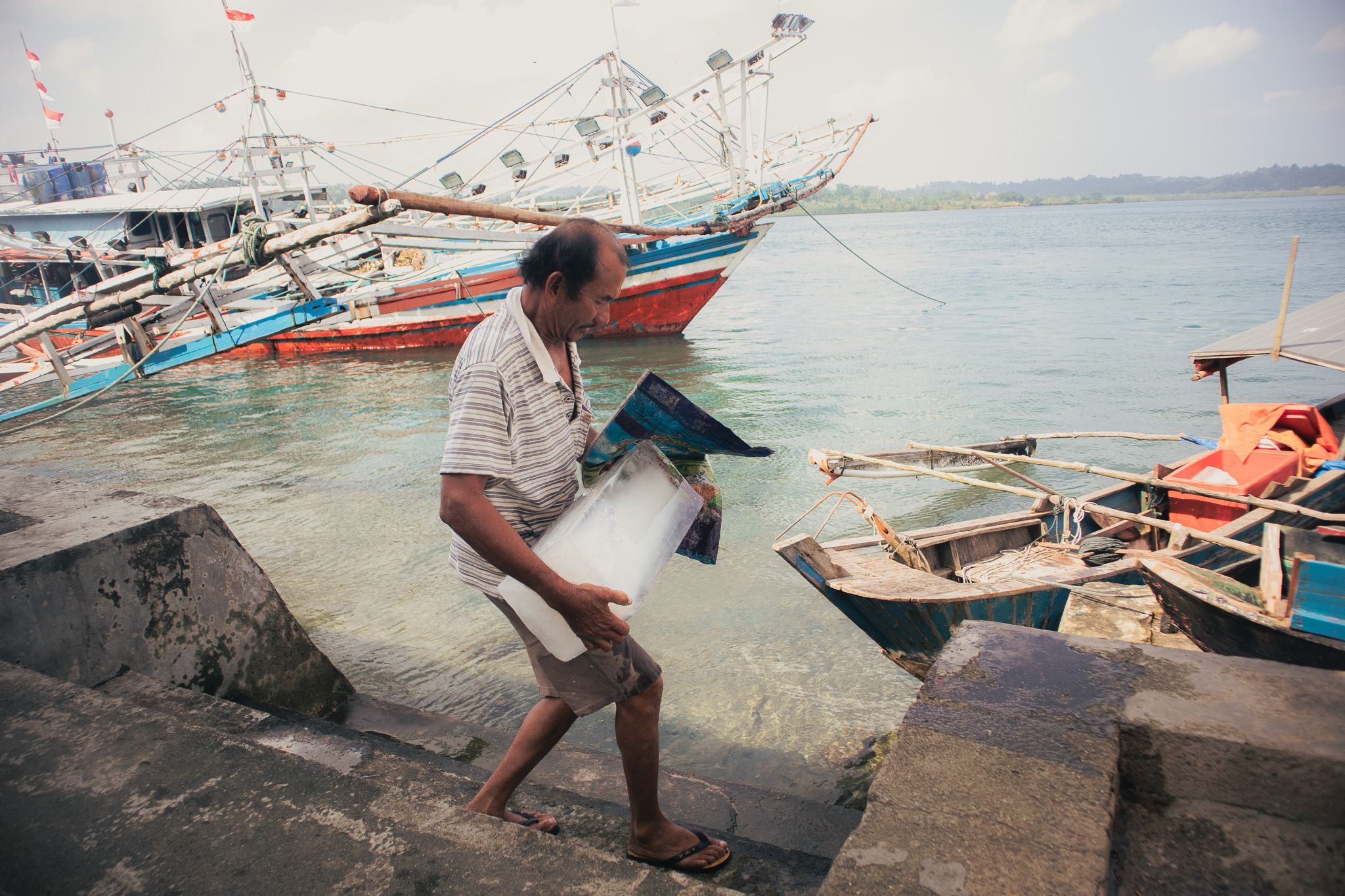
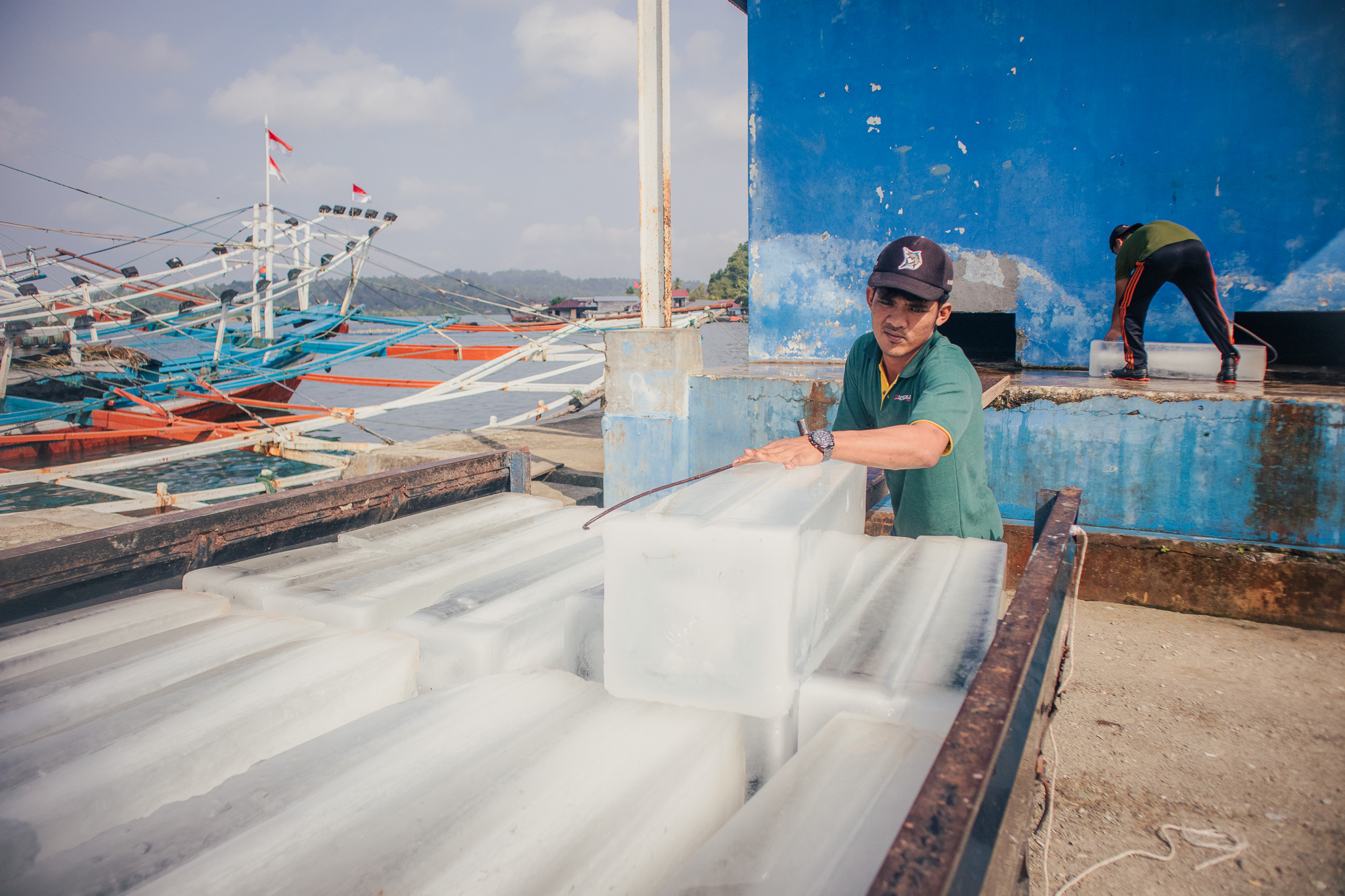
"I spend Rp1.8 million every single week just to procure ice and fuel for the trip between Sinaka and Sikakap," Idris explains. "In a typical week, I need at least two large fiber containers, which translates to roughly 400 kilograms of ice."
When extrapolated over a month, these costs balloon to approximately Rp7.5 million—a staggering sum for a small-scale operation. Idris is not alone. Another local collector, Nora, faces a similar predicament. She estimates her weekly expenditure for 150 blocks of ice and fuel to be around Rp1.5 million, totaling Rp6 million per month.
The volatility of these costs is exacerbated by the climate and the seasonality of the catch. "If the octopus catch is steady, I make the trip to Sikakap once a week," Nora says. "But if the yield is low, or if the weather turns—which happens often in these waters—I might only go every two weeks. It’s a constant gamble."
The primary issue is the unreliability of local ice production. The local ice factory in Sinaka is frequently closed, leaving collectors with no choice but to rely on distant sources. For Idris, the lack of ice is a hard stop for his business. "We simply cannot open a facility to collect seafood if we don’t have ice," he asserts. "When the season is at its peak, the lack of ice becomes a catastrophe. Without it, our catch—the octopus and fish that our neighbors rely on for their income—spoils within hours."
A Historical Perspective: From Abundance to Over-Exploitation
The plight of Sinaka’s fishers is particularly ironic given the region’s historical status as a marine powerhouse. According to records from the Yayasan Citra Mandiri Mentawai (YCMM), Sinaka has been a major producer of sea cucumbers since the 1980s. The region’s reputation for high-quality lobster and octopus eventually drew fishers from far and wide, including fleets from Sibolga, Bengkulu, Padang, and even Jakarta.
This influx, however, brought with it the destructive shadow of over-exploitation. Within a decade of this increased pressure, the populations of high-value species like lobster and sea cucumber began a precipitous decline.
Yuafriza, Program Manager for Community-Based Sustainable Fisheries Governance at YCMM, notes that while the potential for octopus and other species remains high, the absence of electricity and modern cold storage facilities has kept the community trapped in a cycle of dependency. "The fishers of Sinaka are still entirely dependent on collectors for both fuel and ice," Yuafriza explains. "Without these, they cannot preserve their catch, which limits their bargaining power, shortens their window for sale, and leads to massive food waste."
The Infrastructure Gap: What is Needed?
The solution, according to experts, is not merely adding more ice machines but creating a comprehensive, community-managed cold chain. Yuafriza advocates for an integrated model where "Fishery Villages" are equipped with cold storage facilities, ice-making plants, and centralized processing units managed by cooperatives or legally established business entities.
"It is not enough to just drop a machine in a village," Yuafriza warns. "We need to connect these facilities to stable electricity, ensure professional management, and provide access to reliable markets. Crucially, we must balance this infrastructure with strict management policies to ensure that increased capacity does not lead to further over-fishing."
In recent years, the community has taken some matters into their own hands. Recognizing the danger of depleting their stocks, local fishers have begun implementing "open-close" fishing zones for octopus, a traditional-modern hybrid approach that allows marine populations to recover during specific periods.
Official Responses: The "Kampung Nelayan" Initiative
The government of the Mentawai Islands Regency is aware of these systemic failings. Regent Rinto Wardana Samaloisa has been vocal about his administration’s efforts to overhaul the fisheries sector, specifically through the proposed development of the Kampung Nelayan Merah Putih (KNMP), or Red and White Fishery Villages.
The regency has proposed 21 locations for this program, spanning from Muara Siberut to Sinaka. Currently, six locations—including Labuan Bajau, Pokai, Saliguma, Maileppet, Matobe, and Sikakap—have cleared the administrative hurdles and received approval from the Ministry of Marine Affairs and Fisheries (KKP).
"The KNMP is not just about building a structure," Rinto explains. "It must be a functional ecosystem. Inside these centers, we need ice factories, cold storage, centralized fish collection points, processing facilities, ports, and independent power generators."
The budget for a single, fully equipped village is estimated at approximately Rp22 billion. The Regent is keenly aware of the failures of the past, where government-funded ice factories were built only to be abandoned due to high operational costs or lack of maintenance. "If we do not prepare the electricity, the management, the market access, and the maintenance budget, we will see the same result as the old ice factories: buildings that stand empty while production remains frozen," Rinto admits.
Creating Market Certainty through SPPG
Perhaps the most ambitious part of the Regent’s plan is the attempt to solve the "market" side of the equation. A major grievance among local fishers is the lack of guaranteed buyers, which forces them to sell to intermediaries at low prices. Rinto proposes linking the Fishery Villages to the Satuan Pelayanan Pemenuhan Gizi (SPPG), or Nutrition Fulfillment Service Units.
By creating a demand-side anchor—where local government-led nutrition programs provide a daily, consistent market for fish, vegetables, and fruit—the government hopes to provide the stability fishers need to scale up production. "If the community knows that their catch will be absorbed by the SPPG, it becomes much easier to move them toward professional, sustainable production," says Rinto. "The Fishery Village acts as the collector and processor, while the SPPG acts as the consistent buyer. They are two chains of the same link."
Implications and Future Outlook
For the residents of Sinaka, these promises are met with a mix of cautious optimism and seasoned skepticism. Having heard of various development projects over the years, the fishers are looking for tangible evidence of progress.
"We appreciate the vision the Regent has laid out," says Idris. "But we have heard these ideas before. Unless we see the ground being broken and the first brick laid, it remains just another piece of rhetoric. We need to know that this time, the infrastructure will actually be supported by the necessary electricity and operational funds."
The implications of this project are significant. If successful, the KNMP initiative could transform the Mentawai Islands from a region of wasted potential into a hub of sustainable, high-value maritime commerce. It would allow fishers to retain more value, reduce the ecological footprint of the industry by preventing spoilage, and provide the economic stability that the people of Sinaka have been striving for since the 1980s.
However, the clock is ticking. As climate change increases the unpredictability of sea conditions and fuel prices continue to fluctuate, the current "ice-dependent" model is rapidly becoming unsustainable. The transition to a formal, state-supported cold chain is not just a developmental goal; it is a necessity for the survival of the coastal communities of Mentawai.
The path forward requires more than just government funding; it requires a paradigm shift that places community governance at the heart of infrastructure. If the Mentawai Regency can move from planning to execution, it may finally bridge the gap between the abundance of the sea and the prosperity of its people.