Four Vehicles Engulfed in Flames at South Jakarta Parking Lot Following Suspected Electrical Short Circuit
JAKARTA – A quiet Thursday afternoon at a commercial hub in South Jakarta transformed into a scene of panic when a sudden fire broke out in a bustling parking lot. A suspected electrical short circuit in a luxury sedan triggered a rapid chain reaction, completely destroying four vehicles before emergency responders could bring the inferno under control.
The incident, which took place at the TIS Square parking area in Tebet, drew massive crowds and prompted a swift mobilization of the local fire and rescue services. While the material damages are significant—affecting four distinct passenger cars spanning various makes and models—authorities have confirmed that prompt intervention prevented any injuries or loss of life.
Main Facts: The Anatomy of the Tebet Parking Lot Blaze
The fiery incident unfolded in broad daylight at the TIS Square commercial complex, situated along the prominent thoroughfare of Jalan Letjen MT Haryono (RT 11/RW 05, Tebet Barat Sub-district, Tebet District, South Jakarta).
According to official reports from the South Jakarta Sub-department of Fire and Rescue (Suku Dinas Penanggulangan Kebakaran dan Penyelamatan / Gulkarmat), exactly four vehicles fell victim to the flames. The vehicles sustained varying degrees of severe damage, rendering most of them total losses.
The roster of the affected vehicles includes:
- BMW Sedan: Bearing license plate B-2037-KIP (identified by investigators as the origin point of the fire).
- Daihatsu Ayla: Bearing license plate B-1804-KRK.
- Suzuki Ertiga: Bearing license plate B-2406-KRS.
- Toyota Avanza: Bearing license plate B-2720-ZOM.
Preliminary investigations conducted by the fire department point directly to an internal electrical malfunction—commonly known as a short circuit—originating within the engine bay or primary wiring harness of the BMW. Because the vehicles were parked tightly alongside one another in the crowded commercial parking lot, the intense radiant heat and leaping flames quickly jumped to adjacent units, igniting the three surrounding cars within a matter of minutes.
Chronology of Events: From First Smoke to Total Containment
A disaster of this scale typically unfolds within a very compressed timeframe. Eyewitness accounts, corroborated by parking management and the official timeline logged by the South Jakarta Fire and Rescue dispatch center, paint a clear picture of how the minutes ticked by during the crisis.
1. The Initial Spark and Failed First Response
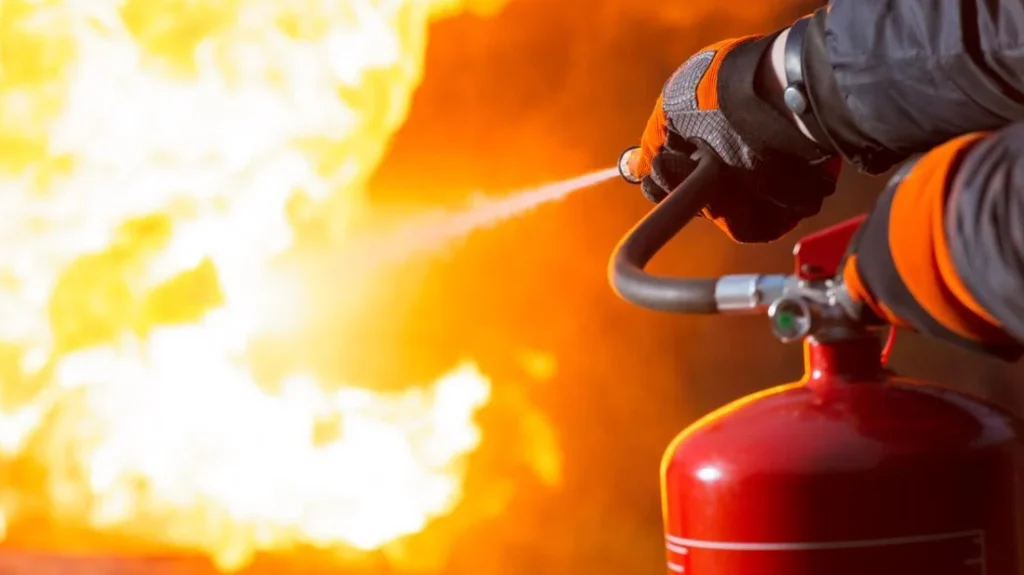
The sequence of events began when parking attendants on duty noticed an unusual plume of thick, dark smoke billowing from under the hood of the parked BMW. Recognizing the immediate danger, the attendants rushed to the scene armed with portable fire extinguishers—known locally as Alat Pemadam Api Ringan (APAR).
Unfortunately, due to the intensity of the blaze, which had already breached the vehicle’s plastic and rubber components and begun drawing oxygen through the engine compartment, the standard portable extinguishers proved entirely insufficient. The flames grew rapidly, fed by flammable fluids and synthetic materials, and soon made the jump to the Daihatsu Ayla, Suzuki Ertiga, and Toyota Avanza parked immediately adjacent to the luxury sedan.
2. The Emergency Call and Rapid Dispatch
Realizing that the situation had escalated beyond their control, the vehicle owners and parking staff immediately contacted emergency services. The distress call was logged at precisely 15:44 Western Indonesia Time (WIB).
Demonstrating high levels of operational readiness, the Tebet Sector Fire Station mobilized instantly. Fire engines rolled out of the station just two minutes after the call was logged, arriving at the crime and incident scene (TKP) at 15:46 WIB.
3. The Knockdown and Extinguishing Operation
Upon arrival, the situation required aggressive tactical deployment. The Jakarta Gulkarmat deployed a substantial force to combat the blaze and prevent it from spreading further through the packed parking structure, which could have threatened structural elements or adjacent buildings.
- Personnel Deployed: 28 fully trained firefighters and rescue operators.
- Equipment Deployed: 6 specialized heavy-duty fire pump trucks.
Firefighters utilized high-pressure water hoses mixed with fire-suppression foam to smother the chemical and fuel-fed flames. Battling intense heat and heavy smoke, the team managed to isolate the fire, extinguish the active flames, and begin the cooling-down process to prevent reignition.
By 16:15 WIB—less than half an hour after the initial dispatch—the active firefighting operation was officially declared complete. Subsequent cooling and overhaul procedures ensured that no hidden embers remained smoldering within the charred metal frames.
Supporting Data and Technical Context: Understanding Vehicle Fires
While vehicle fires can stem from a variety of sources ranging from fuel leaks to arson, automotive safety experts point to electrical anomalies as the leading culprit in spontaneous parking lot fires.
Data provided by leading automotive manufacturers, such as Toyota Astra Motor, outline several primary root causes behind vehicle short circuits and subsequent engine fires:
1. Unauthorized or Substandard Accessories
A major risk factor in modern vehicles is the aftermarket installation of electrical accessories. Adding high-draw components—such as upgraded headlamps with higher wattage ratings, powerful aftermarket audio systems, or auxiliary lighting—places an immense burden on the factory wiring loom. If the wiring gauge is too thin or fuses are rated incorrectly, the wires overheat, melting the insulation and causing direct copper-on-copper contact (a short circuit).
2. Rodent Infestation and Wiring Damage
Urban environments often harbor rodents, such as rats, that seek shelter in the warm engine bays of recently parked vehicles. These pests possess a natural urge to chew on materials to file down their teeth. Modern vehicle wiring insulation is frequently manufactured using soy-based compounds, making it highly attractive to rodents. Chewed insulation exposes bare copper wires, which easily spark when the vehicle’s ignition is turned on or when continuous power circuits remain active.
3. Mechanical Neglect and Component Aging
Vehicles that bypass routine maintenance schedules accumulate hidden risks. Worn-out insulation, degraded rubber hoses, oil leaks dripping onto hot exhaust manifolds, and failing alternators can all act as catalysts for sudden fires. Over time, minor electrical resistance generates localized heat, eventually reaching flashpoints capable of igniting nearby plastic or fabric.
4. Severe Overheating and Fuel Leaks
When an engine experiences chronic overheating (due to coolant loss or radiator failure), surrounding components are subjected to extreme thermal stress. Simultaneously, cracked fuel lines or degraded fuel rail seals can spray pressurized gasoline onto hot engine components, resulting in immediate, catastrophic ignition.
Official Responses and Public Safety Implications
Following the successful containment of the fire, local authorities and law enforcement secured the area to conduct a thorough forensic examination. Police lines were established around the four burned vehicles to allow forensic experts from the Jakarta Metropolitan Police to gather evidence, check vehicle identification numbers (VIN), and interview witnesses, including the parking attendants and the owner of the initial BMW.
1. Casualties and Immediate Relief
In an official statement released shortly after the operation concluded, Kasiops Sjukri Bahanan confirmed a profoundly positive aspect of the incident: There were no fatalities, nor were there any injuries reported. Because the vehicles were parked and unoccupied at the time the short circuit manifested, the disaster remained strictly material, sparing human lives.
2. Insurance and Liability Considerations
Incidents of this nature raise complex questions regarding liability in commercial parking facilities. While parking management typically disclaims liability for acts of God or inherent mechanical failures of private vehicles via disclaimers printed on parking tickets, legal experts note that investigations will focus heavily on whether the parking facility met safety standards, maintained adequate spacing, and whether fire suppression infrastructure (such as nearby hydrants) was operational.
Vehicle owners, meanwhile, face the arduous process of filing claims with their respective insurance providers. Comprehensive vehicle insurance (All Risk) typically covers accidental fire damage, provided the fire was not proven to be the result of gross negligence or deliberate arson by the owner. However, verifying the exact cause through official police and fire department reports is a mandatory prerequisite for payout processing.
Broader Implications for Urban Infrastructure and Vehicle Owners
The TIS Square incident serves as a stark wake-up call for both vehicle owners and commercial property managers across the bustling capital of Jakarta.
The Imperative of Preventive Maintenance
For everyday motorists, the event underscores the critical importance of regular, certified vehicle inspections. Routine checks of the electrical system, battery terminals, wiring harnesses, and fluid lines can catch microscopic degradations long before they manifest as smoke and flames. Car owners are strongly advised to avoid cutting corners with cheap aftermarket electrical modifications and to address any burning smells or electrical glitches (such as flickering lights or blown fuses) immediately.
Parking Facility Preparedness
For commercial real estate developers and parking lot operators, the Tebet incident highlights the necessity of maintaining robust, accessible fire safety equipment. While parking attendants at TIS Square acted quickly with portable extinguishers, the rapid spread of modern vehicle fires demonstrates that commercial parking zones—especially underground or enclosed structures—must be equipped with advanced fire suppression systems, clear evacuation routes, and staff rigorously trained in emergency response protocols.
As the charred skeletons of the four vehicles are towed away for detailed forensic analysis, the incident remains a potent reminder of how quickly a hidden electrical fault can disrupt urban life, emphasizing that vigilance in automotive maintenance is a shared responsibility critical to public safety.