The Gardeners of the Rainforest: The Silent Crisis Facing Papua’s Cassowaries
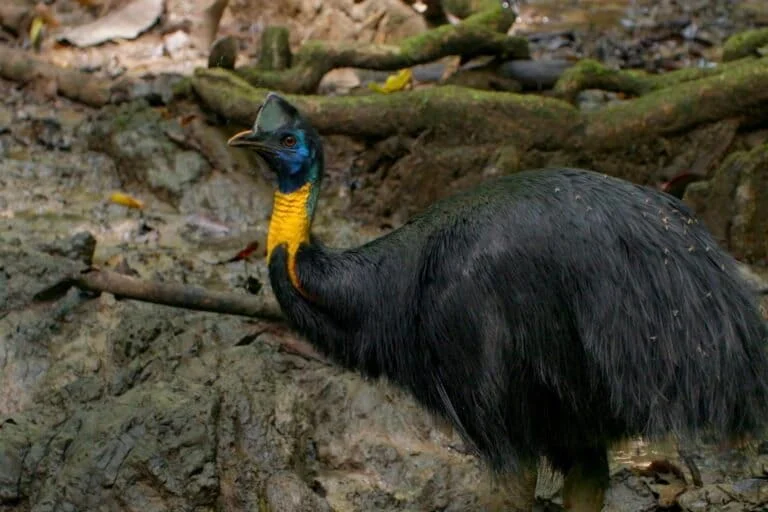
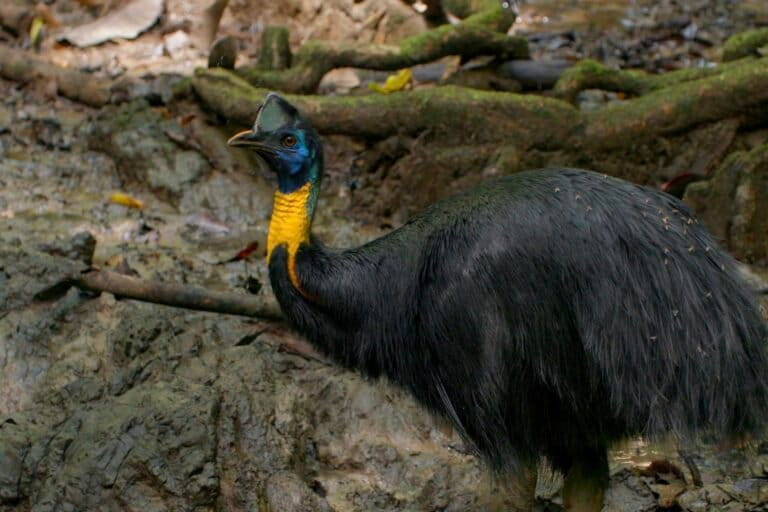
Deep within the emerald labyrinth of the Papuan rainforest, a silent architect moves through the undergrowth. The Southern Cassowary (Casuarius casuarius), a towering, flightless bird often described as a living relic of the dinosaur age, performs a task of monumental ecological significance. With every fruit it consumes and every mile it traverses, the cassowary acts as a primary gardener, dispersing the seeds of the forest’s tallest giants.
However, this ancient symbiotic relationship—forged over millennia—is currently facing an unprecedented existential threat. From the rise of commercial poaching fueled by social media to the degradation of ancestral habitats, the cassowary is at a crossroads. As human encroachment intensifies, the future of the Papuan wilderness hangs in a precarious balance.
The Ecological Keystone: Why the Cassowary Matters
To understand the crisis, one must first recognize the cassowary’s role as a "keystone species." Research published by Anderson et al. in the journal Ecology and Evolution underscores that these birds are not merely inhabitants of the forest; they are its essential stewards.
Unlike smaller birds that disperse light, wind-blown seeds, the cassowary is one of the few creatures capable of consuming and transporting large, heavy-fruited seeds. The bird’s robust digestive tract is a biological miracle; it processes the fruit pulp while leaving the integrity of the seed intact. By the time these seeds are deposited in the forest floor—often up to 1.5 kilometers away from the parent tree—they are essentially primed for germination.
"The dispersal of large-seeded plants by cassowaries is a critical species interaction that sustains forest regeneration," the researchers note. In regions where cassowaries are hunted to local extinction, the botanical landscape begins to shift. Large-seeded tree species struggle to propagate, leading to a loss of forest diversity and a breakdown in the structural integrity of the ecosystem.
The Rising Shadow: Modern Poaching and Social Media
The fragility of this relationship has been thrust into the spotlight following alarming incidents of illegal wildlife trade. In August 2026, a disturbing case involving foreign nationals highlighted the intersection of modern technology and wildlife crime.
A Chinese couple was deported from Indonesia after authorities discovered extensive digital evidence—including photographs and video footage—documenting the hunting of protected species in Papua, including the cassowary. The culprits had brazenly broadcast their activities on the Chinese social media platform Douyin. While the case was technically processed as a violation of immigration permits rather than a direct criminal wildlife prosecution, the incident signaled a growing trend: the commodification of rare species for global digital consumption.
This development is deeply troubling to conservationists. The rise of "influence-driven" poaching, where wildlife is targeted to gain social media clout or illicit trade value, adds a new, lethal layer of pressure on a species that is already struggling to cope with habitat loss.
A History of Coexistence: From Ancient Domestication to Modern Pressure
The human-cassowary relationship is ancient and complex. Archaeological studies conducted by Kristina Douglass and her team at the Yuku and Kiowa sites in Papua New Guinea suggest that humans have been interacting with these birds for over 18,000 years.
Remarkably, chemical analysis of fossilized eggshells reveals that ancient inhabitants were not merely hunting the birds; they were likely managing them. The discovery of eggshells at late-embryo stages indicates that humans were harvesting eggs shortly before hatching, suggesting a sophisticated, early form of domestication. Ancient communities likely raised cassowary chicks for meat, feathers, and ritualistic purposes, demonstrating that the birds have been woven into the cultural fabric of the region for millennia.
However, the modern era has eroded the sustainable balance that once characterized this relationship. Today, the threats are multifaceted:
- Habitat Fragmentation: The expansion of logging and agricultural concessions has broken the vast, continuous forests into isolated islands, making it impossible for cassowaries to maintain their necessary migratory corridors.
- Invasive Predators: The introduction of non-native species, particularly feral pigs and dogs, poses a direct threat to cassowary nests and hatchlings.
- Biological Vulnerability: The cassowary is a slow-breeding species. The male alone handles the long incubation process, and their annual reproductive rate is low. This makes the population highly susceptible to sudden spikes in mortality.
Traditional Wisdom vs. Modern Exploitation
It is a common misconception that indigenous hunting practices are solely responsible for the decline of the cassowary. Research led by Freddy Pattiselanno, focusing on six distinct ethnic groups across Papua and West Papua, paints a more nuanced picture.
Traditional indigenous systems have long employed a sophisticated framework of "customary management." These include:
- Spatial Restrictions: The designation of "sacred forests" that are strictly off-limits to hunters.
- Temporal Regulations: Hunting seasons that align with biological cycles, ensuring that breeding pairs are not targeted.
- Methodological Constraints: The use of traditional, low-impact weaponry rather than modern firearms or snares.
"Social and cultural sanctions passed down through generations have proven to be highly effective in maintaining environmental sustainability," the researchers noted. In these traditional contexts, the cassowary is viewed with a blend of respect and utility, serving as a primary protein source for families and an essential component of ceremonial life.
However, this delicate equilibrium is being disrupted. The transition from subsistence hunting to commercial, profit-driven poaching, combined with the infiltration of modern weaponry, is rendering these traditional prohibitions increasingly toothless. When the "sacred" is replaced by the "marketable," the traditional constraints that kept populations stable are discarded.
Implications: A Forest Without Gardeners
The potential loss of the cassowary is not merely a loss of a charismatic bird; it is a direct threat to the resilience of the Papuan rainforest. The forest’s ability to sequester carbon, regulate local climate, and provide food and medicine to local communities is inextricably linked to the health of its animal populations.
If the cassowary disappears, the forest will eventually lose the ability to regenerate its own canopy. The large-seeded trees that define the primary forest will fail to colonize new gaps, allowing opportunistic, fast-growing, but less ecologically valuable vegetation to take over. This creates a cascade effect that diminishes the entire biodiversity of the region.
Toward a Unified Protection Strategy
The path forward, according to conservation experts, requires a paradigm shift. We can no longer rely on top-down government mandates that ignore the realities of the people living in the forest, nor can we rely solely on traditional practices that are being overwhelmed by external commercial forces.
Proposed Solutions:
- Integrated Governance: Policies must synthesize traditional village-level governance (adat) with national environmental laws. By formalizing the authority of local elders in managing forest resources, the state can create a dual-enforcement system that is both culturally respected and legally binding.
- Community-Based Monitoring: Empowering local communities to act as the primary guardians of the forest, providing them with the resources to monitor wildlife populations and report illegal activities.
- Targeted Law Enforcement: Authorities must treat the illegal wildlife trade with the severity it deserves. As seen in the case of the foreign nationals in 2026, the law must evolve to move beyond simple immigration violations and address the core issue: the systematic extraction of natural heritage.
- Education and Awareness: There is an urgent need for campaigns that address the ethics of wildlife interactions in the digital age. Social media platforms, in particular, must be held accountable for the proliferation of content that encourages the exploitation of endangered species.
Conclusion
The cassowary is more than just a bird; it is a symbol of the untamed spirit of Papua. Its survival is intrinsically linked to the survival of the forest, and by extension, the communities that call the forest home.
Protecting the cassowary requires us to acknowledge that we are not observers in this system, but participants. By merging the wisdom of indigenous traditional management with the reach and authority of modern governance, there remains a window of opportunity to safeguard these ancient "gardeners." Failure to do so would not only result in the loss of a magnificent species but would also leave the Papuan rainforest—and the world—a significantly quieter, less vibrant, and less resilient place.
The future of the forest is in our hands, but it is the cassowary that holds the key to its rebirth. Protecting the bird is, quite literally, planting the seeds for tomorrow.