Empowering the Modder: Valve Unlocks the Potential of Steam Frame with Open-Source CAD Access

In a significant move that underscores its commitment to an open hardware ecosystem, Valve has officially released the comprehensive CAD (Computer-Aided Design) files and technical documentation for its latest hardware endeavor, the Steam Frame. By providing the public with the blueprints for its virtual reality interface, Valve is effectively inviting the global community of modders, hobbyists, and independent developers to dismantle, reimagine, and expand the capabilities of the device.
This initiative is not merely a gesture of goodwill; it represents a strategic pivot toward user-centric hardware development. By opening the doors to community-led innovation, Valve is signaling that the Steam Frame is intended to be a platform that evolves alongside its users rather than a static, closed-off product.
The Foundation: What Has Been Released?
The documentation, now accessible through the official Steam hardware repository and mirrored on GitHub, is exhaustive. It includes detailed CAD models for the core module of the Steam Frame, the head-strap assembly, and various controller components. Crucially, the release extends beyond simple physical schematics. Valve has included reference designs for a USB 3.0 hub, provided in both Altium and KiCad formats.
For those unfamiliar with electronics design, providing these files is a massive boon. Altium and KiCad are the industry-standard software suites for Printed Circuit Board (PCB) design. By supplying these files, Valve allows engineers and DIY enthusiasts to create custom electronic add-ons—such as specialized sensors, enhanced battery packs, or haptic feedback modules—that interface directly with the Steam Frame’s existing architecture.
A Legacy of Openness: The Evolution of Valve’s Hardware Strategy
To understand why this move is significant, one must look at the history of Valve’s hardware division. This is not the company’s first foray into "open" hardware.
Chronology of Valve’s Open Hardware Initiatives:
- The Steam Controller (2015): Valve famously released CAD files for the Steam Controller, allowing users to 3D print custom shells, alternative buttons, and ergonomic mods. This fostered a vibrant niche community that kept the hardware relevant long after its retail discontinuation.
- The Steam Machine (2015): While the Steam Machine platform struggled commercially, Valve’s decision to publish the design specifications encouraged third-party manufacturers like Alienware and Zotac to iterate on the form factor, establishing the conceptual groundwork for the modern living-room PC.
- The Steam Deck (2022): The success of the Steam Deck was bolstered by the release of its CAD files. This allowed for an explosion of third-party accessories, from specialized cases and dock mods to cooling solutions and custom backplates.
- The Steam Frame (2026): By continuing this trajectory, Valve is cementing the "Open Hardware" philosophy as a pillar of the Steam brand identity.
Technical Deep-Dive: The Potential of the Expansion Port
The most exciting aspect of this release is the documentation regarding the Steam Frame’s proprietary expansion port. For many VR headsets, expansion ports are often decorative or reserved for manufacturer-specific accessories. Valve, however, has provided a transparent look at the electrical interface, including PCIe Gen 4 connectivity, power supply specifications, and camera-link capabilities.
This level of detail is a green light for developers to move beyond passive accessories—like simple head-strap cushions or decorative faceplates—and into the realm of active, functional upgrades. Imagine an external high-fidelity sensor array, a specialized external cooling system for long-form VR sessions, or even niche hardware like the "Arcturus Vision" color passthrough camera system.
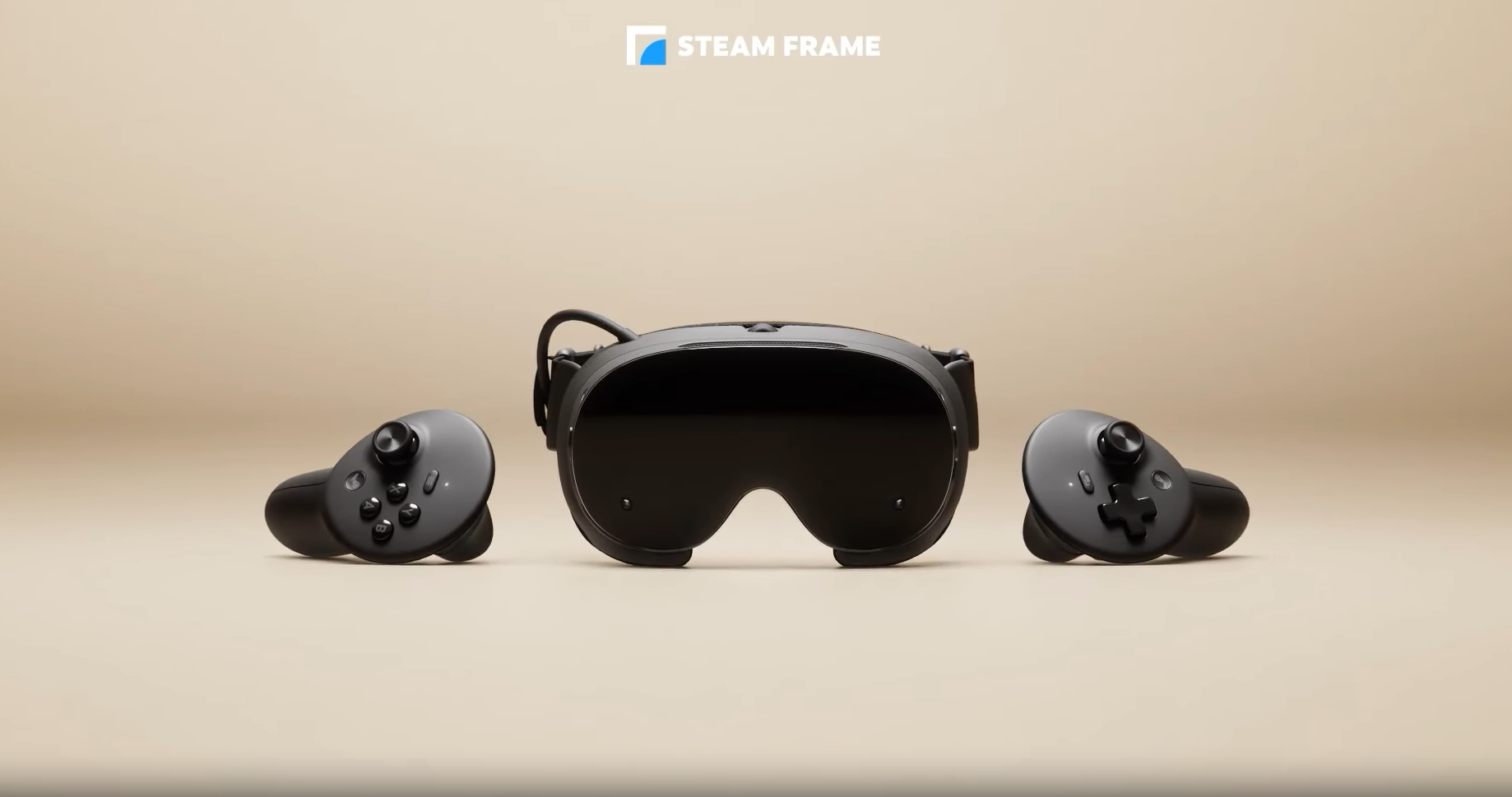
By providing the specifications for PCIe Gen 4 integration, Valve is effectively allowing the community to treat the Steam Frame like a modular PC. If a developer wants to create a proprietary expansion card that increases the Frame’s processing capabilities or adds new tracking modalities, the technical barrier to entry has been drastically lowered.
Official Stance and Licensing Constraints
While the move is undeniably progressive, Valve has maintained clear boundaries. The files are released under the Creative Commons Attribution-NonCommercial-ShareAlike 4.0 International license.
This means that while individuals are free to download, modify, and build their own custom Steam Frame accessories, they cannot legally manufacture and sell these items for profit without a separate commercial agreement. This distinction is vital; it protects Valve’s intellectual property while preventing the market from being flooded with low-quality, unauthorized third-party hardware that could potentially damage the main unit.
Valve has also included standard legal caveats. The reference designs are provided "as is." Because VR hardware is sensitive, Valve explicitly warns that modifications—especially those involving electrical components—can void the device’s warranty and, if done improperly, could render the headset inoperable. This "at your own risk" policy is a standard requirement for open-source hardware, ensuring that the company maintains a level of quality control over the core product.
Implications for the VR Ecosystem
The implications of this move for the broader VR market are profound.
1. Accelerating Innovation Cycles
By crowdsourcing accessory development, Valve can observe which mods gain the most traction. If a particular community-made add-on (such as an improved battery cradle) becomes a universal favorite, Valve gains valuable market research that can inform the design of future iterations of the Steam Frame.
2. Longevity and Sustainability
Hardware that is moddable tends to stay in the hands of the user for longer. When a user can replace a worn-out component with a 3D-printed part or upgrade a specific function via an expansion module, they are less likely to discard the device when a single part fails. This contributes to a more sustainable hardware lifecycle.

3. Fostering an Independent Developer Community
The release of CAD files encourages the growth of an ecosystem of small-scale entrepreneurs. Even under the non-commercial license, the ability to build and iterate on these designs provides a massive educational opportunity for aspiring engineers and product designers. It lowers the barrier to entry for hardware development, allowing talent to flourish within the Steam ecosystem.
The Competitive Edge: Why Valve’s Strategy Wins
In an industry where competitors like Meta or Apple operate within "walled gardens," Valve’s approach is a radical departure. Most VR headsets are sealed units; opening them often involves specialized tools, voiding warranties, and risking injury or permanent damage. By contrast, Valve is saying: "We built this tool; now help us make it better."
This strategy creates a sense of community ownership. Users are not just consumers; they are contributors. When a user creates a custom mount for their Steam Frame, they are investing their time and creativity into the platform. This psychological investment builds brand loyalty that cannot be bought with advertising.
Looking Ahead: The Future of the Steam Frame
As the community begins to digest these files, we can expect a wave of prototypes to hit platforms like GitHub and MakerWorld. The initial focus will likely be on ergonomics—bespoke head-straps, counterweights, and cable management solutions. However, within a few months, we should expect to see the first wave of electrical mods leveraging the PCIe Gen 4 expansion port.
The success of the Steam Frame will ultimately depend on its performance in the competitive VR landscape. However, by empowering its users to tailor the experience to their specific needs, Valve has ensured that the Steam Frame will be the most flexible and customizable headset on the market.
Whether this openness will be enough to lure users away from more established, closed ecosystems remains to be seen. But for the power users, the tinkerers, and the VR enthusiasts who believe that hardware should be a canvas for innovation rather than a finished product, the release of the Steam Frame CAD files is a milestone. It is a bold affirmation that in the world of Valve, the hardware is only the beginning.
As the community prepares to dive into these files, the question remains: what will be the first "killer mod" to emerge from this collaboration? The potential is limited only by the imagination of the modding community. Valve has handed them the keys to the factory; it is now up to the users to decide where to take the machine next.