
The Wasteland Returns: Bethesda Confirms Remasters of Fallout 3 and New Vegas
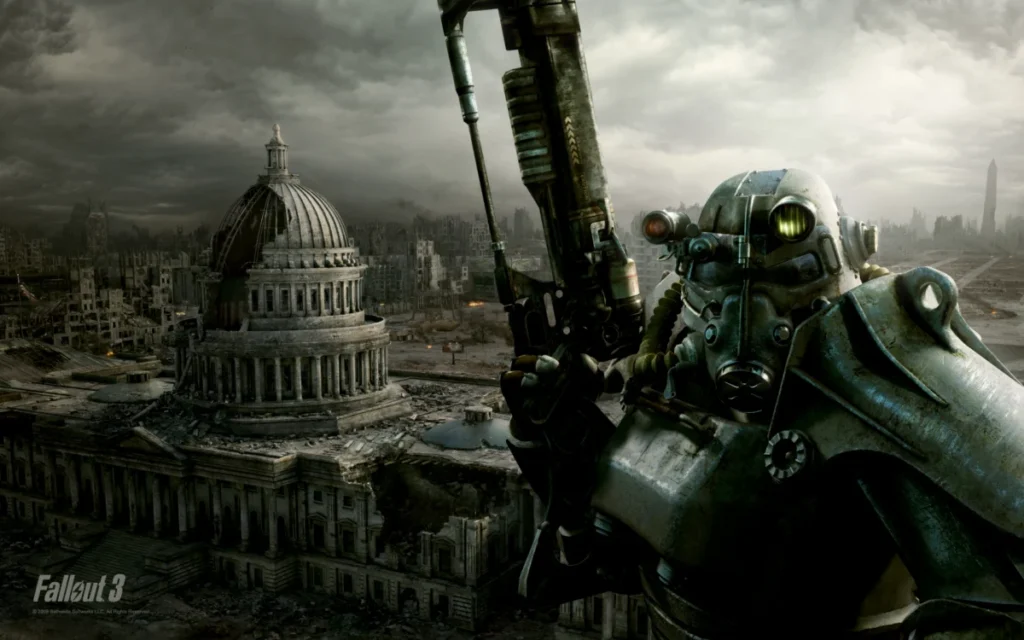
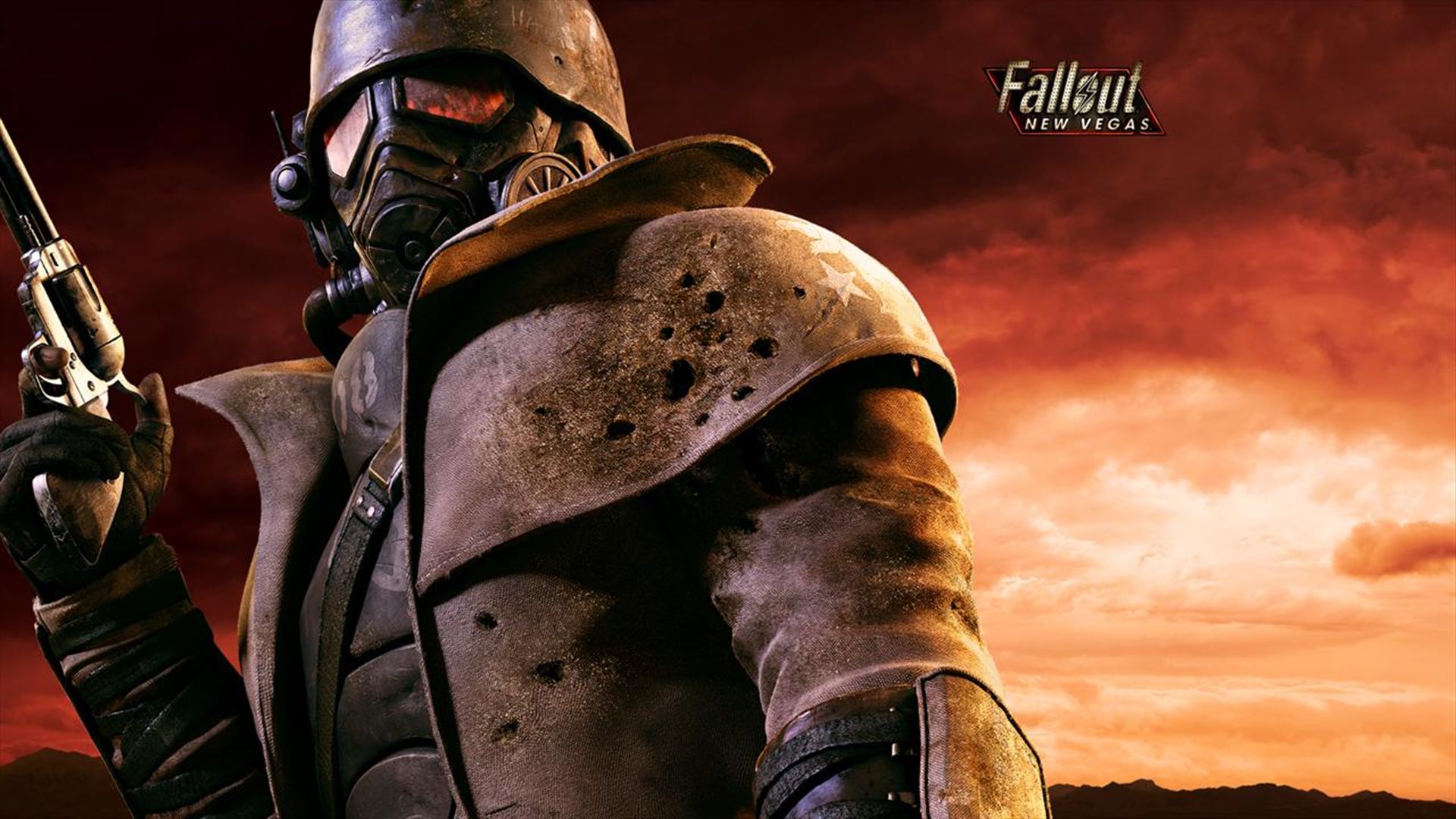
For over a decade, the Fallout franchise has stood as a monolith in the role-playing game (RPG) landscape. While newer entries have pushed the boundaries of the series’ signature post-apocalyptic formula, a dedicated core of fans has long clamored for a return to the roots—specifically, the desolate, haunting ruins of the Capital Wasteland in Fallout 3 and the morally complex, faction-driven Mojave Desert of Fallout: New Vegas. After years of persistent rumors, leaks, and endless community speculation, the silence has finally been broken.
Bethesda Game Studios has officially confirmed that both Fallout 3 and Fallout: New Vegas are undergoing the remaster process. This long-awaited announcement arrives as part of a broader strategic roadmap for the franchise, signaling a massive revitalization effort for one of the industry’s most beloved intellectual properties.
The Core Revelation: Bridging the Generational Gap
In an official update detailing the future of the Fallout universe, Bethesda confirmed that both iconic titles are currently in the early stages of development. While the studio stopped short of providing a release window, gameplay trailers, or technical specifics, the confirmation itself is a watershed moment for the industry.
For many, Fallout 3 was the definitive transition point that moved the series from isometric turn-based combat into a fully immersive, 3D open-world experience. Conversely, Fallout: New Vegas—developed by Obsidian Entertainment—is widely regarded as a narrative masterpiece, lauded for its intricate branching storylines, deep character writing, and player agency. By choosing to remaster these specific titles, Bethesda is effectively acknowledging their status as the "Gold Standard" of the franchise, ensuring that they remain accessible and playable for modern audiences who may find the original 2008 and 2010 technical limitations jarring.
A Chronology of Speculation and Hopes
The journey to this announcement has been marked by a decade of "will-they-or-won’t-they" discourse. Since the release of Fallout 4 in 2015, the gaming community has frequently pointed to the dated engines of the predecessors as the primary barrier to entry for new players.
- 2015–2018: Following the success of Fallout 4, fans began creating extensive "remaster" mods using the newer Creation Engine. This created a demand for an official, polished version that could marry the nostalgic mechanics of the originals with modern stability and visual fidelity.
- 2019–2021: Industry insiders began leaking rumors that Bethesda was exploring "classic" revivals. These rumors gained traction when Microsoft acquired ZeniMax Media (Bethesda’s parent company), leading to hopes that the synergy between Microsoft’s resources and Obsidian’s creative history would result in a New Vegas revival.
- 2022–2023: With the massive success of the Fallout television series on Amazon Prime, interest in the franchise skyrocketed. The surge in player counts across all existing Fallout titles on Steam proved to Bethesda that the appetite for these stories was not merely nostalgic—it was a growing market force.
- 2024 (The Present): The official confirmation marks the end of the speculation cycle, moving the conversation from "if" to "how" these games will be updated for current-generation hardware.
Supporting Data: Why Remaster Now?
The decision to revisit Fallout 3 and New Vegas is supported by strong market indicators. Industry data suggests that "legacy revivals" are currently among the most profitable segments of the gaming market.
- Player Retention and Engagement: Despite their age, Fallout 3 and New Vegas consistently rank among the top-played RPGs on storefronts like Steam. This indicates a "long-tail" effect where new generations of players are discovering the games through word-of-mouth.
- The "Fallout Effect": The recent television adaptation was a critical and commercial triumph, drawing millions of viewers who had never interacted with the games. Bethesda’s decision to announce these remasters serves as a strategic "on-boarding" mechanism for these new fans, allowing them to experience the series’ most foundational stories without the friction of decade-old game design.
- Engine Synergy: Bethesda has confirmed that The Elder Scrolls VI will utilize the next iteration of their technology, the "Creation Engine 3." The company has hinted that the development of these remasters serves as a testbed for integrating older assets into this new, more capable engine.
Official Responses and Strategic Roadmap
In the official statement provided by Bethesda Game Studios, the company emphasized that these remasters are part of a massive, long-term commitment to the brand.
"We understand the weight these games carry," the statement read. "They are not just products; they are the foundation upon which the modern Fallout identity was built. Bringing them to current hardware is a priority for us, but it is a project we are treating with the utmost care to preserve the original soul of the experiences."
Furthermore, the company outlined a multi-pronged approach to the franchise’s future:
- The Remasters: Fallout 3 and New Vegas will receive modernized visual and quality-of-life updates.
- Fallout 5: Currently in the pre-production phase, this title is the long-term endgame for the studio, following the release of The Elder Scrolls VI.
- Obsidian’s Role: Bethesda confirmed that Obsidian Entertainment is indeed working on a new, separate Fallout project, keeping the spirit of the New Vegas collaboration alive.
- Creation Engine 3: This unified technology stack will serve as the backbone for both the remasters and the upcoming Fallout 5, ensuring a consistent look and feel across the series’ future catalog.
Implications: A New Era for the Wasteland
The implications of this news are profound. For the gaming industry, it demonstrates that large publishers are increasingly viewing their back catalogs not as obsolete software, but as evergreen assets that can be refreshed for a subscription-based, digital-first economy.

For the Fallout community, the announcement is a validation of years of loyalty. New Vegas has long been the "white whale" of the franchise, and the official acknowledgment from Bethesda that it deserves a modern spotlight is a significant olive branch to the fans who have championed Obsidian’s work for fourteen years.
However, challenges remain. The "early development" status suggests that players may still have a significant wait ahead. Furthermore, the task of remastering titles that are heavily reliant on complex scripting and intricate quest trees—particularly New Vegas—will be a technical hurdle. The risk of losing the "jank" that some fans find charming, or conversely, failing to fix game-breaking bugs that have plagued the titles for years, will be a tightrope walk for the development team.
Ultimately, the revitalization of these two legends serves as a bridge. It connects the past, which built the franchise’s reputation for deep, player-driven RPG experiences, with a future that aims to leverage the latest in procedural generation and visual fidelity. As we wait for further updates, one thing is clear: the Wasteland is about to become a much busier place, and for millions of fans, the long wait is finally starting to feel like it was worth it.
Which version are you most looking forward to revisiting? Is it the haunting, gray-scale desolation of the Capital Wasteland, or the neon-soaked, political powder keg of the Mojave? The return to these iconic maps is coming, and the prospect of experiencing these stories with modern technology is, quite literally, a game-changer.