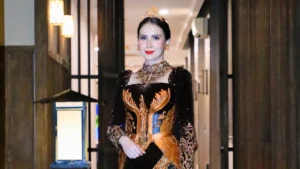
Shareefa Daanish Sheds Her ‘Horror Queen’ Crown for a Poignant Family Drama in "Sihir Tanah Kubur"
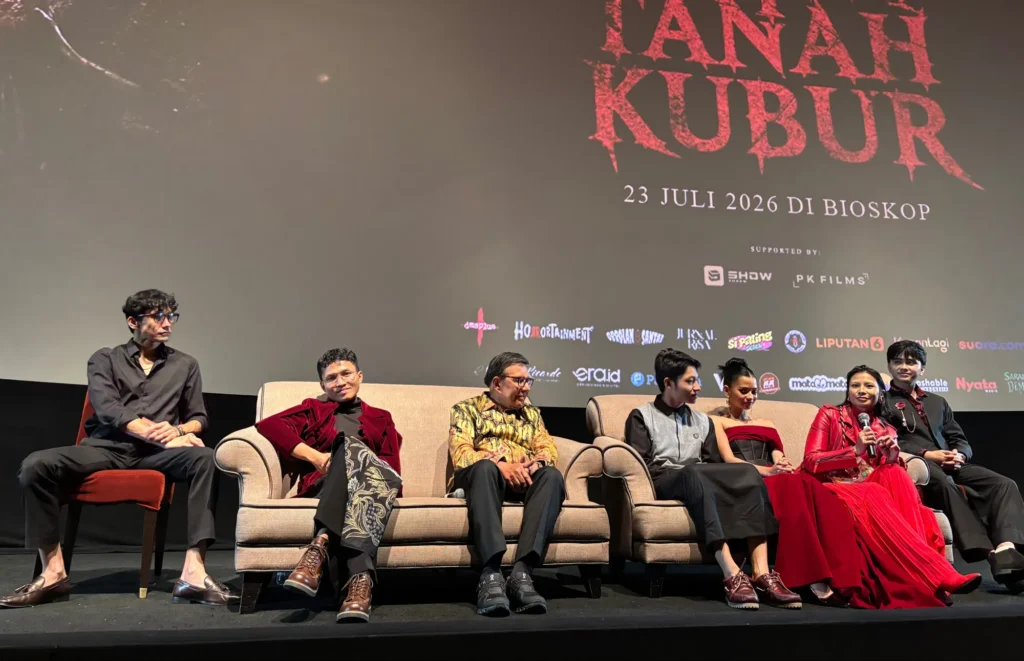
JAKARTA, Indonesia – Shareefa Daanish, an actress long synonymous with spine-chilling performances and haunting portrayals that have earned her the moniker "Queen of Horror," is set to surprise audiences with a dramatically different role in the upcoming film, Sihir Tanah Kubur. Breaking away from the terrifying specters and unsettling characters that have defined her career, Daanish embraces a deeply human persona, advocating for the indispensable power of family support, a thematic cornerstone of the film slated for release on July 23, 2026.
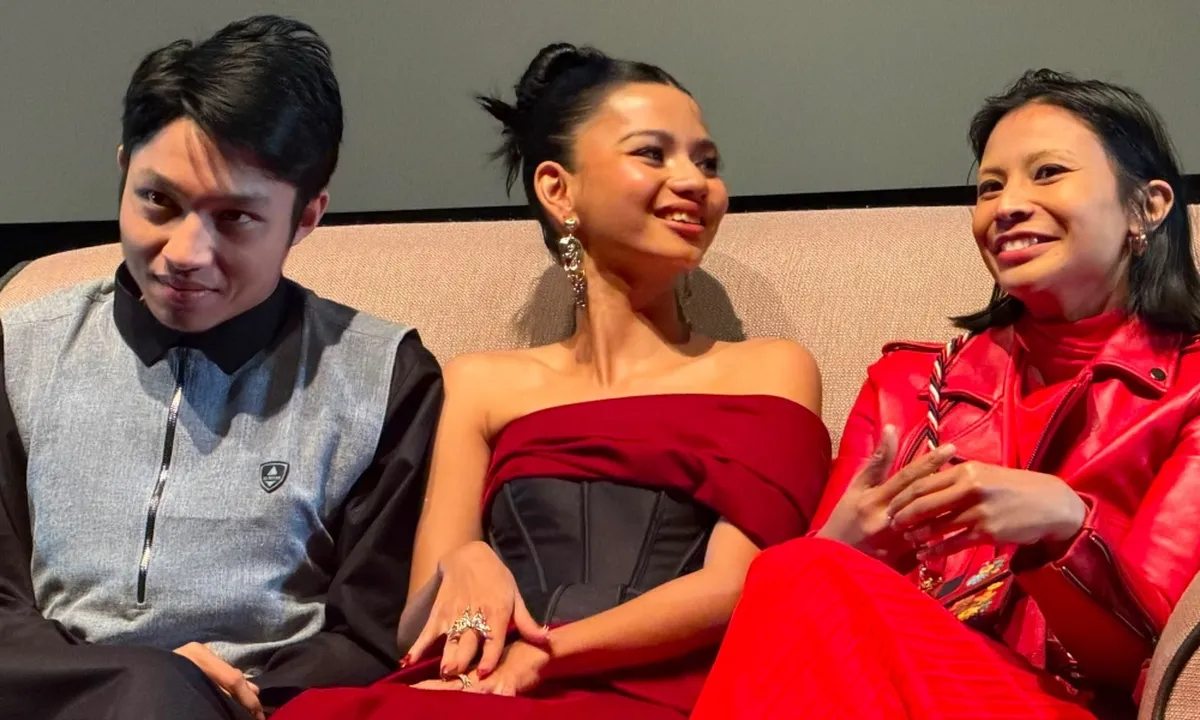
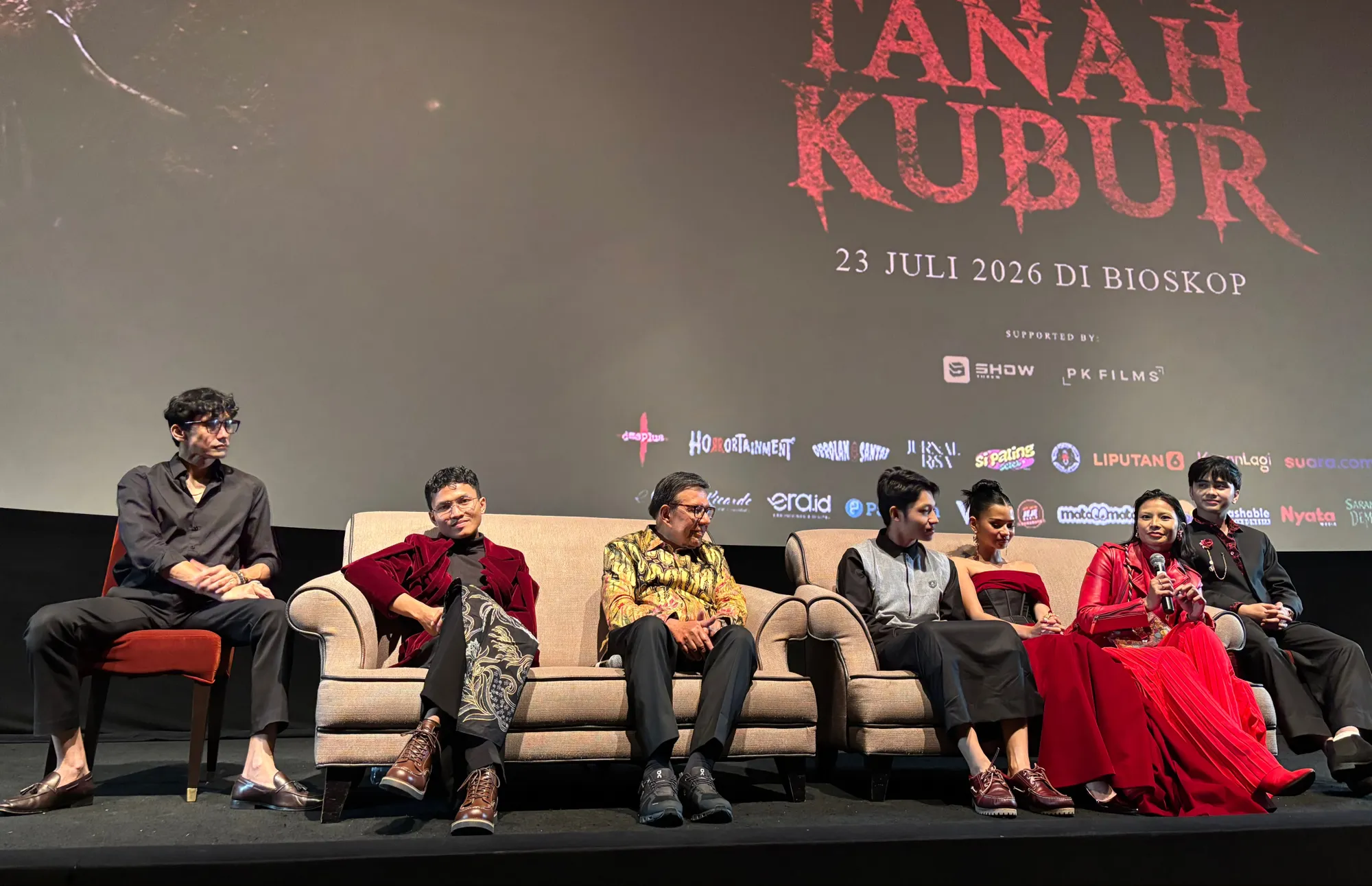
The announcement, made during a press conference at XXI Epicentrum, South Jakarta, on Thursday, July 17, 2026, has ignited considerable buzz within the Indonesian film industry and among her dedicated fanbase. Daanish, often celebrated for her ability to embody the sinister and the supernatural with chilling conviction, expressed a sense of relief and artistic satisfaction with her latest endeavor, signaling a significant evolution in her illustrious career. This strategic departure from her established genre promises to showcase a multifaceted talent capable of transcending typecasting and exploring the nuanced complexities of human emotion.
Main Facts: A Bold New Chapter for the Horror Queen
Shareefa Daanish, whose name has become almost interchangeable with the horror genre in Indonesia, is taking on a role that deliberately steers clear of any terrifying elements in Sihir Tanah Kubur. Instead, her character serves as a poignant reminder of the critical importance of familial bonds and unwavering support in overcoming life’s myriad challenges. This thematic emphasis, as highlighted by Daanish herself, forms the very core message the film intends to convey.
During the press briefing, Daanish candidly addressed the inevitable question of whether she felt a longing for her signature scary scenes, a sentiment she emphatically denied. Far from feeling "gatal" (an Indonesian idiom for itching or longing), she expressed a profound sense of ease and liberation in portraying a character devoid of supernatural dread. For Daanish, this role represents a welcome equilibrium, a balancing act that complements the extensive repertoire of menacing figures she has brought to life on screen. It is an opportunity to delve into the depths of human vulnerability and resilience, a stark contrast to the otherworldly terror she is renowned for instilling.
The film, Sihir Tanah Kubur, is poised to be a significant addition to the Indonesian cinematic landscape, featuring a diverse ensemble cast including Kiesha Alvaro, Ariyo Wahab, Adzwa Aurell, Revaldo, and Rafi Sanjaya, alongside Daanish. Its nationwide theatrical release on July 23, 2026, will mark a pivotal moment for Shareefa Daanish, potentially redefining public perception of her artistic range and opening new avenues for future collaborations.
Chronology: From Concept to Cinematic Release
The journey of Sihir Tanah Kubur, and particularly Shareefa Daanish’s involvement, traces a fascinating arc from initial concept to its eagerly anticipated premiere.
The Genesis of a New Role
The casting of Shareefa Daanish in Sihir Tanah Kubur likely began several months, if not a year, prior to the July 2026 release date. Given her established persona, the decision to cast her in a non-horror-centric role would have been a deliberate and strategic one by the filmmakers. This choice suggests a vision to tap into her dramatic capabilities beyond jump scares and chilling stares, leveraging her star power to draw audiences while simultaneously offering a fresh perspective on her acting prowess. The initial discussions would have revolved around the character’s arc, her emotional depth, and how Daanish’s unique presence could amplify the film’s core message about family.
Production and Filming
Filming for Sihir Tanah Kubur would have typically commenced in late 2025 or early 2026, allowing ample time for principal photography, post-production, and promotional activities. For Daanish, this period would have been a distinct departure from her usual set experiences. Instead of spending hours in intricate prosthetics or meticulously choreographing terrifying sequences, her focus would have shifted to internalizing the emotional landscape of her character. The challenges would have been different: conveying subtle emotional nuances, building authentic relationships with her on-screen family, and navigating scenes that rely purely on dramatic tension rather than supernatural fright. This process likely offered her a refreshing change of pace and an opportunity for deep character exploration.
The Press Conference: Unveiling the Transformation (July 17, 2026)
The pivotal moment for public awareness arrived on July 17, 2026, at the press conference held at XXI Epicentrum, South Jakarta. This event served as the official platform to introduce Sihir Tanah Kubur to the media and to highlight the surprising casting choice of Shareefa Daanish. Attended by the cast, director, and producers, the conference was meticulously orchestrated to build anticipation.
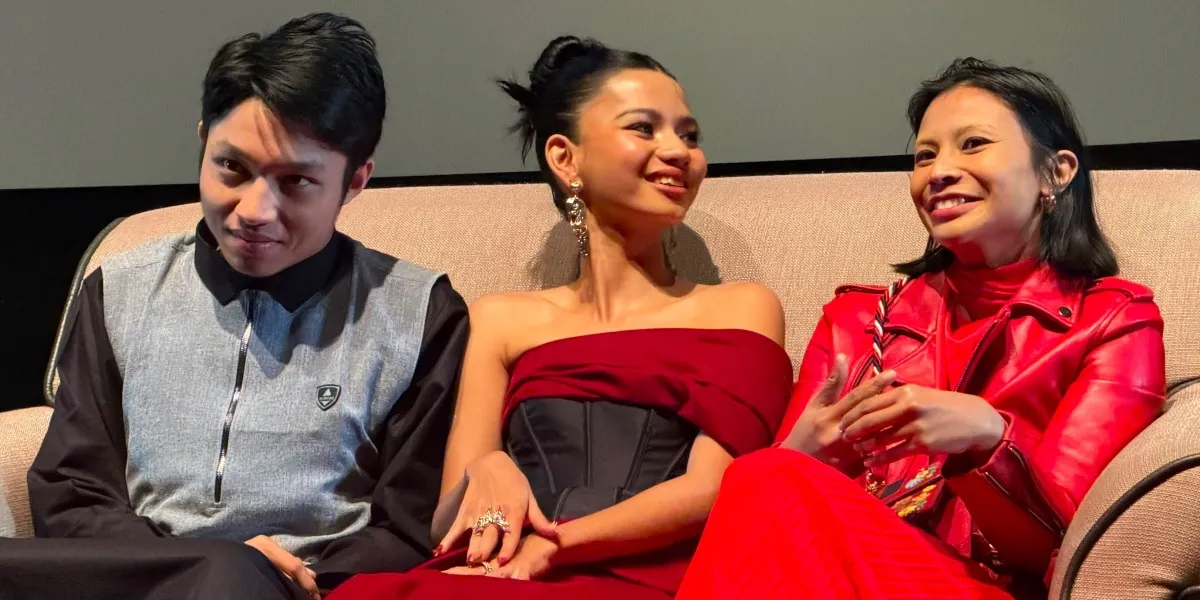
Daanish, the focal point of much of the media’s attention, articulated her personal connection to the film’s theme. Her statements about the paramount importance of family support resonated deeply, providing insight into the emotional core of her character. Her candid admission of feeling "relieved" rather than "gatal" for horror scenes was a defining moment, challenging preconceived notions and setting the stage for a new chapter in her career narrative. She framed this role not as a compromise, but as a deliberate artistic choice, an avenue to showcase a different facet of her acting capabilities. The press conference successfully positioned Sihir Tanah Kubur not just as another film, but as a significant artistic statement from one of Indonesia’s most recognizable actresses.
Anticipation and Release (July 23, 2026)
Following the press conference, the days leading up to July 23, 2026, would be filled with heightened promotional activities: trailers, interviews, and social media campaigns designed to captivate potential moviegoers. The curiosity surrounding Shareefa Daanish’s non-horror role, combined with the intriguing premise of Sihir Tanah Kubur, would undoubtedly generate significant buzz. The film’s release date marks the culmination of months of creative effort and strategic planning, offering audiences across Indonesia the chance to witness Daanish’s transformative performance and immerse themselves in a story that champions the enduring strength of family.
Supporting Data: Contextualizing Shareefa Daanish’s Career and the Film’s Thematic Depth
To fully appreciate the significance of Shareefa Daanish’s role in Sihir Tanah Kubur, it is essential to contextualize her formidable career and delve deeper into the thematic underpinnings of the new film.
The Reign of the ‘Horror Queen’
Shareefa Daanish’s journey to becoming the "Queen of Horror" is a testament to her unique screen presence and exceptional talent for embodying unnerving characters. Her breakout role in Timo Tjahjanto and Kimo Stamboel’s cult classic Rumah Dara (known internationally as Macabre) in 2009 cemented her status. As Dara, the matriarch of a cannibalistic family, Daanish delivered a performance that was both terrifying and iconic, leaving an indelible mark on the genre. She was not just scary; she was captivatingly menacing.
Subsequent roles in films like Joko Anwar’s Modus Anomali (2012), where she again showcased her ability to convey psychological dread, and her recurring presence in various other horror productions, further solidified her reputation. Audiences came to expect a certain level of dread and intensity whenever her name appeared in a horror film’s credits. Her piercing gaze, subtle expressions, and chilling delivery became hallmarks of her horror performances, making her a bankable star in a genre that often relies on strong, memorable antagonists or victims. This consistent portrayal, while earning her immense popularity, also created a strong public image that, until now, seemed almost inseparable from the realm of the supernatural.
Sihir Tanah Kubur: A Deeper Look
While the title Sihir Tanah Kubur (literally "Magic of the Graveyard") strongly implies a horror or supernatural thriller, Shareefa Daanish’s role within this narrative presents a fascinating paradox. It suggests that even within a genre film, there is room for characters whose primary function is not to scare but to ground the story in human emotion. Her character’s emphasis on family support is particularly noteworthy, indicating that the film might weave supernatural elements with a powerful underlying drama about relationships and resilience.
The theme of "family support" is a universal and deeply resonant one, especially in Indonesian culture where familial bonds are often paramount. In a film titled Sihir Tanah Kubur, this theme could manifest in several compelling ways: perhaps a family grappling with a supernatural curse or a tragic event, where their unity is the only defense against malevolent forces. Daanish’s character could serve as the emotional anchor, the voice of reason, or the unwavering pillar of strength in the face of adversity, offering a stark contrast to the film’s potentially darker elements. This thematic richness elevates the film beyond mere genre fare, promising a narrative that explores fear not just from external threats, but also from the breakdown of internal connections.
The Ensemble Cast and Creative Vision
The presence of a strong ensemble cast, including Kiesha Alvaro, Ariyo Wahab, and others, suggests a multi-layered narrative. Each actor brings their unique strengths, and their collective dynamic will be crucial in conveying the film’s emotional weight and thematic complexity. Ariyo Wahab, known for his versatility, and Kiesha Alvaro, a rising star, are likely to complement Daanish’s performance, creating a rich tapestry of characters.
While the director and production house were not explicitly detailed in the initial report, the strategic casting and the film’s intriguing premise suggest a creative team committed to producing a quality cinematic experience. The decision to cast Daanish in this non-horror role is indicative of a broader trend in Indonesian cinema, where filmmakers are increasingly willing to experiment with actors’ established images, pushing them out of their comfort zones to explore new dramatic territories. This artistic ambition bodes well for the film’s potential to resonate with a diverse audience, from horror aficionados curious about Daanish’s transformation to viewers who appreciate strong character-driven dramas.
Official Responses: Shareefa Daanish on Embracing Change
The press conference provided invaluable insights into Shareefa Daanish’s personal and professional reflections on her role in Sihir Tanah Kubur. Her responses were marked by a refreshing candor and a clear artistic vision.
Finding Relief in a New Role
When questioned about the absence of scary scenes, Daanish’s response was unequivocal: "Sebenarnya aku ngerasa enggak justru. Aku ngerasa mungkin memang sebelum-sebelumnya aku banyak memerankan karakter yang menyeramkan gitu. Terus sekarang dikasih peran yang tidak menyeramkan sama sekali," she stated, conveying a sense of genuine relief. This sentiment is crucial, as it dispels any notion of dissatisfaction or a feeling of being limited by her past roles. Instead, she perceives this as a natural evolution, a necessary counterbalance to her extensive horror filmography.
Her acknowledgment of previous intense roles ("memerankan karakter yang menyeramkan") highlights the physical and emotional toll that embodying terrifying figures can take. From complex makeup applications to sustained periods of high-intensity emotional performance, horror acting demands a unique set of skills and resilience. Therefore, a role that focuses on internal drama rather than external fright offers a different, perhaps less physically taxing, yet equally challenging, artistic endeavor.
Stepping Out of the Comfort Zone
Daanish further elaborated on this opportunity, seeing it as a deliberate step to broaden her artistic horizons. "Tapi, saya ngerti mungkin memang karena permasalahan durasi ya. Terus di sini malah saya ngerasa, ‘Ah, alhamdulillah. Saya enggak terlalu kerja terlalu keras.’ Tapi ya kalau buat saya, jadi ini kesempatan saya justru untuk menunjukkan akting saya di sisi yang lain lah ya gitu," she explained.
Her comment about "tidak terlalu kerja terlalu keras" (not having to work too hard) should not be misinterpreted as a lack of effort. Rather, it likely refers to the demanding nature of horror performances, which often involve extensive physical exertion, prosthetics, and emotionally draining scenes. In contrast, a dramatic role, while equally demanding in terms of emotional depth and character development, might offer a different kind of creative challenge, one that she found invigorating. This role allows her to demonstrate her versatility, proving that her acting range extends far beyond the confines of a single genre. It’s a testament to her commitment to growth and her desire to avoid being pigeonholed.
The Joy of Both Worlds: Horror and Drama
Perhaps the most insightful revelation came when Daanish was asked to choose between playing a supernatural entity or a human character. Her answer revealed a deep appreciation for the craft itself, irrespective of the genre. "Sebenarnya kalau buat saya dua-duanya. Dua-duanya tuh jadi setan atau karakter manusia, lah, ya? Itu ada kelebihan dan kekurangannya. Jadi kalau buat saya, dua-duanya tantangan dan dua-duanya saya suka," she affirmed.
This statement encapsulates her professional philosophy: every role, whether chilling or heartwarming, presents its own unique set of challenges and rewards. Playing a supernatural character often requires immense imagination, physical control, and the ability to project an otherworldly presence. Conversely, portraying a human character demands a profound understanding of psychology, empathy, and the ability to convey relatable emotions authentically. Daanish embraces both aspects, viewing them as distinct yet equally valuable opportunities for artistic expression and growth. This balanced perspective underscores her professionalism and her genuine love for acting in all its forms.
Implications: Redefining a Career and Shaping Cinematic Trends
Shareefa Daanish’s pivotal role in Sihir Tanah Kubur carries significant implications, not only for her individual career trajectory but also for the broader landscape of Indonesian cinema.
For Shareefa Daanish: A Career Renaissance
This role could mark a definitive turning point in Shareefa Daanish’s career. By successfully venturing outside her established horror domain, she stands to dismantle the "typecast" label that often accompanies actors known for specific genres. Sihir Tanah Kubur offers her the platform to showcase a nuanced dramatic range, proving her versatility to both audiences and filmmakers. This could open doors to a wider array of roles across various genres, including dramas, thrillers, and even comedies, allowing her to explore characters that leverage different aspects of her talent.
A critically acclaimed performance in Sihir Tanah Kubur could lead to new collaborations with directors and screenwriters who might have previously overlooked her for non-horror projects. It positions her not just as the "Queen of Horror," but as a formidable and adaptable actress, capable of tackling diverse narratives and delivering compelling performances regardless of the thematic content. This strategic diversification is essential for long-term career longevity and artistic fulfillment.
For Indonesian Cinema: Challenging Norms and Fostering Versatility
The casting of Shareefa Daanish in a non-horror role within a potentially genre-bending film like Sihir Tanah Kubur reflects a healthy evolution within the Indonesian film industry. It signals a growing willingness among filmmakers to challenge conventional casting choices and to encourage actors to break free from their established personas. This trend fosters greater versatility among performers and enriches the cinematic experience by offering fresh perspectives.
Furthermore, a film that blends supernatural elements with a strong dramatic core, particularly one emphasizing family values, demonstrates the industry’s capacity for thematic depth and narrative complexity. It moves beyond simplistic genre classifications, inviting audiences to engage with stories on multiple levels. This approach can attract a broader demographic, appealing to both genre enthusiasts and those who prefer character-driven narratives, thereby expanding the market for Indonesian films.
For the Audience: A Fresh Perspective
For audiences, Sihir Tanah Kubur offers a unique opportunity to see a beloved actress in a new light. Fans who have long admired Daanish for her terrifying portrayals will be curious to witness her dramatic capabilities, potentially forming a deeper appreciation for her craft. This shift can reignite interest in her work and encourage viewers to explore her entire filmography, both past and future.
Moreover, the film’s core message about family support, delivered through Daanish’s character, promises a relatable and emotionally resonant experience. In an era where cinematic escapism often takes precedence, a film that grounds itself in universal human experiences while potentially exploring supernatural themes can provide a powerful and thought-provoking viewing experience. It encourages introspection and reinforces the importance of interpersonal connections, leaving a lasting impact beyond the runtime.
Potential Box Office and Critical Reception
The buzz surrounding Shareefa Daanish’s role, coupled with the intriguing title and ensemble cast, positions Sihir Tanah Kubur for significant box office attention. Its ability to draw both horror fans and drama enthusiasts could translate into strong ticket sales. Critically, the film’s success will largely depend on its execution – how effectively it balances its potential horror elements with its dramatic core, and how convincingly Daanish embodies her new, empathetic character. A strong critical reception could solidify Daanish’s status as a versatile leading lady and reinforce the film’s message, potentially sparking discussions about the changing landscape of Indonesian storytelling.
In conclusion, Shareefa Daanish’s journey from the chilling ‘Queen of Horror’ to a beacon of family support in Sihir Tanah Kubur is more than just a new role; it is a bold artistic statement. It highlights her evolving talent, the dynamic nature of Indonesian cinema, and the enduring power of storytelling to surprise, challenge, and connect with audiences on a profoundly human level. As the film prepares for its nationwide release, all eyes will be on Daanish, eager to witness this exciting new chapter unfold.