The Final Bow: Square Enix and Tencent Cancel Final Fantasy XIV Mobile Amid Global Strategy Shift
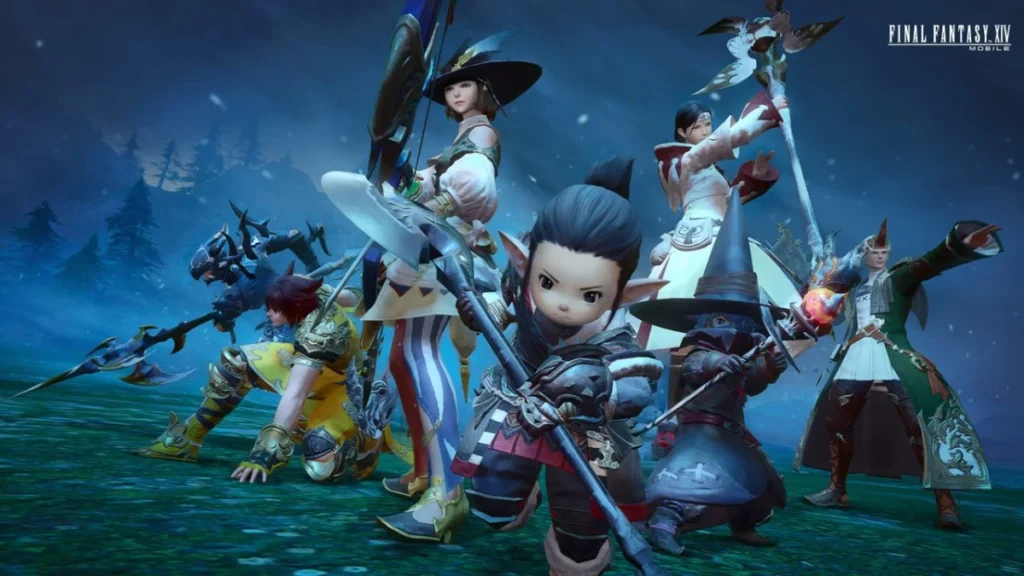
The dream of bringing the sprawling, critically acclaimed world of Eorzea to the palms of players worldwide has officially come to an end. In a move that has sent shockwaves through the gaming community, Square Enix and LightSpeed Studios—a subsidiary of the Chinese tech giant Tencent—have confirmed the permanent cessation of Final Fantasy XIV Mobile.
The announcement, which signals the total cancellation of both the ongoing Chinese operation and the highly anticipated global release, marks a somber turning point for one of the industry’s most ambitious cross-platform experiments. While Final Fantasy XIV remains a titan in the PC and console MMORPG space, its foray into the mobile market serves as a stark reminder that even the most prestigious intellectual properties are not immune to the volatility of the mobile landscape.
The Core Facts: A Premature Conclusion
The decision to terminate Final Fantasy XIV Mobile is not merely a regional withdrawal; it is a full-scale abandonment of the project. Square Enix and LightSpeed Studios issued a joint statement confirming that all services for the title in China will cease on September 30, 2026.
Perhaps more significant for the international community is the confirmation that the previously promised global rollout has been scrapped entirely. This decision, described by both companies as a result of "peaceful negotiations" following "operational business adjustments" and "changing market conditions," effectively wipes the slate clean of the mobile adaptation.
For current players in the Chinese market, the descent toward closure is already in motion. New user registrations and in-game currency purchases were halted on July 17, effectively locking the game’s ecosystem. The final transition will see the total shutdown of official forums and customer support channels by October 15, 2026.
A Chronology of the Mobile Dream
The journey of Final Fantasy XIV Mobile was marked by high expectations and technological ambition. When the project was first unveiled, it was positioned as a revolutionary way to bridge the gap between dedicated gaming hardware and mobile accessibility.
- The Announcement: Square Enix and Tencent teased the mobile iteration as a faithful recreation of the Eorzea experience, promising to condense the complex MMO mechanics into a touch-friendly interface.
- The Development Phase: LightSpeed Studios, known for their proficiency in mobile optimization, worked closely with the original Japanese development team to ensure that the "feel" of FFXIV remained intact.
- The "Soft" Launch and Feedback: As the game entered its limited testing phases in China, it garnered praise for its intuitive UI and unique quality-of-life (QoL) improvements. These features, which were not present in the PC/Console versions, created a buzz within the global community, leading to widespread speculation about a Western release.
- The Turning Point: Throughout 2024 and 2025, market indicators in the mobile gaming sector began to shift. The intense competition within the Chinese market, coupled with rising development costs and shifting player retention metrics, forced a re-evaluation of the game’s long-term profitability.
- The Final Decision: Following months of internal review and negotiations, the decision was reached to terminate the project rather than pivot, resulting in the formal announcement of the shutdown.
Why the Market Proved Unforgiving
To understand why a powerhouse like Final Fantasy failed on mobile, one must look at the current state of the industry. The mobile market is notoriously fickle, defined by a "winner-takes-all" dynamic where only a handful of titles generate the majority of global revenue.

The Complexity of Porting an MMO
Unlike mobile-native titles, Final Fantasy XIV was designed for a keyboard-and-mouse or controller setup. Shrinking a game of such vast scale—with hundreds of hours of narrative content, complex raid mechanics, and intricate hotkey systems—into a mobile interface is a technical tightrope walk. While early feedback suggested success, the cost of maintaining such a complex infrastructure for a mobile audience that may have different spending habits than PC players proved difficult to justify.
The Competitive Landscape
The Chinese mobile market is currently saturated with high-fidelity gacha games and competitive shooters that command immense player loyalty. Final Fantasy XIV Mobile faced the dual challenge of competing against these giants while simultaneously trying to convert a massive, established base of PC players who were already deeply invested in the "main" version of the game.
The "Square Enix Mobile" Trend
This cancellation is not an isolated incident for Square Enix. The company has been systematically trimming its mobile portfolio to focus on higher-margin titles and core experiences. Previous closures, such as Final Fantasy Crystal Chronicles on iOS and the sunsetting of the global version of Final Fantasy Brave Exvius, illustrate a broader corporate strategy to move away from legacy mobile projects that require high maintenance and yield uncertain returns.
Official Responses and Apologies
In their official communique, both Square Enix and LightSpeed Studios were careful to maintain a professional, conciliatory tone. The development team extended a formal apology to the player base, acknowledging the disappointment of those who had been waiting for the global version.
"We recognize the passion and dedication our players have shown toward the vision of Final Fantasy XIV on mobile," the statement read. "This was a difficult decision, reached only after exhaustive analysis of the current market environment. We remain deeply grateful to the community for their support and for the feedback that helped shape the project during its development."
While the statement was brief, it underscored the "peaceful" nature of the split, suggesting that there is no lingering animosity between the two corporate giants. It appears the cancellation was purely a bottom-line decision necessitated by the realization that the mobile adaptation would not reach the scale required to sustain its operational overhead.
The Legacy: What Could Have Been
Perhaps the most ironic aspect of the cancellation is the acclaim the mobile version received for its unique innovations. Players who participated in early tests frequently highlighted:

- Refined Interface: A touch-based control scheme that many argued was more intuitive than the complex cross-hotbar system used on consoles.
- Exclusive Cosmetic Assets: Unique gear and aesthetic items that, in some cases, were deemed superior to their PC counterparts.
- Quality-of-Life (QoL) Updates: Features designed to streamline questing and inventory management that the PC community has long requested for the main game.
There is now a growing sentiment among the community that these "mobile-exclusive" improvements should not be lost to history. Fans have taken to forums, urging Naoki Yoshida and the main FFXIV development team to "salvage" these design elements and implement them into the PC and console versions of the game. Whether this will happen remains to be seen, but the influence of the failed mobile project may continue to ripple through the franchise for years to come.
Implications for the Future of Final Fantasy
The termination of the mobile project is a clear signal that Square Enix is pivoting its strategy. For the main Final Fantasy XIV title, it is business as usual. The game remains one of the most profitable and stable assets in the company’s history, with recent expansions continuing to draw record-breaking player counts.
However, for the broader Final Fantasy brand, this move suggests a period of contraction. The company is likely looking to avoid the "dilution" of the brand through lower-performing mobile spin-offs. Moving forward, fans can expect Square Enix to be more selective, favoring projects that can integrate more seamlessly with their core console and PC offerings rather than attempting to replicate them on platforms that demand different business models.
A Lesson in Scalability
Ultimately, the failure of Final Fantasy XIV Mobile serves as a case study for the gaming industry. It demonstrates that brand recognition is not a substitute for product-market fit. Even with the backing of a tech giant like Tencent and the pedigree of the Final Fantasy name, the mobile market remains a brutal environment where longevity is earned through constant innovation and sustainable monetization—two factors that, despite the project’s promise, could not be aligned in this instance.
For the loyalists of Eorzea, the news is a relief of sorts. By closing the mobile chapter, Square Enix can fully refocus its resources on the core experience, ensuring that the legacy of Final Fantasy XIV remains defined by its PC and console success rather than a potentially fragmented mobile iteration.
The story of the mobile version of Eorzea ends here, not with a bang, but with a quiet, calculated withdrawal. As the servers prepare to go dark in 2026, the industry will look on, noting yet another lesson in the complex, high-stakes game of mobile expansion.