Strengthening the Foundation: National Nutrition Agency Recruits Kemenkes Expert to Spearhead ‘Free Nutritious Meals’ Program
JAKARTA – In a strategic move to ensure the operational success of President Prabowo Subianto’s flagship initiative, the "Free Nutritious Meals" (Makan Bergizi Gratis/MBG) program, the newly formed National Nutrition Agency (Badan Gizi Nasional/BGN) has bolstered its leadership ranks. The agency has officially tapped a high-ranking official from the Ministry of Health (Kemenkes RI) to oversee the systemic governance of the program, signaling a shift toward a health-centric approach in national food policy.
The individual at the center of this transition is Dr. Prima Yosephine Berliana Tumiur Hutapea, MKM, who has been appointed as the Deputy for Systems and Governance at the BGN. Her departure from the Ministry of Health, where she served as the Director of Infectious Diseases, marks a significant infusion of clinical and public health expertise into the administration of the multi-trillion rupiah nutrition program.
The Strategic Appointment of Dr. Prima Yosephine
Dr. Prima Yosephine brings a wealth of experience to the BGN, particularly in large-scale public health implementation. Before her role as Director of Infectious Diseases, she served as the Director of Immunization Management at the Ministry of Health. In that capacity, she was instrumental in the national push for vaccination, managing complex logistics, public education campaigns, and inter-regional cooperation to improve health outcomes.
Her background as an alumna of the University of Sumatera Utara (USU) medical school, combined with her Master’s degree in Public Health from the University of Indonesia (UI), provides the analytical framework necessary for managing a program as vast as the MBG. The decision to recruit her was not merely administrative; it was a deliberate choice to align the nutritional goals of the MBG with established public health protocols.
Chronology: From Health Ministry to National Nutrition Agency
The transition of leadership within the BGN follows a rapid institutional buildup. The BGN was established as a dedicated body to handle the logistical and nutritional complexities of President Prabowo’s primary campaign promise.
- Legislative Foundation: The agency was formalized through Presidential Regulation (Perpres) No. 83 of 2024, which outlines its mandate, authority, and organizational structure.
- Leadership Selection: Recognizing the scale of the program, the executive branch moved to fill Eselon 1 positions with professionals possessing specialized experience in health, supply chain, and public administration.
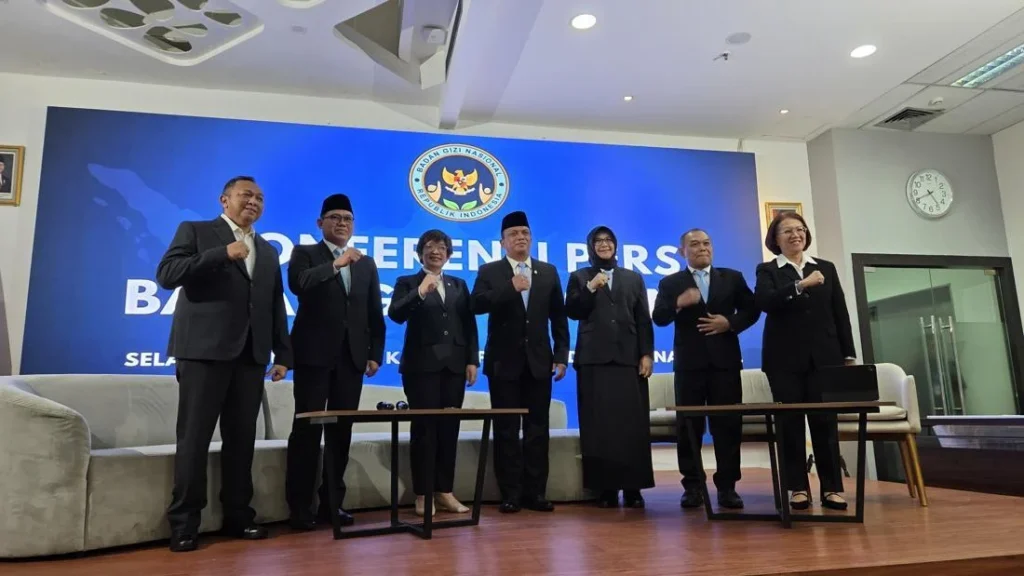
- The Announcement: On Tuesday, July 21, 2026, the Deputy Head of BGN, Agustina Arumsari, held a press conference in Central Jakarta to introduce the newly appointed leadership team. The announcement followed the receipt of a Presidential Decree (Keppres) signed by President Prabowo Subianto.
- Integration: Following the announcement, Dr. Prima and the other appointed deputies began the process of transitioning their portfolios to integrate their expertise into the BGN’s current framework for the MBG program.
Supporting Data and Rationale for the Move
The rationale behind appointing Dr. Prima lies in the structural similarities between national immunization programs and the MBG program. Both initiatives require precise "targeting" and "coverage."
In the immunization context, officials must identify specific demographics, ensure the safe distribution of vaccines to remote areas, and maintain high standards of quality control. Similarly, the MBG program requires a massive, coordinated effort to provide nutritious meals to students across the Indonesian archipelago, ensuring that the food provided meets specific caloric and nutritional benchmarks.
"We need a team that understands how to build systems from the ground up, particularly when dealing with health-related outcomes," noted an internal source at the BGN. By applying the same rigor used in vaccination campaigns to food distribution, the agency aims to minimize wastage and maximize the nutritional impact on the target population—primarily school-aged children.
Official Responses and Organizational Vision
During the press conference, Deputy Head of BGN Agustina Arumsari emphasized that the quality of Human Resources (HR) is the primary determinant of the agency’s success. She underscored that the appointment of these high-level officials was conducted in accordance with Article 59 of Perpres No. 83, which allows for direct appointments by the President for high-level madya (intermediate/senior) positions.
"HR is truly the vital component. Today, we are presenting the new faces of our Eselon 1 officials. We are incredibly grateful to have this team on board. We need them to work together to refine the agency and, more importantly, to improve the implementation of the MBG program," Arumsari stated.
The agency’s leadership believes that the combination of administrative discipline and public health experience will provide the necessary oversight to prevent the common pitfalls of large-scale government social programs, such as logistical bottlenecks or nutritional inadequacy.
The New Leadership Structure
In addition to Dr. Prima Yosephine, the BGN introduced several other key figures tasked with leading the agency’s various divisions. The full leadership team is as follows:
- Lili Khamiliyah – Secretary General (Sekretaris Utama), responsible for internal administration and institutional cohesion.
- Dr. Prima Yosephine Berliana Tumiur Hutapea – Deputy for Systems and Governance, responsible for the structural integrity and procedural flow of the agency.
- Zainuri – Deputy for Supply and Distribution, tasked with the complex logistics of food sourcing and delivery.
- Mariman Darto – Deputy for Promotion and Cooperation, responsible for external partnerships and public awareness.
- Ketut Sumedana – Deputy for Monitoring and Evaluation, responsible for auditing program impact and ensuring accountability.
Implications for the ‘Makan Bergizi Gratis’ Program
The appointment of these professionals carries significant implications for the future of the MBG program.
1. Shift Toward Data-Driven Nutrition
With a leadership team deeply rooted in public health and monitoring, the MBG program is likely to move away from purely logistical metrics (e.g., "number of meals delivered") toward health-outcome metrics (e.g., "improvement in student BMI and cognitive performance"). Dr. Prima’s presence suggests that the agency will treat the MBG as a preventative health intervention rather than a simple food subsidy program.
2. Standardized Quality Assurance
The inclusion of a Deputy for Monitoring and Evaluation (Ketut Sumedana) alongside Dr. Prima’s governance focus suggests that the BGN intends to implement strict quality control measures. This will be essential to gain public trust and ensure that the food distributed across the country meets the strict health standards required to combat issues like stunting and malnutrition.
3. Logistical Optimization
The appointment of a specific Deputy for Supply and Distribution (Zainuri) addresses the primary criticism of the MBG program: the complexity of supply chains. By segmenting the responsibilities of governance, monitoring, and supply, the BGN is creating a specialized organizational architecture that mirrors the most successful government agencies in the region.
4. Inter-Institutional Synergy
By drawing leadership from the Ministry of Health, the BGN is effectively building a "bridge" between the two institutions. This will facilitate better data sharing between the BGN and the Ministry of Health, allowing the government to track the impact of the free meals on the long-term health trends of the youth population.
Challenges Ahead
Despite the high-profile appointments, the BGN faces significant challenges. Managing a food distribution network that spans 17,000 islands requires not only administrative brilliance but also robust infrastructure and local cooperation. The success of Dr. Prima and her colleagues will depend on their ability to integrate national policy with local realities.
Furthermore, the fiscal sustainability of the program remains a topic of intense discussion. As the BGN begins to scale up, the "Systems and Governance" division led by Dr. Prima will be under pressure to ensure that every rupiah is spent efficiently, minimizing overhead while maximizing the delivery of nutrients to children in need.
Conclusion
The appointment of Dr. Prima Yosephine Berliana Tumiur Hutapea and her colleagues to the National Nutrition Agency marks a pivotal moment for President Prabowo’s administration. By prioritizing public health expertise, the government is signaling that the "Free Nutritious Meals" program is intended to be a robust, evidence-based intervention capable of creating lasting improvements in Indonesia’s human capital.
As the BGN begins its operational phase, all eyes will be on how these new leaders navigate the intersection of public health policy and massive logistical coordination. If successful, the model being built today could become a benchmark for social welfare programs in developing nations, proving that nutrition, when managed with clinical precision and governance, is the most effective investment a country can make in its future.