
Clash of Champions Season 3, Episode 5: A High-Stakes Battle of Intellect and Endurance

The intensity of Clash of Champions (COC) Season 3 has reached a boiling point. Following the unpredictable shifts in Episode 4, the remaining participants—the "Champions"—faced their most grueling challenge yet in Episode 5. With the pressure mounting and the competition narrowing, this episode served as a ruthless filter, forcing the brightest young minds to secure their positions through a "waterfall" elimination system.
Unlike previous rounds where participants could leverage their individual strengths, this episode demanded versatility, lightning-fast reflexes, and nerves of steel. The stakes were clear: perform or perish.
The "Waterfall" Format: Survival of the Fastest
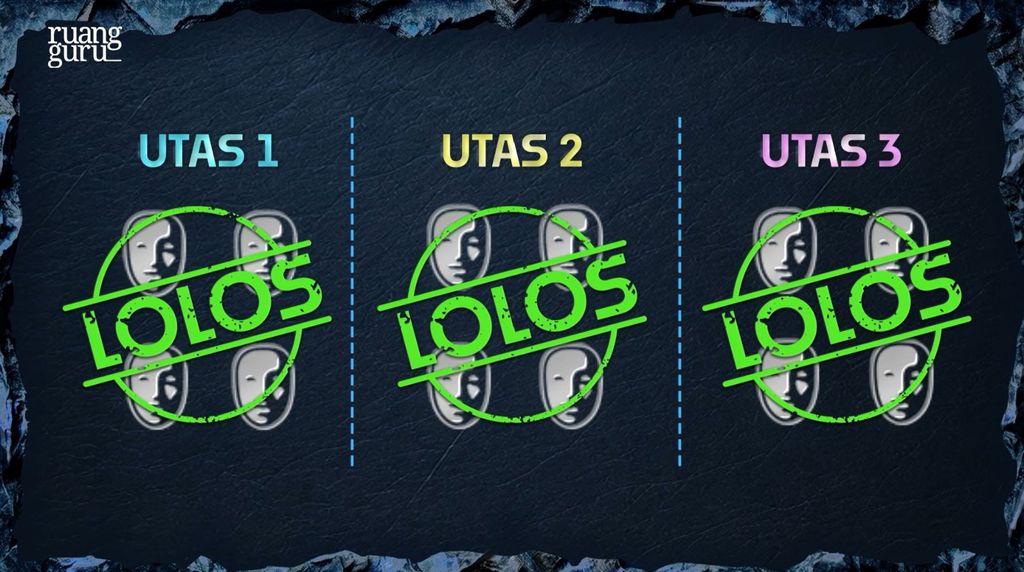
As explained by host Alfi, the structure of Episode 5 functioned as a high-stakes "waterfall." The competition was divided into three distinct games: Arithmetic Threads, Spatial Spectrum, and Flavour Formula.
The core mechanic was simple yet terrifying: if a participant secured a qualifying spot in the first game, they were safe for the rest of the episode. Those who failed to qualify were immediately thrust into the next, increasingly difficult game. By the end of the final challenge, the margin for error had vanished, leading to a significant number of eliminations. The atmosphere in the arena was palpable; for many, it was a test of whether their academic brilliance could withstand the crushing weight of time-sensitive, high-pressure environments.
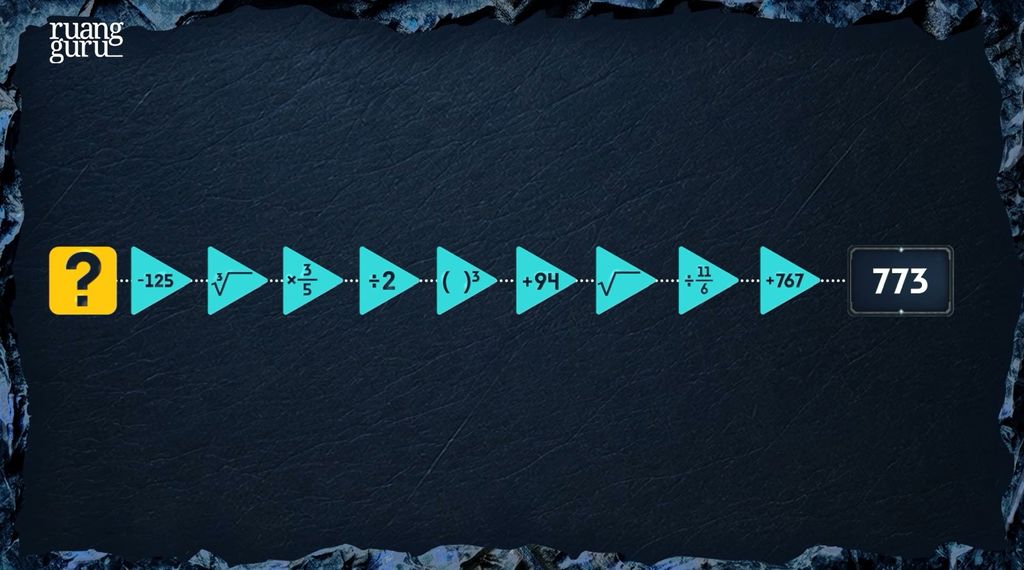
Game 1: Arithmetic Threads – The Numerical Gauntlet
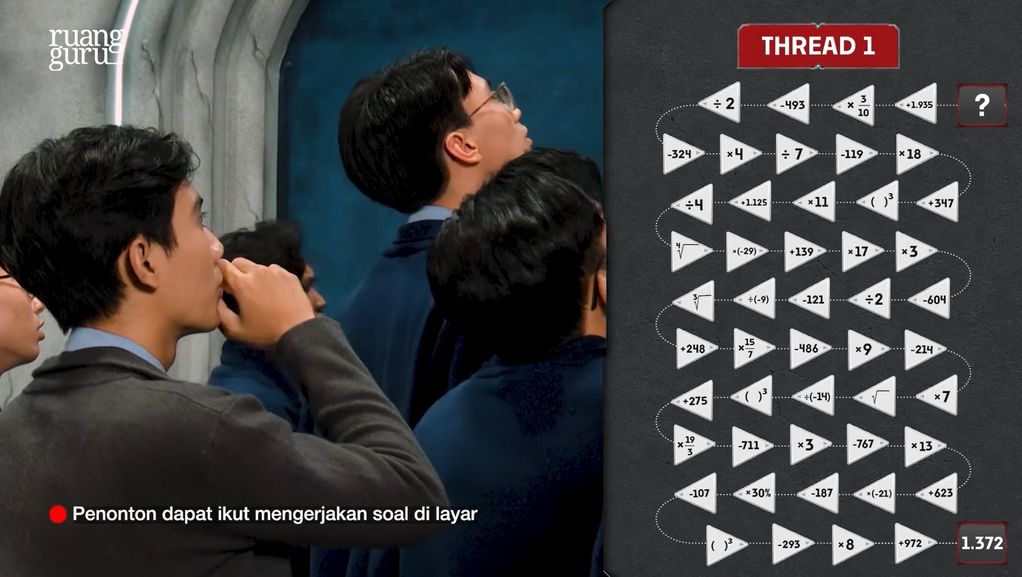
The episode opened with Arithmetic Threads, a challenge designed to test raw numerical agility. Fifty Champions entered the arena, but only 12 slots were available for advancement. Once those 12 spots were filled, the game would instantly conclude, leaving the remaining 38 competitors to face the second challenge.
Rules and Mechanics
The game required participants to solve complex numerical strings under extreme time constraints. Without the use of calculators or external aids, the Champions had to rely solely on their mental calculation speed. The setup was divided into different rooms, and the tactical selection of which room to join became a mini-game in itself.
Strategic Maneuvers and The "Math Monsters"
A recurring theme throughout the episode was the strategic avoidance of "Math Monsters"—participants with proven track records in the International Mathematical Olympiad (IMO) and other prestigious competitions. Names like Evan, Ben, Nasywaa, and Rexx were treated with reverence and caution.
In a surprising turn of events, some of the higher-ranked participants from the Lips Recall challenge used their authority to shift opponents between rooms. For instance, Kemal strategically moved Evan to a room populated by other math elites, forcing a "clash of titans" that kept the audience on the edge of their seats.
Evan, who successfully advanced from this round, attributed his success not to a complex strategy, but to his mastery of the abacus. His ability to visualize numerical problems allowed him to bypass the standard pen-and-paper limitations, proving that specialized cognitive tools are just as vital as raw intelligence in this competition.
Game 2: Spatial Spectrum – A Test of Geometric Visualization
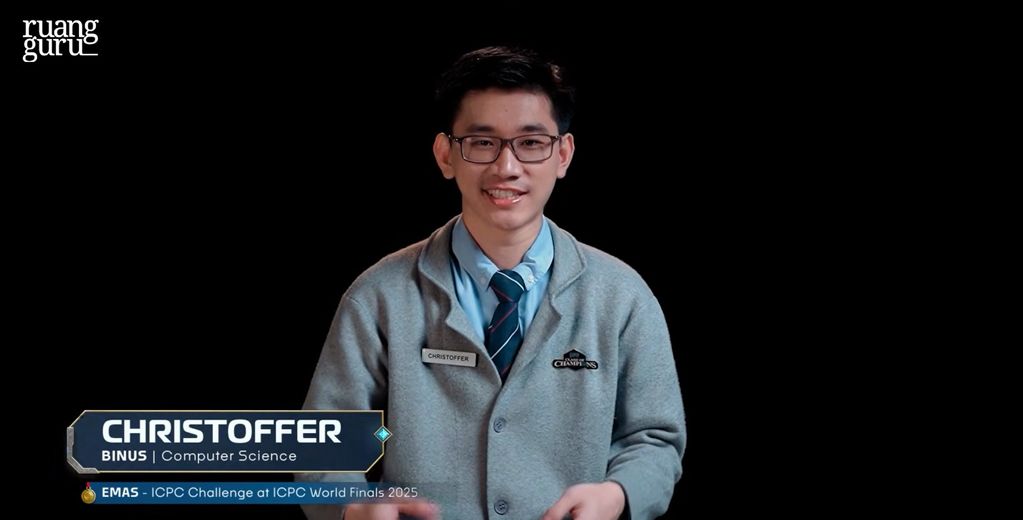
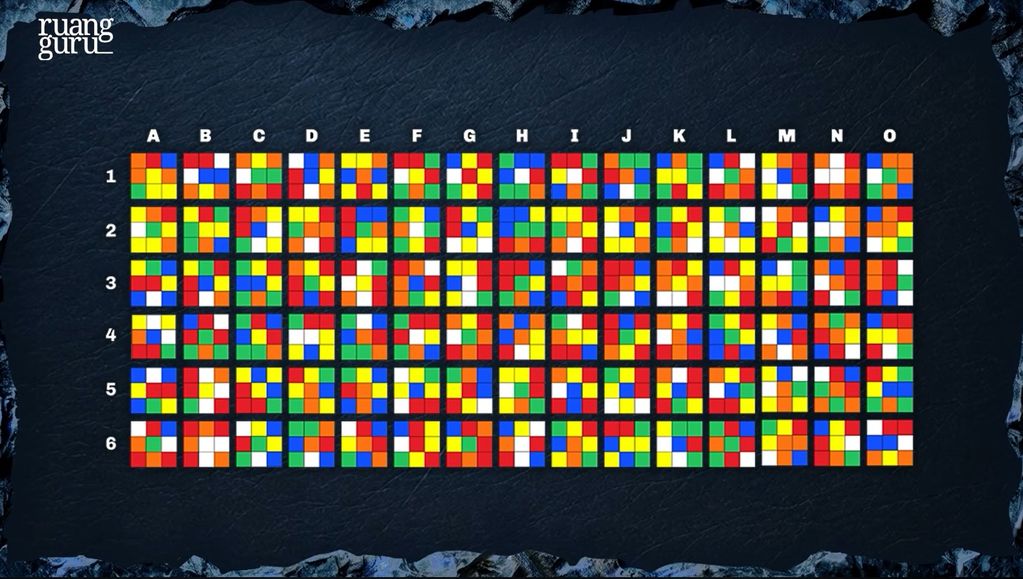
With 38 participants remaining, the second phase, Spatial Spectrum, tested the ability to visualize three-dimensional objects from two-dimensional data. Participants were presented with a grid of 90 potential "top views" of a cube, and they had to identify the correct perspective based on a series of 32 provided net-diagrams.
The Challenge of Cognitive Load
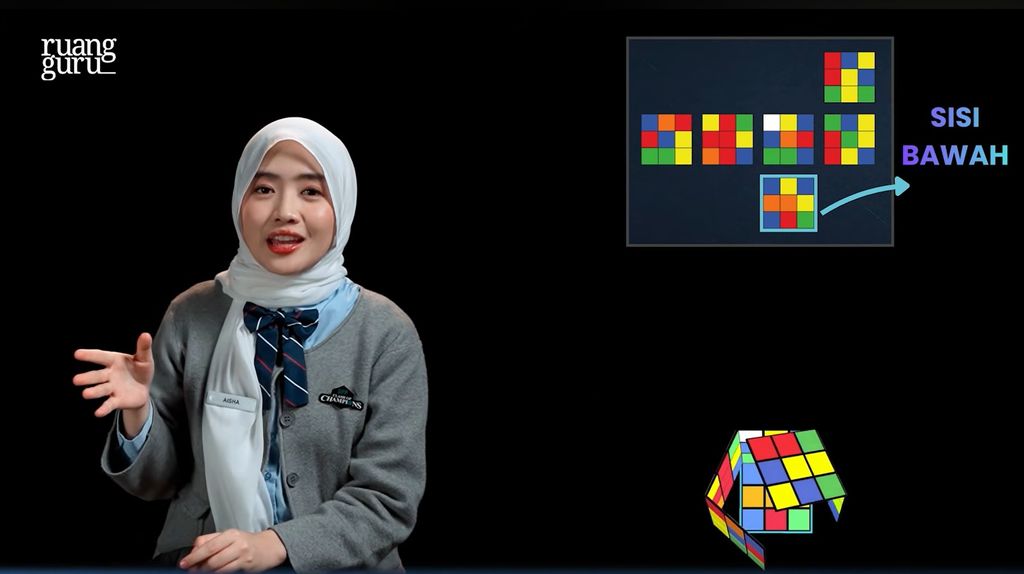
The game proved to be a visual nightmare for many. Participants had to mentally fold jaring-jaring (nets) of cubes to determine which of the 90 options matched the orientation.
"It’s physically exhausting," noted Kafka, one of the participants. "The sheer volume of possibilities makes it nearly impossible to answer with 100% accuracy without being exceptionally careful."
Success Stories: Stanley and Azka
Amidst the frustration and eye-straining confusion, two names emerged as victors: Stanley and Azka. Stanley became the first participant to complete the challenge with a perfect score, displaying an uncanny ability to rotate complex objects in his mind. Azka, a student from Oxford, followed closely, securing his spot by answering 10 out of 10 correctly. Their performance served as a masterclass in spatial reasoning, proving that in Clash of Champions, focus is the ultimate currency.
Game 3: Flavour Formula – The Ultimate Memory Test
The final 28 participants faced the most daunting task of the episode: Flavour Formula. This was a classic memory challenge, but with a culinary twist. Participants were tasked with memorizing thousands of data points across 100 international recipes, including ingredients, measurements, and origins.
Phase 1: Memorization vs. Phase 2: Recall
Participants were given a set amount of time to commit the 100 recipes to memory. When the recall phase began, they were tested on specific, often minute details of these recipes. The failure rate was high, and the pressure of knowing that only 10 spots remained for the next round made every second count.
Innovative Strategies
The participants employed wildly different mnemonic techniques to handle the information overload:

- The Associative Method: Aisha used "absurd storytelling" to anchor facts in her memory. By creating bizarre narratives for each recipe—such as imagining a person using a fan shaped like the number four to represent a specific Hungarian dish—she was able to bridge the gap between complex data and long-term recall.
- The Geographic Focus: Arfa opted for a more disciplined, focused approach. By limiting his memorization to recipes from a single continent (Africa), he ensured that the information he did retain was deep and accurate. This strategy paid off, as he was among the few to secure a spot in the next round.
- The Selective Strategy: Erin, who successfully advanced, took a contrarian approach. She focused on recipes she was unfamiliar with while avoiding those from Asia, knowing that other participants would likely crowd that area of expertise.
Official Responses and Participant Reflections
Reflecting on the episode, many participants highlighted the psychological toll of the "waterfall" system. The constant threat of elimination created a heightened state of anxiety. Producers noted that the goal of Season 3 was to push the boundaries of what these students considered their "intellectual comfort zones." By combining memory, spatial reasoning, and mental arithmetic, the Clash of Champions team successfully shifted the narrative from "who is the smartest" to "who is the most adaptable."
Implications for the Future of COC Season 3
As the dust settles on Episode 5, the field has been thinned to the top 32. The implications for the remainder of the season are significant:

- Rise of the Versatile: The era of the "specialist" is ending. The competition now favors those who can pivot between different cognitive domains.
- Increased Psychological Pressure: With fewer participants remaining, every challenge becomes a "must-win." The camaraderie built in early episodes is now being tested by the reality of the game’s competitive structure.
- The Audience Impact: Viewers have expressed high levels of engagement with the educational aspects of the games. The use of memory palaces and abacus techniques has spurred a wider conversation about the efficacy of these methods in academic settings.
The journey continues, and as the remaining Champions advance toward the finals, one question remains: who has the mental fortitude to endure until the very end? The intensity of this episode proves that at Clash of Champions, brilliance is merely the entry requirement; endurance is the key to victory.
Don’t miss the next installment of the action. Stay tuned to the Ruangguru blog and official social media channels for real-time updates and voting opportunities for your favorite Champions.