Finding Inner Peace: A Comprehensive Guide to the Significance, Practice, and Spiritual Impact of Post-Prayer Dzikir
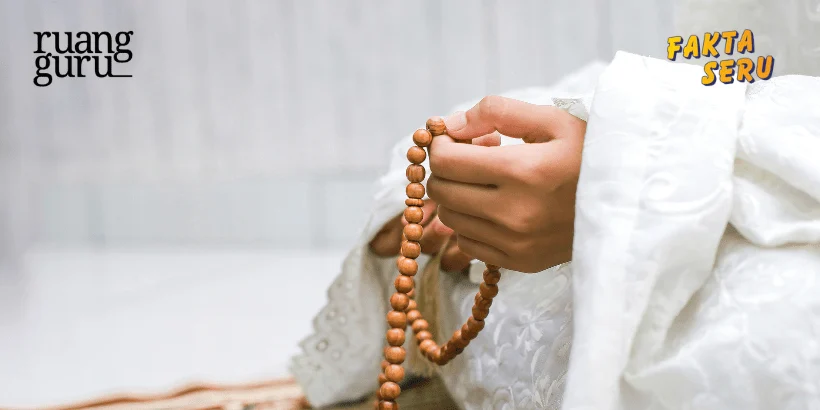
JAKARTA — In the rhythm of modern daily life, where fast-paced schedules and high-pressure environments frequently overwhelm the human psyche, finding moments of stillness can feel like an insurmountable challenge. For millions of Muslims worldwide, however, a reliable sanctuary exists five times a day. Following the completion of the obligatory (fardhu) prayers, a profound tradition offers spiritual grounding: dzikir (remembrance of God).
Far more than a mechanical ritual, dzikir acts as a vital bridge connecting an individual directly to the Divine, serving to center the heart, sharpen moral consciousness, and cultivate psychological resilience in an increasingly unpredictable world.
The Core Concept: Defining Dzikir and Its Universal Relevance
Etymologically rooted in the Arabic term dzakara—which translates to remembering, mentioning, or keeping in mind—dzikir is the active practice of keeping the consciousness of God (Allah SWT) alive within one’s thoughts, heart, and speech.
In Islamic theology, dzikir is not confined to moments of formal worship; rather, it is a comprehensive state of mindfulness. Yet, its most structured and impactful manifestation occurs immediately following the five daily obligatory prayers (sholat fardhu). These moments right after a prayer act as a spiritual anchor, easing the transition from the sacred space of prayer back into the secular demands of everyday life.
Islamic scholars and spiritual counselors emphasize that integrating dzikir into daily routines provides a much-needed psychological reset. By intentionally punctuating the day with declarations of divine praise, gratitude, and supplication, individuals establish a mental barrier against chronic stress, anxiety, and moral fatigue.
Chronology of the Practice: The Prophetic Tradition
To understand the mechanics of post-prayer dzikir, one must look to the established practices (Sunnah) of the Prophet Muhammad (PBUH), as recorded in canonical collections of Hadith such as Sahih Muslim and Sahih al-Bukhari.
Phase 1: Immediate Post-Salam Supplications
The chronological sequence of post-prayer devotion traditionally begins the moment the final salam (the concluding salutation of the prayer) is delivered. Historically, the Prophet Muhammad (PBUH) did not immediately rush away from his prayer mat. Instead, he initiated a sequence focused on seeking forgiveness and acknowledging human limitation, even in the immediate wake of worship.
- The Triple Istighfar: The sequence opens with three consecutive recitations of Astaghfirullah ("I ask Allah for forgiveness"), acknowledging that even a completed prayer may fall short of perfection.
- The Declaration of Peace: Following this, the Prophet (PBUH) recited praises establishing Allah as the source of all peace (Salaam).
Phase 2: Glorification and Counting (Tasbih, Tahmid, Takbir)
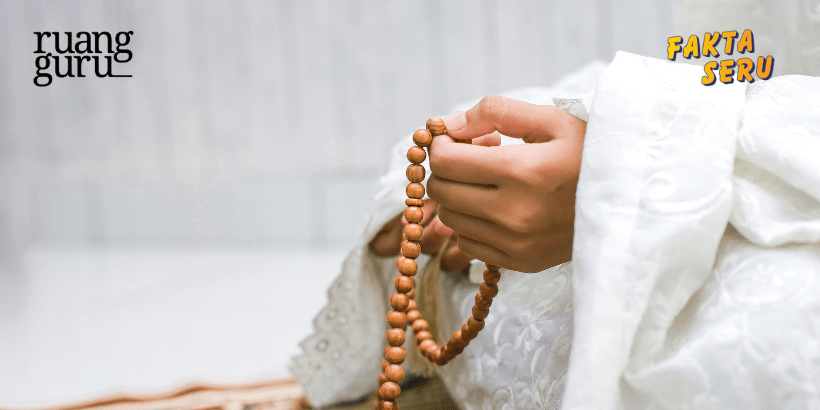
The historical timeline of the ritual then moves into structured praise. Using the fingers of the right hand or traditional counting beads (tasbih), the worshipper engages in a rhythmic enumeration:
- Subhanallah (Glory be to Allah) – 33 times.
- Alhamdulillah (Praise be to Allah) – 33 times.
- Allahu Akbar (Allah is the Greatest) – 33 times.
- The sequence is systematically concluded with a specific foundational statement of absolute monotheism (Tauhid) to complete a total count of one hundred.
Phase 3: Protective Verses and Surahs
The final chronological phase involves the recitation of powerful scriptural anchors, most notably Ayat Kursi (Verse of the Throne from Surah Al-Baqarah) and the three concluding chapters of the Holy Qur’an—known collectively as Al-Mu’awwidhat (Surah Al-Ikhlas, Surah Al-Falaq, and Surah An-Nas). This progression systematically transitions the worshipper from personal supplication into a state of divine fortification and spiritual protection.
Supporting Data and Spiritual Benefits
While dzikir is fundamentally an act of worship aimed at the afterlife, contemporary psychological and sociological observations—alongside classical Islamic texts—highlight its tangible benefits for mental health and personal discipline.

1. Psychological Stabilization and Stress Reduction
In a study on mindfulness and religious practice, mental health professionals have noted that repetitive, meditative vocalizations lower heart rates and mitigate acute anxiety. The rhythmic repetition of phrases like Subhanallah and Alhamdulillah functions similarly to meditative breathing exercises, helping to regulate the nervous system and anchor wandering thoughts.
2. Moral Accountability
Regularly repeating phrases that glorify Allah’s omniscience cultivates a heightened sense of muraqabah (the constant awareness of being watched by the Divine). Studies on moral behavior indicate that individuals who regularly engage in structured daily self-reflection and spiritual reminders exhibit lower rates of unethical decision-making in professional and personal spheres.
3. Spiritual Elevation
According to theological texts, consistent dzikir transforms the human heart. It eradicates spiritual rust—symbolized by arrogance, greed, and despair—and replaces it with contentment (qana’ah) and steadfast faith (iman).
Official Responses and Guidance from Religious Authorities
Islamic educational institutions and religious councils globally consistently issue guidelines emphasizing the flexibility, authenticity, and accessibility of post-prayer dzikir.
Prominent Islamic academic bodies and departments of religious affairs stress that while specific sequences derived from the Sunnah are deeply rewarding, rigidity should not prevent individuals from participating. Religious authorities frequently clarify that:

- Flexibility Exists in Length: While completing the full sequence of tasbih, tahmid, takbir, and scriptural recitations is ideal, short-form dzikir is fully acceptable for individuals facing strict time constraints or urgent responsibilities.
- Authenticity Matters: Believers are consistently urged to rely on verified Hadiths regarding specific wordings rather than unverified cultural innovations (bida’ah).
- Integration with Modern Life: Modern pastoral guidance encourages students and professionals to utilize digital tools, guided applications, and AI-assisted learning platforms to properly memorize and maintain consistency in their daily dzikir practices, bridging ancient traditions with contemporary lifestyles.
Implications for Daily Life and Personal Development
The long-term implications of maintaining a steady habit of post-prayer dzikir extend far beyond the prayer mat.
- Time Management and Mindfulness: Committing three to five minutes post-prayer to dzikir forces modern individuals to pause, counteracting the cultural obsession with frantic multitasking. It teaches the value of intentional slowness.
- Community Cohesion: When performed in congregation at mosques, audible or softly spoken dzikir creates a shared acoustic and spiritual environment, strengthening social bonds and solidarity among community members.
- Resilience in Crisis: Individuals who make dzikir a permanent fixture of their daily routine report a greater capacity to process grief, professional setbacks, and personal trials. By continually reminding themselves that "Allah is the Greatest" (Allahu Akbar) above all earthly concerns, external problems are put into proper perspective.
Ultimately, dzikir serves as an indispensable anchor for the Muslim soul. By transforming routine daily prayers into vibrant, continuous connections with the Creator, believers are equipped to navigate the complexities of the modern world with grace, unshakeable inner peace, and profound moral clarity.