The “Napoleon of the Bataks”: Tuan Rondahaim Saragih Officially Named National Hero of Indonesia
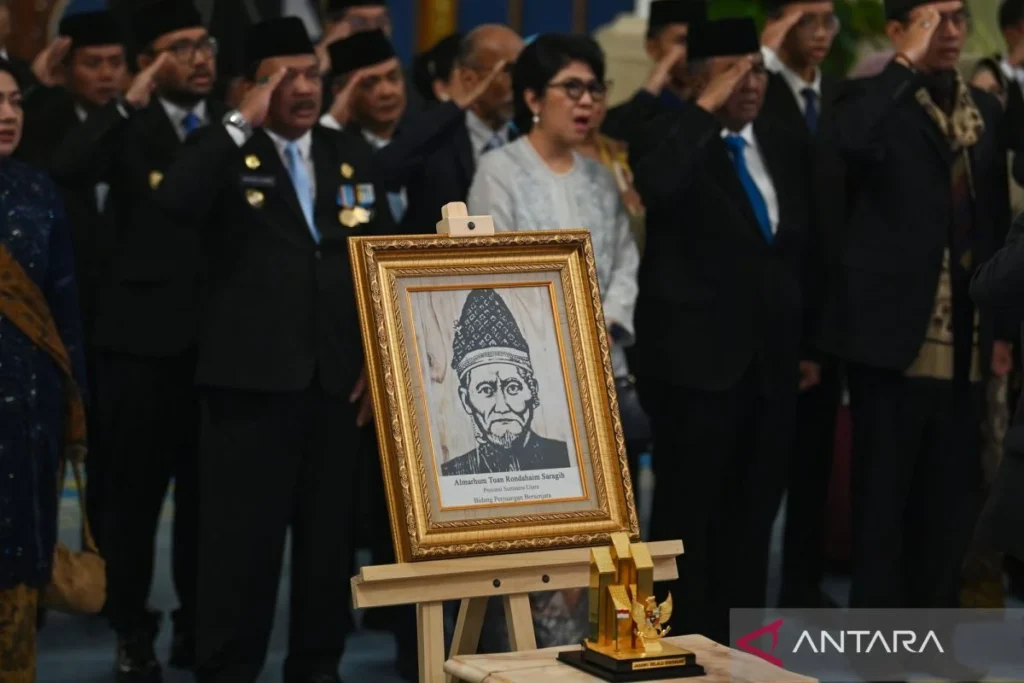
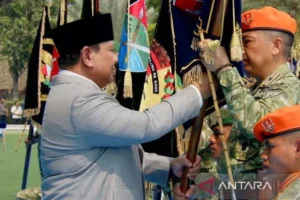
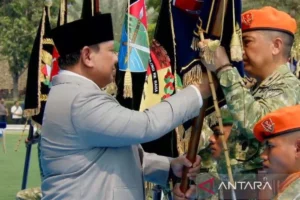
JAKARTA – In a solemn ceremony held at the State Palace on Monday, President Prabowo Subianto officially conferred the title of National Hero (Pahlawan Nasional) upon ten distinguished figures who shaped the history of the Indonesian archipelago. Among the honorees, the recognition of Tuan Rondahaim Saragih, a legendary king from the Simalungun region of North Sumatra, stands out as a long-awaited acknowledgment of his fierce resistance against Dutch colonial forces in the 19th century.
The conferment, formalized through Presidential Decree (Keppres) Number 116/TK/Year 2025, marks the culmination of years of advocacy by the Simalungun community and historical researchers. Tuan Rondahaim, known by the moniker "Napoleon der Bataks" (The Napoleon of the Batak), is celebrated for his unparalleled strategic brilliance and his unwavering refusal to surrender to European colonial powers.
The Legacy of a Warrior King: Who Was Tuan Rondahaim?
Born in 1828 in Simandamei, Sinondang, Pamatang Raya, Tuan Rondahaim Saragih Garingging was a scion of the noble Partuanon Raya family. His life was defined by the turbulent geopolitical landscape of Sumatra during the 1800s, an era when the Dutch East Indies government sought to expand its territorial influence through "pacification" campaigns.
In 1876, he ascended to the throne as the 14th King of Raya (Partuanan Raya), a powerful traditional kingdom that exerted significant cultural and political influence across the Simalungun highlands. Unlike many of his contemporaries who eventually entered into cooperative agreements with the Dutch, Tuan Rondahaim viewed the presence of colonialists as an existential threat to his people’s sovereignty.
The Strategist of Simalungun
Tuan Rondahaim was not merely a ruler; he was a masterful military strategist. His ability to synthesize the strengths of various independent kingdoms—including Siantar, Bandar, Sidamanik, Tanah Jawa, Pane, Raya, Purba, Silimakuta, and Dolok Silou—into a unified anti-colonial front remains a subject of study among modern historians.
His nickname, "The Napoleon of the Bataks," was coined by Dutch observers who were perplexed by his tactical adaptability and his ability to repel superior military force with limited resources. His most significant feat was the daring raid and total destruction of the Dutch military headquarters in Serbelawan. This victory served as a beacon of hope for indigenous resistance across North Sumatra, proving that the colonial military machine was not invincible.
Chronology of Resistance: A Life Defying Empire
To understand the weight of his new title, one must examine the timeline of his life and his defiance against the colonial administration.
- 1828: Born in Simandamei, Pamatang Raya, North Sumatra.
- 1876: Formally inaugurated as the 14th King of Raya. He begins consolidating Simalungun power to counter foreign intrusion.
- 1880s: The peak of his resistance. Tuan Rondahaim leads multiple skirmishes against the Dutch expansionist forces in the Simalungun region.
- 1891: Tuan Rondahaim passes away. He remains the only king from North Sumatra who never surrendered to, nor was ever captured by, the Dutch colonial government during his lifetime.
- 1896: Five years after his death, the Dutch finally exert enough pressure on his successor, his son Sumayan Tuan Kapoltakan Saragih Garingging, to recognize colonial authority.
- 1900: The Dutch fully seize the lands of Simalungun, converting them into massive commercial plantations.
- 1999: Posthumously awarded the Bintang Jasa (Star of Merit) by President B.J. Habibie.
- 2025: Officially designated as a National Hero of Indonesia by President Prabowo Subianto.
Strategic Significance: Why He Remained Unconquered
The historical record regarding Partuanon Raya is unique. It stands as the only kingdom in the Simalungun region that the Dutch could not subjugate while Tuan Rondahaim held the throne. His leadership style was defined by absolute consistency, rigid discipline, and a deep-seated commitment to the welfare of his subjects.
The Dutch military records from the era often reflect a sense of frustration when discussing the Raya kingdom. They described a leader who understood the geography of the Simalungun forests as well as he understood the psychology of his enemies. By the time of his death in 1891, the resistance movement in Simalungun had become so deeply ingrained in the local identity that the Dutch required another five years of intense political maneuvering to finally breach the kingdom’s autonomy.
The tragedy of the post-1891 era—where his son was coerced into submission and the land was partitioned for Dutch plantations—highlights exactly what Tuan Rondahaim had fought to prevent: the exploitation of the Simalungun soil and the displacement of its people.
Official Recognition and Institutional Memory
The path to the 2025 National Hero designation was paved by decades of grassroots efforts. Community organizations, most notably the Partuha Maujana Simalungun (PMS), worked tirelessly to document the historical record and lobby the central government to recognize Tuan Rondahaim’s contributions to the national struggle.
Honoring the Name
Before the official conferment of the National Hero title, the state had already begun to weave his legacy into the public fabric of North Sumatra:
- RSUD Tuan Rondahaim Saragih: The naming of a major public hospital in Pematang Raya serves as a testament to his enduring relevance to the local health and welfare of the Simalungun people.
- Infrastructure: Streets in Pematang Siantar have long borne his name, ensuring that younger generations remain familiar with the figure who once stood as the shield of their ancestors.
- Bintang Jasa (1999): The recognition by President B.J. Habibie in 1999 acted as a precursor to the higher honor, validating his role as a significant figure in Indonesian history.
Implications: The National Hero Title in Modern Indonesia
The elevation of Tuan Rondahaim Saragih to the status of National Hero is more than a symbolic gesture; it is an act of historical synthesis. President Prabowo Subianto’s decision highlights a commitment to recognizing regional heroes who fought not just for their own kingdoms, but for the fundamental principles of sovereignty and anti-colonialism that form the bedrock of the Indonesian Republic.
Impact on National Identity
By honoring Tuan Rondahaim, the government acknowledges that the Indonesian struggle for independence was not a monolithic event confined to Java or the urban centers of the Dutch East Indies. It was a mosaic of regional resistances, each contributing its own unique strategic challenges to the colonial enterprise.
For the Simalungun community, this recognition provides a sense of closure and immense pride. It validates their oral histories and preserves the narrative of a man who, against the tide of the 19th-century colonial expansion, chose to hold his ground until his final breath.
Educational and Research Opportunities
The conferment is expected to trigger a surge in historical research regarding the Simalungun kingdom. Historians now have a mandate to delve deeper into the strategies employed by Tuan Rondahaim, potentially uncovering new archives that could shed light on how he managed to maintain a coalition of kingdoms for so long. This, in turn, will enrich the national curriculum, offering students a more nuanced understanding of how local traditional leaders shaped the destiny of the nation.
Conclusion
As the ceremony at the State Palace concluded, the inclusion of Tuan Rondahaim Saragih among the nation’s greatest figures stands as a reminder that history is written by those who refuse to be forgotten. His life as the "Napoleon of the Bataks" was a testament to the idea that even in the face of an encroaching empire, a leader’s integrity, combined with tactical brilliance, can define the spirit of a people for generations to come.
The title of National Hero is the highest honor the Republic can bestow, and in the case of Tuan Rondahaim, it is an honor that acknowledges a man who, though he lived and died in the 19th century, remains a contemporary champion of the Indonesian soul.