Can You Update Your Electronic ID Card Photo? Understanding the Rules, Procedures, and Official Regulations
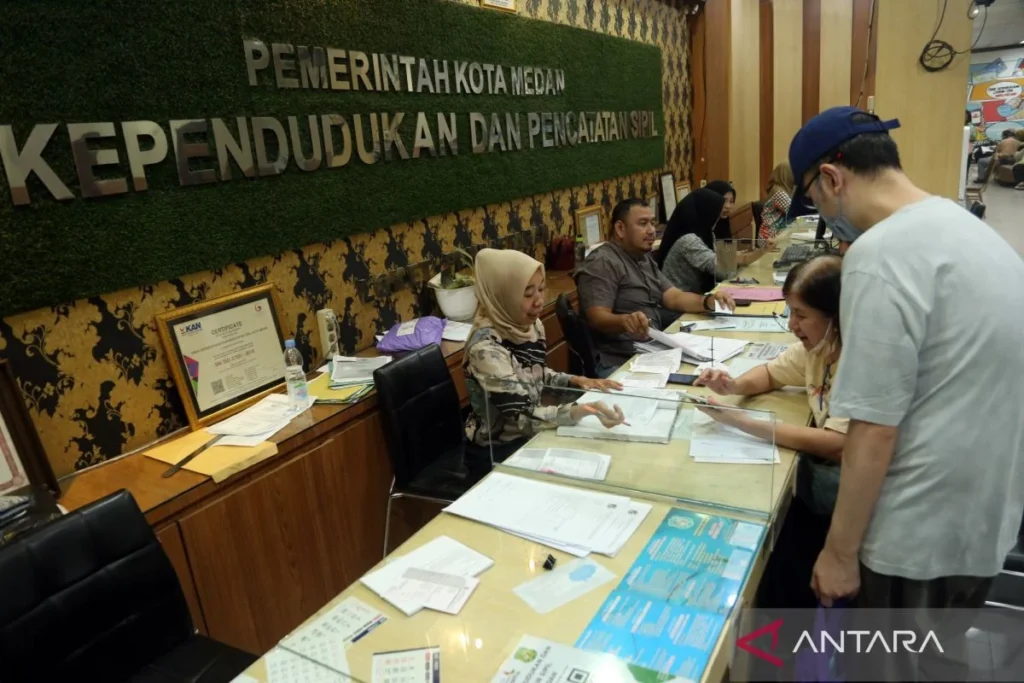
Jakarta — For millions of citizens, the photograph on the electronic Identity Card (KTP-el) serves as the primary visual anchor used to verify identity across public and private sectors. However, as the years pass—marked by the natural aging process, shifts in appearance, or physical alterations—many individuals often find themselves wondering whether their current KTP-el photo still accurately reflects their modern appearance.
This curiosity frequently leads to a common public question: Can the photograph on an electronic ID card be replaced, and under what specific circumstances are such modifications legally and administratively permitted?
While modern digital administration systems offer flexibility in updating population databases, the government maintains strict protocols regarding whether a citizen can simply walk into a local civil registry office and request a new photo just because they dislike how they looked in the previous one.
Main Facts: What the Regulations Say About KTP-el Photo Updates
At its core, the policy governing KTP-el photographs allows for changes, but this does not mean citizens possess the freedom to swap out their pictures at will. Administrative guidelines dictate that photo updates are categorized under demographic data element changes. Consequently, a request to retake and replace an identification photograph cannot be fulfilled merely on aesthetic grounds or personal preference.
According to the Directorate General of Population and Civil Registration (Dukcapil), modifying a KTP-el photograph is restricted to two primary foundational triggers:
- Permanent Physical Alterations: The individual has undergone a significant and lasting transformation in their facial structure or physical appearance since the original photo was captured.
- Physical Damage to the Identity Card: The physical KTP-el card itself has sustained significant damage, warping, or degradation, necessitating the issuance of a completely new card that incorporates an updated capture.
The underlying rationale for these restrictions ties directly to the core purpose of the KTP-el: national security, precise identification, and reliable biometric verification. Because the KTP-el links a citizen’s facial geometry and digital footprint to a centralized database, updates must serve a functional, verifiable purpose rather than a cosmetic one.
The Chronology of Digital Identity and Biometric Evolution in Indonesia
To understand why KTP-el photos cannot be changed casually, it is helpful to look at the historical trajectory of Indonesia’s civil registration system.
- The Transition to Digital (Early 2010s): Indonesia initiated the ambitious rollout of the electronic ID card system to replace the old, paper-based national identity documents. This transition was designed to eliminate dual identities, curb fraud, and create a centralized demographic database driven by biometrics—including fingerprints, iris scans, and facial photographs.
- The Standardization Phase: During the initial mass-recording waves, millions of citizens rushed to sub-district offices (Kecamatan) or Dukcapil outlets. Due to high volumes, lighting inconsistencies, and rudimentary early-generation camera setups, many early KTP-el photos yielded suboptimal aesthetic results.
- The Policy Refinement Era: As the system matured into the 2020s, Dukcapil offices across various regions began fielding an influx of requests from citizens wanting to change their photos simply because they felt they looked better or wanted a more recent snapshot. In response, regional and national authorities issued strict clarifications emphasizing that the KTP-el is an official state security document, not a passport or social media profile picture.
- Modern Integration and Localized Services (2026): By 2026, local government agencies—such as the Tangerang City Dukcapil and various provincial offices—have streamlined the renewal workflows. They have synchronized physical card printing with mandatory data validation protocols, allowing citizens who genuinely meet the criteria to update their information smoothly without overwhelming administrative bottlenecks.
Supporting Data and Specific Conditions for Replacement
Not all life changes qualify a citizen for a new KTP-el photo. Officials categorize valid requests into three specific operational scenarios:
1. Permanent Physical Changes
If an individual experiences a permanent physical change that radically alters their facial features—such as severe scarring from accidents, major reconstructive surgery, or significant physiological transformations—the existing photograph no longer serves its primary purpose of quick visual identification. In such cases, a new capture is legally justified.
2. Physical Deterioration of the Card
Over years of storage in wallets, exposure to magnetic fields, or standard wear and tear, the physical KTP-el can crack, fade, or delaminate. When a citizen applies for a replacement card due to structural damage, the local Dukcapil office will typically execute a fresh photo capture during the reprinting process to ensure the new document features the highest possible clarity.
3. Verification and Biometric Integrity
The KTP-el system functions through a secure digital architecture. When automated border control systems, banking institutions, or digital verification gateways scan a KTP-el, they cross-reference the stored biometric data. If a person’s physical appearance has drifted so far from the original record that automated cross-matching fails, updating the photograph becomes a technical necessity to maintain database integrity.
Conversely, wanting a new photo because of a bad hair day, poor lighting in the original shot, or simply growing older under normal, gradual aging conditions without stark facial shifts will generally be turned away by civil servants. The system relies on gradual biometric progression algorithms that account for natural aging, meaning routine age progression alone does not mandate a physical photo retake unless requested during a mandatory card renewal milestone (if applicable) or under the aforementioned damage/permanent alteration rules.
Official Responses and Administrative Procedures
Navigating the bureaucratic pathway to request a KTP-el modification requires strict adherence to official procedures established by the Ministry of Home Affairs and executed through regional Dukcapil offices.
Official Stance on Cosmetic Requests
National population officials have repeatedly reminded the public that the KTP-el is a legal state security document. Representatives from local Dukcapil branches emphasize that administrative resources must be prioritized for essential public services, demographic updates (such as changing addresses, marital status, or employment), and new voter registrations. Allowing millions of citizens to alter their photos purely for aesthetic satisfaction would paralyze local civil registry operations.
Step-by-Step Guide to Updating a KTP-el Photo
For citizens who genuinely meet the criteria—such as having a damaged card or a permanent physical change—the procedure involves specific administrative steps:
- Prepare Required Documents: While technical prerequisites can vary slightly depending on regional regulations, standard requirements typically include:
- The original Family Card (Kartu Keluarga / KK).
- The damaged or old KTP-el (in cases of physical damage or replacement).
- Supporting letters or medical documentation if the change is due to a major, permanent physical transformation or accident.
- Visit the Local Dukcapil Office: Citizens must visit their designated district Dukcapil office or authorized service booths. Unlike initial mass recordings which could sometimes be done via mobile village units, specific data modifications often require direct terminal access at official civil registry offices.
- Data Verification and System Entry: Officers will review the submitted paperwork and verify the applicant’s identity within the Population Administration Information System (SIAK).
- New Biometric Capture: Once the request is approved based on valid criteria, the applicant will be directed to the photography booth. Unlike independent photo submissions where citizens bring external prints or digital files, the new photo must be taken directly by Dukcapil officers using official, standardized government equipment to ensure compliance with biometric formatting rules.
- Card Printing and Issuance: Following the capture, a new KTP-el is printed and issued reflecting the updated data elements.
Note on Regional Variations: Because local government implementations can introduce minor procedural differences, citizens are strongly advised to check the official social media channels or website of their local municipal Dukcapil (e.g., Disdukcapil Tangerang, Jakarta, Magetan, etc.) to confirm specific operational hours and document checklists before making a trip.
Implications for Public Compliance and Administrative Efficiency
The strict regulation surrounding KTP-el photo updates carries several broad implications for both individual citizens and the broader state administration:
1. Upholding National Security and Anti-Fraud Measures
By preventing arbitrary photo changes, the government maintains the integrity of the Single Identity Number (Nomor Induk Kependudukan / NIK) ecosystem. If individuals could swap photos freely, it would introduce vulnerabilities that malicious actors could exploit to commit identity theft, bypass financial Know-Your-Customer (KYC) protocols, or evade law enforcement tracking.
2. Managing Bureaucratic Workloads
Indonesia’s Dukcapil offices handle hundreds of millions of administrative transactions annually, ranging from birth and death certificates to marriage registrations and address changes. Restricting photo updates to verifiable necessity prevents local offices from becoming overwhelmed by non-essential cosmetic requests, ensuring that civil servants can dedicate adequate time to high-priority public services.
3. Public Education and Awareness
A persistent challenge for civil registration agencies is dispelling misinformation circulating online—ranging from myths about tracking chips embedded in ID cards to misconceptions about instant administrative rights. Clear communication regarding photo policies educates the public, reducing friction at public service counters and fostering a culture of compliance with national administrative laws.
Conclusion
Ultimately, while the photograph on an electronic identity card is not permanently locked in stone for a lifetime, changing it requires meeting explicit legal and physical criteria. Citizens who have experienced permanent physical alterations or whose cards are physically damaged can successfully update their images by filing a formal request with their local Dukcapil office and following regional administrative guidelines. For everyone else, embracing the existing photo as an official record of state identity remains the standard protocol in Indonesia’s evolving digital governance landscape.