
The Fragile Wings of Biodiversity: Why the Decline of Butterflies Signals an Ecological Crisis
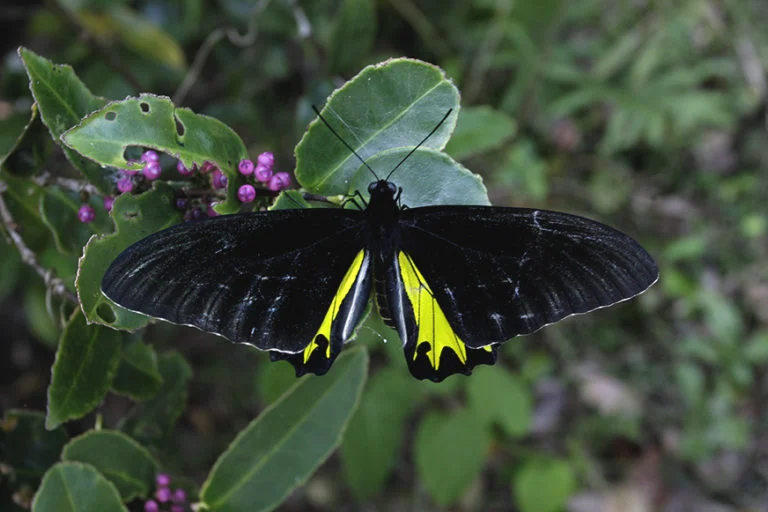
The butterfly is often dismissed as a mere ornamental inhabitant of our gardens—a delicate flicker of color against the greenery. Yet, beneath this fragile exterior lies an ecological linchpin. Butterflies are sophisticated pollinators, vital components of the trophic web, and, perhaps most importantly, sensitive "canaries in the coal mine" whose presence—or absence—serves as a high-fidelity indicator of environmental health.
As industrialization, chemical intensification in agriculture, and habitat fragmentation accelerate, the silent decline of butterfly populations has become a clarion call for environmentalists worldwide. From the sprawling, extractive-heavy landscapes of East Kalimantan to the restricted, endemism-rich pockets of Bali, the message is clear: when the butterflies stop flying, the ecosystem begins to fray.
The Ecological Imperative: Why Butterflies Matter
Butterflies serve as both pollinators and prey. While bees often take the spotlight in agricultural discussions, butterflies are indispensable for the reproduction of various wild plant species. Their unique morphology allows them to reach nectar in flowers that other insects might bypass, facilitating cross-pollination across vast distances.
Beyond pollination, butterflies occupy a critical middle tier in the food chain. As larvae (caterpillars) and adults, they provide a primary protein source for birds, spiders, small mammals, and predatory insects. A collapse in butterfly numbers creates a "bottom-up" shockwave, destabilizing the predators that rely on them and the plants that depend on them for propagation.
Chronology of a Silent Crisis
The trajectory of butterfly decline is not a sudden event, but a cumulative process spanning the last several decades.
- 1990s – Early 2000s: The Rise of Industrial Agriculture. The global push for increased crop yields led to a drastic surge in the use of neonicotinoids and broad-spectrum pesticides. These chemicals, designed to eliminate "pests," inadvertently decimated butterfly larvae and suppressed the immune systems of adults.
- 2010 – Present: The Extractive Boom. In regions like East Kalimantan, the expansion of coal mining and oil palm plantations has led to massive deforestation. This period saw the fragmentation of primary rainforests into isolated patches, making it impossible for many butterfly species to migrate or find mates.
- 2020 – The Pandemics and Conservation Setbacks. During the global health crisis, field research and conservation monitoring faced severe interruptions. However, it also sparked a surge in "citizen science," as local communities began documenting biodiversity in their own backyards, leading to a newfound appreciation for local insect populations.
- 2024 – The Critical Threshold. Current data suggests that many endemic species, such as the Bali Barong butterfly (Attacus atlas variants and local endemic Papilionidae), are facing a "bottleneck" where their genetic diversity is so restricted that any further habitat loss could trigger local extinction.
Supporting Data: The Magnitude of the Threat
The data painting this picture is stark. Studies conducted in tropical hotspots indicate that butterfly diversity in regions heavily impacted by monoculture plantations is nearly 60% lower than in primary forests.
The Case of Endemism
Endemic species are the most vulnerable. Consider the Kupu-kupu Barong (Atlas moth/Barong butterfly) in Bali. These insects are hyper-specialized; they require specific host plants and climatic conditions that exist only in small, dwindling areas of the island. Unlike generalist species that can adapt to urban environments, these endemic populations are trapped. If their specific forest patch is cleared for tourism or infrastructure, they have nowhere to retreat.
Chemical Saturation
Soil samples from agricultural belts in Southeast Asia frequently show concentrations of organophosphates that exceed safe levels for insect life. These chemicals persist in the soil, affecting the subterranean pupal stages of butterflies, essentially killing the next generation before they ever take flight.
Official Responses and Policy Gaps
Governments are beginning to acknowledge the decline, though policy responses remain sluggish.
In Indonesia, the Ministry of Environment and Forestry (KLHK) has initiated several protected area schemes. However, environmental lawyers point to a "policy paradox": while national parks are protected on paper, the buffer zones surrounding them are often opened up for mining or timber concessions.
"Conservation cannot happen in a vacuum," says Dr. Aris Wahyudi, a biodiversity researcher. "We are designating ‘islands’ of protection while the surrounding ‘ocean’ of habitat is being poisoned by chemical runoff and industrial expansion. A butterfly does not recognize park boundaries. If it flies across the line into a plantation, it enters a death trap."
Recent initiatives have pushed for:
- Mandatory Buffer Zones: Increasing the distance between extractive sites and protected butterfly habitats.
- Integrated Pest Management (IPM): Incentivizing farmers to move away from synthetic pesticides toward biological alternatives.
- Citizen Science Integration: Incorporating data from local volunteers into national biodiversity databases to create more accurate mapping of butterfly populations.
Implications: A World Without Wings
The implications of a landscape devoid of butterflies extend far beyond aesthetics.
Disrupted Pollination Cycles
Many native plants are pollinated exclusively by specific species of moths or butterflies. If these pollinators disappear, these plants face reproductive failure. This leads to a decline in plant diversity, which in turn affects the soil stability and water retention capacity of the forest.
Trophic Cascades
When the primary consumers (insects) vanish, the higher levels of the food chain feel the impact. Migratory birds that rely on caterpillars to feed their young during nesting seasons are already showing signs of population decline in regions where butterfly numbers have dropped.
The Loss of Cultural and Scientific Heritage
For cultures like those in Bali, the butterfly is often a symbol of transformation and spirituality. Losing these species is not just an ecological loss; it is a cultural impoverishment. Furthermore, every time a species goes extinct, humanity loses potential scientific insights—such as the unique chemical compounds in their wings that could inspire new materials or medical breakthroughs.
The Role of Citizen Science: Turning the Tide
Despite the bleak outlook, there is a burgeoning movement of "citizen scientists." From community-led butterfly parks to local conservation groups using mobile apps to report sightings, the defense of these insects has become a grassroots endeavor.
These initiatives are critical for three reasons:
- Scale: Professional biologists cannot monitor every hectare of forest. Local volunteers provide the "eyes on the ground" needed to track population trends.
- Awareness: When people are involved in counting and protecting butterflies, they become stewards of their local environment, often leading to better land-management practices in their own communities.
- Pressure: Data collected by citizens has been successfully used to challenge illegal logging and land-clearing projects in court.
Conclusion: The Flight Path Forward
The fate of the butterfly is intrinsically linked to our own. We are currently presiding over a period of accelerated extinction, and the disappearance of these insects is a clear warning that our current industrial and agricultural models are unsustainable.
Protecting butterflies requires a two-pronged approach: rigorous, science-based policy that curbs extractive expansion in critical habitats, and a cultural shift toward "insect-friendly" land management. Whether it is the restoration of native plant corridors or the radical reduction of chemical pesticides, the work must begin immediately.
As we look toward the future, the question remains: will the next generation inherit a world where the skies are still bright with the flight of butterflies, or will we leave them a silent, broken landscape? The choice is not merely for the insects—it is for the health and stability of the planet that sustains us all. The work being done today in gardens, laboratories, and local conservation units is the only thing currently keeping these wings aloft. We must ensure that their flight continues.







