
Shadow Networks Unmasked: The Tragic Smuggling of Five Orangutan Infants to India
By Investigative Desk
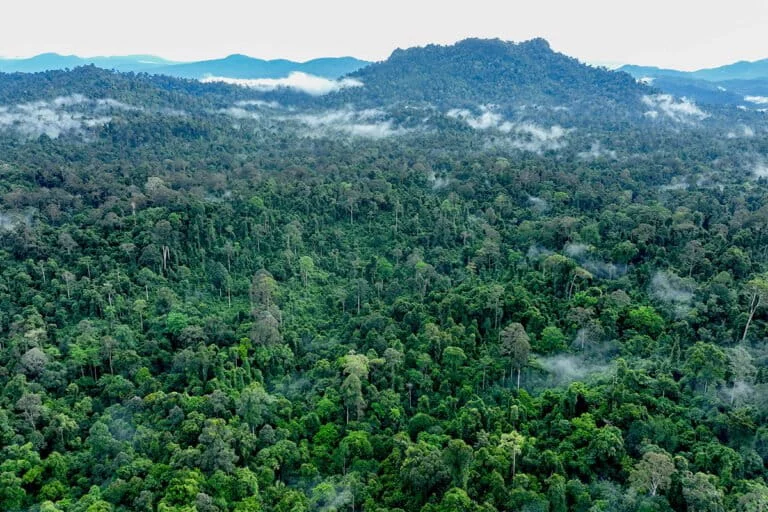
The discovery of five baby orangutans in India on September 8, 2026, has sent shockwaves through the global conservation community, exposing a sophisticated and ruthless illegal wildlife trade network that spans continents. This incident is not merely a localized crime; it is a grim indicator of a highly organized, transnational syndicate that views endangered species as high-value commodities. As authorities scramble to trace the origins of these animals, the case has reignited urgent calls for deeper international cooperation between Indonesia and India to dismantle the chains of exploitation that threaten the survival of the critically endangered Sumatran orangutan (Pongo abelii).
The Discovery: A Glimpse into a Global Crime Syndicate
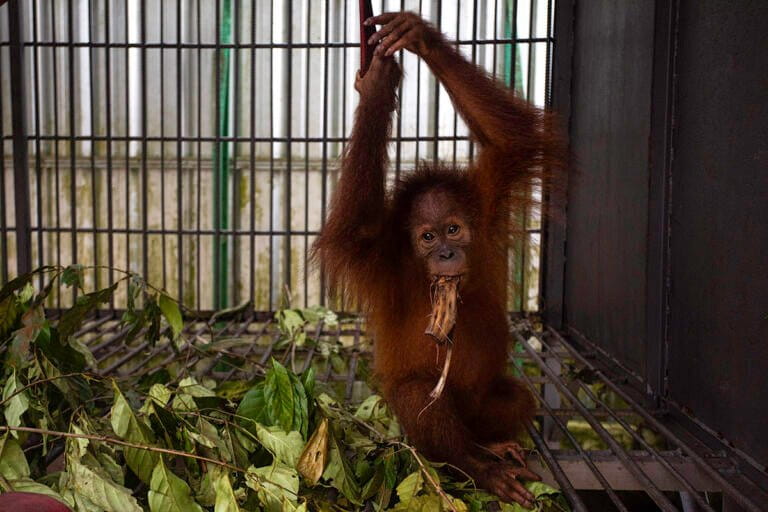
On September 8, 2026, wildlife authorities in India recovered five infant orangutans, marking a significant development in the fight against illegal wildlife trafficking. The infants, estimated to be between one and one-and-a-half years old, were found in conditions that experts describe as harrowing. They are currently being cared for at the Nandankanan Zoological Park in Bhubaneswar, India, where they are undergoing medical evaluations.
Dwi Nugroho Adhiasto, a senior advisor at Scents and a renowned expert in wildlife trade, noted that visual observations by practitioners and wildlife rescue experts strongly suggest that the infants are indeed Sumatran orangutans. "While the preliminary visual assessment points to them being Pongo abelii, we must remain cautious. Final confirmation requires rigorous scientific analysis, including DNA testing, to determine their exact genetic origin," Adhiasto stated.
The discovery has provided law enforcement with a rare opportunity to map the logistics of the wildlife trade. Smuggling primates of this age across multiple international borders requires immense logistical coordination—including specialized transport, safe houses for transit, and a network of corrupt intermediaries capable of bypassing customs at various checkpoints.
The Transnational Pipeline: From Aceh to India
For years, investigations have indicated that India has evolved from a destination market into a critical transit hub for wildlife smuggled from Indonesia. The routes are as complex as they are devastating.
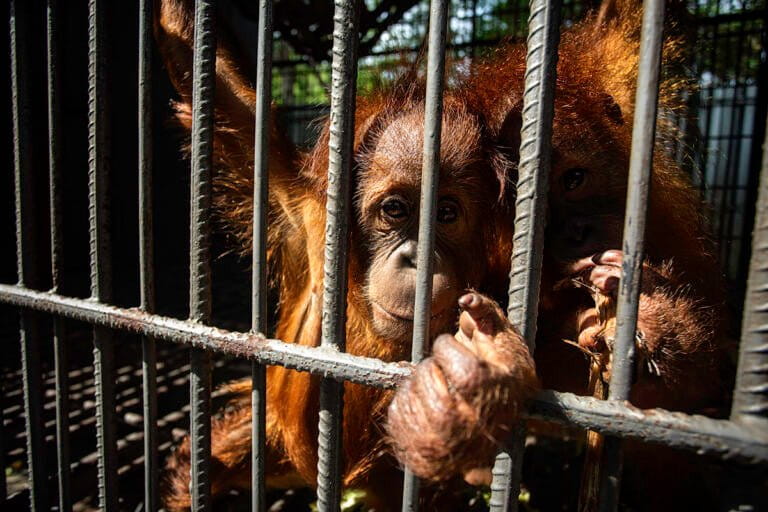
According to intelligence reports, the illicit pipeline often begins in the forests of Sumatra, particularly in Aceh. Once captured, the infants are transported by sea, often using high-speed boats (speedboat) to navigate the treacherous waters between the coast of East Aceh and Satun, Thailand. From Thailand, the trail typically moves overland through Myanmar, crossing into Bangladesh, and finally infiltrating the eastern regions of India, such as Odisha and Mizoram.
"Odisha and Mizoram serve as vital transit nodes," explains Adhiasto. "These locations are used to consolidate shipments before the animals are moved to final buyers, who are often private collectors or high-end exotic pet markets in international capitals. Moving five infants simultaneously is not the work of a lone poacher; it requires a deep-pocketed syndicate with the infrastructure to facilitate clandestine logistics across four or five different national borders."
Evidence from past investigations supports this chilling reality. In October 2025, an interview with an incarcerated wildlife trafficker, known by the alias "Safri," revealed the extent of these operations. Safri confessed to facilitating the transport of Sumatran orangutans, as well as siamangs and rare birds, from Aceh to Thailand. He described a system where "tokes" (kingpins) in both Indonesia and Thailand coordinate schedules, manage bribes, and ensure the "cargo" moves seamlessly through porous borders.
Official Responses and the Quest for Accountability
The Indonesian Ministry of Forestry has treated this incident with high priority, signaling a shift toward more proactive transnational enforcement. Ristianto Pribadi, Head of the Bureau of Public Relations and Foreign Cooperation at the Ministry of Forestry, emphasized that the investigation is now cast wide, targeting the entire supply chain.
"Our investigation is not limited to those who were caught with the infants in India," Pribadi said. "We are meticulously tracing the chain back to the hunters who snatched them from the wild, the middlemen who held them in safe houses, the financiers who funded the operations, and the transporters who navigated the sea and land routes."
The Ministry has pledged to coordinate closely with the Indian government and the CITES Secretariat to ensure that justice is served. Central to this effort is the commitment to repatriate the infants to Indonesia, provided their health and safety can be guaranteed. "We are conducting scientific examinations, including DNA analysis, to confirm their provenance. If we find that Indonesian citizens are involved, we will prosecute them to the fullest extent of the law," Pribadi added.
The Human Cost: The Irreplaceable Role of the Mother
Beyond the legal and geopolitical implications lies the profound biological tragedy of the infants themselves. Syafrizaldi Jpang, Director of the Yayasan Orangutan Sumatera Lestari–Orangutan Information Centre (YOSL-OIC), highlighted the extreme vulnerability of these young primates.
"An orangutan under two years old is entirely dependent on its mother," Jpang explained. "In the wild, the mother is not just a provider of milk; she is a tutor, a protector, and a sanctuary. She teaches her young everything: how to identify seasonal fruits, how to build nests, how to navigate the canopy, and how to use basic tools to forage. This learning process takes years—usually until the offspring is six to nine years old."
In the context of the illegal trade, the capture of a baby almost always implies the death of the mother. Because female orangutans are fiercely protective, poachers are often forced to kill them to reach their young. When the mother dies, the infant loses its only connection to its culture and survival skills.
"Human caregivers, no matter how dedicated, can never fully replace a mother," says Jpang. "We can provide medicine, food, and security, but we cannot replicate the emotional warmth, the complex body language, or the specific maternal guidance required for an orangutan to survive in the wild."
Long-term Recovery: A Decade of Rehabilitation
The road to recovery for these five infants will be exceptionally long and arduous. Rehabilitation programs for rescued orangutans are designed to last between seven and ten years, mirroring the time they would have spent with their mothers.
"If these are indeed Sumatran orangutans, their journey home is only just beginning," Jpang noted. "Even after years of intensive care, the transition to the wild is a massive hurdle. We have been running rehabilitation centers for years, and we know that the trauma of separation and the loss of natural maternal education leave deep, lasting scars."

The fact that these five infants were taken at such a young age suggests they were targeted specifically for their "cuteness" and manageability in the illegal pet trade. This cycle of demand is what keeps the poachers active in the Leuser Ecosystem and other critical habitats.
The Path Forward: Breaking the Chain
The case of the five infants in India serves as a stark warning: the illegal wildlife trade is becoming more daring and better organized. To combat this, several strategies are now being prioritized by international experts:
- Enhanced Border Surveillance: Authorities must focus on known hotspots, particularly the maritime routes of Aceh. Increased coordination between the Indonesian Navy, Coast Guard, and their Thai and Indian counterparts is essential to choke off the supply routes.
- Intelligence-Led Policing: Moving beyond individual arrests, law enforcement must focus on the "architects" of these networks—the financiers and kingpins who operate behind the scenes. This involves tracking financial flows and digital communications between traffickers.
- Community Engagement: Conservationists argue that preventing the trade at the source is the only sustainable solution. This means empowering local communities around habitats like the Leuser Ecosystem to act as forest guardians rather than victims of poaching syndicates.
- Strict Global Enforcement: CITES must be leveraged to hold transit and destination countries accountable. If India and other transit hubs enforce stricter penalties for illegal wildlife possession, the risk-to-reward ratio for traffickers will shift, potentially deterring future shipments.
As the five infants continue their recovery in Odisha, their presence serves as a silent, powerful reminder of the urgency of the situation. The world is watching to see if the governments of Indonesia and India can turn this tragedy into a catalyst for change. The illegal trade in Sumatran orangutans is a race against time—one that we are currently losing. Every infant saved from the clutches of a trafficker is a victory, but the true measure of success will be when the forests are safe enough that no infant ever has to be rescued again.
The investigation continues, and as the DNA results are awaited, the world waits for justice for the five who were stolen from the wild, and for the thousands of others who remain in the shadows of the global wildlife trade.







