International Day of Democracy: Safeguarding Civic Space, Human Rights, and the Future of Global Governance
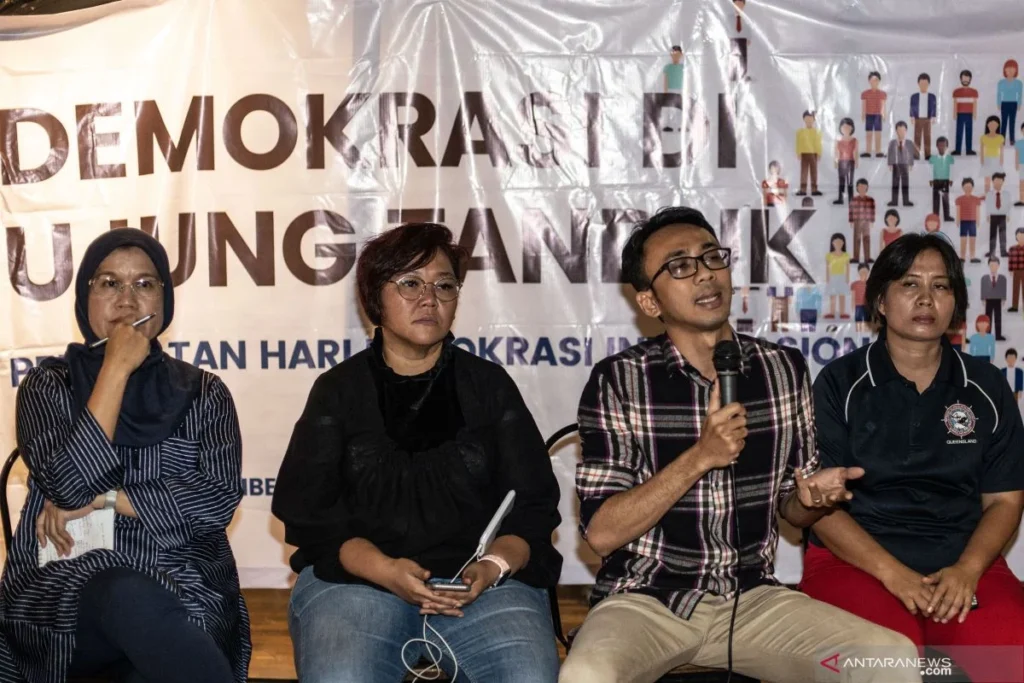
Jakarta – Every 15th of September, the global community observes the International Day of Democracy, serving as a vital annual reminder of the central role democracy plays in statecraft, national development, and human dignity. This global observance transcends a mere ceremonial milestone; it functions as a critical juncture for governments, civil society organizations, and citizens worldwide to evaluate the health of democratic institutions, reaffirm commitments to fundamental freedoms, and address the multifaceted challenges threatening modern governance.
In an era defined by rapid technological shifts, polarized political landscapes, and evolving threats to civic space, the International Day of Democracy provides an essential platform to advocate for inclusive participation, transparency, and the rule of law.
Main Facts: The Essence and Scope of the International Day of Democracy
At its core, the International Day of Democracy is dedicated to promoting and upholding the principles of democratic governance. Established by the United Nations General Assembly, the day highlights that democracy is not merely a static system of holding periodic elections, but a dynamic, continuous process centered on the will of the people and the protection of their fundamental rights.
Core Pillars of Democracy
According to international standards championed by the UN and various democratic bodies, a robust democracy rests upon several interconnected pillars:
- Citizen Participation: Active, inclusive, and meaningful involvement of all citizens in public life and decision-making processes, extending far beyond the ballot box.
- Rule of Law: The principle that all individuals, institutions, and entities—including the state itself—are accountable to laws that are publicly promulgated, equally enforced, and independently adjudicated.
- Human Rights and Fundamental Freedoms: The guarantee of civil liberties, including freedom of expression, freedom of assembly, freedom of the press, and freedom of thought.
- Accountability and Transparency: Mechanisms ensuring that governing authorities remain responsive to the populace, manage public resources responsibly, and operate transparently.
- Equality and Non-Discrimination: Equal protection under the law for all segments of society, regardless of race, gender, socioeconomic status, or political affiliation.
The observance underscores that while democratic models may vary across different cultural and historical contexts, the universal aspirations for dignity, justice, and a voice in public affairs remain constant.
Chronology: The Historical Evolution of the Global Observance
The formal establishment of the International Day of Democracy was the culmination of decades of international advocacy aimed at strengthening democratic norms globally following the Cold War and the expansion of democratic transitions across Latin America, Eastern Europe, Africa, and Asia.
Key Milestones in Democratic History:
- September 1997: The Inter-Parliamentary Union (IPU)—the global organization of national parliaments—adopts the Universal Declaration on Democracy in Cairo, Egypt. This landmark text articulates the essential elements, values, and institutional requirements of a democratic state. It asserts that democracy is a universally recognized ideal rooted in principles common to all peoples, regardless of cultural, political, social, or economic differences.
- November 8, 2007: Building upon the framework of the IPU declaration and recognizing the need for a unified global push toward democratic consolidation, the United Nations General Assembly formally adopts Resolution 62/7. This resolution officially invites member states, organizations of the UN system, regional bodies, and civil society to commemorate the day annually.
- September 15, 2008: The world marks the inaugural International Day of Democracy. The choice of September 15 directly honors the anniversary of the adoption of the IPU’s Universal Declaration on Democracy.
- 2008–Present: Over nearly two decades, the observance has evolved into a global movement. Each year, the UN and international partners focus on specific themes—ranging from youth engagement and artificial intelligence in politics to climate governance and strengthening local institutions—to address contemporary pressures on democratic systems.
Supporting Data: Modern Challenges and the Digital Public Sphere
While the formal adoption of democratic systems expanded significantly during the late 20th century, contemporary data and geopolitical assessments from international democracy watchdogs indicate a period of democratic stagnation, and in some regions, democratic regression.
The Digital Frontier and Information Integrity
In the contemporary landscape, the primary battleground for democracy has shifted heavily into the digital domain. Modern information ecosystems dictate how citizens formulate opinions, mobilize, and hold leaders accountable.
- The Promise of Connectivity: Digital technologies and social media platforms have democratized information access, giving marginalized voices unprecedented reach and enabling rapid civic mobilization.
- The Peril of Misinformation and Disinformation: Conversely, the unregulated proliferation of fake news, coordinated disinformational campaigns, and targeted algorithmic manipulation poses a profound threat to democratic integrity. Independent studies consistently demonstrate how sensationalized falsehoods spread faster and wider than verified reporting, distorting public discourse.
- Hate Speech and Polarization: Algorithmic bias often rewards extreme content, exacerbating societal polarization, eroding trust in public institutions, and marginalizing rational political debate.
The Universal Declaration on Human Rights and Civic Space
Under Article 19 of the Universal Declaration of Human Rights (UDHR), everyone has the right to freedom of opinion and expression. This right includes freedom to hold opinions without interference and to seek, receive, and impart information and ideas through any media regardless of frontiers.
However, restrictions on civil society space—ranging from restrictive legislative frameworks on non-governmental organizations to digital surveillance and censorship—continue to challenge the practical realization of these rights globally. Data compiled by international human rights monitors underscores that the safety of journalists, human rights defenders, and active citizens remains a critical indicator of a society’s democratic health.
Official Responses and Perspectives from Global Leadership
Governments, intergovernmental bodies, and civil society leaders utilize the International Day of Democracy to issue policy directives, renew institutional commitments, and issue calls to action.
United Nations Leadership
In past declarations and statements surrounding the International Day of Democracy, UN leadership has consistently emphasized that democracy cannot be sustained from the top down; it requires constant civic nourishment.
UN officials have frequently stressed:
"Democracy is a shared value based on the freely expressed will of people to determine their own political, economic, social, and cultural systems, and their full participation in all aspects of life. Yet, democracy is facing unprecedented headwinds. To safeguard our shared future, we must recommit to building inclusive, resilient institutions that listen to the people."
Civil Society and Parliamentary Action
The Inter-Parliamentary Union (IPU) and various national parliaments use the occasion to evaluate legislative frameworks that protect civic liberties. Lawmakers worldwide increasingly debate how to balance national security and public safety with the protection of fundamental freedoms, particularly in the regulation of digital technologies and AI deployment in public administration.
Civil society organizations (CSOs) also leverage the day to launch public awareness campaigns focusing on media literacy, voter education, and grassroots community organizing, reinforcing the premise that an educated and critically thinking populace is the ultimate guardian of democratic governance.
Implications: Securing the Democratic Future
The ongoing observance of the International Day of Democracy carries profound implications for policy, society, and international relations.
1. Strengthening Institutional Resilience
Institutions—including independent judiciaries, electoral commissions, legislative bodies, and free media outlets—must be continually defended against executive overreach, corruption, and political polarization. Strengthening these checks and balances ensures that governance remains accountable even during systemic crises, such as economic downturns or public health emergencies.
2. Promoting Media and Information Literacy
As the information ecosystem grows increasingly complex, societies can no longer rely solely on top-down content moderation. Cultivating media literacy across all demographic segments—especially among youth—is imperative. Empowering citizens to critically evaluate sources, identify manipulated content, and reject divisive narratives fortifies the public square against external and internal manipulation.
3. Fostering Inclusive Participation
True democratic consolidation requires the active inclusion of historically marginalized groups, including women, youth, indigenous populations, and rural communities. Policies that lower barriers to political participation and ensure equitable representation enrich the policy-making process and restore public faith in democratic institutions.
4. Responsiveness to Global Crises
Ultimately, the longevity of democracy depends on its tangible delivery of public goods. Democracies must prove capable of addressing existential global challenges—such as economic inequality, technological disruption, and climate change—while safeguarding human rights. When democratic governance successfully balances responsiveness with accountability, it secures the enduring trust of the governed.
As nations look toward future observances, the International Day of Democracy remains a powerful reminder: democracy is not a permanent achievement, but an ongoing, generational commitment requiring eternal vigilance, active civic participation, and unwavering dedication to justice and human dignity.