West Jakarta Intensifies Tuberculosis Campaign: Over 42,000 Suspected Cases Screened in Push for 2030 Elimination Target
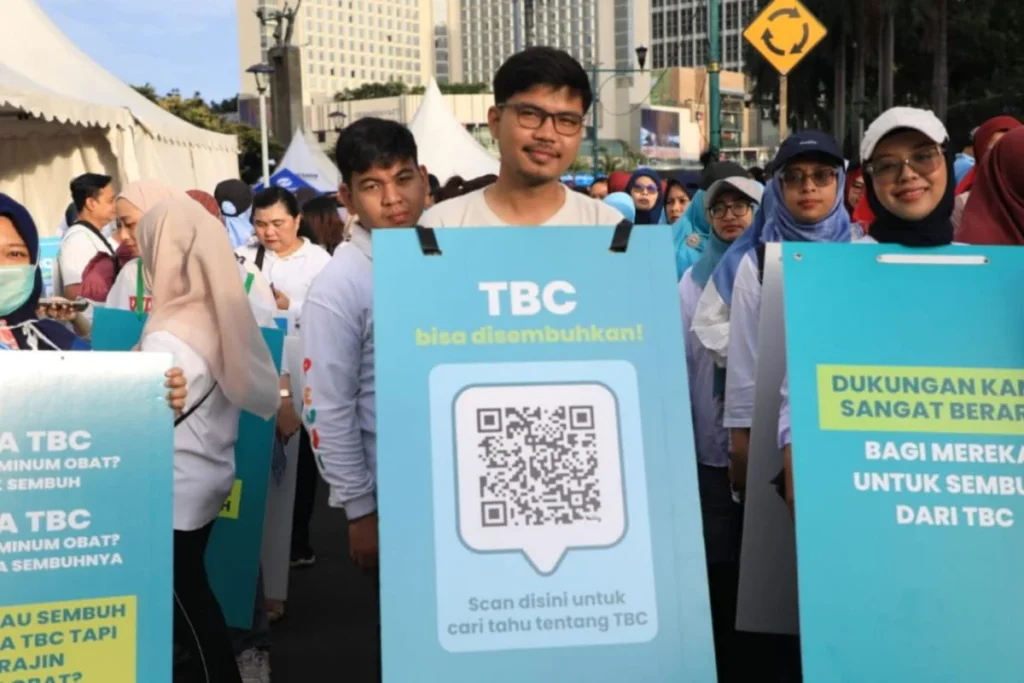
JAKARTA — The West Jakarta Municipal Administration (Pemkot Jakbar) has significantly intensified its systematic campaign to combat tuberculosis (TB). This localized public health offensive is part of a broader national and provincial mandate to eradicate the infectious disease. Through aggressive active screening, community-level interventions, and modernized diagnostic protocols, municipal health authorities are working to locate, treat, and prevent the spread of the disease across one of Jakarta’s most densely populated administrative cities.
According to recent monitoring data released by the West Jakarta Health Sub-department (Suku Dinas Kesehatan Jakarta Barat), the municipality has made substantial progress in identifying suspected cases and initiating standardized medical care. Between January 1 and July 20, 2026, local health services successfully provided standardized clinical assessments to 42,826 patients suspected of carrying the disease. This surge in screenings reflects a coordinated effort to transition from passive clinical waiting to active, community-based case-finding.
Main Facts of the West Jakarta TB Campaign
The campaign to eliminate tuberculosis in West Jakarta is built on aggressive diagnostic tracking, rigorous clinical follow-ups, and community mobilization. The primary metrics of the program highlight the scale of the current public health intervention:
- Suspected Cases Managed: A total of 42,826 individuals suspected of having tuberculosis underwent standardized health evaluations between January 1 and July 20, 2026.
- Case Detection Progress: During the first five months of 2026, the West Jakarta Health Sub-department successfully identified and initiated treatment for 6,056 active TB patients.
- Annual Target: The municipality has set an ambitious target of detecting and treating 11,955 TB cases by the end of 2026. The mid-year figures demonstrate that the city is on track to meet this goal.
- Standardized Treatment Coverage: Of the detected cases, 4,438 patients have been integrated into a highly monitored, high-quality treatment program designed to prevent drug resistance and ensure complete recovery.
- Long-Term Objective: These local efforts are directly aligned with the Jakarta Provincial Government’s overarching goal of achieving complete tuberculosis elimination across the Special Capital Region (DKI Jakarta) by the year 2030.
Chronology of the 2026 TB Elimination Drive
The acceleration of West Jakarta’s tuberculosis detection and treatment rates throughout 2026 points to an increasingly efficient public health apparatus. The operational timeline reveals how targeted field strategies have yielded rapid results over the course of just a few months.
Early 2026: Setting the Baseline
At the beginning of the year, the West Jakarta Health Sub-department mobilized local community health centers (Puskesmas) and deployed networks of specialized TB health cadres (Kader TBC). By mid-April, initial assessments indicated that the municipality had detected 3,027 active cases. While this represented a steady baseline, public health officials recognized that hundreds of undetected cases remained in the community, acting as silent vectors for transmission.
May to June 2026: Doubling the Detection Rate
Following the April assessment, municipal health authorities launched a series of aggressive community outreach programs, including integrated Free Health Checkups (Cek Kesehatan Gratis or CKG) in high-risk neighborhoods. By the end of May—representing the first five months of the year—the cumulative number of detected and treated cases rose to 6,056. This doubling of detected cases in less than two months proved the efficacy of mobile screening units and community-level interventions.
July 2026: Expanding the Suspected Case Pool
By July 20, 2026, the cumulative monitoring data revealed that 42,826 suspected TB patients had received standardized clinical services. This vast pool of screened individuals represents the wide net cast by health workers to catch the disease in its early stages.
The progression from 3,027 cases in mid-April to 6,056 cases by the end of May, supported by tens of thousands of screenings by mid-July, demonstrates a highly responsive public health campaign. Officials project that these figures will continue to rise as field operations expand through the second half of the year.
Supporting Data and Tactical Strategies
The West Jakarta Health Sub-department has structured its campaign around a dual-track strategy: active case-finding and passive clinical screening. This approach ensures that individuals who do not proactively seek medical help are still reached by municipal health networks.
West Jakarta TB Campaign Metrics (Jan 1 - July 20, 2026)
┌───────────────────────────────────────────────────────────┐
│ Suspected Cases Screened: 42,826                          │
├───────────────────────────────────────────────────────────┤
│ Active Cases Detected (First 5 Months): 6,056             │
├───────────────────────────────────────────────────────────┤
│ Standardized Treatment Program: 4,438                     │
├───────────────────────────────────────────────────────────┤
│ 2026 Annual Detection Target: 11,955                      │
└───────────────────────────────────────────────────────────┘
Active vs. Passive Detection Frameworks
To maximize case detection, West Jakarta utilizes two distinct operational pipelines:
- Active Detection (Community-Led): This pathway relies on direct field interventions. Health workers and voluntary TB cadres conduct door-to-door screenings, organize mobile health clinics, and perform Free Health Checkups (CKG) directly within residential areas, particularly in densely populated neighborhoods.
- Passive Detection (Facility-Led): This pathway relies on symptomatic individuals visiting community health centers (Puskesmas), private clinics, or hospitals on their own initiative.
Advanced Diagnostic and Treatment Protocols
To ensure diagnostic accuracy and speed, West Jakarta’s health facilities have implemented rigorous clinical protocols:
- Sputum and Molecular Testing: Facilities utilize sputum examinations, including Rapid Molecular Tests (Tes Cepat Molekuler or TCM), which offer highly accurate detection of TB DNA and can identify drug-resistant strains within hours.
- Radiological Imaging: Chest X-rays are deployed systematically for patients who present clinical symptoms but have negative or inconclusive sputum tests.
- Medication Compliance Monitoring: To combat the rise of Multi-Drug Resistant Tuberculosis (MDR-TB), health workers closely monitor the 4,438 patients enrolled in standard treatment programs. This includes utilizing designated "Active Treatment Supporters" (Pengawas Menelan Obat or PMO), often family members or local cadres trained to ensure patients complete their full six-month antibiotic regimen.
Preventive Therapy for Close Contacts
A key element in breaking the chain of transmission is the implementation of Tuberculosis Preventive Therapy (TPT or Terapi Pencegahan TBC). When an active TB case is identified, health workers conduct immediate contact tracing among family members, coworkers, and neighbors.
Those close contacts who undergo screening and are declared healthy (showing no active signs of the disease) are administered TPT. This preventive therapy eliminates latent TB infections before they can develop into active, infectious states.
Official Responses and Strategic Alignment
The Head of the West Jakarta Health Sub-department, Sahruna, emphasized that the current surge in case detection is a positive indicator of public health vigilance rather than an alarming rise in infections.
"This realization shows a positive movement from our previous data," Sahruna stated when contacted by ANTARA in Jakarta. "The number of cases found is projected to continue increasing in line with our active early detection efforts in the field."
Sahruna explained that discovering more cases is essential for eliminating the disease. Undetected cases allow the bacteria to spread silently through households and workplaces. By finding and treating these individuals, the city can gradually shrink the active reservoir of the disease.
"Our target for this year is 11,955 cases. This number will continue to grow as we conduct field detections, which is a necessary step to fulfill our goal of complete tuberculosis elimination," Sahruna added. He also reiterated that the municipal campaign is designed to support the provincial government’s commitment to make DKI Jakarta completely free of tuberculosis by 2030.
Implications and Future Outlook
The aggressive anti-TB campaign in West Jakarta has significant implications for urban public health planning, socio-economic stability, and epidemic control in metropolitan environments.
Addressing the Realities of Urban Tuberculosis
Tuberculosis is deeply linked to urban socio-economic conditions. Densely populated districts, sub-standard housing with poor ventilation, and low-income neighborhoods often experience higher transmission rates. By integrating TB screenings with Free Health Checkups (CKG) directly within these communities, the West Jakarta administration is removing economic and logistical barriers to healthcare.
Preventing Drug Resistance and Stigma
One of the most critical challenges in global TB management is the rise of drug-resistant strains, which emerge when patients fail to complete their treatment courses. West Jakarta’s focus on monitoring 4,438 patients under strict quality standards is a direct defense against MDR-TB.
Additionally, the city’s emphasis on public health promotion—such as teaching Clean and Healthy Living Behavior (PHBS), proper cough etiquette, and distributing educational materials—helps reduce the social stigma associated with the disease, encouraging more people to seek testing.
A Model for Metropolitan Epidemic Control
The structured dual-track strategy employed by West Jakarta serves as a potential blueprint for other administrative areas within DKI Jakarta and other major cities across Indonesia. By pairing community-led active tracing with standardized, high-tech clinical diagnostics, the municipality demonstrates that ambitious elimination targets are achievable through organized, localized execution.
As West Jakarta continues to work toward its 2026 target of 11,955 cases, the focus remains on sustaining funding, supporting community health cadres, and ensuring that no patient slips through the cracks of the treatment pipeline. These efforts are critical steps toward achieving a TB-free Jakarta by 2030.