
Transparency Triumph: Court Upholds Public Right to Access Nickel Mining Revocation Documents in Raja Ampat
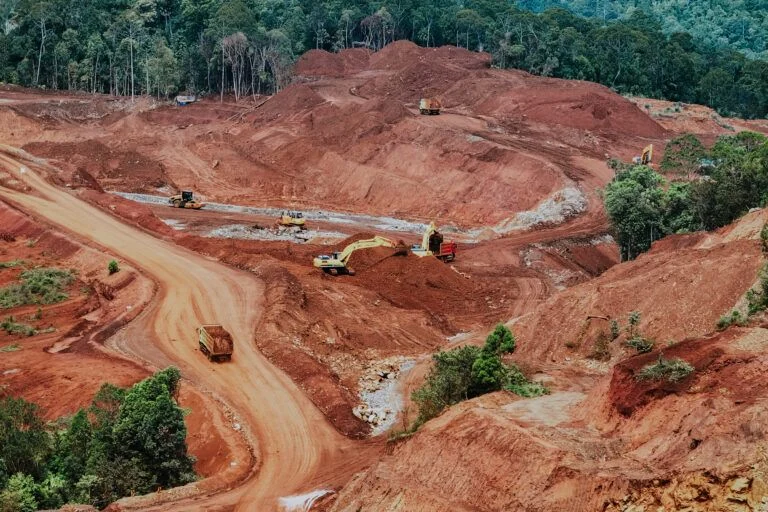
By Editorial Desk
In a significant judicial victory for environmental transparency and public accountability, the Jakarta Administrative Court (PTUN) has issued a landmark ruling that pierces the veil of secrecy surrounding the management of Indonesia’s natural resources. On September 14, 2026, the court affirmed a previous decision by the Central Information Commission (KIP), mandating that the Ministry of Investment and Downstream/Investment Coordinating Board (BKPM) disclose official documents regarding the revocation of four nickel mining business permits (IUP) in the ecologically sensitive Raja Ampat archipelago.
This ruling, registered under case number 242/G/KI/2026/PTUN.Jkt, represents a major milestone in the long-standing battle for transparency in the mining sector. By dismissing the objections raised by the BKPM—which had persistently categorized the revocation decrees as confidential—the court has reaffirmed the fundamental principle that information concerning the governance of public resources must be accessible to the public, rather than shielded by bureaucratic gatekeeping.
The Chronology of a Legal Battle
The roots of this legal struggle extend back to June 2025, a period marked by intense public scrutiny and widespread advocacy under the #SaveRajaAmpat campaign. Faced with mounting pressure from civil society and scientific communities, the government announced the revocation of four nickel mining permits that had long threatened the integrity of the Raja Ampat islands.
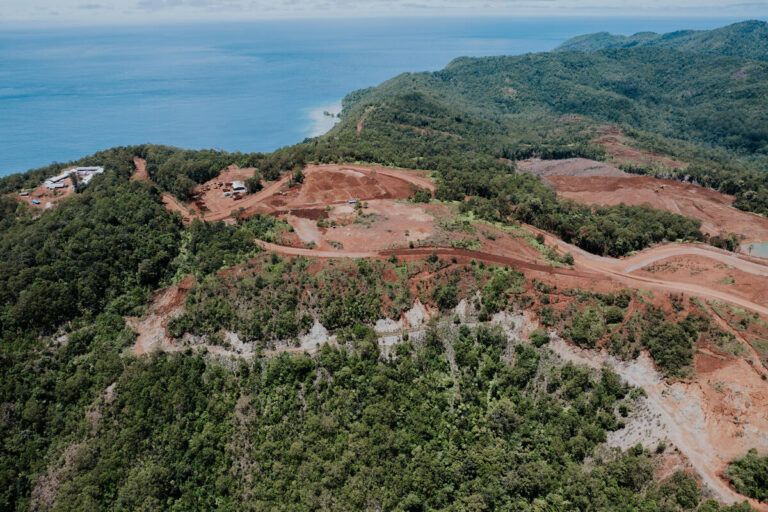
The affected permits included:
- PT Kawai Sejahtera Mining (KSM): Covering 5,922 hectares on Kawei Island.
- PT Mulia Raymond Perkasa (MRP): Covering 2,193 hectares on Manyaifun Batang Pele Island.
- PT Anugerah Surya Pratama (ASP): Covering 1,173 hectares on Manuran Island.
- PT Nurham: Covering 3,000 hectares in Yesner, East Waigeo.
While one company, PT Gag Nikel, was spared from revocation—ostensibly due to its long-standing operational history dating back to 1972—it was placed under "strict supervision."
Following the announcement, Greenpeace Indonesia, acting as a key advocate for environmental justice, sought to verify the administrative validity of these revocations. In July 2025, the organization filed a formal request for information with the Ministry of Energy and Mineral Resources (KESDM). The Ministry redirected the request to the BKPM, claiming the latter held jurisdiction over the permits. However, the BKPM remained unresponsive to repeated inquiries, forcing Greenpeace to escalate the matter to the Central Information Commission (KIP).
After months of hearings, the KIP ruled on June 10, 2026, that the documents were indeed public information. The BKPM, refusing to comply, challenged the decision at the PTUN Jakarta. The September 14 ruling has now effectively closed that avenue of resistance, ordering the government to pay legal costs amounting to IDR 419,000 and providing a firm directive for disclosure.

Implications for Environmental Governance
The significance of this ruling extends far beyond the four specific mines in Raja Ampat. According to Anggi Putra Prayoga, a Forest Campaigner at Greenpeace Indonesia, the court’s decision serves as a vital precedent for how natural resource permits are managed across the archipelago.
"This is a fundamental victory for the public interest," Anggi stated. "Governance of our natural resources, especially per capita per-permits, must be transparent. When these processes are shrouded in secrecy, we cannot verify whether the government is truly protecting our environment or merely shuffling paperwork while ecosystems remain under threat."
Greenpeace argues that the mere announcement of a permit revocation is not a panacea for environmental destruction. The organization remains concerned about the specific terms of these revocations, particularly regarding the mandatory responsibility for land reclamation and ecological restoration. Without access to the official decrees, the public cannot ascertain whether the companies are being held accountable for the environmental damage—ranging from deforestation and loss of biodiversity to the contamination of coastal waters—already inflicted upon the islands.
Protecting the "Last Paradise"
Raja Ampat is globally recognized for its unparalleled marine biodiversity, serving as the heart of the Coral Triangle. The threat posed by nickel mining is existential; as mining operations progress, they trigger massive land clearing and sediment runoff that chokes coral reefs and destroys the habitats of the very species that support the local fishing communities and the burgeoning ecotourism industry.

Under Law No. 1/2014 regarding the Management of Coastal Areas and Small Islands, as strengthened by the Constitutional Court’s ruling No. 35/PUU-XXI/2023, mining activities on small islands (those under 2,000 square kilometers) are strictly prohibited. Minister of Environment Hanif Faisol emphasized during a media briefing in June 2025 that this prohibition is absolute, stating, "There are no conditions under which mining is permitted on these small islands."
Despite this legal framework, the "sengkarut" (tangled web) of permits suggests a disconnect between legislative intent and administrative execution. Greenpeace’s insistence on reviewing the revocation documents is a tactical move to expose these inconsistencies and demand a more rigorous application of the law.
Official Responses and the Road Ahead
The BKPM has yet to issue a definitive statement on whether it will pursue a final appeal (kasasi) to the Supreme Court. However, the PTUN ruling has created a legal environment where the state is now increasingly vulnerable to criticism for any further attempts to suppress information.
The court’s ruling specifically noted that while details regarding the personal data of company owners may be redacted or withheld, the core administrative documents regarding the status of the mining permits must be made public. This compromise balances individual privacy with the public’s "right to know," a standard principle in Indonesian information law.
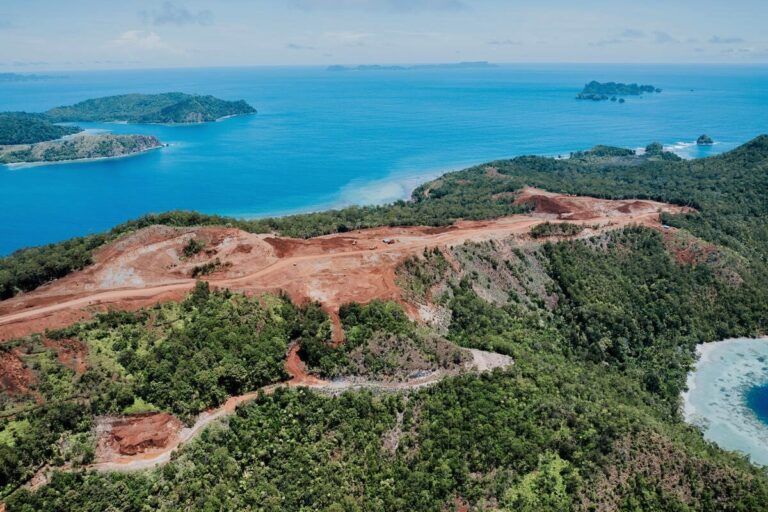
For the people of Raja Ampat, the court’s decision is a flicker of hope. For years, the community has lived in the shadow of mining interests, their livelihoods threatened by the pollution of their traditional fishing grounds. As noted by local advocates, the destruction of the environment directly impacts the food security and cultural survival of indigenous populations.
A Call for Systemic Reform
The struggle in Raja Ampat serves as a microcosm of the broader challenges facing Indonesia’s energy transition. As the nation pivots toward becoming a global hub for electric vehicle (EV) battery production, the demand for nickel has skyrocketed. This "green" demand, however, is often built upon the "brown" reality of environmental degradation in mining-heavy provinces like Papua and Sulawesi.
Greenpeace Indonesia, in its latest statement, has issued a clarion call for:
- Full and Permanent Protection: Raja Ampat must be legally shielded from all extractive industries, ensuring its status as a critical conservation area remains inviolable.
- Accountability: The government must publish not only the revocation decrees but also the remediation plans for the affected islands.
- Institutional Transparency: The BKPM and other licensing authorities must adopt a "proactive disclosure" policy, where all permit-related documents are available in a central, online portal, removing the need for civil society to fight legal battles just to access basic data.
As the legal deadline for a potential appeal approaches, all eyes remain on the BKPM. Will they choose to honor the court’s mandate and foster a new era of transparency, or will they continue to prioritize corporate interests over the environmental health of the nation’s most precious marine landscape?

For now, the people of Raja Ampat and the environmental advocates standing with them have secured a significant win. The ruling on September 14 is a testament to the power of persistent advocacy and the critical role of an independent judiciary in holding the state accountable. As the world watches, the outcome of this case will set the tone for how Indonesia manages its transition toward a sustainable future, ensuring that the cost of "green" minerals is not paid by the destruction of its "last paradise."
This report is based on information from the Jakarta Administrative Court proceedings and documentation provided by Greenpeace Indonesia. For further updates on the Raja Ampat mining cases, stay tuned to our ongoing series on environmental governance in Indonesia.







