
The Unyielding Flame: A Comprehensive Analysis of Indonesian Resistance Against Dutch Colonialism

For centuries, the Indonesian archipelago was subjected to the systematic exploitation of the Dutch East India Company (VOC) and, subsequently, the Dutch colonial government. While history books often characterize this era as a period of absolute subjugation, the reality was one of relentless struggle. From the lush highlands of Sumatra to the strategic trade routes of the Moluccas, Indonesian resistance movements served as the foundational bedrock for the nation’s eventual sovereignty.
This article explores the major theaters of war, the tactical ingenuity of indigenous leaders, and the profound implications of these conflicts on the national identity of Indonesia.
1. The Context of Colonial Expansion
The Dutch presence in Indonesia began under the guise of commercial interest through the Vereenigde Oostindische Compagnie (VOC). However, the transition from trade monopoly to territorial administration brought inevitable friction. By the 19th century, the Dutch colonial government sought to consolidate power through direct rule, resource extraction, and legal impositions that disregarded local customs and religious tenets. This triggered a series of regional uprisings, characterized by both traditional warfare and sophisticated guerrilla tactics.

2. Chronology of Resistance: Key Theaters of Conflict
The Padri War (1803–1838): A Struggle for Identity and Autonomy
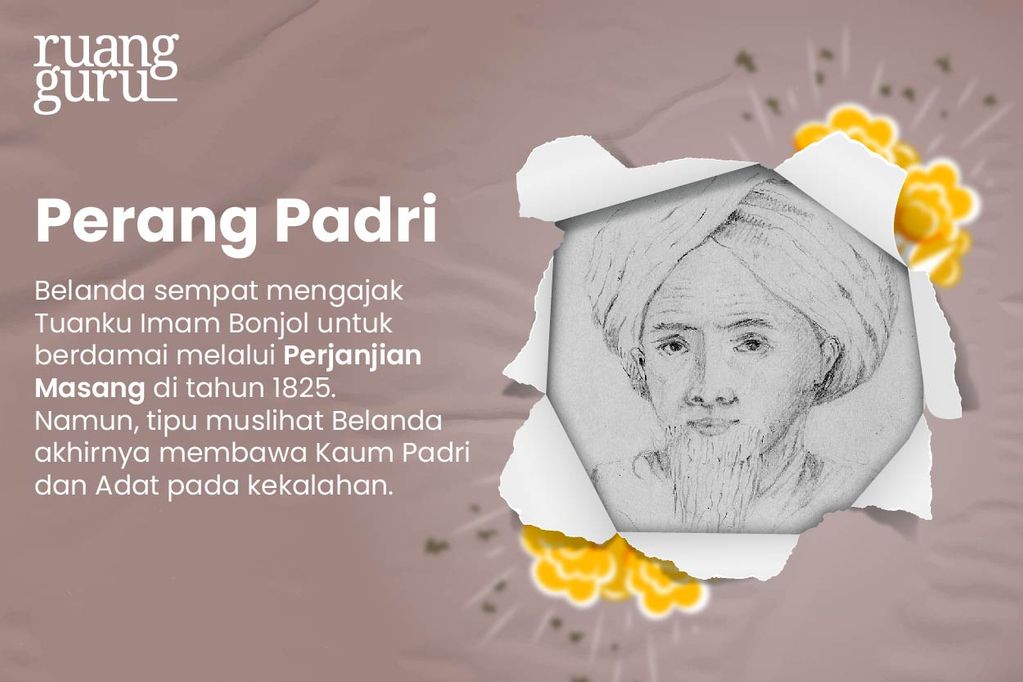
The Padri War remains one of the most complex conflicts in colonial history, beginning as a religious and social reform movement in West Sumatra. The Padri (Islamic reformers) sought to purge the local society of un-Islamic practices such as gambling and alcohol.
- The Shift: Initially a civil conflict between the Padri and the Adat (traditional) chiefs, the intervention of the Dutch—who sided with the Adat faction to secure influence—transformed the conflict into a war of anti-colonial resistance.
- The Turning Point: By 1833, realizing the duplicity of the Dutch, the two factions united under the leadership of Tuanku Imam Bonjol. Despite their tactical brilliance, the sheer military superiority of the Dutch ultimately led to the fall of the Padri stronghold.
The Pattimura Uprising (1817): Resisting Monopoly in the East
The spice-rich islands of the Moluccas were the primary targets of Dutch economic greed. In 1817, the Dutch re-imposed a strict trade monopoly, severely impoverishing the local population. Thomas Matulessy, better known as Pattimura, emerged as the focal point of the resistance. His forces famously captured Fort Duurstede in Saparua, dealing a significant psychological blow to the Dutch. The resistance was sustained by the indomitable spirit of figures like Martha Christina Tiahahu, whose contributions underscore the gender-inclusive nature of Indonesia’s fight for freedom.
The Java War (1825–1830): The Dutch Existential Crisis
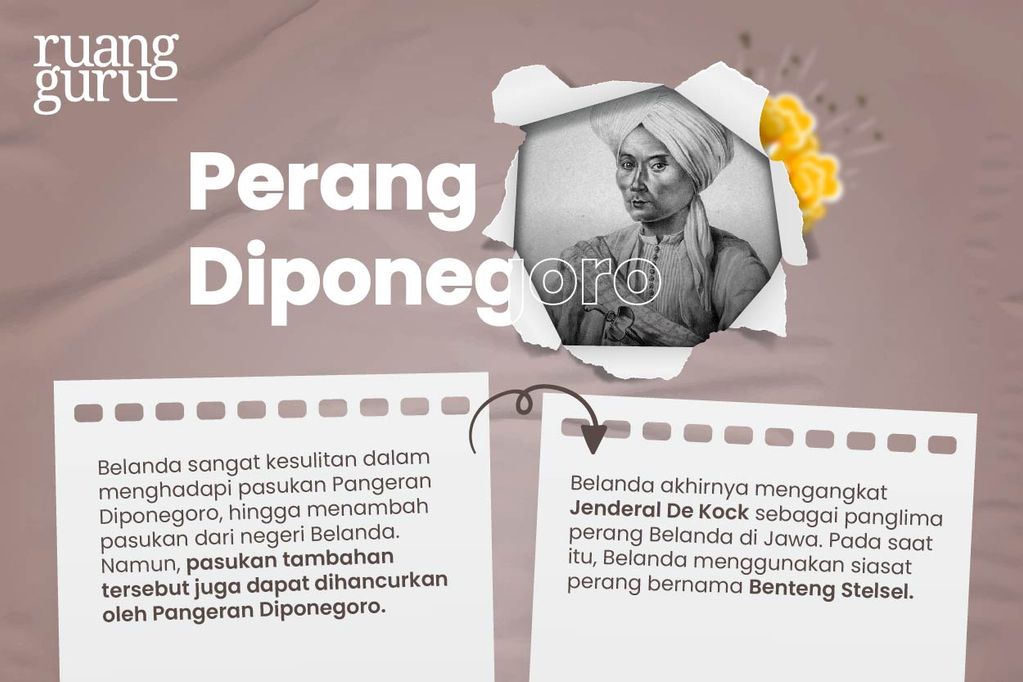
Perhaps the most damaging conflict for the Dutch treasury was the Java War, led by Pangeran Diponegoro. Triggered by the colonial government’s decision to build a road through the sacred graves of his ancestors, the war quickly spread across Central Java.
- Tactical Innovation: Diponegoro utilized high-mobility guerrilla units, forcing the Dutch to develop the Benteng Stelsel (Fortress System). This strategy of building fortified outposts connected by mobile columns was designed to restrict the prince’s movement.
- The Conclusion: Unable to defeat him militarily, the Dutch resorted to treachery, arresting the Prince under the guise of a peace negotiation. The war depleted the Dutch coffers, forcing them to implement the Cultuurstelsel (Cultivation System) to recover losses.
The Jagaraga Conflict (1846–1849)
In Bali, resistance centered on the Hak Tawan Karang—the local right to seize shipwrecked foreign vessels. When the Dutch demanded the abolition of this right, the Balinese kingdoms, led by I Gusti Ketut Jelantik, refused to bow to colonial interference. The ensuing battles, marked by Puputan (fights to the death), demonstrated the unwavering commitment of the Balinese royalty to their sovereignty, even in the face of vastly superior artillery.
3. Supporting Data and Strategic Evolution
The pattern of resistance reveals a clear evolution in colonial tactics. As the Dutch gained experience, they shifted from direct, open-field battles to:
- Divide and Rule: Exploiting internal divisions (as seen in the Padri War).
- Psychological Warfare: Using cultural experts like Snouck Hurgronje to study local societies and undermine their morale (notably in the Aceh War).
- Total War: Implementing scorched-earth policies to starve out rebels.
The Aceh War (1873–1904) serves as the ultimate example of this evolution. The conflict was defined by the concept of Jihad, which galvanized leaders like Teuku Cik Ditiro, Cut Nyak Dien, and Teuku Umar. The Dutch only succeeded after decades of brutal attrition and the deployment of the Marsose (special forces units) designed to operate in the treacherous Aceh jungles.
4. Official Responses and Colonial Rationalization
From the perspective of the colonial administration, these wars were labeled as "pacification efforts" or "police actions" intended to bring order to a "chaotic" region. Historical archives from the Dutch administration often minimize the scale of indigenous losses while highlighting the "civilizing mission" of the colonial project. However, modern historical analysis acknowledges that these conflicts were not merely regional disturbances; they were legitimate expressions of national sovereignty.
5. Implications: The Legacy of Resistance
The legacy of these 19th and early 20th-century conflicts is profound:
- Formation of National Consciousness: While these wars were initially regional, they created a collective historical memory of defiance that would later fuel the 20th-century nationalist movement.
- Economic Impact: The cost of suppressing these uprisings fundamentally changed the Dutch economic approach to the archipelago, leading to the highly extractive policies of the late 19th century.
- Cultural Preservation: The persistence of local leaders in defending their traditions against colonial encroachment ensured that the cultural and religious fabric of the Indonesian people remained intact despite the pressures of Westernization.
Conclusion
The history of Indonesian resistance is a testament to the resilience of the human spirit in the face of overwhelming odds. Figures like Sisingamangaraja XII, who fought for the Batak lands until his final breath, did not just fight for territory—they fought for the right to self-determination.

For students and historians today, these events serve as more than just dates in a textbook. They represent the intellectual and military heritage of a nation that refused to be silent. Understanding these wars is essential for any scholar looking to grasp the complexities of the post-colonial world.
For those interested in a deeper dive into the tactical history of these wars, the "ADAPTO" learning feature provides interactive modules that bridge the gap between historical fact and modern educational standards. As we continue to study these struggles, we honor the sacrifices of those who paved the way for the Indonesia of today.
References:
- Sardiman, A. M., & Lestariningsih, A. D. (2017). Sejarah Indonesia. Jakarta: Kemendikbud.
- Ricklefs, M. C. (2001). A History of Modern Indonesia since c. 1200. Stanford University Press.
- Historical archives regarding the Benteng Stelsel and the Aceh War, National Museum of Indonesia.