The Tiny Titan: How a Grain-Sized Sea Slug is Rewriting Marine Biodiversity Records
The vast expanse of the world’s oceans remains the final frontier of biological exploration. While humanity has mapped the lunar surface and sent probes to the outer reaches of the solar system, the depths of our own seas—particularly the micro-habitats hidden within coral crevices and mossy substrates—remain largely a mystery. A groundbreaking discovery in the waters off northern Taiwan has recently illuminated the extent of this "hidden" biodiversity, proving that even in the 21st century, the ocean still holds secrets of an extreme, diminutive nature.
A newly identified species of nudibranch (a shell-less sea slug), measuring less than 3 millimeters—making it smaller than a single grain of rice—has officially been cataloged by science. Named Thecacera sesama, this tiny creature represents the seventh member of the Thecacera genus, a group previously defined by individuals significantly larger, ranging from 1.3 to 2.5 centimeters. The discovery of this "miniature" relative, after nearly 200 years of the genus being known only for its larger species, has sent ripples of excitement through the marine biology community.
A Chance Encounter: The Chronology of a Discovery
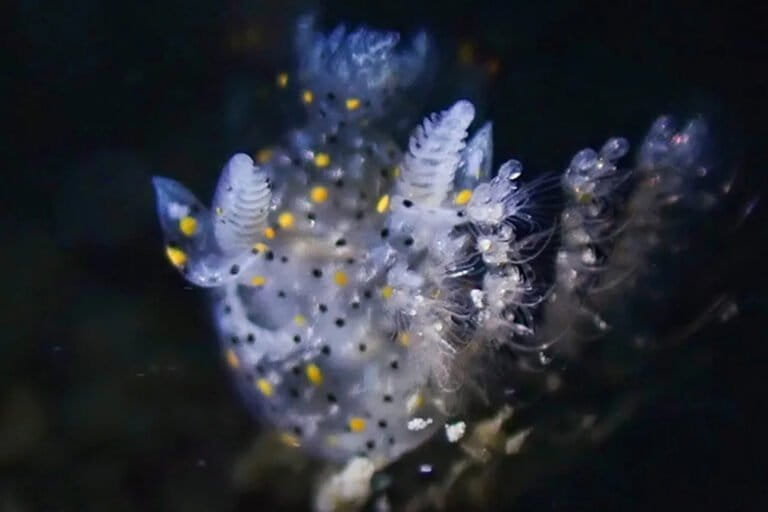
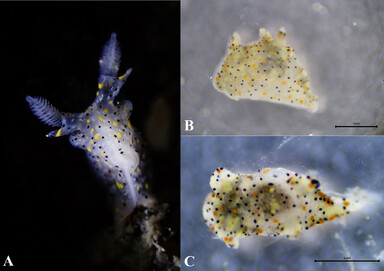
The story of Thecacera sesama did not begin in a high-tech laboratory, but in the adventurous spirit of a student diver. In 2019, Ho-Yeung Chan, then an undergraduate student, was conducting recreational dives in the waters of Keelung, northern Taiwan. Amidst the complex, colorful landscape of the local reef, his attention was caught by a peculiar, minute organism adorned with black and yellow dots.
At the time, Chan was unaware that he was looking at an organism that had remained invisible to the formal scientific record. He captured images of the specimen, but the magnitude of the find remained dormant until he reached out to Hsini Lin, a specialist in nudibranchs, via social media.
The ensuing years involved a meticulous process of verification. The research team, a collaborative effort involving experts from the National Taiwan Ocean University, the National Museum of Natural Science, and the National Taipei University of Education, embarked on a rigorous study to determine whether this was a novel species or a juvenile stage of a known variety. The findings, which confirmed its status as a distinct species, were recently published in the scientific journal ZooKeys.
The Etymology of ‘Sesama’: A Nod to Local Knowledge
The nomenclature of Thecacera sesama carries a charming tribute to the local diving community. For years, Taiwanese divers had observed the creature but, lacking an official scientific name, dubbed it "wijen"—the Mandarin word for "sesame seed."
Recognizing that local divers are often the first to notice changes or anomalies in the marine environment, the research team decided to formalize this colloquialism into the scientific binomial name. By naming it sesama, the researchers bridged the gap between citizen observation and formal taxonomy, ensuring that the legacy of the local diving community is permanently etched into the scientific record.
Supporting Data: Morphological and Genetic Evidence
Identifying a creature that measures less than 3 millimeters presents extraordinary technical challenges. To verify that T. sesama was indeed a unique species, the researchers had to employ advanced molecular techniques.
Morphological Characteristics
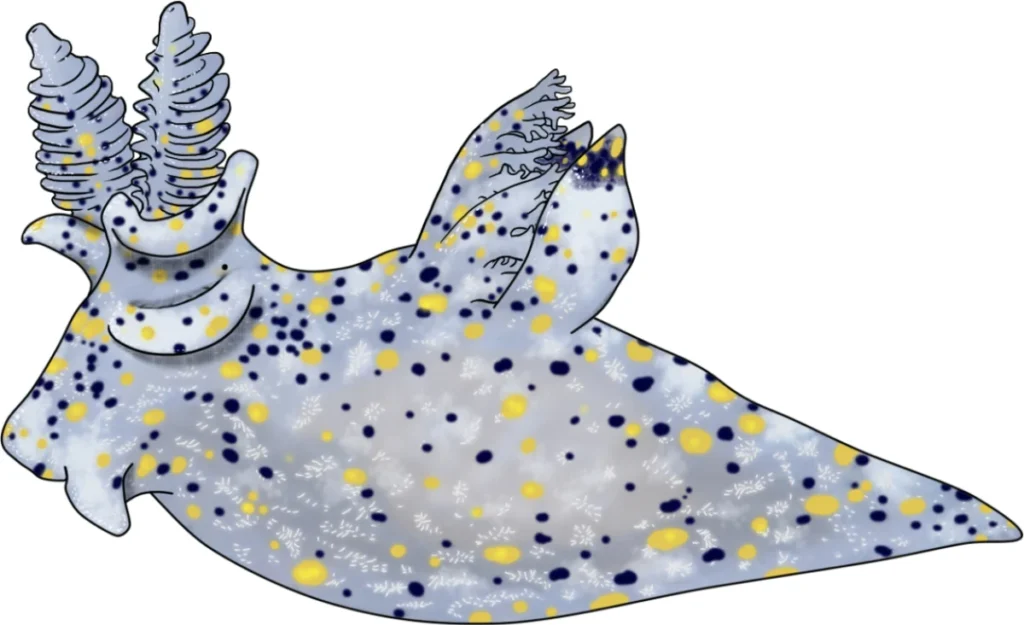
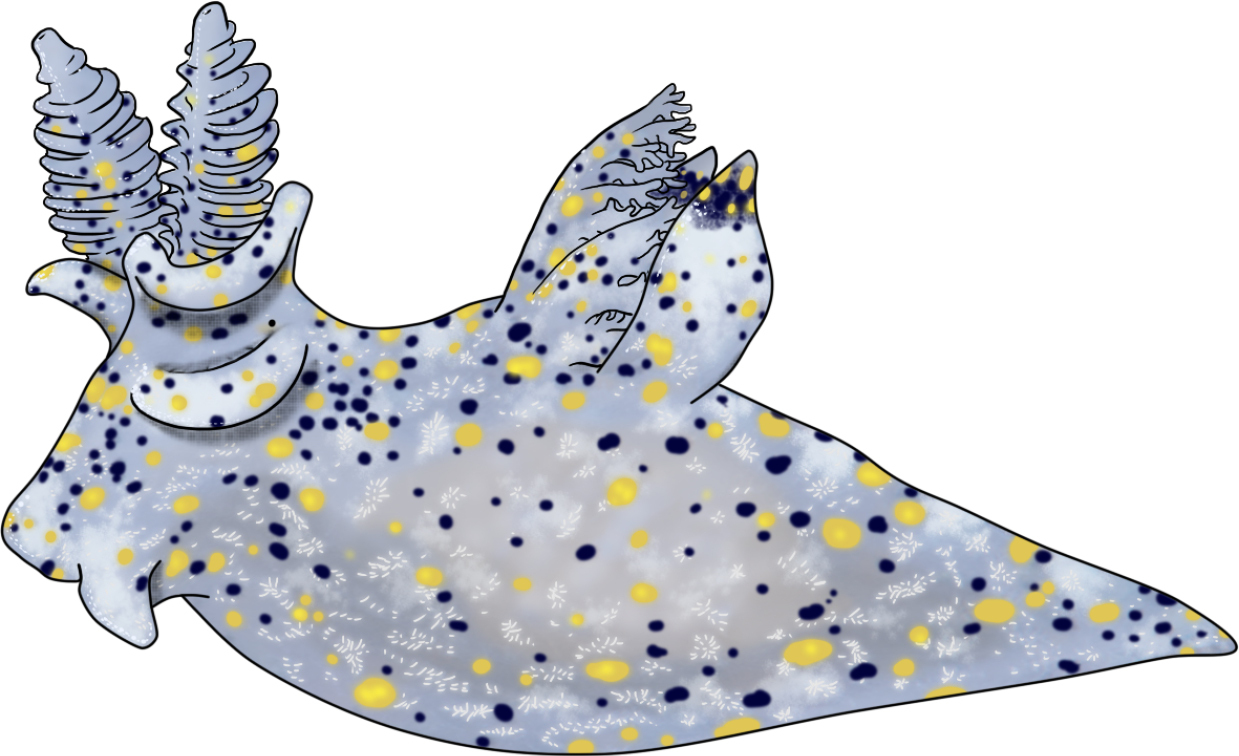
Visually, the T. sesama is a marvel of evolution. It possesses a translucent body punctuated by distinct black dots and vibrant yellow patches. It features five specialized gills, a hallmark of its classification. Its transparency and size allow it to blend seamlessly into the bryozoa (often referred to as "moss animals") that serve as its primary habitat and food source.
Genetic Divergence
Because of the specimen’s extreme size, researchers were forced to use the entire body of three individual specimens for DNA extraction—a decision that underscores the rarity and significance of the find. The resulting genetic analysis revealed a 14.17 percent divergence in DNA from its closest relative, Thecacera picta. In the world of taxonomy, a divergence of over 14 percent is substantial, providing an ironclad justification for designating it as a separate species.
Ecological Behavior
The study also provided rare insights into the life cycle of the species. Observation of T. sesama in its natural habitat revealed a life of four primary focal points: foraging, locomotion, mating, and oviposition (egg-laying). Notably, the bryozoa upon which the T. sesama feeds and lays its eggs is also suspected to be a previously unidentified species, suggesting that the discovery of this sea slug may lead to a cascade of further taxonomic revelations.
The Challenges of Research in Northern Taiwan
The discovery of T. sesama highlights the logistical difficulties of marine research in the Keelung region. This area is subjected to extreme environmental stressors, including annual typhoons, strong winds, and high-energy waves during the winter months. Furthermore, water temperatures in the region can plummet below 16 degrees Celsius, creating a harsh environment for both the marine fauna and the researchers tasked with studying them.
Compared to the tropical waters of Southeast Asia or the well-documented reefs of the Pacific, the nudibranch fauna of Taiwan remains significantly under-researched. The hostile environmental conditions, while daunting, have inadvertently protected the habitat of many such micro-species, allowing them to evolve in relative isolation from human interference.
Implications for Marine Conservation and Biodiversity
The identification of T. sesama serves as a poignant reminder that we have only scratched the surface of global biodiversity. Nudibranchs are often considered "canaries in the coal mine" for marine health. Because they are sensitive to changes in water temperature and quality, their presence—or absence—can indicate the health of an entire reef ecosystem.
The Problem of "Micro-Biodiversity"
Most public and scientific attention is directed toward large, charismatic megafauna like whales, sharks, or large coral colonies. However, the vast majority of biomass in the ocean is composed of small organisms. When we fail to map the "small stuff," we inadvertently create blind spots in our conservation strategies.
"The discovery of T. sesama is not just about adding a name to a list," noted one of the researchers involved in the project. "It is a mandate to look closer. If we are missing species that are right under our noses in a well-traversed area like Keelung, we must assume that the true extent of oceanic biodiversity is exponentially higher than our current estimates."
Future Research Directions
The research team has expressed hope that their findings will encourage a new generation of marine biologists to focus on micro-invertebrates. The use of citizen science, as demonstrated by Ho-Yeung Chan’s initial photographs, is likely to become a cornerstone of future research. As high-resolution photography becomes more accessible to recreational divers, the capacity for non-scientists to contribute to professional taxonomy is growing.
Furthermore, the team suggests that the discovery of T. sesama warrants a systematic survey of bryozoa species in the region. If the slug relies on a specific, potentially unidentified bryozoa, the survival of the slug is intrinsically linked to the survival of the host. This interdependency highlights the complexity of marine food webs and the necessity of preserving entire habitats rather than individual species.
Conclusion
The story of Thecacera sesama is a testament to the power of curiosity and the importance of collaboration. From a student’s accidental photograph in 2019 to a formal, peer-reviewed species designation in 2026, the journey of this tiny sea slug serves as a beacon for the future of marine biology.
As we face global challenges such as climate change and ocean acidification, the need to document life in our seas has never been more urgent. We are in a race against time to identify the millions of species that share our planet, many of which, like the tiny sesame-seed-sized slug of Taiwan, may hold the key to understanding the resilience and complexity of our oceans. T. sesama may be small, but its impact on our understanding of the natural world is truly profound.