The Queen of the World Cup: Shakira’s Electrifying 2026 Final Performance and the Piqué Paradox
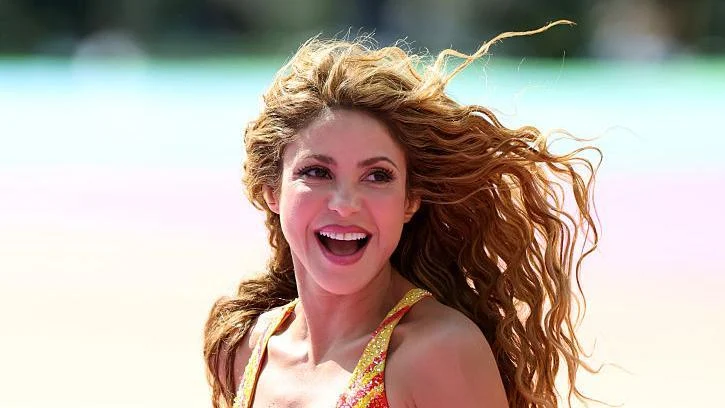
EAST RUTHERFORD, NJ – In a night defined by sporting excellence and high-stakes drama, the 2026 FIFA World Cup Final at MetLife Stadium witnessed more than just a battle for football’s most coveted trophy. While Spain and Argentina fought for dominance on the pitch, the halftime stage belonged to a singular global icon: Shakira. Delivering a performance that many are calling the definitive moment of her storied career, the Colombian superstar proved once again why she is the undisputed "Queen of the World Cup." However, the evening was equally charged by the presence of her former partner, Gerard Piqué, whose appearance alongside their children added a layer of personal tension to the global spectacle.
Main Facts: A Night of Anthems and Allegories
The 2026 FIFA World Cup Final, hosted at the New York New Jersey Stadium (MetLife Stadium), served as the backdrop for Shakira’s return to the world’s biggest sporting stage. Performing the tournament’s official anthem, "Dai Dai," Shakira captivated an estimated global audience of billions.
The performance was marked by:
- The Musical Debut: A live rendition of "Dai Dai," which has already achieved multi-platinum status across various streaming platforms.
- The Spectacle: A high-octane choreography reminiscent of her iconic 2010 "Waka Waka" era, featuring a fusion of Latin rhythms, Afrobeats, and cutting-edge visual effects.
- The Demographic Impact: Shakira, now 49, became the focal point of a global conversation regarding aging in the entertainment industry, with fans and critics alike marvelling at her physical prowess and vocal consistency.
- The Family Dynamic: In the VIP stands, former Spanish international and Barcelona legend Gerard Piqué watched the performance alongside the former couple’s two sons, Milan and Sasha.
While the match between Spain and Argentina provided the sporting narrative, the "Shakira vs. Piqué" subplot dominated social media discourse, turning a football final into a cultural touchstone regarding resilience, celebrity breakups, and the "divorce glow-up."
Chronology of Events: From the Opening Whistle to the Viral Aftermath
The events of July 19, 2026, unfolded with a precision that mirrored the high-stakes nature of the tournament.
1. The Pre-Match Anticipation
Days leading up to the final, rumors circulated regarding the scale of the halftime show. FIFA had promised a "Super Bowl-style" spectacle to mark the conclusion of the first-ever 48-team World Cup. Shakira’s arrival in New Jersey was met with a frenzy of media attention, especially given the proximity of her former partner, who was attending in an official capacity as a FIFA guest and former champion.
2. The Halftime Show (8:45 PM ET)
As the first half concluded, the stadium transitioned into a concert venue. Shakira emerged amidst a sea of dancers, opening with a medley of her greatest hits before transitioning into "Dai Dai." Observers noted that her energy levels and signature hip movements—hallmarks of her brand for three decades—were indistinguishable from her performances twenty years prior.
3. The "Stony" Reception in the VIP Box
As the cameras panned to the crowd during the bridge of "Dai Dai," they captured a stark contrast in reactions. Milan and Sasha were seen enthusiastically singing along to their mother’s anthem, clearly swept up in the euphoria of the stadium. Conversely, Gerard Piqué was captured by the broadcast cameras with a neutral, almost "stone-faced" expression, a moment that was instantly clipped and shared millions of times on X (formerly Twitter) and TikTok.
4. The Digital Explosion
By the time the second half of the match began, "Shakira" and "Piqué" were the top two trending topics worldwide. The narrative shifted from the technicalities of the performance to the personal history between the artist and the athlete, fueled by the irony of Piqué watching his ex-wife celebrate her continued global dominance in the very sport that defined his own career.
Supporting Data: The "Shakira Effect" by the Numbers
To understand the magnitude of the event, one must look at the data surrounding Shakira’s involvement with FIFA and her current cultural standing.
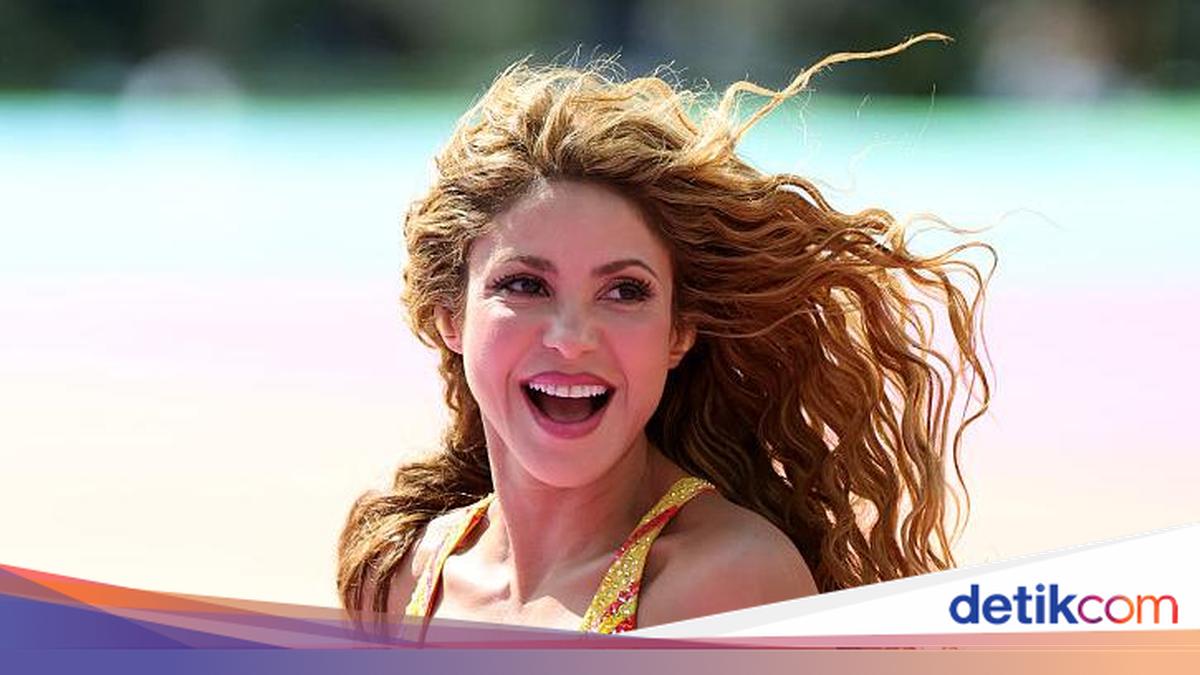
- World Cup Pedigree: Shakira is the only artist to have performed at four different World Cup cycles (2006 Germany, 2010 South Africa, 2014 Brazil, and 2026 USA/Mexico/Canada).
- Streaming Metrics: Within six hours of the final, "Dai Dai" saw a 400% spike in global searches. Her previous anthem, "Waka Waka (This Time for Africa)," also re-entered the Top 100 charts in over 30 countries as fans revisited her legacy.
- Social Media Sentiment: Analysis of X (formerly Twitter) data from July 19-20 showed a 92% positive sentiment rating for Shakira’s performance. In contrast, mentions of Gerard Piqué were 65% "sarcastic" or "critical," largely revolving around his 2022 separation from the singer.
- The "Age-Defying" Metric: According to Google Trends, the search term "Shakira age" reached its five-year peak during the halftime show, as viewers expressed disbelief at her 49-year-old physique and stamina.
Official Responses and Public Sentiment
The public reaction has been a mix of professional admiration and tabloid-style fascination.
Fan Testimonials
Social media users, ranging from casual viewers to dedicated "She-Wolves" (Shakira’s fan base), were vocal about the performance.
- Kangmin Lee noted on X: "Shakira hasn’t aged a day. It is hard to believe she is 49. She has effectively defeated the ‘aging curse’ often unfairly attributed to Latin women in the media."
- User @honey_milk_jd celebrated her cultural icon status: "This Mami Latina remains the best. The same talent, the same beauty, the most talented. Always Shakira."
The "Piqué Karma" Narrative
A significant portion of the commentary focused on the perceived "karma" regarding the couple’s 2022 split, which was marred by allegations of Piqué’s infidelity with Clara Chia Marti.
- Mr. Iyus remarked: "Shakira gets younger and hotter as she gets older. Piqué must be feeling the weight of regret tonight."
- Joawop added a more blunt assessment: "Shakira is incredible. Honestly, Piqué, what were you thinking?"
While neither Shakira nor Piqué has issued a formal statement regarding their interaction (or lack thereof) at the stadium, sources close to the singer suggest she viewed the night as a "triumphant closure" to a difficult chapter of her life. FIFA officials, meanwhile, expressed "total satisfaction" with the halftime show, noting that it exceeded all viewership projections.
Implications: Cultural and Professional Consequences
The 2026 World Cup Final performance carries implications that extend far beyond a 15-minute musical set.
1. The Commercial Viability of the "Legacy Artist"
Shakira’s success at 49 challenges the music industry’s traditional obsession with youth. By delivering a performance that outshone younger contemporaries, she has solidified her position as a "legacy act" who remains a primary commercial draw. This is likely to lead to a massive global tour in 2027, with promoters already bidding for dates.
2. The Narrative of Female Empowerment
Since her split from Piqué in 2022, Shakira has pivoted her brand toward female resilience. Hits like "BZRP Music Sessions #53" (where she famously sang "Women no longer cry, women invoice") set the stage for this World Cup appearance. The image of her performing an anthem for a male-dominated sport while her ex-husband watched from the sidelines is being framed as the ultimate "victory" for women who have navigated public betrayals.
3. Co-Parenting in the Spotlight
Despite the tension, the presence of Sasha and Milan at the event highlights the ongoing challenge of co-parenting for the former couple. The fact that Piqué attended an event where Shakira was the centerpiece suggests a level of professional necessity or a shared commitment to their children’s experiences, even if the personal atmosphere remains "icy."
4. FIFA’s Entertainment Strategy
The success of the 2026 halftime show likely cements FIFA’s shift toward high-production musical entertainment. Following the model of the NFL’s Super Bowl, FIFA is clearly looking to bridge the gap between sports and general entertainment to capture a wider, non-football-playing demographic.
Conclusion
The 2026 FIFA World Cup Final will be remembered for Argentina and Spain’s tactical brilliance, but in the annals of pop culture, it will be remembered as the night Shakira reclaimed her crown. In the face of personal upheaval and the relentless march of time, she delivered a masterclass in artistry and endurance. As for Gerard Piqué, his presence served as a silent testament to a past chapter, while Shakira’s voice—echoing "Dai Dai" through the rafters of MetLife Stadium—signaled a vibrant, unstoppable future. The "Queen of the World Cup" has not just returned; she has evolved.