The Forest Whisperer: How Prof. Charlie Heatubun Bridges Botany, Policy, and Papua’s Future
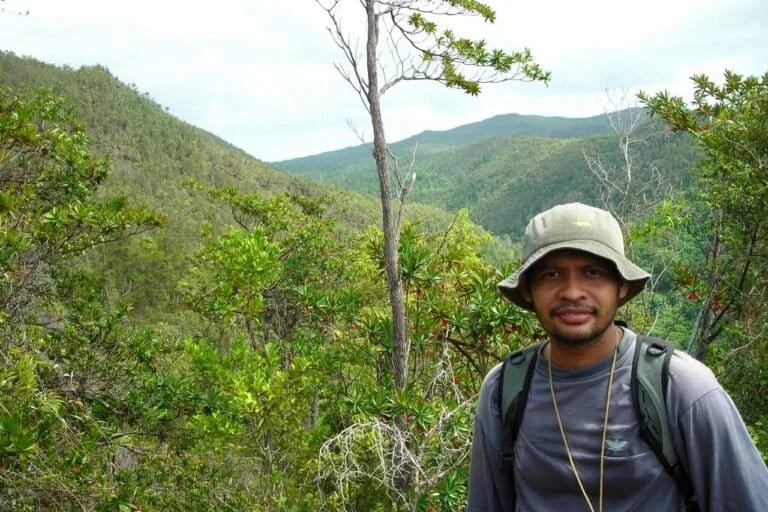
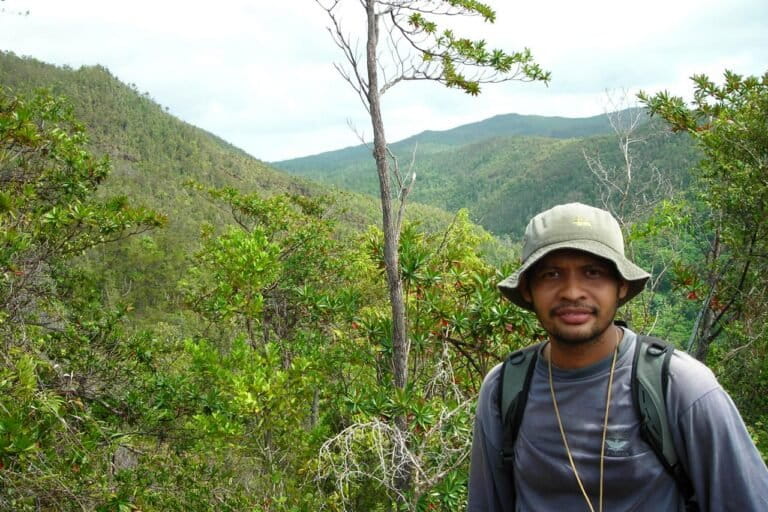
For Prof. Dr. Charlie Danny Heatubun, the vast, emerald expanse of the Papuan rainforest is far more than a collection of flora and fauna. It is a living laboratory, a repository of ancestral knowledge, and the vital blueprint for the region’s future development. As a Professor of Forest Botany at the Faculty of Forestry, Universitas Papua, Charlie has spent over two decades traversing the archipelago’s most challenging terrains, establishing himself as one of the world’s foremost authorities on palms—the "princes" of the plant kingdom.
His work transcends the boundaries of traditional academia. By marrying rigorous scientific research with the realities of regional governance, Charlie is pioneering a model of "bio-diplomacy," where the preservation of biodiversity is inextricably linked to the economic and social sovereignty of the Papuan people.
The Genesis of a Botanical Pioneer: A Chronology of Discovery
The Early Fascination (1990s)
Charlie’s journey into the heart of the tropics began during his undergraduate years. In 1995, he completed his bachelor’s degree with a thesis focused on palm botany. Even then, he was captivated by the aesthetic elegance and ecological significance of the Arecaceae family. Known for their utility and distinct morphological beauty, palms became his life’s obsession. By 1996, he had already begun embedding himself in botanical expeditions across Papua, learning to read the forest’s language.
The New Guinea Milestone (2000–2024)
The turn of the millennium marked a pivotal moment in Charlie’s career. In 2000, he joined the landmark "Palms of New Guinea" project, an exhaustive, decades-long scientific undertaking. The synthesis of this massive collaborative effort was finally published in a definitive volume in 2024, cementing his legacy as a global expert.
The Trials of the Field
Scientific discovery is rarely a comfortable pursuit. Charlie’s career is defined by expeditions into the extreme wilderness, from the humid coastal lowlands to the frigid, mist-shrouded peaks of the Cycloop Mountains.
One of his most harrowing yet rewarding experiences involved the search for the rare Caryota zebrina, or "zebra palm." The mission required a grueling, day-long ascent. Once at altitude, the team was forced to shelter for nearly a week under a rock overhang, devoid of basic sanitation or water. The hardship, however, culminated in a breakthrough: in 2000, the zebra palm was officially documented and published as a new species, a testament to his perseverance.
Serendipity and Scientific Breakthroughs
Not all discoveries are the result of pre-planned expeditions. In a moment of serendipity, while attending a development planning meeting in Raja Ampat, Charlie noticed a striking, large palm standing adjacent to the meeting hall. Recognizing its unique characteristics, he collected samples for phylogenetic analysis in the United Kingdom. The results were startling: the plant was not just a new species, but an entirely new genus, which he named Wallaceodoxa in honor of the legendary naturalist Alfred Russel Wallace. To date, Charlie has been credited with the discovery and publication of 50 new species and five new genera.
Supporting Data: The Biological Wealth of Papua
The work of Prof. Heatubun highlights a critical reality: Papua is one of the last great biological frontiers on Earth. The sheer scale of his findings—50 species and five genera—underscores the critical need for continued research in the region.
- Biodiversity Density: Papua’s forests hold a significant percentage of Indonesia’s endemic species. The integration of phylogenetic studies, as conducted by Charlie’s team, provides the taxonomic backbone necessary for conservation efforts.
- The Value of Palms: Palms are not merely ornamental; they are integral to the socio-economic fabric of indigenous Papuan communities. They provide building materials, food sources, and are central to cultural practices.
- Research Output: The 2024 "Palms of New Guinea" publication represents years of systematic documentation, providing a baseline for climate change impact studies and habitat loss assessments.
From the Field to the Forum: Official Responses and Policy Influence
Perhaps the most significant aspect of Charlie’s career is his transition from the laboratory to the seat of government. As the Chairman of the West Papua Regional Research and Innovation Agency (BRIDA), he has successfully translated complex botanical data into actionable public policy.
Bridging the Gap
In many developing regions, scientific research often sits in archives, disconnected from the needs of the people. Charlie has actively fought against this "ivory tower" mentality. He utilizes his research to draft policy briefs that reach the desks of regional leaders, ensuring that environmental protection is not treated as an afterthought, but as a core pillar of development.
Indigenous Rights and Land Management
A significant portion of his policy work focuses on the legal recognition and protection of indigenous territories. By documenting the biodiversity within these lands, Charlie provides the legal and scientific evidence required for indigenous communities to claim their rights, thereby preventing the encroachment of extractive industries that threaten both the ecosystem and the traditional way of life.
Sustainable Economic Development
Charlie advocates for a "nature-based economy." He argues that the region’s potential does not lie in deforestation-heavy industries like logging or industrial monoculture, but in:
- Ecotourism: Leveraging the unique flora of Papua to create high-value, low-impact tourism.
- Non-Deforestation Commodities: Promoting sustainable harvesting of forest products that keep the canopy intact.
- Traditional Knowledge Integration: Blending modern science with the centuries-old wisdom of local communities to manage natural resources.
Implications: A Sustainable Future for Papua
The path chartered by Prof. Charlie Heatubun suggests a transformative shift in how Indonesia views its easternmost province. His career is a blueprint for the "Scientist-Leader" model.
The Need for Evidence-Based Policy
The implications of his work are clear: sustainable development in Papua is impossible without granular, scientific understanding of its ecosystems. By establishing a culture of research within local government, Charlie is ensuring that future development projects—whether infrastructure or economic zones—undergo rigorous scrutiny regarding their environmental footprint.
Empowering Local Communities
By validating the knowledge of indigenous peoples, Charlie’s work serves as a tool for empowerment. When a local community sees their forest not just as "timber" but as a scientifically significant and economically viable landscape, their bargaining power with corporate and government interests is substantially strengthened.
A Legacy in Progress
As the world grapples with the climate crisis, the forests of Papua stand as a vital carbon sink. Charlie Heatubun’s decades of dedication ensure that when the world looks to Papua, it sees more than just trees; it sees a sophisticated, living library of species and an integrated model of sustainable human existence.
His life’s work—spanning from the depths of the Cycloop Mountains to the halls of government—serves as a poignant reminder that the most effective solutions to our global environmental challenges are often rooted in the local soil, studied with patience, and implemented with a profound respect for both the science and the people of the land.
This article was synthesized from the reporting of Ridzki R. Sigit. Through the lens of Prof. Charlie Heatubun’s career, we see that the future of conservation is not found in isolation, but in the intersection of nature, science, and the political will to protect both.