
The Fading Fragrance: How Climate Change is Silencing the Clove Orchards of Sabang
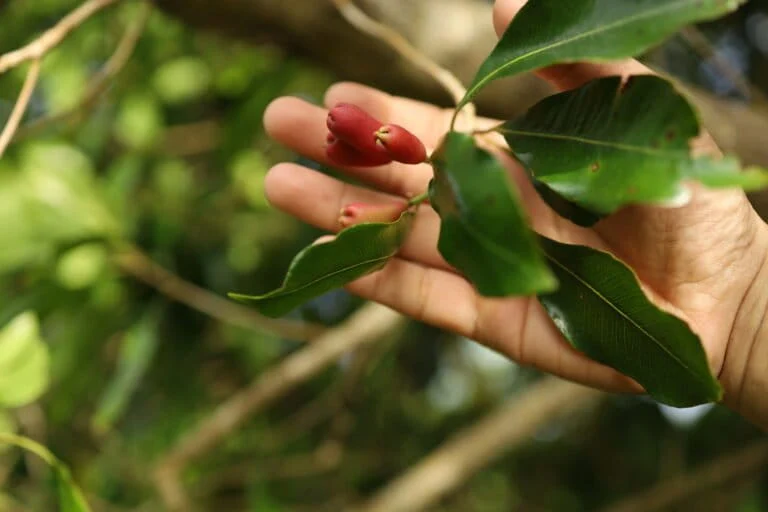
For generations, the scent of cloves was the signature of Pulau Weh, the jewel of Sabang in Aceh, Indonesia. As harvest season approached, the air would thicken with the sweet, spicy aroma of Syzygium aromaticum, and the island’s roadsides would be blanketed in the vibrant red and brown of drying buds. It was a rhythmic, prosperous cycle that defined the livelihoods of local farmers.
Today, that iconic fragrance is becoming a rarity. In the villages of Paya Seunara and Balohan, the landscape has shifted from lush, productive groves to skeletal remains of once-thriving trees. The leaves are shedding, the branches are brittle, and the flowers—the very lifeblood of the local economy—are failing to materialize. As climate patterns shift, the clove industry in Sabang is facing an existential crisis, caught in the vice grip of environmental instability and biological decline.
The Reality on the Ground: A Harvest in Peril
The human cost of this ecological shift is etched into the faces of the farmers. Sayuti, a veteran cultivator in Desa Paya Seunara, walks through his four-hectare plot with a heavy heart. Out of the 520 trees he has nurtured for years, only 40 are producing flowers this season.
“There are many plantations nearby that have zero production this year,” Sayuti notes, his voice reflecting the resignation shared by many in the community. “It is a season of emptiness.”
The decline is not a sudden catastrophe but a decade-long erosion of productivity. Historically, clove trees were hardy, self-sustaining assets that required little intervention. Today, they have become high-maintenance liabilities. “In the past, we didn’t need fertilizer,” Sayuti explains. “Now, it is mandatory. Without it, the trees simply die.”
This sentiment is echoed by Hendra, a farmer in Desa Balohan. His small plot of 35 trees has been devastated; 10 have died entirely, and the survivors are suffering from severe yield depletion. Where a single tree once yielded seven kilograms of cloves, this year it struggles to produce two. “It’s a cycle,” says Hendra. “We finish the harvest, and then, as soon as the dry season hits, the trees begin to wither and die.”
The economic ripple effect is visible at the wholesale level. Munar, one of the largest clove collectors in Sabang, reports that his intake has plummeted from a historical average of 250 tons per season to a mere 110 tons this year. The math is simple, yet devastating: the supply chain is fracturing, and the island’s reputation as a spice hub is under threat.
A Chronology of Climatic Disruption
The decline of Sabang’s clove production did not occur in a vacuum. Agricultural experts and local officials point to the early 2000s as the turning point. Before this era, the clove cycle was reliable and consistent. Since then, the rhythm has broken.
According to Marizal from the Sabang City Agriculture and Food Office, the traditional annual harvest has been replaced by a chaotic, biennial pattern that fluctuates between sub-districts. The biological clock of the trees has been disrupted, leading to irregular flowering phases.
“Many farmers, lacking deep knowledge of climate change, believe these erratic patterns are simply a ‘normal’ quirk of nature,” Marizal explains. “They do not realize that the fundamental atmospheric conditions required for the trees to thrive have been permanently altered.”
This disruption is exacerbated by the interplay between climate stress and biological vulnerability. When the trees are weakened by erratic rainfall, they become sitting ducks for pests and diseases. Common threats like the stem borer (Cerambycidae), leaf scab, and white root fungus—which were once manageable—now act as the final blow to trees already stressed by drought or excessive moisture.
Supporting Data: The Science of Stunted Growth
The anecdotal reports from farmers are backed by hard data from the Maimun Saleh Meteorological Station. Analysis of weather patterns in Sabang between 1981 and 2025 reveals a worrying trend: annual rainfall is decreasing at a rate of 15 millimeters per year, while the average air temperature is climbing by 0.012 degrees Celsius annually.
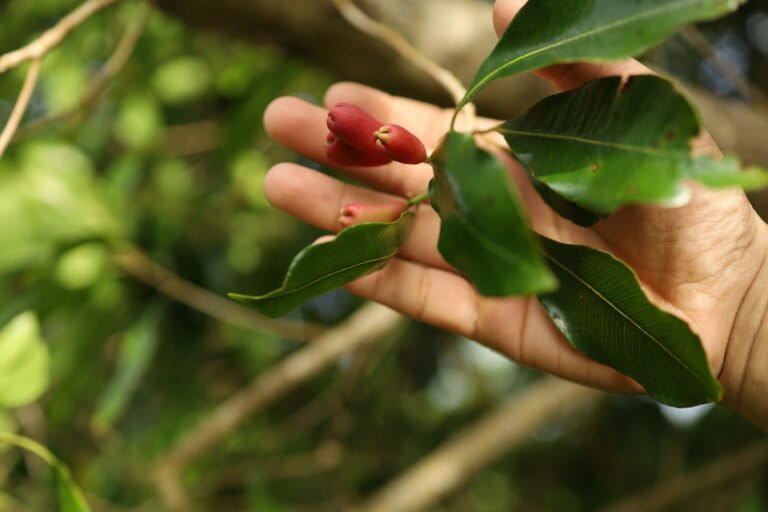
These figures may seem incremental, but for a crop as sensitive as the clove, they represent a radical shift in habitat. Dr. Ireng Darwati, a researcher at the National Research and Innovation Agency (BRIN), explains the delicate physiological requirements of the clove tree.
“Clove trees require a specific environment to trigger flowering,” Dr. Darwati notes. “They need an annual rainfall of 1,500 to 3,500 millimeters, but crucially, they require a distinct dry phase of two to three months to initiate the transition from vegetative growth to reproductive flowering.”
When this cycle is interrupted by climate change, the biological response is counter-productive. If the dry season is absent and rainfall remains constant, the tree abandons its reproductive goals. “The buds that should have developed into flowers simply revert to leaf production,” she explains. The energy that should have gone into the spice is redirected into foliage, leaving the farmer with nothing to harvest.
Official Responses and Strategic Pivot
The municipal government, alongside agricultural researchers, is now scrambling to implement adaptive strategies to save what remains of the industry. The consensus is that the "laissez-faire" farming model of the past is no longer viable.
The strategy for survival involves a multi-pronged approach:
- Intensive Care: Moving away from traditional, low-input farming toward high-intensity management, including balanced fertilization and rigorous sanitation of the orchard to limit fungal spread.
- Pest and Disease Management: Integrating biological controls to combat stem borers and white root fungus before they can claim weakened trees.
- Genetic Selection: Promoting the use of seedlings from proven, high-performance "mother trees" that demonstrate greater resilience to temperature spikes and water variability.
- Crop Diversification: Encouraging farmers to incorporate other crops that are more resilient to the current micro-climate to provide a safety net when the clove harvest fails.
Dr. Darwati emphasizes that the key to survival lies in precision. “We need to move toward a system of smart agriculture. Sanitation of the garden, proper pruning, and the use of superior seedlings are no longer optional—they are the only way to maintain productivity in a changing climate.”
The Wider Implications: A Culture in Transition
The struggle of the clove farmers in Sabang is a microcosm of the global challenge posed by the climate crisis. It is not just about the loss of a commodity; it is about the erosion of a cultural identity. For the people of Sabang, the clove harvest was a time of community, a time when the economy flowed with the seasons.
The transition to a more technical, managed form of agriculture, while necessary, creates a barrier for smallholder farmers who may lack the capital or the training to implement these changes. There is a looming risk that as the climate continues to shift, the cost of farming will exceed the value of the yield, leading to the abandonment of agricultural land entirely.
Moreover, the loss of these trees has environmental consequences beyond the loss of spice. Clove trees contribute to the island’s watershed management and soil stability. As the orchards die off, the risk of erosion increases, further complicating the island’s fragile ecosystem.
As the sun sets over the remaining groves in Paya Seunara, the air is quiet. The once-potent aroma of cloves is faint, a ghost of a more predictable past. For farmers like Sayuti and Hendra, the future depends on whether they can adapt their ancestral practices to the harsh, unforgiving realities of a warmer, more erratic world. The survival of Sabang’s spice heritage rests on the edge of a blade—between the persistence of nature and the ingenuity of those who till the soil.
The story of the Sabang clove is a warning: climate change does not only move in headlines or international treaties; it moves through the withered branches of a farmer’s orchard, quiet, steady, and relentless. Protecting these groves will require more than just fertilizer and grit; it will require a fundamental shift in how the community understands its place within a changing global environment.







