JAKARTA – As the sporting world pivots its gaze toward the monumental 2026 FIFA World Cup final between Spain and Argentina, the battle for supremacy has already begun—not on the pitch, but across the vast, unforgiving landscape of social media. The impending clash, which pits the reigning world champions against the rejuvenated European giants, has triggered a viral explosion of memes, digital satire, and pointed critiques aimed at the sport’s most polarizing figures and historic rivalries.
The digital discourse surrounding the final has transcended mere tactical analysis, evolving into a cultural phenomenon that highlights the deep-seated friction between fans of Lionel Messi and Cristiano Ronaldo, as well as the enduring tribalism between Barcelona and Real Madrid.
Main Facts: A Final of Generational Proportions
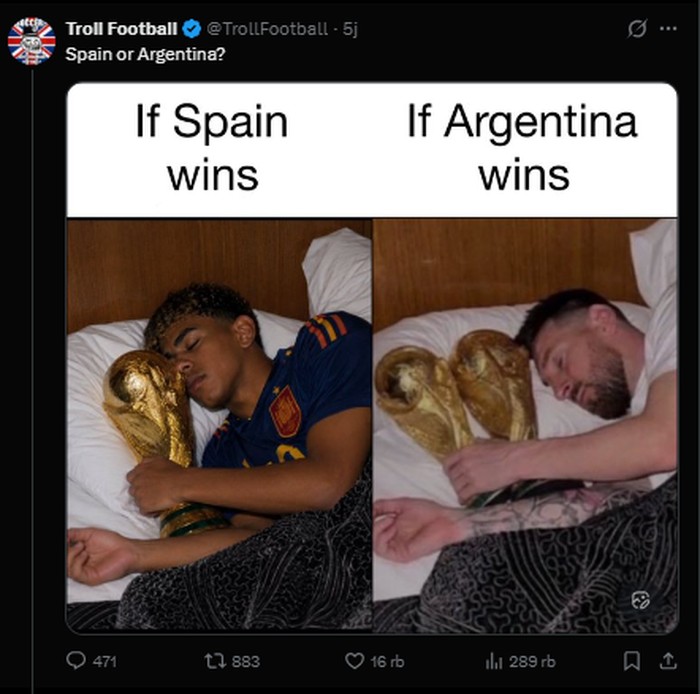
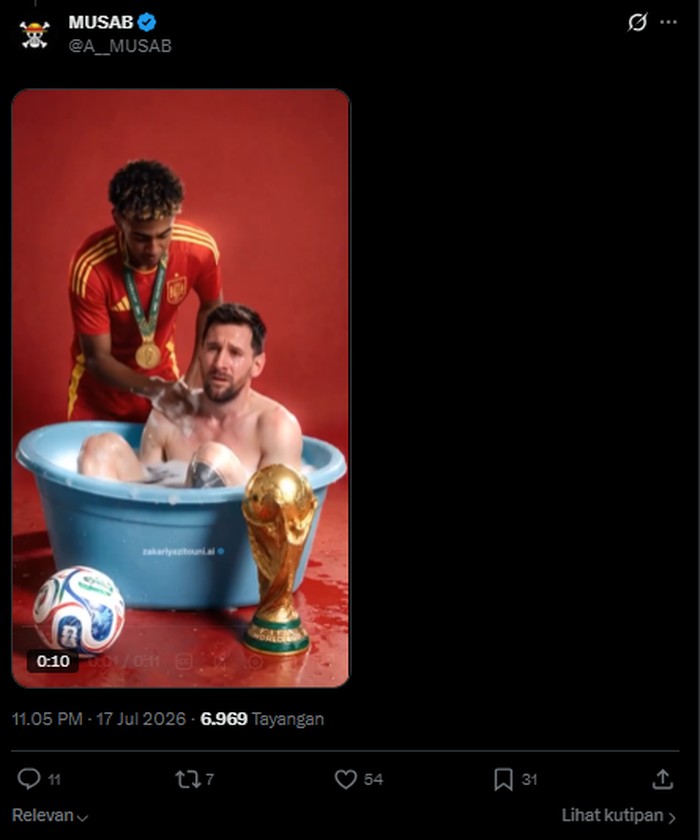
The 2026 World Cup final represents more than just a trophy; it is a narrative crossroads for football history. Argentina, led by an evergreen Lionel Messi in what is widely considered his "Last Dance," seeks to cement a legacy of unprecedented dominance. Standing in their way is a Spanish side defined by the meteoric rise of Lamine Yamal, the teenage prodigy who has drawn inevitable—and now meme-heavy—comparisons to a young Messi.
The core facts of the current digital frenzy include:
The "Passing of the Torch" Narrative: Social media is awash with imagery linking Messi’s early career at Barcelona to Yamal’s current trajectory, framing the final as a symbolic handover of greatness.
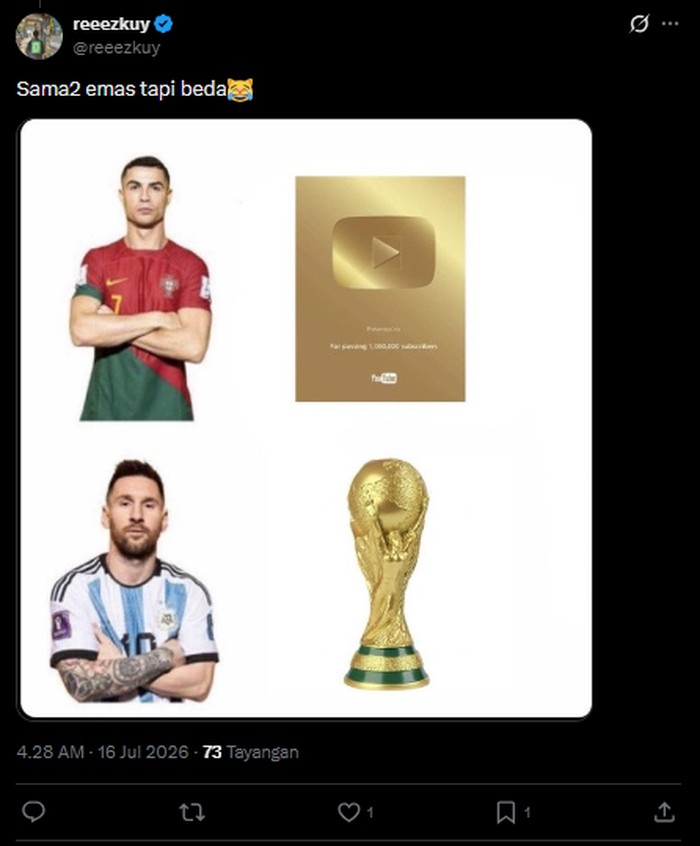
Targeted Satire: Fans of Cristiano Ronaldo and Real Madrid have become the primary targets of online "trolling," with memes highlighting the absence of their icons from the tournament’s final stage.
Club Rivalry Transposed: The international final is being viewed through the lens of El Clásico, with Barcelona fans claiming "moral victory" as their former and current stars (Messi and Yamal) dominate the headlines over Real Madrid’s Jude Bellingham and Kylian Mbappé.
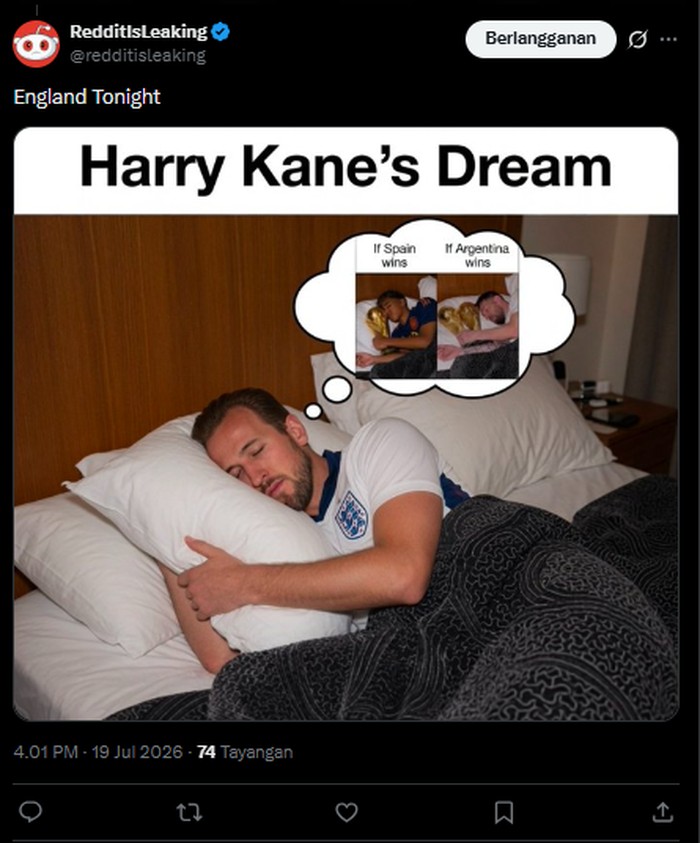
The "Kane Curse": Recurring jokes regarding Harry Kane’s inability to secure major silverware have resurfaced, framing him as a bystander to the success of Spain and Argentina.
Chronology: The Road to the Viral Peak
The surge in social media activity did not happen in a vacuum. It is the result of a month-long build-up where traditional powerhouses fell, and individual narratives took center stage.
The Group Stages and Early Knockouts
As the tournament progressed through North America, the narrative began to shift. Portugal’s early exit and England’s struggle to find cohesion provided the initial fuel for the "meme engines." While Cristiano Ronaldo’s fans remained hopeful for a deep run, the statistical dominance of Spain’s youth and Argentina’s tactical discipline began to create a divide in the digital space.
The Quarter and Semi-Finals
The turning point occurred during the semi-finals. Spain’s victory over a star-studded side featuring Real Madrid’s Kylian Mbappé allowed Barcelona supporters to claim a "systemic" victory for the La Masia academy. Simultaneously, Argentina’s clinical dispatch of their opponents—including a side featuring Jude Bellingham—set the stage for a final that felt like a referendum on the "Real Madrid vs. Barcelona" era of the 2010s.
The Eve of the Final
In the 48 hours leading up to the final, the volume of content reached a fever pitch. Platforms like X (formerly Twitter), Instagram, and TikTok saw a 400% increase in mentions of "Messi vs. Yamal." This was the moment the 15 specific memes highlighted in recent reports began to circulate globally, serving as the primary source of entertainment for neutral fans and a source of irritation for the "losers" of the digital war.
Supporting Data: Analyzing the Meme Archetypes
To understand the depth of this cultural moment, one must analyze the specific themes within the viral content. The memes are not merely jokes; they are data points reflecting global fan sentiment.
1. The Ronaldo-Madrid Antagonism
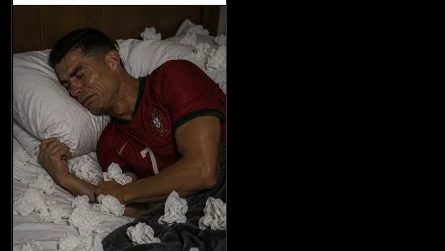
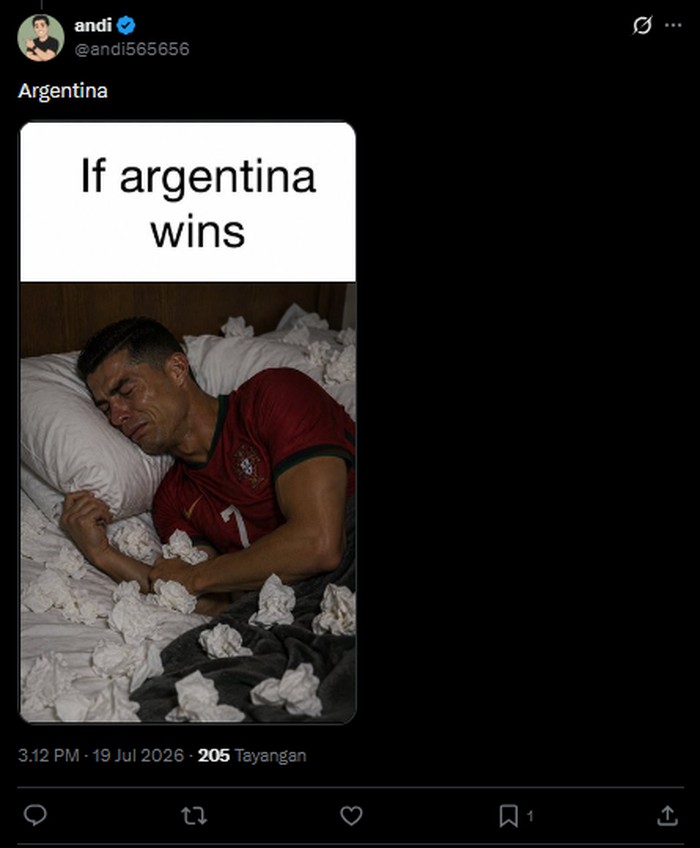
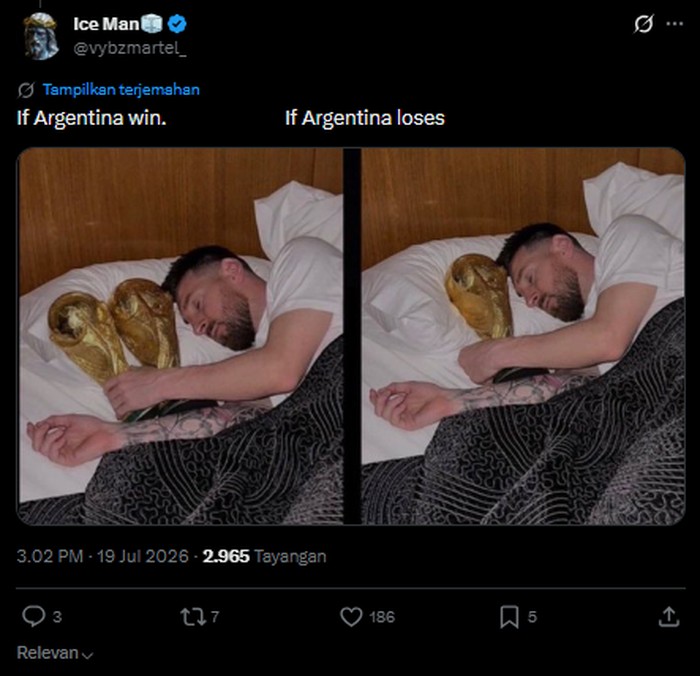
A significant portion of the viral content depicts fans of Cristiano Ronaldo in various states of distress. One popular meme shows a hypothetical image of Ronaldo’s reaction should Argentina win a second consecutive World Cup, effectively ending the "GOAT" (Greatest of All Time) debate in the eyes of many. Another trend tracks the "loyalty" of Ronaldo fans, jokingly suggesting they have hopped from supporting France (Mbappé) to England (Bellingham) and finally to Spain, simply to see Messi lose.
2. The Messi-Yamal "Shanks and Luffy" Analogy
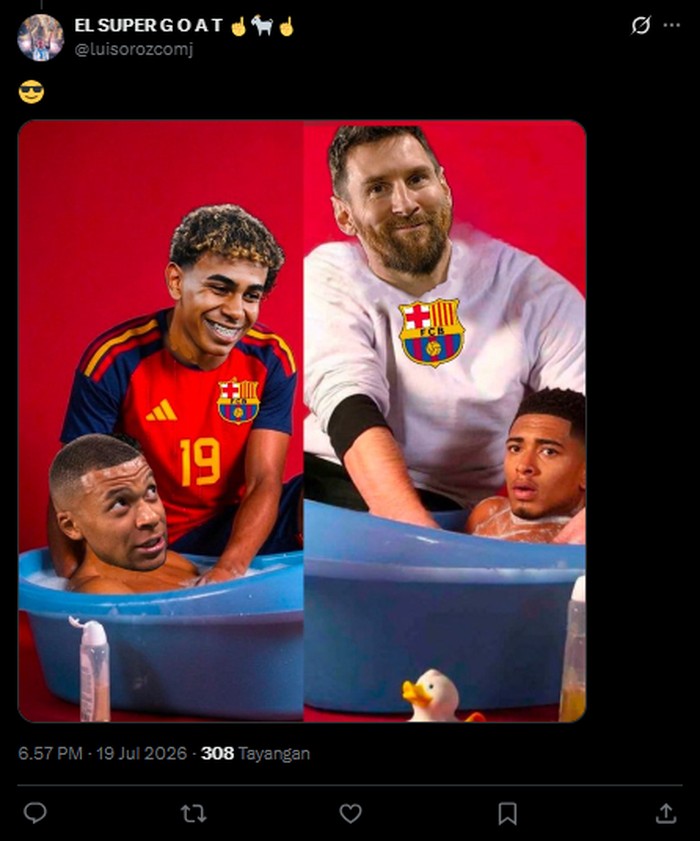
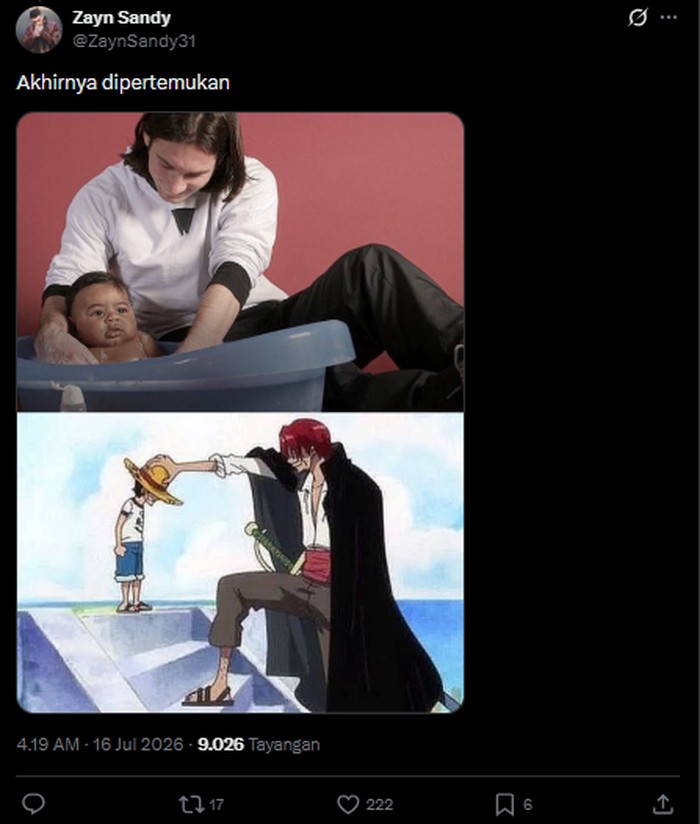
In a nod to the popular anime One Piece, one of the most shared images depicts Messi as "Red-Haired" Shanks passing his straw hat to a young Lamine Yamal (Luffy). This imagery leverages the famous 2007 photograph of a 20-year-old Messi bathing an infant Yamal for a charity calendar—a photo that has become the "Holy Grail" of football coincidences.
3. The "Kane Curse" Statistical Irony
Harry Kane remains a tragic figure in the meme world. Despite his world-class talent, his lack of trophies at the club and international level is contrasted against the rapid success of Spanish youngsters. Memes show Kane "dreaming" of the silverware that either Spain or Argentina will inevitably lift, highlighting the cruel nature of footballing fate.
4. The Barcelona Identity Crisis
Interestingly, the data shows a segment of Barcelona fans feeling conflicted. With their greatest-ever icon (Messi) facing off against their current crown jewel (Yamal), memes depict the "distracted boyfriend" or "two buttons" meme, where fans struggle to decide whose victory would better serve the club’s pride.
Official Responses and Expert Insights
While FIFA and the respective national federations maintain a strictly professional stance, the "social media departments" of major clubs and sports news outlets have leaned into the trend.
Digital Marketing Analyst, Marcus Thorne, notes:
"What we are seeing is the ‘Twitter-fication’ of sports history. The 2026 World Cup is the first tournament where AI-generated memes and high-speed viral cycles are dictating the pre-match narrative more than actual sports journalism. The fans aren’t just watching a game; they are participating in a global roast."
Social Media Sentiment Analysis:
Preliminary data from social listening tools indicates that:
65% of neutral fans are rooting for Spain due to the "underdog/youth" story of Yamal.
Argentina remains the most talked-about team, but with a higher "negative sentiment" score from rival fanbases (primarily Real Madrid and Portugal supporters).
The "Messi-Yamal" photo has reached an estimated 1.2 billion impressions across all platforms.
Implications: A New Era of Football Rivalry
The fallout of this digital war and the subsequent final will have long-lasting implications for the sport’s culture.
The End of the GOAT Debate
If Argentina secures the trophy, the digital consensus suggests that the Messi vs. Ronaldo debate will be "officially" closed. The memes currently circulating are a pre-emptive strike in this argument, preparing the ground for a permanent hierarchy in football history.
The Commercialization of "The Photo"
The 2007 photo of Messi and Yamal is expected to become one of the most valuable pieces of sports memorabilia and marketing imagery in history. Should Spain win, the "prophecy" meme will become a cornerstone of Spain’s national football identity, much like the 2010 "tiki-taka" era.
The Evolution of Fan Toxicity and Humor
The 2026 final proves that the "Real Madrid vs. Barcelona" rivalry is no longer tethered to the Spanish league. It is a global, borderless conflict that manifests in international tournaments. While the humor provides entertainment, the intensity of the "slander" (as termed by Gen Z fans) indicates a shift in how fans consume football—moving away from the 90-minute match and toward a 24/7 cycle of digital tribalism.
Impact on Player Mental Health
While memes are often dismissed as harmless, the targeted nature of the "Harry Kane" and "Cristiano Ronaldo" satires has sparked discussions among sports psychologists regarding the pressure of being a "living meme." As players become increasingly aware of their digital shadows, the psychological burden of avoiding "meme-able" failures may affect on-pitch performance.
Conclusion
As the clock ticks down to the kickoff in New York/New Jersey, the 15 memes circulating on X and other platforms serve as a vibrant, albeit chaotic, prelude to the main event. Whether it is the "prophecy" of Lamine Yamal or the "Last Dance" of Lionel Messi, the 2026 World Cup final has already been won and lost a thousand times over in the digital arena. For the fans, the result on the pitch will simply be the final frame in a story that the internet has already written.
The world now waits to see if reality will mimic the memes, or if football, in its infinite unpredictability, has one last twist to offer that the social media algorithms didn’t see coming.