Scandal at the Zoo: Former Surabaya Zoo Chief Charged in Massive $10.2 Billion Corruption Case
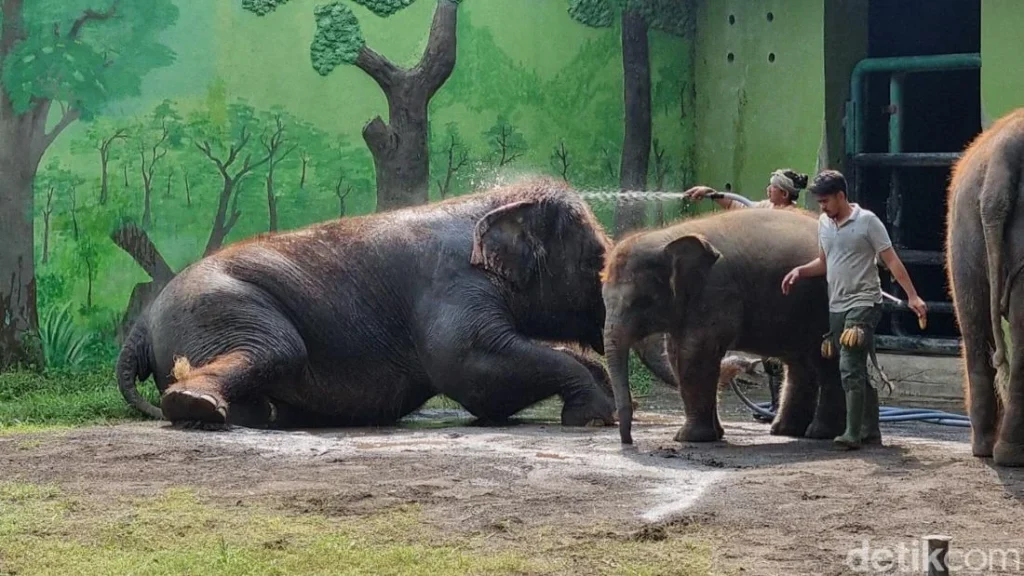
JAKARTA – In a shocking revelation that has sent ripples through the conservation community and public administration in East Java, the former President Director of the Surabaya Zoo (Kebun Binatang Surabaya/KBS), identified as Choirul Anwar, has been officially named a suspect in a high-profile corruption scandal. Anwar is accused of embezzling funds earmarked for animal welfare and operational maintenance, totaling a staggering Rp 10.2 billion (approximately $650,000 USD).
The investigation, spearheaded by the East Java High Prosecutor’s Office (Kejati Jatim), has uncovered a systemic pattern of financial mismanagement spanning nearly a decade. The case has sparked public outrage, particularly regarding the welfare of the animals housed at the historic institution, as funds intended for high-quality feed were allegedly diverted into the pockets of the zoo’s leadership.
The Core Allegations: A Betrayal of Public Trust
The scandal centers on the misappropriation of operational funds between 2016 and 2024. According to investigators, the funds were ostensibly allocated for the daily care, medical treatment, and, most critically, the nutrition of the zoo’s diverse collection of wildlife.
Assistant for Special Crimes (Aspidsus) at the East Java High Prosecutor’s Office, I Gede Punia, confirmed that the total loss to the state is estimated at Rp 10.2 billion. Of this amount, investigators have traced at least 50 percent directly to the personal accounts and expenditures of Choirul Anwar.
"From the total of approximately Rp 10 billion, about Rp 7.4 billion was funneled into personal interests," Punia stated during a press briefing on Friday, July 24, 2026. While the prosecutor did not disclose the specific nature of the "lavish lifestyle" or personal expenditures, the sheer scale of the diversion suggests a calculated effort to siphon funds from an institution struggling to maintain international animal welfare standards.
The crux of the fraud involved falsifying financial reports. While the books showed expenditures for animal feed and facility maintenance, the physical reality inside the zoo did not match the ledger. The budgets were systematically trimmed, and the difference was siphoned off through ghost invoices and manipulated procurement processes.
Chronology of the Investigation
The investigation into the Surabaya Zoo was not a sudden discovery but the result of a long-term inquiry into the institution’s financial governance.
The Initial Red Flags (2013–2016)
While the formal charges focus on the 2016–2024 period, investigators have been tracking financial discrepancies dating back to 2013. Prosecutors suggest that the culture of financial malpractice may have been deeply rooted in the organization’s administrative structure for over a decade.
The Deep Dive (2023–2024)
The momentum for the case accelerated in 2023 when auditors and internal investigators identified highly irregular cash outflows. It was discovered that the Direktur Utama (Dirut) had received approval for unauthorized expenditures from the then-Director of Finance. This internal collusion created a "closed loop" that allowed the misappropriation to continue undetected for years.
The Arrest and Formal Charges (July 2026)
Following months of gathering evidence, including the interrogation of 20 key witnesses—ranging from mid-level zoo staff to external vendors—the Kejati Jatim officially named Choirul Anwar a suspect on Wednesday, July 22, 2026. He was immediately taken into custody and transferred to the detention center at the East Java High Prosecutor’s Office.
Supporting Data and Financial Manipulation
The evidence gathered by the Kejati Jatim suggests that the corruption was not merely a case of petty theft but a sophisticated manipulation of the zoo’s corporate treasury.
Procurement Fraud
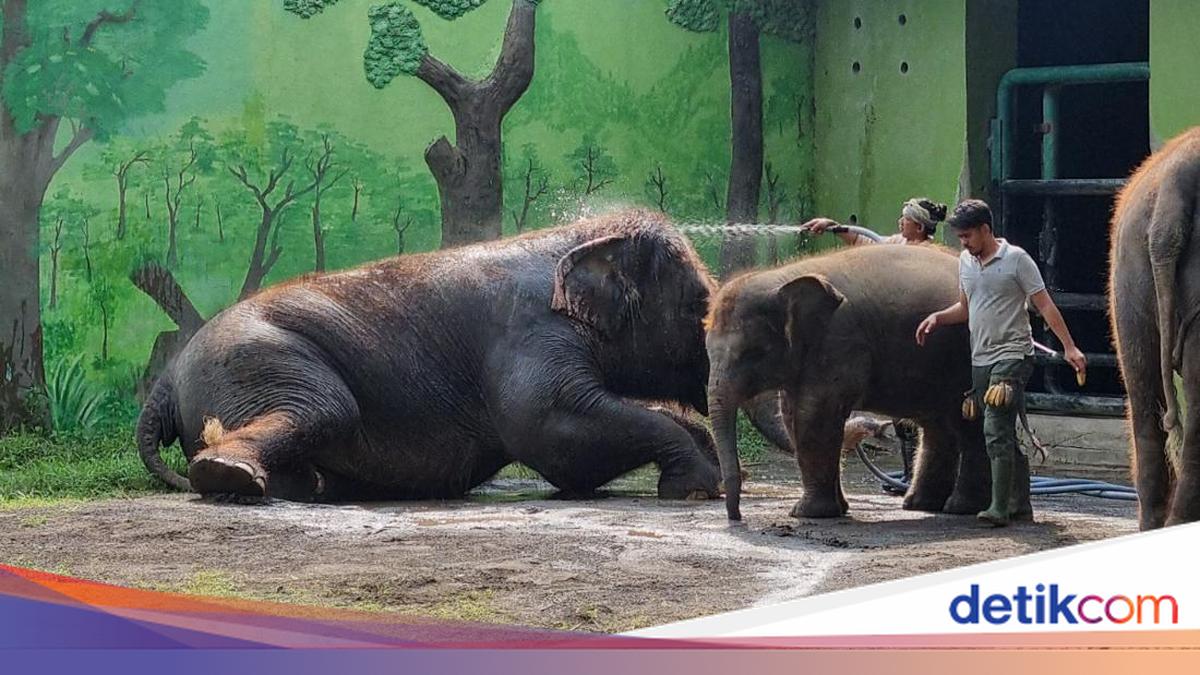
The zoo’s budget for animal feed is substantial, given the variety of species ranging from herbivores to apex predators. By artificially inflating the cost of feed or under-supplying the animals, Anwar and his accomplices allegedly generated a "surplus" in the procurement budget. This surplus was then moved out of the zoo’s accounts under the guise of legitimate operational costs.
Lack of Oversight
The investigation has highlighted a severe failure in the corporate governance of the Perusahaan Daerah Taman Satwa (the regional government-owned entity managing the zoo). Investigators found that financial oversight mechanisms were either bypassed or actively silenced by the executive leadership. The fact that such a large sum could be diverted over an eight-year period suggests a total breakdown of internal auditing protocols.
Official Responses and the Pursuit of Justice
The East Java High Prosecutor’s Office has maintained a firm stance throughout the proceedings. I Gede Punia emphasized that the investigation is far from over.
"Korupsi (corruption) is rarely a solo act," Punia stated, hinting that further arrests are imminent. "We are currently conducting a deep analysis of the evidence. We are looking at the roles of other individuals, including those who may have facilitated these transactions or turned a blind eye to the irregularities."
The legal team representing the State is currently working to calculate the exact extent of the financial damage. They have indicated that the Rp 10.2 billion figure is a "temporary calculation" based on initial findings, and it is highly likely that the final total could increase as the forensic audit of the zoo’s books from 2013 to 2016 is finalized.
The detention of Choirul Anwar serves as a signal that the government is cracking down on the management of regional assets. The prosecutor’s office has pledged to be transparent with the public, promising regular updates as the case proceeds to the indictment phase.
Implications: Animal Welfare and Institutional Reform
The fallout from this scandal extends far beyond the courtroom. The Surabaya Zoo has long been under scrutiny for its ability to provide world-class care for its animals. The revelation that billions of rupiah meant for these creatures were spent on the personal whims of a director has caused widespread anger.
Impact on Animal Care
Wildlife experts note that a deficit of Rp 10 billion over eight years is significant enough to impact the quality of nutrition, veterinary medical supplies, and habitat maintenance. While the zoo continues to operate, the scandal raises critical questions about the current health and living conditions of the animals, many of whom are endangered species requiring specialized diets and environment control.
Calls for Administrative Overhaul
Local activists and animal welfare advocates are now calling for a complete overhaul of the zoo’s management structure. There is a strong push for the implementation of independent, third-party audits to ensure that the zoo’s finances are never again left solely in the hands of political appointees or directors without adequate oversight.
The regional government of Surabaya is expected to appoint an interim management team to stabilize the zoo’s operations and restore public confidence. Analysts suggest that this case will likely become a benchmark for how regional government-owned enterprises (BUMD) are audited and managed in the future.
Conclusion: A Long Road Ahead
As Choirul Anwar awaits his day in court, the case serves as a somber reminder of the dangers of unchecked power in public institutions. For the Surabaya Zoo, the challenge is two-fold: it must survive the legal storm and the resulting reputational damage, while ensuring that its primary mission—the protection and care of its animal inhabitants—remains uncompromised.
The investigative team at the Kejati Jatim remains under pressure to deliver a comprehensive case. With the potential for more suspects to be named, the coming months will be critical in determining whether the corruption was the act of a few individuals or a systemic rot that permeated the very core of the institution.
For now, the gates of the Surabaya Zoo remain open, but the institution itself is under a cloud. As the trial progresses, the citizens of Indonesia will be watching closely to see if justice is served for both the taxpayers and the animals who suffered in silence.
Disclaimer: This report is based on current investigative findings provided by the East Java High Prosecutor’s Office. Further updates will be provided as the legal process continues.