The Golden Harvest: A Deep Dive into the World’s Most Expensive Durian Varieties
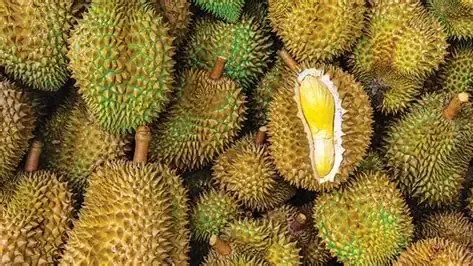
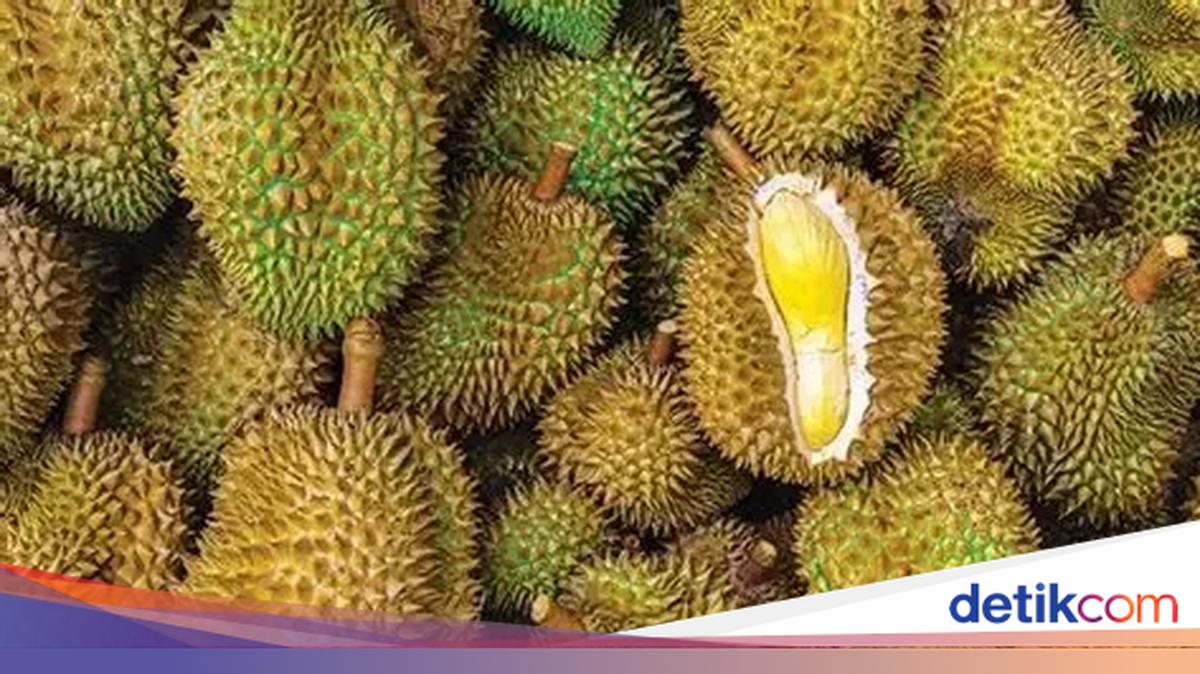
Jakarta – Known globally as the "King of Fruits," the durian has transcended its reputation as a polarizing snack to become a symbol of culinary luxury. While most people associate the fruit with local markets, a small, elite segment of the durian market commands prices that rival high-end jewelry and luxury vehicles. From the slopes of Thailand to the orchards of Central Java, these premium cultivars are redefining the economics of tropical agriculture.
The Economics of Luxury: Why Durian Commands Premium Prices
The global appetite for durian has shifted significantly over the last decade. Once a regional delicacy, the fruit has become a highly sought-after commodity, particularly in markets like China, Singapore, and the Middle East. The factors driving the exorbitant prices of top-tier durians are rooted in a combination of biological rarity, rigorous cultivation standards, and the psychological allure of exclusivity.
Agricultural experts note that producing a "premium" durian is a process that requires years of patience. Unlike mass-market fruits, these high-value varieties are often the product of decades of selective breeding, precise soil management, and micro-climate control. When a single fruit fetches upwards of $50,000, it is no longer just a food item; it is an asset, a status symbol, and a testament to the artisan craft of the farmer.
1. The Titan of Thailand: The Kanyao Phenomenon
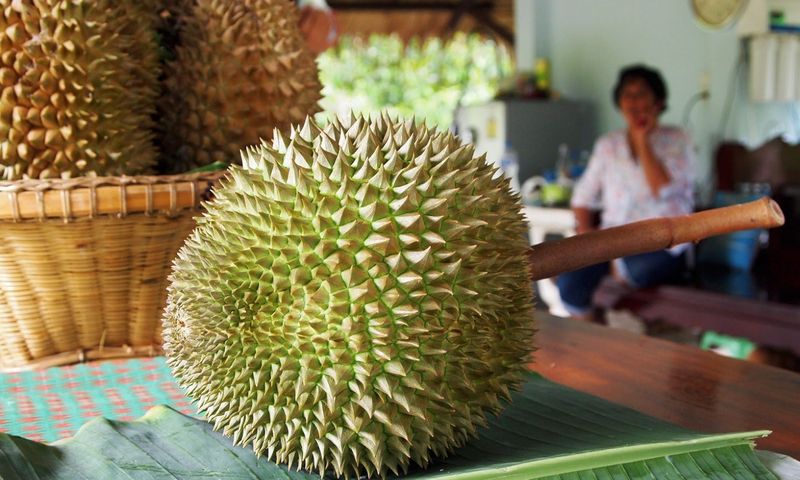
At the pinnacle of the world’s most expensive durians sits the Kanyao (or Kan Yao), hailing from the Nonthaburi province in Thailand. Its name, which translates to "long stalk," refers to the distinctively elongated stem that distinguishes it from more common varieties.
The Record-Breaking Auction
In a historic 2019 auction that shocked the global agricultural community, a single Kanyao durian was sold for a staggering 1.5 million Thai Baht, approximately US$48,000 (or roughly Rp862 million). This sale effectively cemented the Kanyao’s status as the most expensive fruit in history.
The Kanyao is prized for its impeccable texture—a buttery, creamy consistency that melts on the tongue without the fibrous strings found in lesser varieties. Its aroma is notably more restrained than the pungent odor typically associated with durians, making it more accessible to high-end global consumers. The scarcity of these fruits, often grown on ancestral trees that receive meticulous individual care, ensures that supply remains far below demand.
2. China’s Rising Star: The Sanya Cultivar
As China solidifies its position as the world’s largest importer and a burgeoning producer of durian, the domestic market has begun to produce its own luxury varieties. The Sanya durian, cultivated in the tropical climate of Hainan Province, has emerged as a premium contender.
Market Dynamics
Sanya durians have been recorded selling for as much as US$5,000 (Rp89.9 million) per fruit. The emergence of the Sanya highlights a shift in global agricultural power. By successfully cultivating high-quality durians on Chinese soil, producers are aiming to reduce reliance on Southeast Asian imports. The Sanya is frequently purchased by the Chinese elite as a luxury gift, serving as a token of prestige during traditional festivals and high-stakes business dealings.
3. The Malaysian Icons: Musang King and Black Thorn
While Thailand holds the record for the most expensive single fruit, Malaysia dominates the high-end retail market through its consistently superior export varieties: Musang King and Black Thorn.
Musang King (D197)
Musang King is arguably the most famous durian in the world. Known for its deep golden flesh and a flavor profile that balances intense sweetness with a sophisticated, lingering bitterness, it is the benchmark for premium quality. Retail prices typically range between Rp400,000 and Rp700,000 per kilogram. Its popularity is so immense that it has spawned a massive secondary market for durian-flavored desserts, from mooncakes to artisanal ice creams.
Black Thorn (Duri Hitam)
The Black Thorn has recently challenged the Musang King’s supremacy. Recognized by its vibrant, almost orange-hued flesh, the Black Thorn is favored for its incredibly creamy, custard-like mouthfeel. Because its production is more limited than the Musang King, its price often climbs during off-peak seasons, occasionally surpassing its more famous counterpart.
4. Indonesia’s Pride: The J-Queen
Indonesia, a major player in the durian industry, captured international headlines in 2019 with the emergence of the J-Queen variety from Banyumas, Central Java.
The Rise of J-Queen
When a single J-Queen durian appeared on the market with a price tag of Rp14 million, it sparked a national conversation about the potential of Indonesian agriculture. The J-Queen is characterized by its large size, typically weighing between three to four kilograms, and a complex flavor profile that starts with an intense sweetness followed by a nuanced, bitter finish. The rarity of the J-Queen stems from its highly specific growing conditions, which make it difficult to mass-produce, thereby keeping its value high among connoisseurs.
Chronology of Market Escalation
The transition of durian from a street-side snack to a luxury investment did not happen overnight. The following timeline illustrates the evolution:
- Pre-2010: Durian was primarily a regional commodity. Prices were determined by local seasonal yields.
- 2010–2015: The rise of middle-class purchasing power in China and Singapore creates a surge in demand for premium Malaysian varieties like the Musang King.
- 2017: The "Black Thorn" gains significant traction as a gourmet alternative, pushing retail prices to record highs in Southeast Asia.
- 2019: The landmark auction of the Kanyao in Thailand (US$48,000) and the debut of the J-Queen in Indonesia (Rp14 million) signal that the durian has officially entered the "luxury asset" class.
- 2020–Present: Increased focus on localized production in China (Sanya) and the implementation of advanced agricultural technology to ensure "perfect" fruit characteristics.
Supporting Data: Factors Influencing Price
To understand why these prices are sustainable, one must look at the variables that affect the final market value:
- Orchard Age: Older trees (30+ years) are believed to produce fruit with more complex flavor profiles, justifying higher prices.
- Seasonal Scarcity: Extreme weather, such as prolonged droughts or excessive rain, can decimate a harvest. In such years, the price of premium durians can double overnight.
- Traceability: Modern consumers are willing to pay a premium for "farm-to-table" transparency, where the history of the tree and the specific farming practices are documented.
- Aesthetic Perfection: In the luxury market, the external appearance—shape, thorn density, and stem integrity—is as important as the taste.
Official Responses and Agricultural Implications
Governments in Southeast Asia have responded to the "Durian Boom" with strategic planning. In Malaysia, the Ministry of Agriculture and Food Security has launched initiatives to promote sustainable farming practices to ensure that the Musang King and Black Thorn maintain their high-quality standards amidst growing international demand.
In Indonesia, agricultural scientists are working to preserve local cultivars like the J-Queen, recognizing that these varieties are part of the nation’s biological heritage. There is a growing emphasis on protecting the intellectual property of these premium hybrids to prevent unauthorized replication by international competitors.
The Future: Implications of the Durian Luxury Market
The rise of luxury durians has significant implications for both the agricultural sector and the global economy:
- For Farmers: The transition to premium farming offers a pathway to higher income, provided they have the capital to invest in irrigation, organic fertilizers, and pest management.
- For Consumers: While the average consumer may be priced out of the $48,000 Kanyao, the increased focus on quality has resulted in a better, more consistent supply of "high-mid" range durians for the general market.
- For Trade: Durian is no longer a peripheral fruit; it is a strategic trade asset. Nations are now negotiating bilateral trade agreements specifically centered on the export of frozen and fresh durian, reflecting its status as a high-value global commodity.
In conclusion, the world of expensive durians is a fascinating intersection of nature and human ambition. As long as there are connoisseurs willing to pay for the ultimate sensory experience, the "King of Fruits" will continue to command prices that reflect its status as a treasure of the tropics. Whether it is the legendary Kanyao or the robust J-Queen, these fruits remind us that in the world of gastronomy, true excellence is truly priceless.