Navigating the Modern Gut: A Comprehensive Analysis of Ultra-Processed Foods and Gastrointestinal Health
JAKARTA — In the relentless rush of modern urban life, mornings are frequently defined by a race against the clock. For millions of professionals and students alike, breakfast has devolved from a mindful, balanced meal into a transactional necessity—grabbed on the go, unwrapped from brightly colored packaging, and consumed while commuting. Among the most popular casualties of this time-crunch culture is the humble protein bar, alongside an assortment of instant cereals, diet sodas, and savory processed meats.
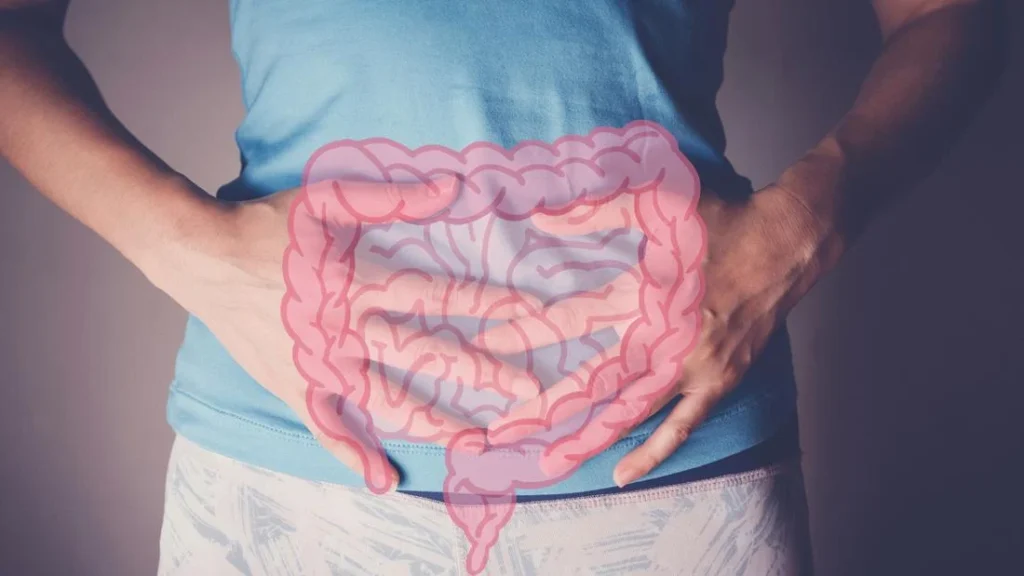
While these ultra-processed foods (UPFs) promise convenience and immediate sustenance, a growing body of medical consensus warns that our fast-paced dietary shortcuts are exacting a heavy toll on our long-term physiological well-being. Chief among the casualties of the modern diet is the human gastrointestinal tract—a complex, delicate ecosystem that dictates not only digestion but also immune function, metabolic health, and even neurological balance.
Shedding light on this critical public health issue, Dr. Parameshwara C. M., a renowned colorectal surgeon and gut health specialist, has recently outlined a definitive list of everyday food items he strictly avoids. Drawing from clinical experience and emerging nutritional science, Dr. Parameshwara’s insights offer a sobering look at how common supermarket staples quietly undermine digestive integrity.
Main Facts: The Hidden Culprits in Our Daily Diets
The modern supermarket is engineered for convenience, shelf-life, and hyper-palatability. However, the chemical wizardry required to keep a snack edible for months on a shelf often clashes fundamentally with human biology. According to Dr. Parameshwara, several categories of food, though seemingly innocuous, possess chemical profiles that actively disrupt gut homeostasis.
At the core of the issue is the proliferation of ultra-processed foods. These are formulations characterized by substances derived from foods or synthesized in laboratories, rather than whole culinary ingredients. Dr. Parameshwara’s avoidance list spans seven major categories: artificial food colorings, commercial protein bars, high-sugar breakfast cereals, artificial sweeteners, processed meats, high-sugar condiments, and foods laden with synthetic emulsifiers.
Far from being inert fuel, these items introduce foreign chemical entities, massive sugar spikes, and gut-irritating additives into the digestive tract. Over time, chronic exposure to these substances can degrade the mucosal lining of the intestines, starve beneficial bacteria, provoke systemic inflammation, and elevate the long-term risk of severe gastrointestinal pathologies.
Chronology: The Evolution of Ultra-Processed Foods and the Rise of Gut Disorders
To understand how we arrived at an era where colorectal surgeons must warn the public against common breakfast bars, it is necessary to examine the historical trajectory of the global food supply chain.
The Mid-20th Century: The Industrialization of Food
The mass production of ultra-processed foods began in earnest following the Second World War. Propelled by advancements in chemical engineering, food science, and mass manufacturing, the global food industry shifted its focus toward extended shelf-life and reduced preparation times. Hydrogenated oils, artificial colorings, and synthetic preservatives were introduced as miracles of modern efficiency.
The Late 20th Century: The Low-Fat Craze and Sugar Substitutes
By the 1980s and 1990s, dietary guidelines shifted dramatically against dietary fats, creating a massive market demand for "low-fat" and "fat-free" products. To compensate for the loss of flavor and texture when fat was removed, manufacturers heavily increased the concentration of refined sugars, high-fructose corn syrup, and newly approved artificial sweeteners like aspartame, sucralose, and saccharin. Concurrently, the marketing of convenience foods exploded, cementing pre-packaged breakfast cereals and snack bars as staples of the Westernized household.
The 21st Century: The Microbiome Revolution and Modern Epidemiology
As chronic non-communicable diseases—including inflammatory bowel disease (IBD), metabolic syndrome, and early-onset colorectal cancer—began to rise sharply in the 21st century, medical researchers turned their attention to the human microbiome. Advanced genetic sequencing technologies revealed that the trillions of microbes residing in the human gut play a profound role in human health.
Concurrently, epidemiological studies began establishing a clear correlation between the consumption of ultra-processed foods and deteriorating health outcomes. Today, healthcare professionals like Dr. Parameshwara stand at the frontline of a paradigm shift, attempting to reverse decades of dietary conditioning by educating the public on the biological cost of convenience.
Supporting Data: Breaking Down the Seven Gut Disruptors
To fully comprehend why these foods pose a threat, a detailed examination of Dr. Parameshwara’s targeted categories reveals the specific mechanisms by which they harm the digestive system.
1. Artificial Food Colorings
Brightly colored candies, neon-hued chips, and artificially tinted processed snacks frequently rely on petroleum-based synthetic dyes, most notably Red 40 and Yellow 5.
- The Mechanism: These chemical agents offer zero nutritional value. Instead, toxicological studies suggest they can provoke low-grade, chronic inflammation along the delicate mucosal lining of the intestines.
- The Alternative: Dr. Parameshwara advocates for nutrient-dense whole foods such as raw nuts, pumpkin seeds, or fresh berries, which provide natural antioxidants and fiber.
2. Commercial Protein Bars
Marketed as health foods for gym-goers and busy professionals, many commercial protein bars are nutritional wolves in sheep’s clothing.
- The Mechanism: To achieve a chewy texture and extended shelf-life without excessive natural sugars, manufacturers often incorporate sugar alcohols (such as maltitol or sorbitol) and various chemical binders. These compounds can be notoriously difficult for the human digestive tract to break down, frequently leading to osmotic imbalances, severe bloating, gas, and gastrointestinal distress.
- The Alternative: Whole-food protein sources that require minimal industrial processing, including boiled eggs, fresh fish, lentils, or cottage cheese.
3. High-Sugar Breakfast Cereals
Cereals remain a breakfast table staple due to their ease of preparation. However, many commercial varieties are essentially desserts disguised as morning fuel.
- The Mechanism: Loaded with refined carbohydrates and high amounts of added sugars, these cereals cause a rapid spike in blood glucose levels, followed just as quickly by a severe reactive hypoglycemia (energy crash). Beyond metabolic strain, high simple sugar loads feed opportunistic, inflammatory bacteria in the gut while starving diverse, beneficial strains.
- The Alternative: Traditional whole grains such as rolled oats, customized with the addition of chia seeds and fresh, fiber-rich fruits.
4. Artificial Sweeteners
Often turned to by individuals seeking weight loss or glycemic control, artificially sweetened beverages and diet sodas utilize compounds like sucralose and saccharin.
- The Mechanism: While they bypass the caloric load of sugar, these chemical sweeteners are far from biologically inert. Citing recent scientific literature, Dr. Parameshwara notes that artificial sweeteners can directly alter the delicate composition of the gut microbiome, inhibiting beneficial bacterial species and potentially triggering glucose intolerance.
- The Alternative: Sparkling water infused with a squeeze of fresh lime, or unsweetened herbal teas.
5. Processed Meats
Items such as bacon, hot dogs, pepperoni, and various deli meats commonly found in sandwiches fall into this category.
- The Mechanism: Processed meats are classified by the World Health Organization (WHO) as Group 1 carcinogens, meaning there is definitive evidence linking them to cancer in humans—specifically colorectal cancer. The nitrates, nitrites, and polycyclic aromatic hydrocarbons generated during curing and smoking processes can damage the epithelial cells lining the colon.
- The Alternative: Fresh, lean, and minimally processed protein options like poultry, eggs, fish, and plant-based proteins such as lentils.
6. High-Sugar Condiments
Ketchup, barbecue sauces, and commercial salad dressings are notorious for concealing massive amounts of sugar behind savory flavor profiles.
- The Mechanism: Dr. Parameshwara points out that a single serving of certain commercial sauces can contain up to four teaspoons of hidden, refined sugars. This contributes to systemic inflammation and disrupts the metabolic balance of the gut flora.
- The Alternative: Enhancing meal flavors naturally using extra virgin olive oil, fresh lemon juice, or homemade salsa free from industrial additives.
7. Synthetic Emulsifiers
Found in commercial baked goods, ice creams, and ultra-processed dairy products, additives like polysorbate 80 are utilized to blend oil and water, ensuring smooth textures and prolonged shelf-life.
- The Mechanism: Experimental research indicates that synthetic emulsifiers can act like household detergents within the digestive tract, actively eroding the thick layer of protective mucus that shields the intestinal walls from bacteria and digestive enzymes. This degradation paves the way for increased intestinal permeability (often referred to as "leaky gut") and chronic immune activation.
- The Alternative: Plain, unflavored Greek yogurt combined with a touch of natural honey.
Official Responses and Medical Consensus
The warnings issued by Dr. Parameshwara are not isolated opinions; they align closely with a growing chorus of statements from international health bodies, gastroenterological associations, and nutritional epidemiologists worldwide.
Public health organizations, including the World Health Organization (WHO) and various national ministries of health, have increasingly turned their regulatory gaze toward ultra-processed foods. In recent years, several countries have updated their national dietary guidelines to explicitly advise citizens to limit or avoid UPFs, pointing to their direct link with the global epidemics of obesity, type 2 diabetes, and gastrointestinal malignancies.
Gastroenterologists and colorectal surgeons emphasize that the gut is not merely a passive pipe through which food passes; it is an active endocrine and immune organ. Medical societies continuously stress that the rising incidence of early-onset colorectal cancer—diagnosed with alarming frequency in individuals under the age of 50—cannot be explained by genetics alone. Environmental factors, chief among them the widespread adoption of Westernized diets heavy in ultra-processed foods, are widely considered by the medical community to be primary catalysts.
Furthermore, nutritional researchers advocate for a precautionary approach to food additives. Many chemicals approved decades ago under older safety paradigms are currently undergoing re-evaluation as advanced molecular biology uncovers their subtle, long-term impacts on the human microbiome.
Implications: Reclaiming Long-Term Health Through Mindful Nutrition
The implications of our dietary habits extend far beyond individual waistlines or momentary bouts of indigestion. As modern societies grapple with rising healthcare costs and an epidemiological shift toward chronic lifestyle diseases, the preservation of gut health has emerged as a cornerstone of preventive medicine.
The Paradigm Shift in Preventive Healthcare
Healthcare systems are increasingly recognizing that treating chronic conditions downstream is unsustainable. Shifting the focus upstream—toward dietary education and nutritional literacy—is essential. When specialists like Dr. Parameshwara deconstruct everyday conveniences like protein bars and diet sodas, it serves as a wake-up call that modern dietary habits require a fundamental reassessment.
Practical Steps for the Consumer
Reclaiming digestive health does not require abandoning modern life or adopting impossible culinary standards. Rather, it demands a conscious return to fundamental culinary principles:
- Prioritize Whole Foods: Whenever possible, choose foods that resemble their natural state. An apple, a handful of raw almonds, or a freshly prepared egg breakfast requires no ingredient label because it is the ingredient.
- Read Labels Critically: Learn to decode food packaging. If a product contains an ingredient list resembling a high school chemistry textbook—filled with artificial colorings, hydrogenated oils, unpronounceable emulsifiers, and hidden sugars—it is best left on the shelf.
- Embrace Culinary Simplicity: Preparing simple meals using basic, wholesome components (such as olive oil, fresh herbs, whole grains, and lean proteins) significantly reduces exposure to gut-disrupting additives.
Ultimately, the choices we make at the breakfast table and grocery aisle resonate deeply within us. By trading industrial convenience for biological nourishment, individuals can protect the delicate ecosystem of the gut, fortify their long-term health, and ensure that the rush of modern life does not come at the ultimate expense of well-being.