Navigating the American Dream: Crucial Visa Preparation Strategies for Indonesian Students
Jakarta – For many Indonesian students, the dream of pursuing higher education in the United States represents the pinnacle of academic and professional aspiration. However, the path to American universities is paved with more than just rigorous entrance exams and stellar grade point averages. Beyond the ivory towers of the Ivy League and top-tier research institutions, students face a formidable gatekeeper: the United States student visa process.
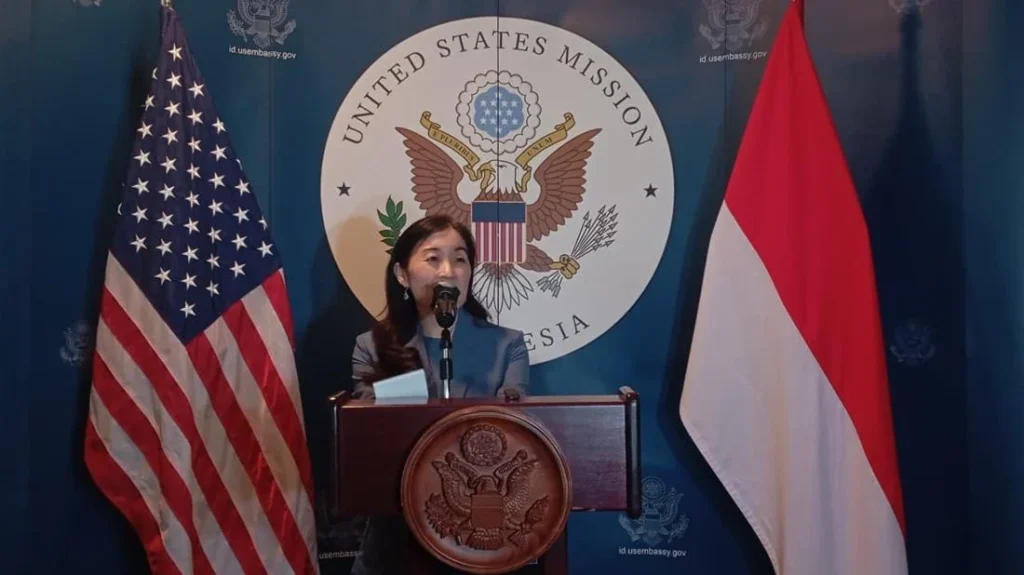
A recent surge in administrative errors has prompted officials to issue a stern warning to prospective students: procrastination and clerical negligence are the primary reasons behind study-abroad failures. During the EducationUSA Indonesia Fall Fair 2026, held at Hotel Le Meridien, Jakarta, on Sunday (September 20, 2026), U.S. Chargé d’Affaires Joy Sakurai underscored that the path to a U.S. visa requires precision, patience, and a proactive mindset.
The Perils of Procrastination: Why Timing is Everything
The most common pitfall for Indonesian applicants, according to Sakurai, is the tendency to leave administrative tasks until the eleventh hour. Many students mistakenly believe that securing an acceptance letter from a university is the final hurdle, ignoring the fact that immigration processing operates on its own timeline, independent of academic calendars.
"Students should not procrastinate. They must plan and organize their applications with meticulous care," Sakurai stated during the fair.
The logistical reality of the visa process is multifaceted. It involves securing an I-20 form from the host institution, paying the SEVIS fee, completing the DS-160 visa application, and finally, scheduling a consular interview. Each of these steps carries its own processing time. When students wait until a few weeks before their flight to schedule their interview, they risk falling into a "logistical trap."
Printing a visa and processing a passport is not an instantaneous affair. It requires a sequence of security clearances and administrative checks that can be delayed by high application volumes, public holidays, or unforeseen technical glitches. By pushing these deadlines to the limit, students jeopardize their enrollment, potentially missing orientation weeks or the start of the semester entirely.
The "Name Game": Preventing Clerical Discrepancies
One of the most frequent, yet avoidable, issues reported by the U.S. Embassy is the discrepancy in applicant naming conventions. In Indonesia, it is common for individuals to have names spanning three, four, or even five words, often reflecting cultural or regional naming traditions. Conversely, the U.S. bureaucratic system—and many Western administrative frameworks—are built upon a binary "First Name, Last Name" structure.
Sakurai highlighted that this cultural difference often leads to confusion when students fill out digital immigration forms. "They must use all the information exactly as it appears in their passport. They need to have their passport in front of them and use the exact name format generated on every single form," she advised.
The Consequences of Inconsistency
The implications of a mismatched name are severe. If a student’s name on their DS-160 application does not perfectly mirror their passport, or if their appointment booking uses a different variation, the immigration system may flag the application as suspicious or fraudulent.
"Even when they make an appointment for their visa, they must use the name as stated on their passport. If they do not do so, we will have difficulty verifying their identity. We cannot process an applicant if their ID, passport, and visa application do not have the same name," Sakurai warned.
This is not merely a bureaucratic preference; it is a critical security measure. For international students, the consistency of their identity across all U.S. government databases is the bedrock of their legal status. A minor typo or an omission of a middle name can lead to an administrative "administrative processing" delay, which can last weeks or even months, effectively derailing the student’s academic plans.
Digital Literacy and Document Management
In an era where most visa processes have migrated online, the ability to navigate digital portals is an essential skill. However, many students fail to leverage the resources available to them, leading to incomplete or incorrectly filled documents.
Sakurai emphasized that there is no excuse for being uninformed. "We have partners and resources available that provide detailed guidance on how to fill out these documents," she noted. She encouraged students to utilize the EducationUSA network, which provides free, comprehensive advising for those looking to study in the U.S.
The Checklist Approach
The key to a successful visa application, according to the U.S. embassy, is the "checklist approach." Students should:
- Verify Requirements: Visit the official U.S. Embassy and Consulates in Indonesia website to review the specific requirements for F-1 or M-1 visas.
- Standardize Information: Create a master document that contains the exact spelling and formatting of their name, address, and biographical data to be used across all platforms.
- Document Verification: Ensure that all financial documents, proof of funding, and academic transcripts are original and accessible.
"We want to ensure that students are organized, careful in their planning, and truly prepared with all the necessary documents," said Sakurai. "For a student visa, you must verify the requirements so you can prepare better, because not everything can be handled at the last minute."
Implications for Future Scholars
The implications of these administrative failures extend far beyond the individual student. When a student fails to secure a visa due to poor preparation, it leaves a vacant seat at a prestigious university and results in the loss of time and money spent on application fees and travel arrangements. Furthermore, it creates unnecessary strain on the consular sections, which are forced to manage a higher volume of inquiries and requests for status updates caused by avoidable errors.
The Broader Impact
The U.S. educational system values the diversity and talent that Indonesian students bring to their campuses. However, international students are guests in the country, and the burden of proof regarding their identity and intent to study rests entirely on them.
Sakurai’s message serves as a reminder that being a successful candidate for a U.S. university requires more than just academic intelligence; it requires "administrative intelligence." Being able to navigate the U.S. immigration system is, in many ways, the first test of a student’s readiness to live and work in a globalized, highly regulated environment.
Conclusion: A Call for Proactive Preparation
As the 2026 academic cycle approaches, the U.S. Embassy in Jakarta is doubling down on its efforts to educate students on the importance of the visa process. The consensus among officials is clear: while the U.S. welcomes students from Indonesia, the responsibility for a smooth transition rests on the shoulders of the applicants themselves.
Students are urged to:
- Start early: Begin the visa process as soon as the I-20 is received.
- Be precise: Use the exact name format from the passport on all forms.
- Seek help: Use official resources like EducationUSA to clarify doubts.
- Stay organized: Keep a physical and digital folder of all correspondence and documents.
By treating the visa application as an integral part of their academic journey rather than a bureaucratic chore, Indonesian students can ensure that their path to the United States remains unobstructed, allowing them to focus on what truly matters: their education and their future.
"As long as all documents are checked and completed, I don’t think there will be any problems," Sakurai concluded, offering a final note of encouragement to those who take the preparation process seriously. The dream of studying in the U.S. is well within reach, provided the foundation is built on accuracy, discipline, and a thorough understanding of the requirements at hand.