Honoring the Architects of a Nation: Indonesia Bestows National Hero Status Upon 10 Iconic Figures in 2025
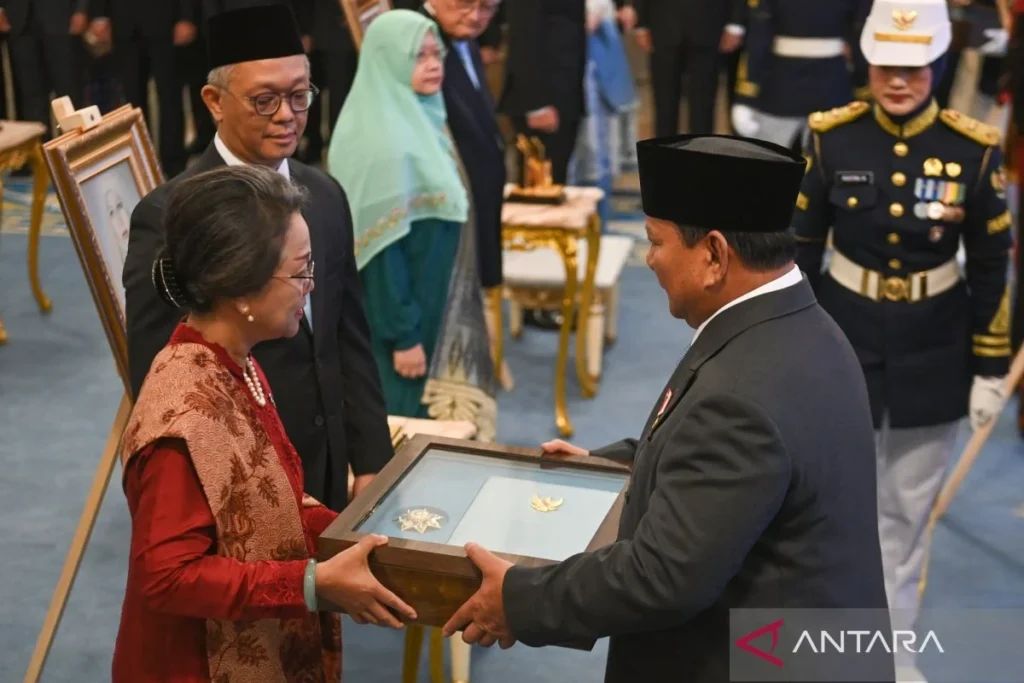
JAKARTA – On November 10, 2025, as the Indonesian nation stood in solemn reflection to commemorate National Heroes’ Day—a date etched in history to honor the relentless spirit of those who paved the path toward sovereignty—a historic milestone was reached. At the Presidential Palace in Jakarta, President Prabowo Subianto presided over a momentous state ceremony, officially conferring the title of "National Hero" (Pahlawan Nasional) upon ten distinguished figures who have left an indelible mark on the nation’s journey.
This year’s induction is particularly significant for its breadth and diversity. From heads of state who navigated the complexities of global politics to grassroots activists who stood as the vanguard for labor rights, the 2025 class of National Heroes reflects the multifaceted nature of Indonesian progress.
The Ceremony: A Nation Remembers
The proceedings commenced with a profound moment of silence, a collective pause led by President Prabowo to honor the sacrifices of the nation’s forebears. The ceremony followed the formalization of the titles under Presidential Decree (Keppres) Number 116.TK/2025, signed on November 6, 2025.
The conferring of these titles serves as the highest form of state appreciation. In his address, the President emphasized that the heroes of 2025 represent the pillars of the Indonesian identity: resilience, intellectual integrity, and an unwavering commitment to the welfare of the people.
The 2025 National Heroes: Profiles in Courage and Dedication
The ten individuals recognized this year hail from vastly different eras and sectors, yet they share a common thread of selfless service to the Republic.
1. Jenderal Besar TNI Soeharto
As the second President of Indonesia, Soeharto remains one of the most consequential figures in the nation’s history. Born in Kemusuk, Yogyakarta, on June 8, 1921, he served for over three decades (1966–1998). While his tenure was marked by complex debates regarding his governance style, his administration oversaw substantial economic growth, infrastructure development, and the establishment of national stability that defined the "New Order" era. His influence on Indonesia’s geopolitical standing remains a subject of intense academic study.
2. K.H. Abdurrahman Wahid (Gus Dur)
Affectionately known as "Gus Dur," the fourth President of Indonesia and a towering leader of Nahdlatul Ulama, his legacy is one of pluralism and human rights. Born in Jombang, East Java, on September 7, 1940, Gus Dur served from 1999 to 2001. He is celebrated for his relentless defense of minorities, his championing of democratic values, and his ability to project a tolerant, modern image of Islam on the global stage.
3. Marsinah
The inclusion of Marsinah, an iconic labor activist, marks a poignant recognition of the struggle for social justice. Born on April 10, 1969, in Nganjuk, she worked in a factory in Sidoarjo where she led protests for fair wages. Her tragic death in May 1993 became a rallying cry for the labor movement. Today, she is honored as a symbol of the courage required to challenge systemic inequality.
4. Prof. Mochtar Kusumaatmadja
A master diplomat and legal scholar, Mochtar Kusumaatmadja (born February 17, 1929) was the architect of Indonesia’s maritime identity. His work was instrumental in securing international recognition of the Wawasan Nusantara (Archipelagic State concept) via the UN Convention on the Law of the Sea. His tenure as Minister of Foreign Affairs (1978–1988) cemented Indonesia’s role as a respected voice in international law.
5. Hajjah Rahmah El Yunusiyyah
A pioneer in female education, Rahmah El Yunusiyyah (1900–1969) founded the Diniyyah Puteri school in Padang Panjang, Sumatra Barat. Her commitment to empowering women through education and her active involvement in the struggle for independence made her a formidable figure in the early development of the Indonesian education system.
6. Jenderal TNI (Purn) Sarwo Edhie Wibowo
A central military figure in the turbulent 1960s, Sarwo Edhie (1925–1989) played a critical role in the restoration of order following the events of 1965. His career, which spanned from commander of the RPKAD (now Kopassus) to Governor of North Sumatra, is viewed by many as a defining chapter in the military’s role in maintaining national unity.
7. Sultan Muhammad Salahuddin
Representing the leadership of the eastern regions, Sultan Muhammad Salahuddin of Bima was a staunch supporter of the Republic. He integrated the Sultanate of Bima into the nascent Indonesian state and served as a member of the House of Representatives (DPR) from 1950 to 1955, bridging the gap between traditional governance and the modern democratic state.
8. Syaikhona Muhammad Kholil
Known as the "Teacher of Teachers," Syaikhona Kholil of Bangkalan (1820–1925) was a spiritual beacon for the archipelago. His teachings formed the foundation for many of Indonesia’s largest Islamic organizations, and his influence remains a cornerstone of the pesantren (Islamic boarding school) tradition, promoting knowledge and character development.
9. Tuan Rondahaim Saragih
Often referred to as the "Napoleon of the Batak," Tuan Rondahaim (1900–1945) was a traditional king from Simalungun, North Sumatra. His leadership in resisting colonial influence and his subsequent efforts in nation-building highlight the significant role played by indigenous regional leaders in the fight for sovereignty.
10. Sultan Zainal Abidin Syah
The 37th Sultan of Tidore, he was a pivotal figure in the incorporation of West Irian into the Republic of Indonesia. As the first Governor of Irian Barat, his dedication to the territorial integrity of the nation during the early years of independence serves as a testament to his loyalty and diplomatic skill.
Official Perspectives and Public Response
The decision to confer these titles has been met with broad support from various stakeholders. Fadli Zon, a prominent political figure, noted that the inclusion of figures like Soeharto followed rigorous procedural and historical assessments, emphasizing that the state has ensured all administrative and legal criteria were satisfied.
Regional leaders, such as the Governor of North Sumatra, expressed pride in the recognition of Tuan Rondahaim Saragih, stating that such honors foster a deeper sense of regional and national belonging. The inclusion of grassroots figures like Marsinah has also been lauded by labor organizations as a sign that the government acknowledges the struggles of all layers of society.
The Chronology of Recognition
The process of selecting these ten figures was not overnight. It involved extensive research by the Ministry of Social Affairs and the Council of Titles (Dewan Gelar, Tanda Jasa, dan Tanda Kehormatan).
- Initial Review: Nominations are submitted by regional governments or historical societies.
- Verification: The Council assesses historical impact, consistency in service, and moral standing.
- Formal Decree: The President signs the final decree after a series of vetting sessions.
- State Ceremony: The culmination of the process on November 10th.
Implications for Modern Indonesia
The designation of these ten individuals as National Heroes carries profound implications for the Indonesian national identity in 2025 and beyond. By honoring both military giants and civilian activists, the state is signaling a more inclusive historical narrative.
- Bridging Historical Divides: By acknowledging figures from different sides of political history, the government aims to encourage a more holistic view of the past, focusing on contributions to the state rather than ideological friction.
- Inspiring Future Generations: The diverse backgrounds of these heroes—ranging from Islamic scholars to labor leaders—provide a broader spectrum of role models for Indonesian youth. It reinforces the idea that heroism is not confined to the battlefield but can be found in the classroom, the factory floor, and the halls of diplomacy.
- Strengthening National Unity: In a time of rapid global change, revisiting the contributions of those who built the nation serves to unify the populace around common values of sovereignty, justice, and progress.
Conclusion
As the sun set on November 10, 2025, the legacy of the newly crowned heroes became woven into the permanent fabric of the nation. Their lives remind us that the Indonesia of today is not merely a product of luck, but the result of the grit, intelligence, and sacrifice of individuals who dared to dream of a sovereign nation. By honoring them, Indonesia reaffirms its commitment to its history and looks forward to a future built upon the foundations they laid.
Copyright © 2025 ANTARA. All rights reserved. Unauthorized reproduction or crawling for AI indexing is strictly prohibited.