
The Melon-Headed Whale: Unveiling the Enigma of the Deep-Sea Cetacean
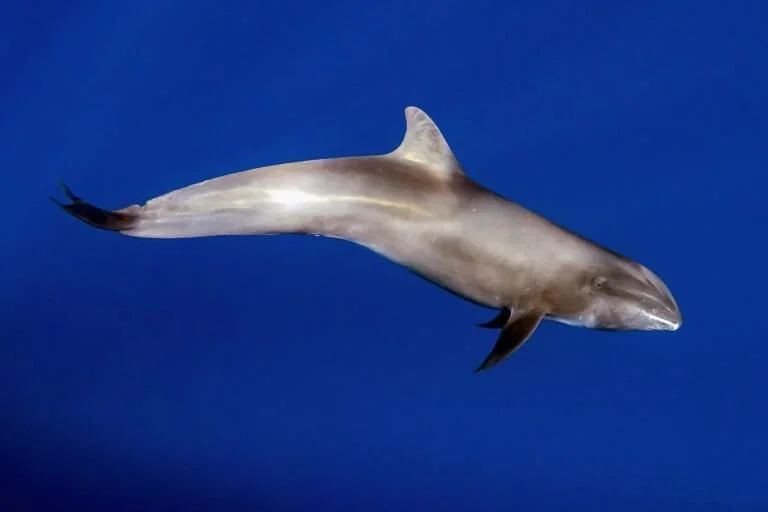
In the vast, azure expanse of the world’s tropical and subtropical oceans, there exists a creature that defies its own nomenclature. Known as the "melon-headed whale" (Peponocephala electra), this marine mammal is a master of misidentification. Despite the "whale" in its common name, it is a member of the oceanic dolphin family, Delphinidae. Its substantial stature and distinct cranial features have long led observers to categorize it as a whale, yet its biology, behavior, and social structure tell the story of a quintessential dolphin.
As researchers delve deeper into the mysteries of the deep, the melon-headed whale remains a subject of intense scientific curiosity, shrouded in the secrecy of the open ocean.
Main Facts: Understanding the Peponocephala electra
The melon-headed whale is a sleek, social, and highly migratory animal. Its name is derived from the prominent, bulbous protrusion on its forehead—the "melon"—which is an organ used for echolocation, a vital tool for navigation and hunting in the deep-sea environments it calls home.
Physical Morphology
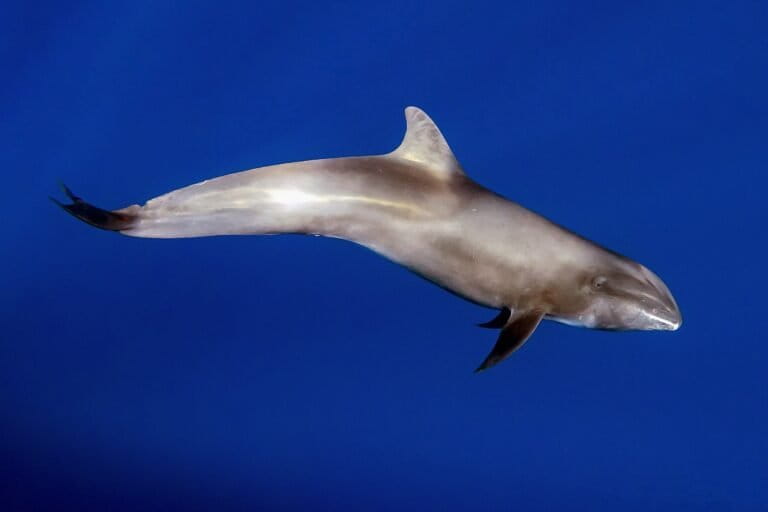
Adults of the species typically reach lengths of approximately 2.75 meters and weigh around 225 kilograms. They are characterized by a primarily grey-toned body. When viewed from above, the head takes on a distinct triangular shape. Sexual dimorphism is evident within the species: males tend to be heavier than females and possess more rounded heads, longer fins, higher dorsal fins, and broader tail flukes.
Life Cycle and Ecology
These cetaceans are long-lived, with life spans reaching up to 45 years. They reach physical maturity between the ages of 13 and 15. Like all cetaceans, they are air-breathing mammals that give birth to live young and nurse their calves, maintaining complex social bonds within their pods. They are known for their speed and ability to traverse vast distances across the Indo-Pacific region.
The Challenge of Identification: A Case of Mistaken Identity
One of the greatest hurdles in studying P. electra is the frequency with which it is confused with other small cetaceans, most notably the pygmy killer whale (Feresa attenuata).
Sekar Mira, a marine mammal researcher at the National Research and Innovation Agency (BRIN) in Indonesia, highlights the nuances of this identification challenge. "There is still so little study done on this species," she notes, reflecting on the broader struggle of marine biologists to categorize these animals in the wild.
Key Differentiating Features
The primary diagnostic feature used by experts to distinguish the melon-headed whale from the pygmy killer whale is the coloration around the mouth. In the pygmy killer whale, the white pigmentation around the oral region spreads significantly toward the facial area. Conversely, the melon-headed whale lacks this extension, a detail that is often difficult to discern during fleeting encounters at sea.
During the recent OceanX expedition, researchers encountered a group of cetaceans that initially appeared to be melon-headed whales. However, the team was hesitant to confirm the identification immediately, as the animals’ behavior and physical silhouette mirrored other similar-looking species. This uncertainty underscores the need for more rigorous field observation and photographic documentation to build a comprehensive database of their characteristics.
Chronology of Discovery and Research in Indonesia
Indonesia’s deep waters, particularly the Banda Sea and the Sawu Sea, serve as critical habitats for this elusive species. While official documentation of their presence has existed for some time, systematic research has only recently begun to shed light on their population dynamics in these regions.
Recent Expeditions
- The Sawu Sea Surveys: Research conducted by Raudina and colleagues from Diponegoro University has documented the presence of melon-headed whales in the Sawu Sea. The findings indicate that while they are present, they are significantly less common than other species, such as spinner dolphins (Stenella longirostris) or Risso’s dolphins (Grampus griseus).
- The OceanX Expedition: As mentioned by Sekar Mira, the OceanX mission provided a modern platform for observing these creatures. These high-tech expeditions are vital for observing species that typically inhabit deep-sea pelagic zones, far beyond the reach of traditional coastal monitoring.
Supporting Data: Global Distribution and Conservation Status
While the International Union for Conservation of Nature (IUCN) currently classifies the melon-headed whale as a species of "Least Concern," this designation masks the lack of data regarding their true population numbers.
Global Distribution
Melon-headed whales are distributed throughout the tropical and subtropical waters of the world. They are highly mobile, often shifting their ranges in response to prey availability and oceanographic changes. Their reliance on deep-sea ecosystems makes them particularly sensitive to shifts in marine health, including rising temperatures and changes in deep-water currents.
Trade and Anthropogenic Pressures
Though they are not currently a primary target for global industrial whaling, they are not immune to human-induced threats. CITES (the Convention on International Trade in Endangered Species of Wild Fauna and Flora) includes the species in Appendix II, which mandates strict control over international trade to ensure it does not threaten their survival.
Reports have indicated incidental or deliberate captures in countries such as Japan and the Philippines, where the animals may be utilized for human consumption or other local economic needs. Sekar Mira warns that the potential for trade is likely broader than current records suggest, as many captures remain undocumented or unreported.
Official Responses and Legal Protections
In Indonesia, the protection of the melon-headed whale is codified under national law. They are included in the list of protected species under the Regulation of the Minister of Environment and Forestry (Permen LHK) Number P.106 of 2018.
Local vs. Global Stance
While global trade remains a concern, the situation within Indonesian waters is currently more focused on monitoring and habitat preservation. "We have not heard of or detected any direct hunting of this species in Indonesia," says Sekar Mira. The government’s inclusion of the species in the protected list serves as a proactive measure, ensuring that any future threats—whether from accidental bycatch in fishing gear or direct exploitation—are met with legal repercussions.
The focus of the scientific community in Indonesia is currently shifting toward public education and the training of local observers. By equipping researchers and coastal communities with the skills to identify these animals correctly, Indonesia hopes to contribute to a more accurate global census of the species.
Implications: The Path Forward
The melon-headed whale represents a larger narrative in marine conservation: the "data-deficient" enigma. Because these animals spend the majority of their lives in the open ocean, away from the watchful eyes of shore-based observers, our understanding of them is built on fragmented encounters.
The Need for Collaborative Research
The complexity of identifying these cetaceans necessitates a multi-disciplinary approach. Future research must integrate:
- Acoustic Monitoring: Since melon-headed whales use distinct clicks for echolocation, passive acoustic monitoring could provide a more reliable way to track their movements than visual sightings alone.
- Genetic Analysis: Collecting environmental DNA (eDNA) from the water or tissue samples from stranded individuals can help clarify population structures and resolve taxonomic ambiguities.
- International Cooperation: Given their migratory nature, the conservation of the melon-headed whale cannot be the responsibility of a single nation. International collaboration between countries in the Indo-Pacific is essential to monitor their movement across maritime borders.
Bridging the Knowledge Gap
As we continue to explore the depths of our oceans, the melon-headed whale serves as a reminder of how much we have yet to learn about our planet’s biodiversity. The transition from labeling them as "whales" to recognizing their place within the dolphin family is just the first step in a long journey toward true understanding.
"They are dolphins," Sekar Mira emphasizes, "but their size creates a biological gravity that pulls them into the category of whales in the public imagination." By refining our classification, increasing our surveillance, and strengthening international protections, we ensure that the melon-headed whale does not remain a ghost of the deep, but rather a well-understood and protected inhabitant of our blue planet.
Ultimately, the preservation of the melon-headed whale depends on our willingness to look beyond the surface. As researchers continue to untangle the threads of their existence, the scientific community must remain vigilant, ensuring that the silence of the deep does not lead to the quiet disappearance of one of the ocean’s most enigmatic residents.







