
Regulatory Crackdown: KKP Seizes 1,048 Tons of Imported Shrimp Amid Allegations of Illegal Domestic Distribution
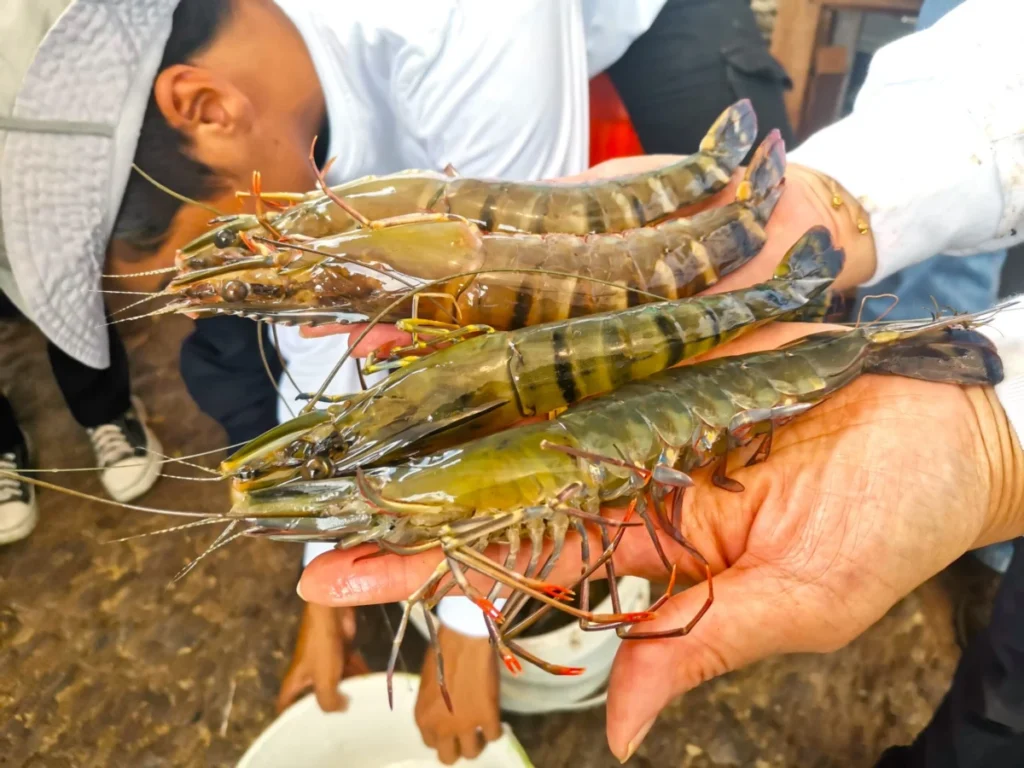
JAKARTA – In a significant enforcement operation targeting the integrity of Indonesia’s seafood supply chain, the Ministry of Marine Affairs and Fisheries (KKP) has seized 1,048 tons of imported shrimp across several industrial facilities in East Java. The operation, conducted in late September, highlights growing concerns regarding the illicit seepage of imported raw materials into the domestic market, threatening the livelihoods of local aquaculture farmers and raising questions about national food safety and import transparency.
The seized commodities, originating from Canada, Argentina, and Ecuador, were imported under specific "Bonded Zone" (Kawasan Berikat) regulations. Under these rules, imported raw materials are strictly mandated for industrial processing with the end-product designated solely for re-export. However, preliminary investigations by the KKP suggest that these massive quantities of marine products were diverted for domestic consumption, circumventing the intended trade protocols.
The Scale of the Seizure: A Multi-Regional Operation
The enforcement action, led by the Directorate General of Marine and Coastal Resources Surveillance (PSDKP), represents one of the largest seizures of imported seafood in recent years. The Ministry estimates the potential financial impact and associated regulatory violations to reach approximately IDR 405.8 billion (roughly USD 26 million).
Pung Nugroho Saksono, the Director General of PSDKP, provided a detailed breakdown of the seized inventory:

- Probolinggo and Pasuruan: 19.16 tons of pink shrimp sourced from Canada.
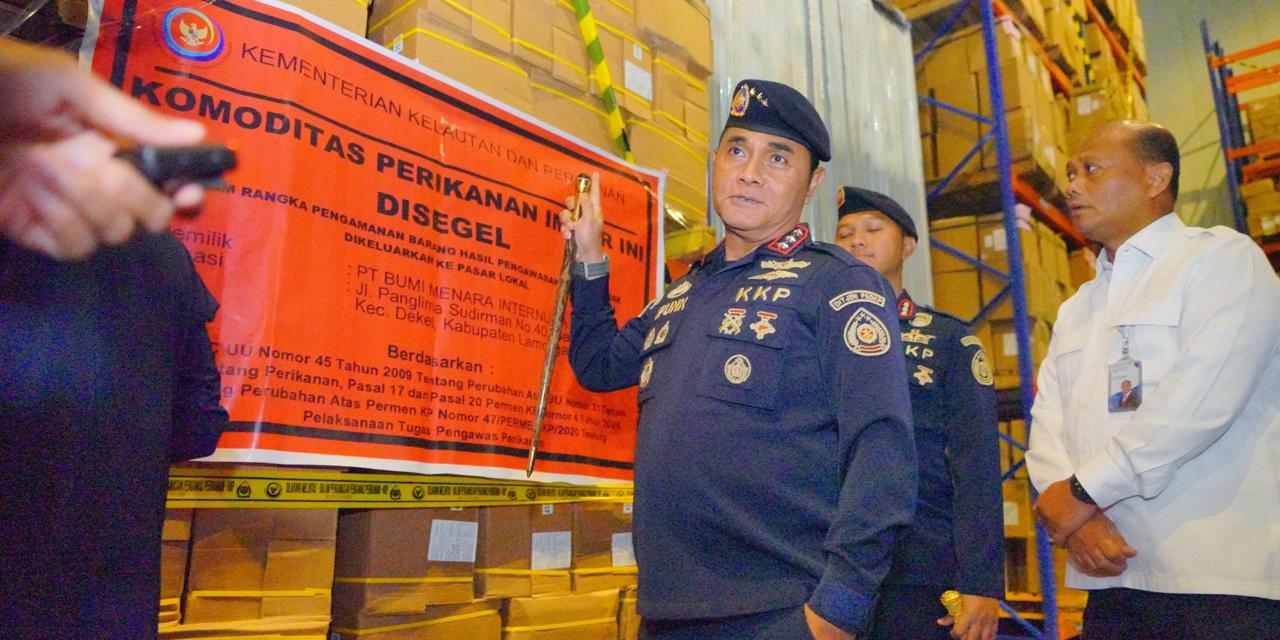
- PT Bumi Menara Internusa (BMI) in Lamongan: 885.3 tons of red shrimp from Argentina and 144 tons of vaname (whiteleg) shrimp from Ecuador.
The immediate sealing of these facilities was, according to the Ministry, a preemptive measure to prevent the influx of foreign shrimp from saturating the domestic market, which would inevitably suppress the selling prices for local Indonesian farmers.
Official Stance: Zero Tolerance for Regulatory Breaches
Minister of Marine Affairs and Fisheries, Sakti Wahyu Trenggono, emphasized the gravity of the situation in a formal statement from Jakarta. "If violations are confirmed, we will take firm action in accordance with the law," he stated.
The KKP’s strategy involves a dual-track legal approach. If the investigation concludes that the discrepancies are purely administrative—such as documentation errors or minor procedural lapses—the companies will face administrative sanctions. However, if the evidence reveals a deliberate attempt to bypass customs or illegal trade practices, the ministry is prepared to elevate the case to criminal prosecution. The goal, according to the Ministry, is to maintain a healthy business climate and ensure that domestic aquaculture production is prioritized and well-absorbed by the national market.
The Critical Need for "Mass Balance" Transparency
Experts within the fisheries sector have lauded the intervention while calling for a more robust, systemic overhaul of how imported raw materials are tracked. Oktavianto Prasetyo Darmono of the Fisheries Resource Center of Indonesia (FRCI) argues that the investigation must go beyond mere inventory counting.
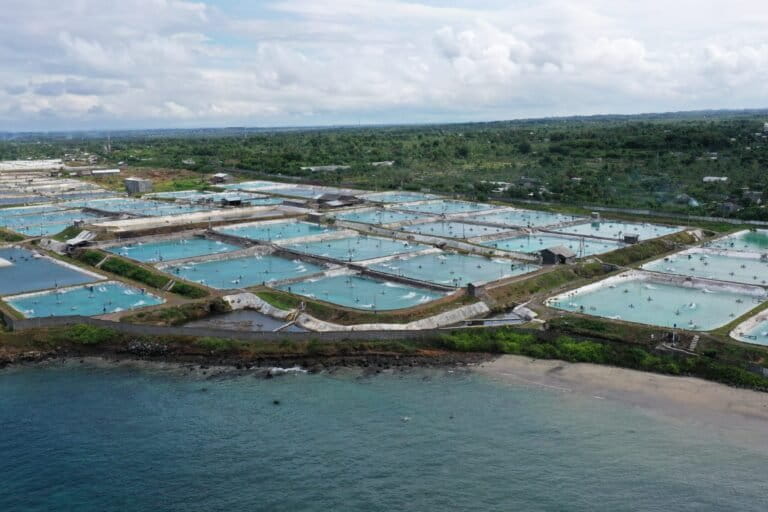
"The KKP must conduct a rigorous ‘mass balance’ analysis," says Darmono. "This involves a comprehensive audit of the volume of imported materials against the volume of finished goods processed, the volume exported, and the remaining stock."
In the case of PT BMI, for instance, auditors must verify whether the 144 tons of Ecuadorean vaname shrimp were actually processed and exported as required by their permits. The failure to reconcile these figures is often the smoking gun in cases of illegal domestic diversion.
To achieve full traceability, the KKP is looking at a wide array of documentation, including:
- International Certificates: Health certificates from the country of origin, certificates of origin, and supplier registration numbers.
- Logistical Data: Bills of lading, packing lists, and commercial invoices.
- Operational Logs: Import permits from the Ministry of Trade, production schedules, and export contracts.
The Science of Origin: Beyond Paperwork
The complexity of tracing seafood is further complicated by the potential for "seafood fraud," where the origin of a product is mislabeled to avoid tariffs or sanitary restrictions. A recent study by Deklerck et al., titled Shrimp (sub-)national traceability and retail fraud detection using stable isotopes and multi-element profiling, suggests that traditional documentation is no longer sufficient.
The researchers demonstrated that by using stable isotope analysis and multi-element profiling, authorities could pinpoint the geographical origin of shrimp with high accuracy. The study revealed that out of 31 retail samples, 84% did not match the claimed country of origin. While this research is not directly linked to the current case in East Java, it underscores the technological necessity for the government to move toward scientific verification to combat sophisticated trade fraud.
Broader Implications: Pathogens and Local Economic Stability
Beyond the economic threat to local farmers, the unauthorized entry of foreign shrimp poses a significant biological risk. Research conducted in South Korea in 2020 on imported vaname shrimp identified the presence of Enterocytozoon hepatopenaei (EHP), a microscopic parasite that stunts shrimp growth and can devastate local aquaculture ponds if introduced into the local ecosystem.
Erwin Suryana, Secretary General of the People’s Coalition for Fisheries Justice (KIARA), points out that this incident reflects a deeper malaise in Indonesia’s fisheries trade governance. He argues that the high cost of local production in Indonesia—often due to inefficient input costs—creates a vacuum that imported shrimp, which are often cheaper, are all too happy to fill.
"The fact that 144 tons of shrimp could simply land in a facility without immediate detection suggests that our oversight mechanisms are not just failing; they are being bypassed," says Suryana. "If we want to protect our farmers, the government must focus on lowering the production costs for local aquaculture, making them competitive, rather than simply reacting to illegal imports after they have already reached the warehouse."
A Pattern of Compliance Issues?
The involvement of PT BMI in this case has sparked further scrutiny, as the company has previously been linked to reports regarding the lack of sustainable sourcing for other marine products, such as blue swimming crabs. While the KKP has yet to declare that the current incident is part of a systemic pattern, the repeated association of major industrial players with compliance issues has led to calls from civil society for greater transparency.
"The question is not just whether the shrimp exists in the warehouse, but how the company justifies its legal status and origin," says Suryana. "The industry often uses ‘green labels’ and sustainability certifications to build brand image, but these are meaningless if the core supply chain is not transparent."
The Path Forward
As the KKP continues its investigation, the stakes remain high. The outcome of this case will set a precedent for how Indonesia manages its trade relations in the seafood sector. If the government succeeds in prosecuting those responsible and implementing a strict, technology-backed traceability system, it could provide much-needed protection for local farmers and ensure that Indonesia’s fisheries industry adheres to both national law and international sustainability standards.
For now, the thousands of tons of shrimp remain under seal—a silent testament to the ongoing struggle to balance the demands of global trade with the imperative of protecting national resources. The Ministry has signaled that this is only the beginning of a broader audit, promising that the era of "easy entry" for non-compliant imported seafood is drawing to a close.







