
The Silent Hunters: Unveiling the Enigmatic World of Aparallactus, the Centipede-Eating Snakes
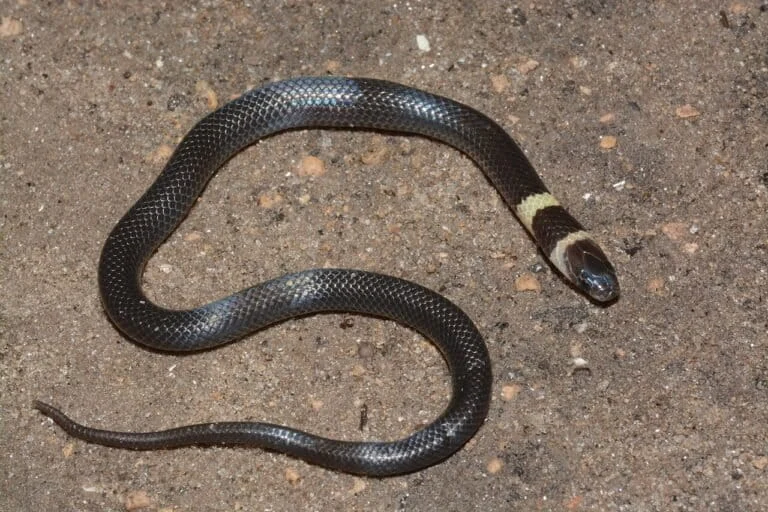
In the vast, sun-drenched landscapes of Sub-Saharan Africa—from dense forests to arid savannas—a specialized ecological drama unfolds beneath the surface. While most creatures in these habitats avoid the aggressive, venomous, and fast-moving centipede, a group of unassuming, slender snakes has evolved to make these arthropods their primary source of nutrition. Known colloquially as "centipede-eaters," the genus Aparallactus represents a fascinating evolutionary niche that has long captivated the interest of herpetologists worldwide.
Main Facts: A Specialized Predator in the Undergrowth
The genus Aparallactus, belonging to the family Atractaspididae, consists of more than ten distinct species endemic to the African continent. These snakes are masters of the "fossorial" lifestyle, meaning they spend the vast majority of their lives burrowing beneath loose soil, decaying logs, and leaf litter.
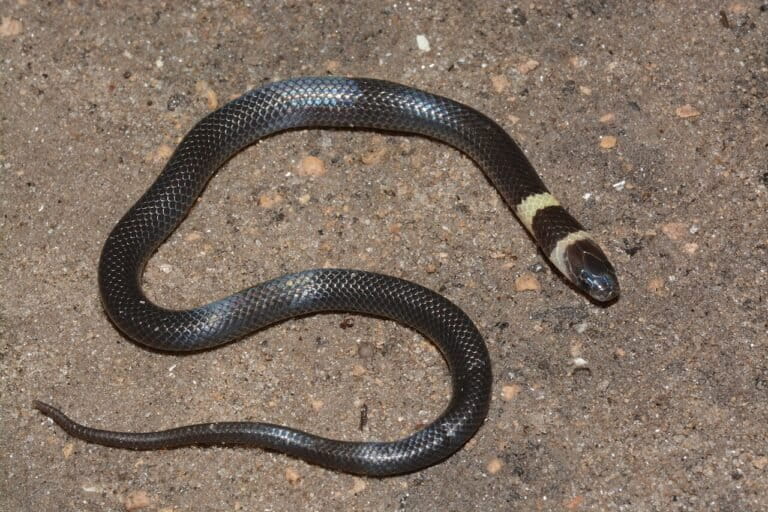
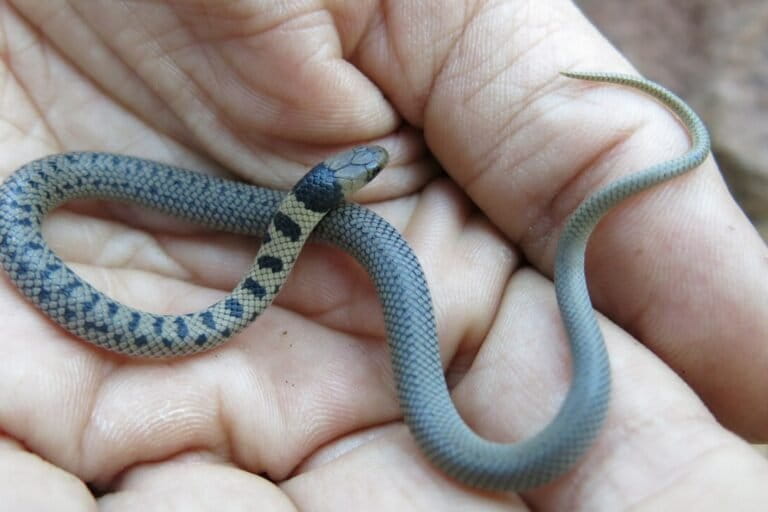
Their physical anatomy is perfectly adapted for this subterranean existence. Most species are small and remarkably slender; for instance, the Aparallactus capensis (Cape centipede-eater) typically measures about 30 centimeters in length, rarely exceeding 40 centimeters. Their heads are small and blunt-snouted, allowing them to navigate through tight crevices and soft earth with minimal resistance.
Perhaps most distinctive is their venom delivery system. Unlike the iconic, front-fanged cobras or vipers, Aparallactus snakes are opisthoglyphous. They possess small, grooved fangs situated at the rear of the upper jaw. This anatomical placement, combined with the snake’s diminutive size, renders them virtually harmless to humans. Even in the rare event of a defensive bite, the human reaction is typically limited to mild localized swelling, far removed from the medical emergencies associated with more aggressive venomous species.
Chronology of Scientific Discovery
The scientific journey to understand Aparallactus has been one of gradual revelation, moving from early taxonomy to modern dietary analysis.
- Early 20th Century: Initial taxonomic classifications identified the genus and established its range across various African biomes, from the Eastern Cape of South Africa to the forests of West Africa.
- 2006: A landmark study conducted by Richard Shine and his colleagues, published in the journal Copeia, provided the first rigorous look into the biology of African burrowing snakes. By analyzing stomach contents and specimen morphology, researchers confirmed that A. capensis was indeed a dedicated specialist, feeding almost exclusively on centipedes.
- 2021: Further validation of this dietary specialization came in the form of a study published in the African Journal of Herpetology by Maritz, Rawoot, and van Huyssteen. This study reinforced the theory that these snakes have evolved to overcome the formidable defenses of centipedes, filling a void in the food web that few other predators dare to occupy.
Supporting Data: Dietary Variation and Behavioral Tactics
While the genus is unified by the name "centipede-eater," the reality is more nuanced. Data gathered from years of field observations and digestive analysis reveal that dietary specialization varies by species and environment.
The Specialized Hunter
The Aparallactus capensis, or black-headed centipede-eater, is the poster child for this genus. Its feeding ritual is highly ritualized: after detecting a centipede in the dark recesses of a rotting log or beneath a stone, the snake strikes. It does not merely swallow the prey; it engages in a "chewing" behavior, maneuvering the centipede to ensure its venomous grooved fangs can deliver toxins effectively. Once the centipede is paralyzed, the snake consumes it head-first, neutralizing the risk of being bitten by the arthropod’s own toxic appendages during the process.
Exceptions to the Rule
Not all members of the genus are strictly centipede-exclusive. Aparallactus lunulatus has been observed supplementing its diet with scorpions, showcasing a broader predatory range. Meanwhile, Aparallactus modestus, or the western forest centipede-eater, has shifted its focus almost entirely toward earthworms, illustrating a remarkable divergence in evolutionary strategy. This variety suggests that the genus is still actively adapting to the specific micro-habitats found across Sub-Saharan Africa.
Ecological Implications: Why They Matter
The presence of Aparallactus serves as a silent, invisible check on invertebrate populations. In the intricate web of African ecosystems, centipedes can become dominant predators of the soil if left unchecked. By keeping these arthropods in balance, Aparallactus snakes perform an essential, albeit under-researched, ecosystem service.
However, their specialized nature creates a significant conservation challenge. These snakes are notoriously difficult to keep in captivity. Because their survival is hardwired to the availability of specific types of centipedes, they rarely thrive in artificial environments. This highlights the importance of preserving their natural habitats—the termite mounds, leaf litter, and rocky outcrops that provide the precise conditions needed for their survival.
The Conservation Outlook
According to the International Union for Conservation of Nature (IUCN), species like A. capensis are currently categorized as "Least Concern." However, this label may be deceptive. Because these snakes are nocturnal, subterranean, and incredibly elusive, data on their population density is sparse. We lack the long-term monitoring required to understand how climate change or habitat destruction in regions like Zimbabwe, Mozambique, and Tanzania might be affecting their numbers.
Official Perspectives and Future Research
Herpetologists stress that while Aparallactus is safe for humans, it remains a "forgotten" component of African biodiversity. The scientific community has identified several key areas for future investigation:
- Venom Composition: Understanding the specific proteins in Aparallactus venom could provide insights into how they neutralize centipede toxins, which are often potent enough to incapacitate much larger animals.
- Population Dynamics: There is an urgent need for more field-based research to determine if their "Least Concern" status holds up under modern pressures, such as the loss of forest cover in West Africa or the degradation of savanna soil quality.
- The "Ghost" Factor: Because they are so rarely seen, their role in the food web is often inferred rather than observed. Using environmental DNA (eDNA) sampling in soil and leaf litter could potentially revolutionize our understanding of how many of these snakes actually exist in a given area.
Conclusion: A Delicate Balance
The centipede-eating snakes of the genus Aparallactus are a testament to the wonders of specialization. In a world that often prioritizes the conservation of large, charismatic megafauna, these small, shy, and highly adapted reptiles remind us that the health of an ecosystem is often maintained by the most overlooked residents.
From the black-headed hunter of the Cape to the earthworm-specialist of the western forests, the genus Aparallactus demonstrates the endless creativity of evolution. As we continue to document the biodiversity of Sub-Saharan Africa, it is vital that we do not lose sight of these "silent sentinels" of the soil. Their continued existence is not just a triumph of survival against a venomous, aggressive prey; it is a critical link in a chain that keeps the African undergrowth functioning. Protecting them requires protecting the very dirt they burrow in—a humble goal for a group of animals that has spent millions of years mastering the art of the subterranean hunt.
As research continues, one thing remains clear: to truly understand the African landscape, we must look not just at the giants on the savanna, but at the tiny, specialized lives unfolding inches beneath our feet. Only through deeper study and habitat preservation can we ensure that these elusive predators continue to thrive in the dark, hidden corners of their natural range.







