
Revitalizing the Ancestral Gold: How the Malind People of Merauke are Transforming the Coconut Economy
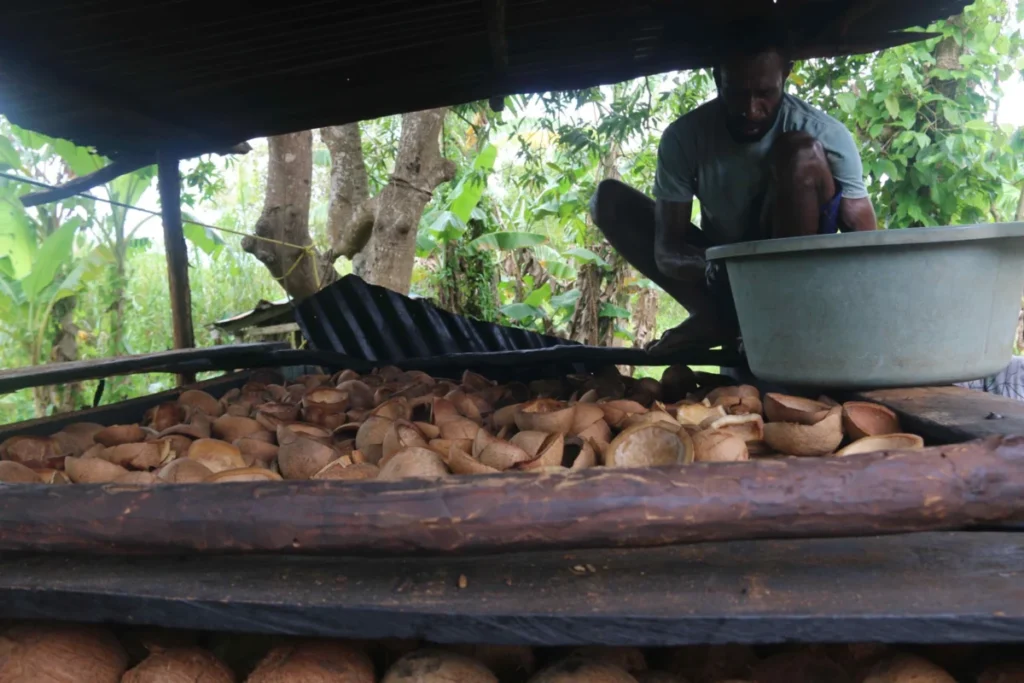
In the heart of the Semangga District, Merauke Regency, South Papua, the coconut tree is far more than a mere commodity. For the indigenous Malind people, it is a sacred inheritance—a multi-generational pillar of food security, household utility, and cultural identity. For years, the community has upheld a traditional wisdom: young coconuts are never to be sold. They are reserved for the life-sustaining needs of the family, while only mature coconuts are permitted to enter the market.
This deep-rooted connection to the land is now undergoing a modern transformation. Through a collaborative effort between indigenous communities and the EcoNusa Foundation, the Malind people are reviving the production of copra (dried coconut meat), not merely as a commercial venture, but as a model for regenerative economic growth that respects the environment while securing the future of their children.
The Cultural Roots of a Sustainable Economy
To understand the significance of the coconut to the Malind, one must look at how it weaves into the fabric of daily life. Historically, every part of the coconut is utilized: the husk serves as a natural fuel source replacing firewood, the shell is sold or repurposed, and the meat is processed into coconut oil or livestock feed.
Kamilus Mahuze, a former Secretary of Matara Village, recalls the cycles of the past. "Between 2000 and 2010, the community attempted to produce copra for local collectors," he says. However, the volatility of the market and the lack of fair pricing caused many to abandon the practice, opting instead to sell raw coconuts. For over a decade, this subsistence-based approach defined the economic reality of the region, keeping many households trapped in a cycle of low-value trade.
A Chronology of Economic Revival
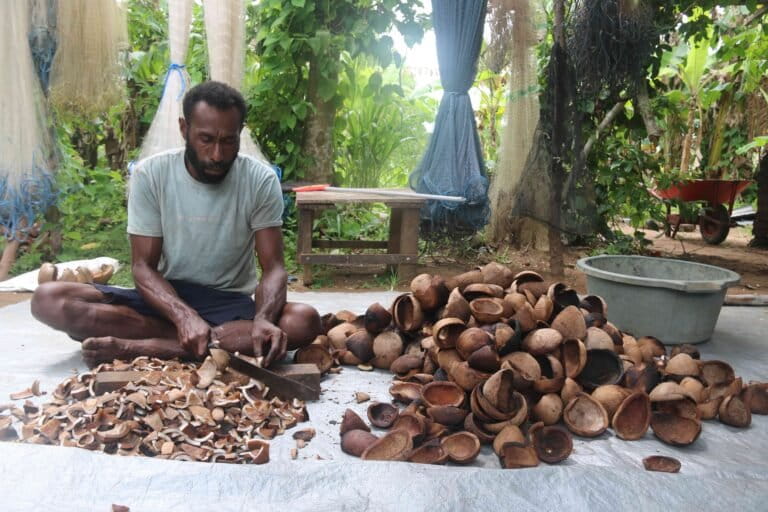
The turning point for the Malind people arrived sixteen years after their initial retreat from the copra industry. In early 2026, a new chapter began with the facilitation of the EcoNusa Foundation, which aimed to organize the local producers into a structured, sustainable business chain through the Koperasi Yora Mekhande Jaya (Yora Mekhande Jaya Cooperative).
The Roadmap to Empowerment:
- January 20, 2026: A pivotal meeting was held in Matara Village. The community identified the primary obstacles: distance to markets, high transportation costs that eroded profits, and a lack of standardized processing.
- January 26, 2026: The first collection of copra began, moving away from middlemen toward a direct cooperative-purchase system.
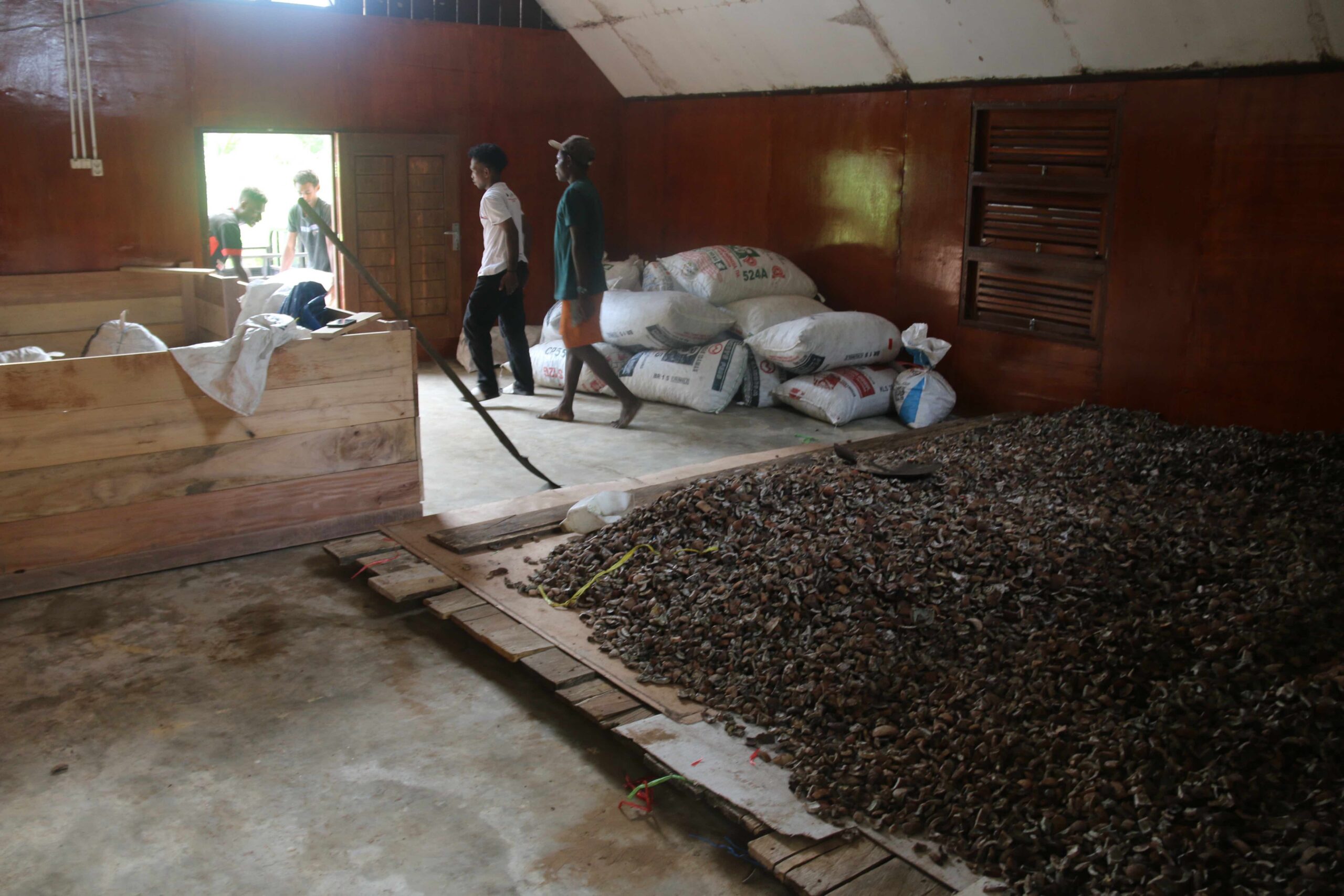
- February 2026: The cooperative repurposed a dormant village cultural hall as a central collection and drying facility, effectively eliminating the need for farmers to travel to Merauke city.
- April – June 2026: A critical learning phase occurred. While 15 tons were collected, quality control issues regarding moisture content led to a volume reduction upon re-weighing.
- August 24, 2026: A historic milestone was reached with the first bulk shipment of 14.5 tons of high-quality copra bound for Surabaya.
Overcoming Challenges: Quality and Logistics
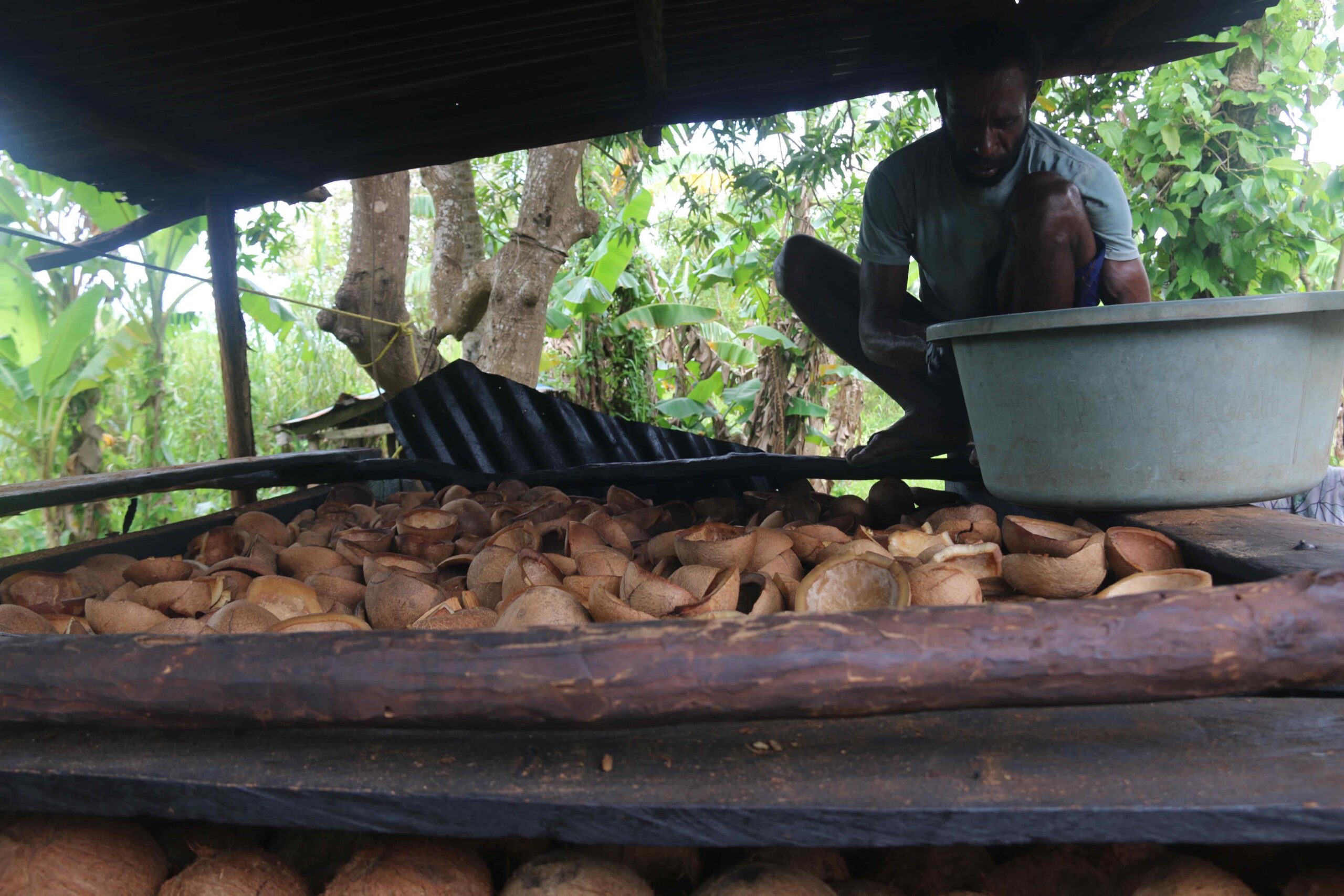
The transition from raw coconut sales to processed copra was not without its hurdles. One of the most significant challenges was the standard of dryness. As Moses Ramsis Boi, a Program Associate for EcoNusa in Merauke, explains, the cooperative had to implement strict quality controls to ensure competitiveness in the national market.
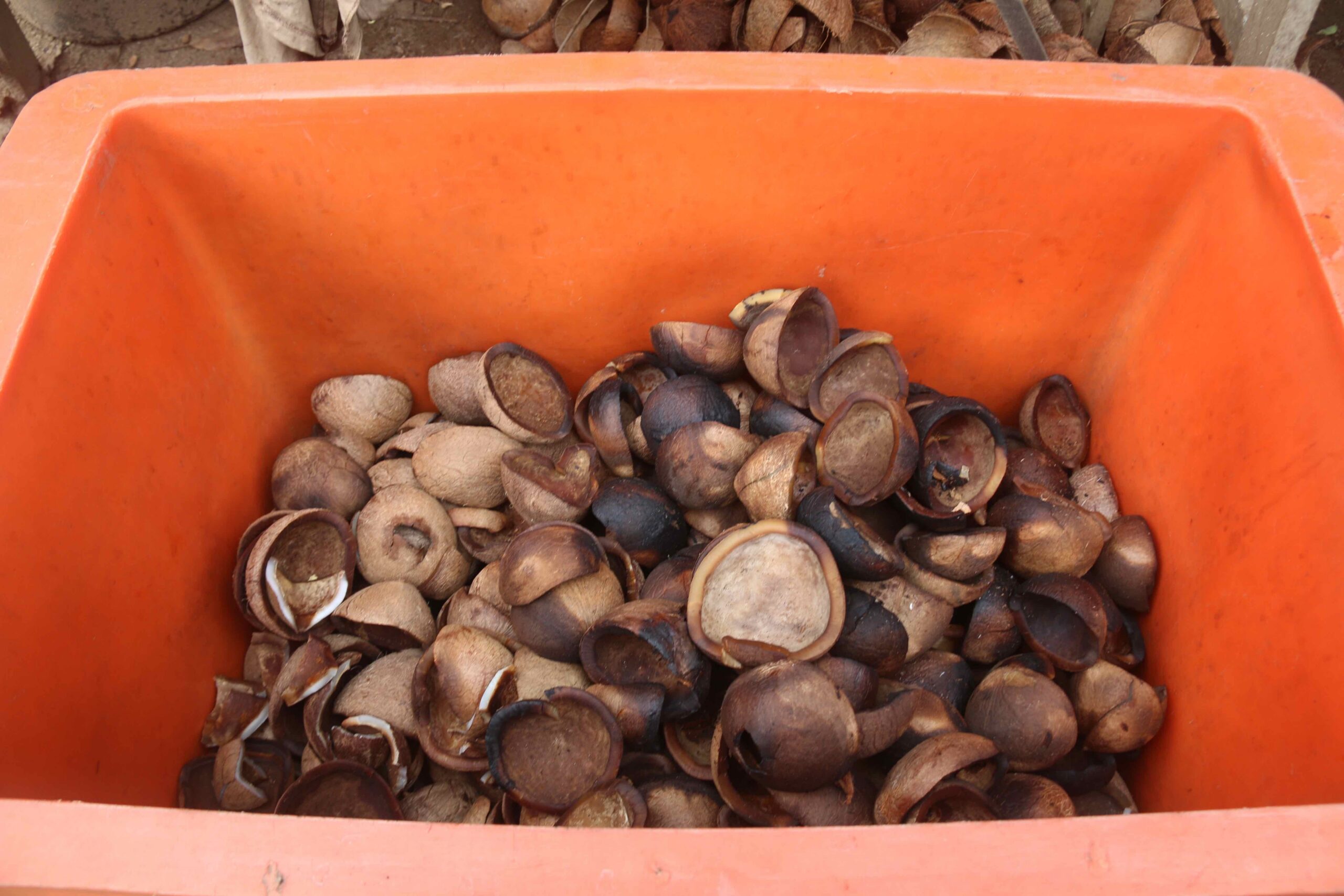
"We adopted practices from the Sarmi Regency to improve our asaran (traditional smoking/drying) techniques," says Boi. To ensure fairness, the cooperative introduced a sliding price scale, where payments are adjusted based on the dryness of the copra. This incentivized farmers to adopt better drying methods, resulting in a significantly improved product that could withstand long-distance shipping to major industrial hubs like Surabaya.
Furthermore, the "shortening of the supply chain" has been a revolutionary strategy. By collecting directly from the villages of Matara, Waninggap Nanggo, and Urumb, the cooperative removes the "transportation tax" that previously kept farmers in poverty.
Data and Economic Impact
The impact of this shift is measurable. Initially, only five individuals in Matara were active in copra production; that number has since swelled to 25. Even in villages where land is limited—some families own as few as 10 to 40 trees—a new micro-economy has emerged. Residents in Waninggap Nanggo and Urumb purchase raw coconuts from Matara farmers at prices ranging from IDR 1,500 to IDR 2,000 per unit, allowing them to participate in the value-added process.
According to Jamina Rineke Rumbewas, Chairperson of the Koperasi Yora Mekhande Jaya, the potential is vast. "In Matara Village alone, there are over 6,000 trees, excluding those in the deeper ancestral groves," she notes. With a typical farmer processing 300 to 500 coconuts every five days, the capacity for consistent output is high. The cooperative’s warehouse in Merauke, a 4×4 meter facility, now acts as a strategic buffer, capable of holding up to 15 tons of cargo—a necessity for consolidating shipments to reach national buyers.
Changing Lives and Shifting Perspectives
Perhaps the most profound impact is on the youth of the Malind tribe. Sumarni Kaize, Chairperson of the UMKM Sinai in Urumb Village, observes that the shift in the copra economy is actively drawing the younger generation back to the land.
"Many young people who previously sought labor as truck drivers or sand miners are returning to the groves," she says. "They are clearing brush, caring for the trees, and, crucially, planting new seedlings for the next generation."
This shift marks a departure from the "extractive" mindset often imposed on rural communities. Instead, the Malind are practicing a form of "regenerative agriculture." They understand that while the coconut trees provide current income, the health of the grove depends on continuous cultivation and reforestation.
Official Stance and Future Implications
While the project is currently supported by the EcoNusa Foundation, the long-term sustainability of the Yora Mekhande Jaya Cooperative depends on its ability to expand its reach. The cooperative is already looking beyond the Semangga District, with plans to integrate producers from across all 22 districts of the Merauke Regency, including the high-potential Kampung Soa.
The success of this model offers a compelling case for other indigenous communities in Papua. By controlling the processing stage of their raw materials, these communities transform from passive sellers into active participants in the national economy. The "direct-to-cooperative" model effectively shields the farmers from exploitative middlemen who historically relied on "jemput bola" (doorstep pickup) tactics that offered quick cash but low long-term value.
Conclusion: A Model for the Future
The story of the Malind people in Merauke is a testament to the power of combining traditional wisdom with modern business structures. By reviving the production of copra, they have not only stabilized their local economy but have also reinforced their stewardship of the land.
As they look to the future, the goal remains clear: to create an economic system where the forest and the farm grow together. By treating the coconut groves as a heritage to be nurtured rather than a resource to be depleted, the Malind are ensuring that their children will inherit not just a source of income, but a thriving, self-sustaining way of life. The 14.5 tons of copra sent to Surabaya is, for them, not just a shipment of goods—it is a symbol of autonomy, pride, and the enduring resilience of the indigenous spirit.







