Cultivating Health from Home: Can the Urban Hydroponics Trend Solve Indonesia’s Vegetable Consumption Crisis?
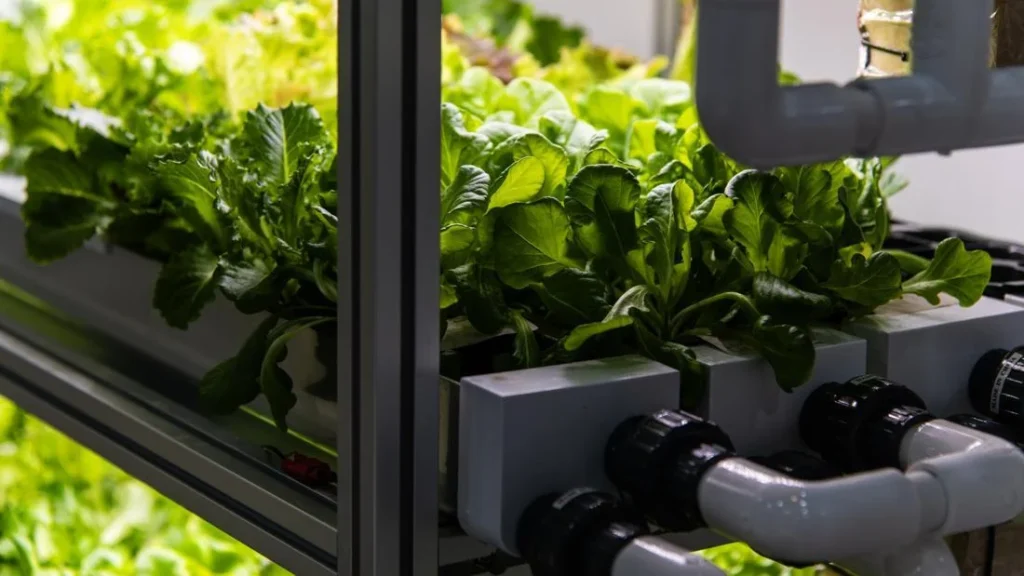
JAKARTA — In an era defined by fast food and sedentary lifestyles, getting enough greens on the plate has become an uphill battle. Despite Indonesia’s fertile soil and rich agricultural heritage, a staggering portion of the population is failing to meet basic nutritional recommendations for fruit and vegetable intake.
As public health officials sound the alarm over chronic nutritional deficits, a quiet green revolution is taking root in urban backyards and balconies. Urban farming, particularly hydroponics, is emerging not just as a trendy hobby, but as a practical, scalable solution to bridge the gap between farm and fork. By bringing vegetable cultivation directly into homes, experts believe we can fundamentally alter how families view, access, and consume fresh produce.
Main Facts: The Alarming State of Indonesian Nutrition
The statistics surrounding vegetable consumption in Indonesia present a sobering reality. According to comprehensive data from the 2023 Indonesian Health Survey (Survei Kesehatan Indonesia or SKI), an overwhelming 96.7% of the population aged 5 years and older fail to meet the daily recommended intake of vegetables and fruits.
This massive nutritional shortfall has cascading effects on public health, contributing to lowered immune defenses, micronutrient deficiencies, and an increased long-term risk of non-communicable diseases. Nutritionists point out that the barrier to eating vegetables is rarely just about personal taste; it is profoundly logistical. When fresh produce requires a trip to the traditional market or supermarket, and when consumers are disconnected from the source of their food, vegetables often become an afterthought in daily meal planning.
Enter home gardening. A pivotal study published in the journal Food Security in 2022 highlighted a direct correlation between home gardening and increased vegetable consumption. The study demonstrated that when individuals grow their own food, physical and psychological barriers to access drop significantly. Having fresh produce literally steps away from the kitchen encourages spontaneous harvesting, reduces food waste, and integrates vegetables more naturally into everyday cooking.
Furthermore, growing one’s own food fosters a deeper psychological appreciation for nutrition, transforming vegetables from a chore on a dinner plate into a rewarding harvest of one’s own labor.
Chronology: From Traditional Agriculture to Urban Hydroponic Innovation
The journey of urban agriculture in Indonesia has evolved significantly over the past decade, shifting from a niche hobby for elite horticulturists to a mainstream movement driven by necessity and technological accessibility.
- Early 2010s (The Awakening of Urban Farming): As Indonesian cities like Jakarta, Surabaya, and Bandung experienced rapid urbanization and real estate booms, open green spaces shrank dramatically. Urbanites desiring green spaces began experimenting with container gardening and traditional potted plants on tiny balconies.
- Mid-2010s (The Rise of Hydroponics): Recognizing the limitations of soil-based urban gardening—such as heavy soil weight, pests, and mess—early adopters began importing and adapting hydroponic techniques. Systems shifted toward Nutrient Film Technique (NFT) and Deep Water Culture (DWC), utilizing water and nutrient solutions instead of dirt.
- Late 2010s to 2020 (The Pandemic Catalyst): The COVID-19 pandemic served as a massive accelerator. Lockdowns, supply chain disruptions, and heightened health consciousness forced families to look inward for food security. Hydroponic kits became commercially viable, shifting from DIY PVC pipe experiments to sleek, consumer-friendly home setups.
- 2023–Present (Integration with Public Health Initiatives): With the release of the 2023 SKI data highlighting the 96.7% vegetable deficit, agricultural enterprises, urban planners, and health advocates began formally linking urban hydroponics not just to sustainability, but directly to public health and dietary behavioral changes.
Supporting Data: Why Greens Matter and How Much We Need
To understand why public health campaigns are pushing so hard for vegetable consumption, one must look at the biochemical powerhouse that is a simple green leaf.
Nutritional Profile of Vegetables
Vegetables are dense with dietary fiber, essential vitamins, minerals, and bioactive antioxidant compounds. The specific benefits vary depending on the color and variety:
- Fiber: Crucial for maintaining gut motility, facilitating smooth bowel movements, and feeding beneficial microbiome bacteria in the digestive tract.
- Vitamin A: Found abundantly in dark leafy greens and orange vegetables, supporting optimal ocular health and cellular differentiation.
- Vitamin C: A potent antioxidant vital for immune system integrity and collagen synthesis.
- Folate & Vitamin K: Essential for cellular formation and healthy blood clotting mechanisms, respectively.
- Minerals: Potassium helps regulate fluid balance and blood pressure, mitigating cardiovascular risks.
Additionally, vegetables offer high water and fiber content coupled with low caloric density. Incorporating generous portions of greens provides physiological satiety without overloading the body with excess energy, making it a cornerstone of weight management and heart health.
Recommended Daily Intake
According to the Indonesian Ministry of Health’s Balanced Nutrition Guidelines (Pedoman Gizi Seimbang), individuals are advised to consume three to four portions of vegetables daily.
Given that a standard single portion of vegetables equals approximately 75 grams, the target daily requirement falls between 225 to 300 grams of vegetables per person. This must be balanced alongside fruits and other food groups.
This philosophy is beautifully encapsulated in the Ministry’s "Isi Piringku" (Fill My Plate) visual guide, which mandates that half of every meal plate should consist of fruits and vegetables, while the other half is reserved for staple foods and protein sources.
Official Responses and Expert Insights: Demystifying Hydroponics
One of the most persistent myths surrounding home vegetable production is that it requires sprawling backyards, rich agricultural acreage, or a professional farming background. Industry experts are working hard to debunk this misconception.
Nova Hariswanto, General Manager of Ladang Farm Technology, emphasizes that modern agricultural innovations like hydroponics are explicitly designed for urban contexts characterized by spatial scarcity.
"It is specifically created for urban agriculture where people lack wide spaces or perhaps only have minimal land," Nova explains.
According to Nova, even a modest outdoor or semi-outdoor residential space measuring a mere 2 by 3 meters can be transformed into a productive, high-yield hydroponic garden. For budget-conscious beginners or urbanites with zero initial capital for commercial systems, even discarded plastic bottles can be upcycled into functional hydroponic vessels (wick systems).
"For example, if you have a bit of land next to your house, leftover soil, or a courtyard measuring about 2 by 3 meters, you can utilize that space for hydroponic farming, Kak," Nova notes, highlighting the supreme adaptability of the method.
Hydroponics eliminates soil-borne pathogens and weeds, drastically cuts down water usage through recirculation, and accelerates plant growth rates compared to traditional soil farming. By removing the mess and heavy labor, hydroponics successfully lowers the barrier to entry for urban families who want fresh, pesticide-free kale, lettuce, bok choy, and spinach right outside their kitchen doors.
Implications: Building a Sustainable Future for Indonesian Diets
The intersection of urban hydroponics and public health holds profound implications for Indonesia’s socioeconomic and nutritional landscape.
1. Decentralized Food Security
By shifting vegetable production from rural farming hubs to urban rooftops, balconies, and community centers, cities become more resilient to supply chain shocks, extreme weather events, and inflationary spikes in food prices. Families take control of their immediate food supply chain.
2. Behavioral Modification Through Proximity
As behavioral psychology suggests, accessibility breeds habit. When crisp, vibrant lettuce or nutrient-rich pakcoy is growing in a self-sustaining hydroponic rig on the back patio, family members—especially children who traditionally resist greens—are far more likely to engage with the food. Harvesting the plant transforms vegetables from an abstract grocery item into an interactive, engaging culinary experience.
3. Fostering Environmental Consciousness
Urban farming reconnects city dwellers with natural cycles. Children raised in homes with hydroponic systems learn about water conservation, plant biology, nutrition, and sustainability early in life. This hands-on education creates a more conscious generation capable of tackling future environmental and nutritional challenges.
Moving Forward
While home hydroponics is not a silver bullet that can single-handedly cure nutritional deficiencies—factors like cultural preferences, culinary knowledge, and daily dietary habits still play massive roles—it serves as a crucial catalyst.
By making fresh vegetables radically accessible, visually engaging, and fun to cultivate, the urban hydroponics trend offers a breath of fresh air for a nation striving to nourish its people. Transforming Indonesia’s nutritional statistics may well begin, quite literally, one small hydroponic bottle at a time.