
The Hidden Cost of Connectivity: Batam’s Data Center Boom Sparks Water and Energy Crisis
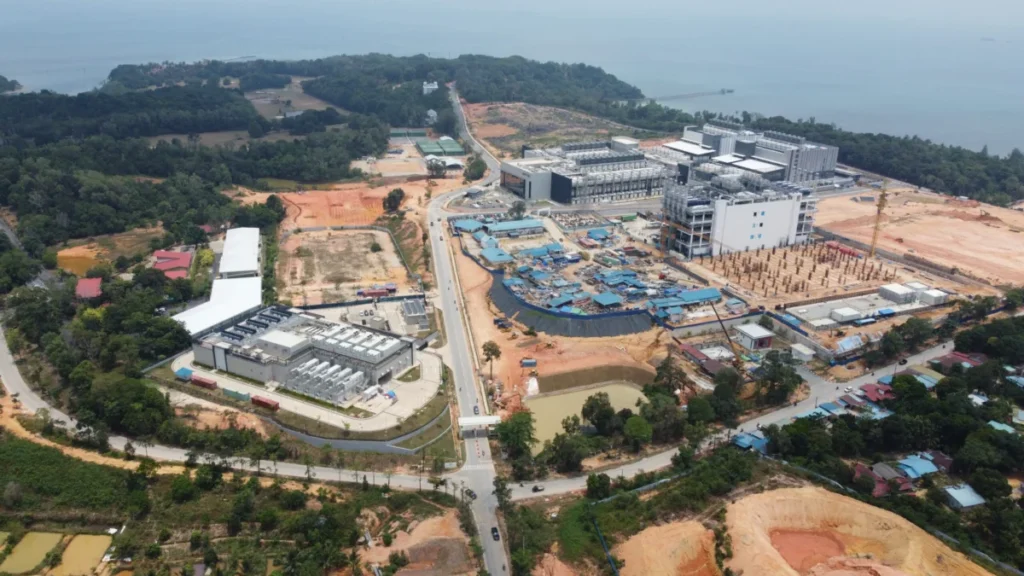
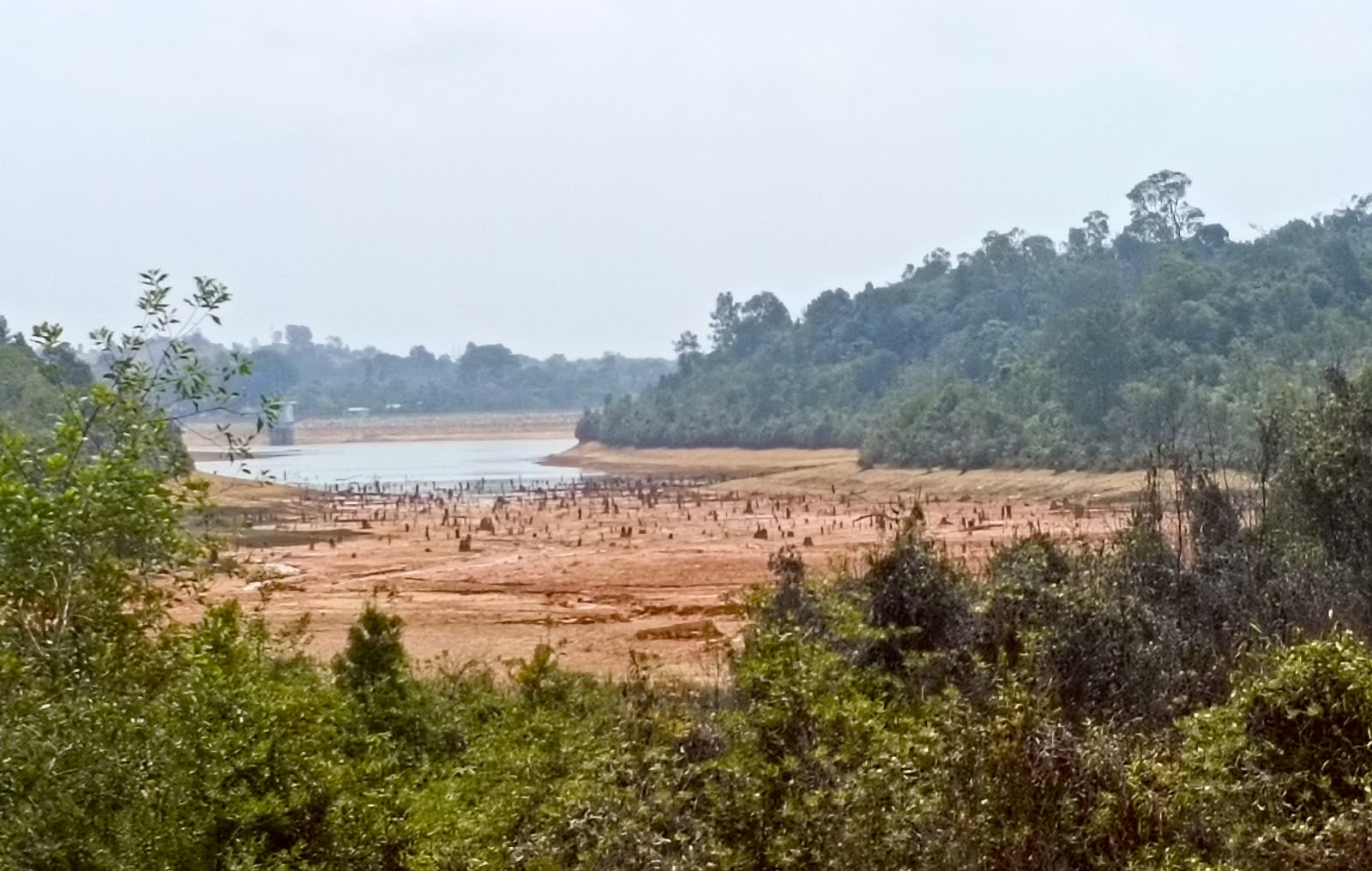
The rapid emergence of Batam, Kepulauan Riau, as a premier regional hub for data centers has triggered a fierce public debate. What was once heralded as a beacon of digital transformation and economic prosperity is now under intense scrutiny following the viral circulation of footage showing the alarming depletion of the Nongsa Reservoir.
As developers race to build massive infrastructure to support the growing demands of the digital economy, local communities and environmental experts are questioning whether the island’s limited natural resources can sustain such heavy industrialization. With the future of Batam’s ecological stability hanging in the balance, the tension between aggressive technological expansion and the preservation of basic public utilities has reached a boiling point.
The Catalyst: A Viral Warning and Public Anxiety
The controversy ignited when a video went viral on social media, depicting the dramatic recession of water levels in the Nongsa Reservoir, located in close proximity to the Nongsa Digital Park (NDP). The narrative accompanying the video suggested that water levels were receding by as much as four centimeters per day, attributing this rapid decline to the insatiable water consumption required for the cooling systems of nearby data centers.
This visual evidence struck a chord with the public, who have long been wary of the environmental footprint of large-scale industrial projects. The fear is palpable: as Batam positions itself to compete with global tech hubs, the basic human right to water security is perceived to be at risk. The juxtaposition of high-tech server farms and parched, cracked earth has become a potent symbol of the potential conflict between modern development and climate reality.
Official Stance: Distinguishing Climate from Consumption
In response to the mounting public pressure, the Badan Pengusahaan (BP) Batam, the authority managing the island’s industrial development, moved quickly to address the allegations. Lusy Novita, Deputy Director of the Raw Water Supply System (SPAM) at BP Batam, flatly denied that data centers were responsible for the crisis at the Nongsa Reservoir.
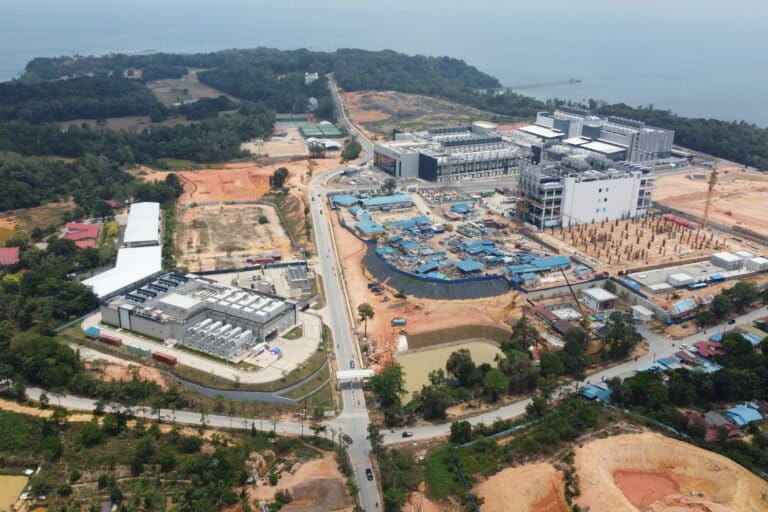
During a Focus Group Discussion (FGD) organized by the Regional Research Agency (Brida) on August 12, 2026, Novita argued that the reservoir’s decline was a direct result of the ongoing prolonged dry season rather than industrial extraction. "That is not true," Novita stated firmly. "The Nongsa Reservoir primarily covers the needs of the local community and surrounding resorts; it has no functional link to the data center operations."
According to the authorities, the operational data centers currently in Batam draw their water supplies from the Duriangkang Reservoir, not Nongsa. However, officials insist that even this supply is strictly prioritized for public consumption. "We ensure that the water in the reservoirs is first and foremost for the citizens," Novita emphasized, noting that the government is pushing data center operators to implement Sea Water Reverse Osmosis (SWRO) systems to become self-sufficient.
The Economic Scale of the Digital Ambition
The scale of the investment driving this transformation is staggering. Peters Vincent, Director of Nongsa Digital Park (NDP), highlighted the global footprint of his firm, which is currently developing nine data centers across countries including New Zealand, Singapore, the United States, and China.
The financial stakes are equally immense. Nyoman Suwarjoni Astawa, President Director of NDP, provided a breakdown of the capital intensity of these projects. For every 100 megawatts (MW) of data center capacity, the investment reaches approximately US$1.6 billion, or Rp28 trillion. If the projected 2,000 MW capacity for Batam is realized, the total investment could skyrocket to an estimated Rp560 trillion.
"These figures do not even include the costs associated with building power plants, transmission grids, and other essential infrastructure," Astawa explained. He acknowledged that while some facilities currently utilize reservoir water—with BP Batam allocating 160 liters per second (Lps) out of a required 500 Lps—the projected total demand for NDP could reach 900 Lps.
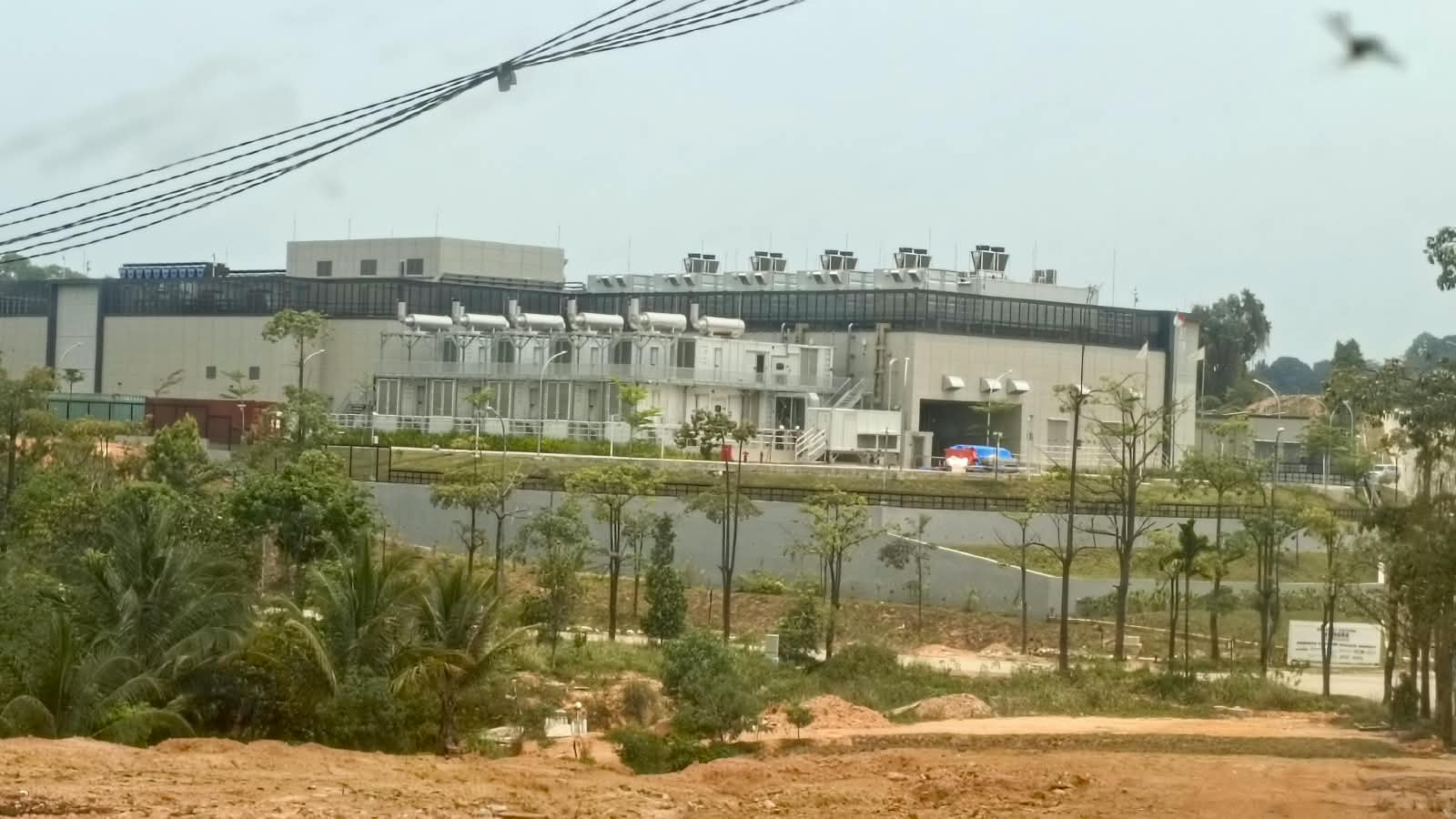
Recognizing the limitations of the island’s freshwater, developers are now in active negotiations with BP Batam to finalize the installation of large-scale SWRO plants. With the cost of such technology reaching up to Rp1 billion per liter of water, the financial burden is significant, but proponents argue it is a necessary price to pay for sustainable growth.
Energy Challenges: A Double-Edged Sword
Beyond water, the issue of energy security looms large. The total electricity demand for the nine data centers at NDP is expected to reach 1,200 to 1,500 MW by 2032. This represents a massive increase in demand for a small island.
"It will be a gradual process," Astawa stated. "This year, we are utilizing 50 MW provided by PLN (the state electricity company). By 2029 and 2030, we expect to see a surge in demand as the facilities reach peak operation."
PLN has pledged to scale its capacity to meet this demand, focusing on a mix of gas-fired power and renewable energy sources, specifically floating solar power plants (PLTS). The strategy relies on utilizing the vast natural gas reserves of the Natuna region to ensure energy stability for the next decade. However, the reliance on a "greener" energy mix is still in the developmental phase, and critics remain skeptical about whether this can truly offset the environmental impact of such an energy-intensive industry.
The Socio-Economic Argument: Employment and Infrastructure
Proponents of the data center boom argue that the focus should not solely be on the operational phase, which requires a relatively small permanent workforce (estimated at 100–150 staff per facility). Instead, they point to the broader construction and support ecosystem.
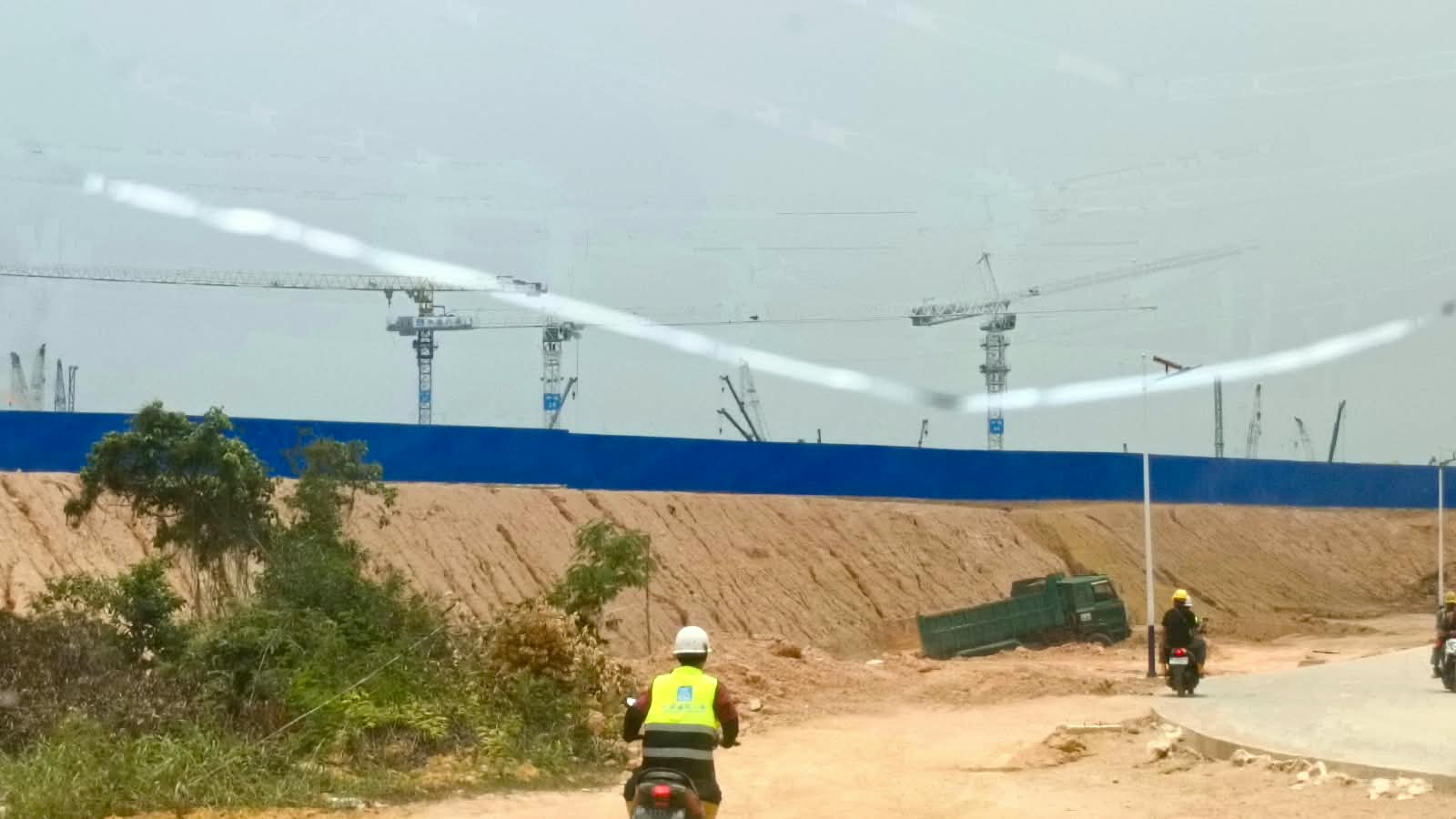
"The construction phase alone is projected to create employment for up to 10,000 people over a six-year period," noted Vincent. The ripple effect extends to the maintenance of power plants, the development of water treatment facilities like SWRO, and the expansion of the electrical grid. Proponents maintain that these projects act as a force multiplier for the local economy, though skeptics argue that these jobs are often temporary and require highly specialized skills that may not be readily available in the local labor market.
Expert Perspectives: Alternative Solutions and Sustainability
The debate has drawn in voices from the private sector and civil society, offering alternative pathways for development. Willy Setiawan, Vice Chairman of the Natural Resources Division at the Chamber of Commerce and Industry (Kadin) Kepri, suggested that there are more cost-effective and sustainable ways to manage water than expensive desalinization.
"The most efficient way to manage water is through the expansion of rainwater harvesting," Setiawan argued. "Using reservoirs is significantly cheaper, at around Rp1,500 per cubic meter. SWRO should be the absolute last resort."
Setiawan also highlighted the potential for recycling domestic wastewater, a practice successfully implemented in Singapore. "We are currently wasting our domestic wastewater into the sea, while it could be treated and reused. It is much more cost-competitive and environmentally friendly."
He also warned of the hidden ecological costs of SWRO, noting that the discharge of high-salinity brine—a byproduct of the desalinization process—has been proven in other regions to cause significant damage to coral reefs and marine biodiversity.
The Call for Moratorium and Ecological Caution
Perhaps the most critical voice in this discourse comes from environmental advocacy groups. Ahmad Ashov Birry of TrendAsia has called for an immediate halt to new permits for data centers in Batam. He argues that the rapid influx of these facilities poses an existential threat to the island’s delicate ecological balance.
"The data center boom is creating problems that were not properly anticipated," Birry asserted. "As a small island, Batam’s carrying capacity is extremely limited. We are seeing a clash between industrial ambition and the rights of the local community."
Birry further raised concerns about the impact on Indonesia’s energy transition. Because data centers require 24/7 stable power, they often act as a barrier to the phasing out of fossil fuels. "In many instances, data centers become an excuse for delaying the transition to renewable energy because they require such a massive, constant load. If we continue on this path, we are not just impacting local water; we are accelerating climate instability."
The demand for a moratorium is gaining traction. As other regions across the globe begin to question the wisdom of allowing resource-intensive tech hubs in sensitive environments, the call for BP Batam to adopt a more cautious, science-based approach is becoming impossible to ignore.
Conclusion: Balancing Progress and Preservation
The situation in Batam serves as a microcosm of a global dilemma: how can developing nations leverage the digital economy without compromising the fundamental resources required for their citizens’ survival?
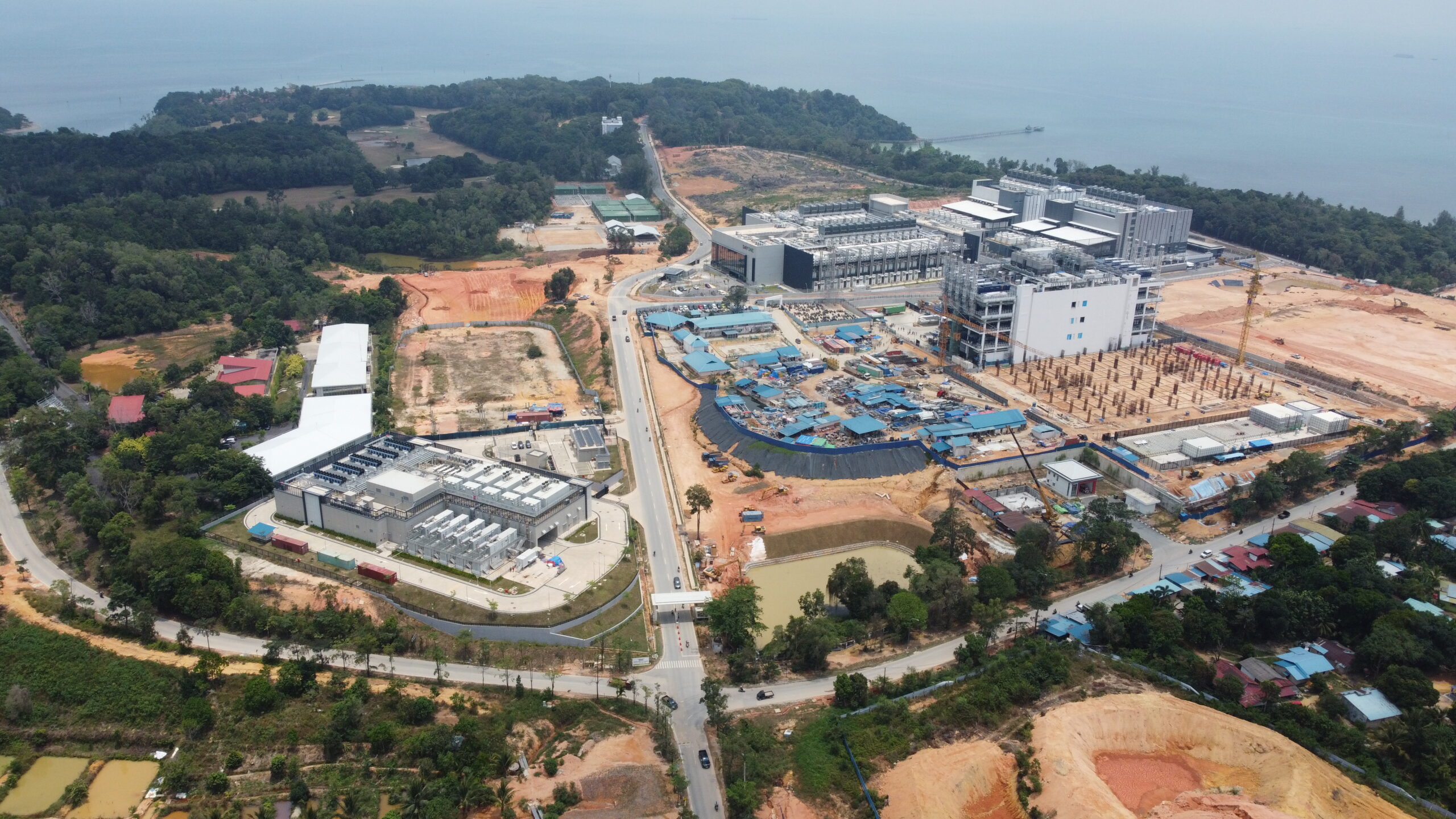
While the economic potential of the data center sector is undeniable, the concerns regarding water depletion, energy reliance, and ecological degradation are equally valid. The future of Batam depends on the government’s ability to transition from a policy of "growth at any cost" to a strategy of "sustainable development."
As the discussions between BP Batam, private developers, and civil society continue, the eyes of the nation remain fixed on the Nongsa Reservoir. It stands not just as a body of water, but as a test of governance. The decisions made in the coming months will determine whether Batam becomes a successful model for sustainable digital infrastructure or a cautionary tale of over-industrialization in a changing climate.







