The Evolution of Performance: Yamaha Unveils the Sophisticated 2026 YZF-R7
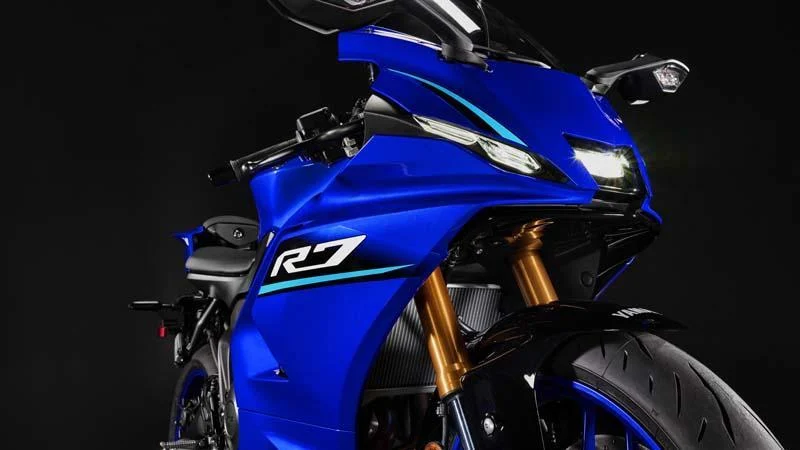
The global motorcycle market is witnessing a significant transformation in the middleweight supersport segment, and Yamaha is leading the charge with the official unveiling of the 2026 YZF-R7. By blending the raw, visceral appeal of its legendary CP2 engine with cutting-edge electronic rider aids and a refined aerodynamic profile, Yamaha is positioning the new R7 not just as a street-legal machine, but as a formidable contender for both canyon carving and track-day dominance.
Launched initially in the Thai market, the 2026 model represents a strategic refinement of a platform that has already redefined the "middleweight" category. As enthusiasts await its global rollout, the specifications and technological leaps showcased in this iteration suggest that Yamaha is doubling down on its "Beauty of Turning Control" philosophy.
Main Facts: A New Benchmark for the Middleweight Class
The 2026 Yamaha YZF-R7 arrives with a compelling package that balances performance, aesthetics, and technological integration.
Pricing and Availability
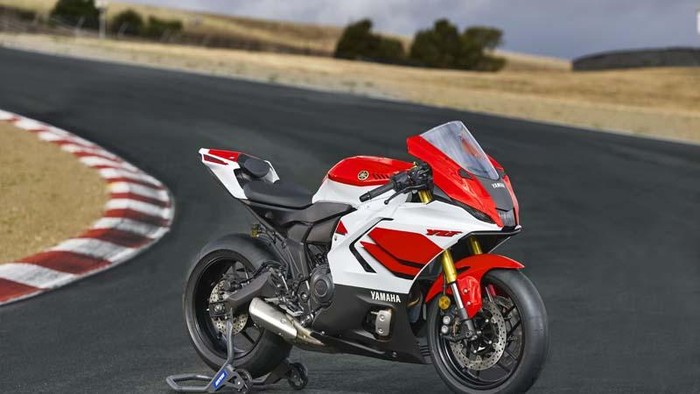
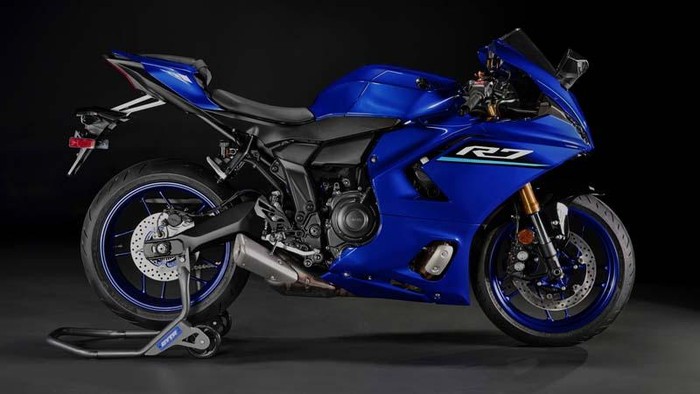
In Thailand—often considered a bellwether for Southeast Asian motorcycle trends—the standard 2026 Yamaha YZF-R7 is priced at 345,000 baht (approximately IDR 184 million). For collectors and enthusiasts seeking a touch of heritage, Yamaha has also introduced a limited 70th Anniversary Edition. Dressed in the iconic "Anniversary White" livery, this special variant commands a slight premium, retailing at 348,000 baht (approximately IDR 185.6 million).
Core Technical Specifications
At its heart, the machine retains the celebrated 689cc, liquid-cooled, DOHC, inline-two-cylinder CP2 engine. Utilizing a 270-degree crossplane crankshaft, the engine delivers a distinct power delivery character that mimics the torque-rich feel of a larger V-twin.
- Peak Power: 73.4 PS at 8,750 rpm.
- Peak Torque: 68 Nm.
- Chassis Philosophy: The bike remains anchored by its lightweight, high-rigidity frame, optimized for agility and cornering precision.
Chronology: From Concept to 2026 Refinement
The journey of the R7 platform has been one of gradual, calculated evolution. When Yamaha first introduced the YZF-R7 as the successor to the R6, purists were initially skeptical of the transition from a high-revving four-cylinder engine to a torque-focused twin. However, the market response proved that the philosophy of "usable power" resonated with a wider audience.
- 2021-2022: The original YZF-R7 launched, successfully filling the void left by the discontinued R6. It was praised for its chassis dynamics but lacked the sophisticated electronic suite found in its competitors.
- 2024: Yamaha engineers began intensive development on the next generation, focusing on rider feedback regarding throttle response and electronic intervention.
- Mid-2026: The official unveiling of the 2026 model takes place, marking the first time the R7 platform has received a comprehensive suite of "ride-by-wire" technology, effectively bridging the gap between an entry-level sports bike and a professional-grade track machine.
Design and Aerodynamics: The ‘Beauty of Turning Control’
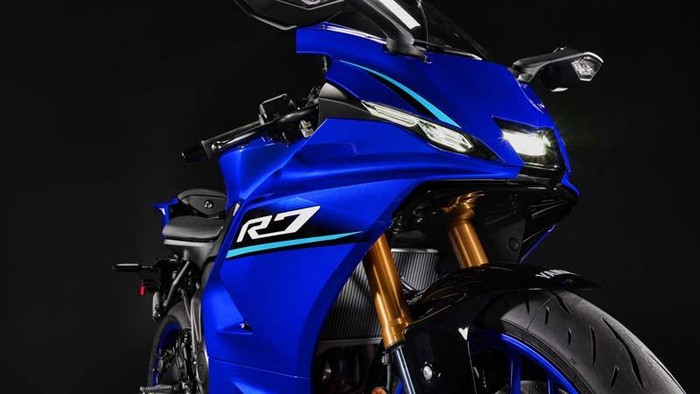
The visual identity of the 2026 YZF-R7 has undergone a subtle but impactful metamorphosis. Adhering to the "Beauty of Turning Control" design language, the bike presents a more aggressive, sharper profile than its predecessor.
Aerodynamic Efficiency
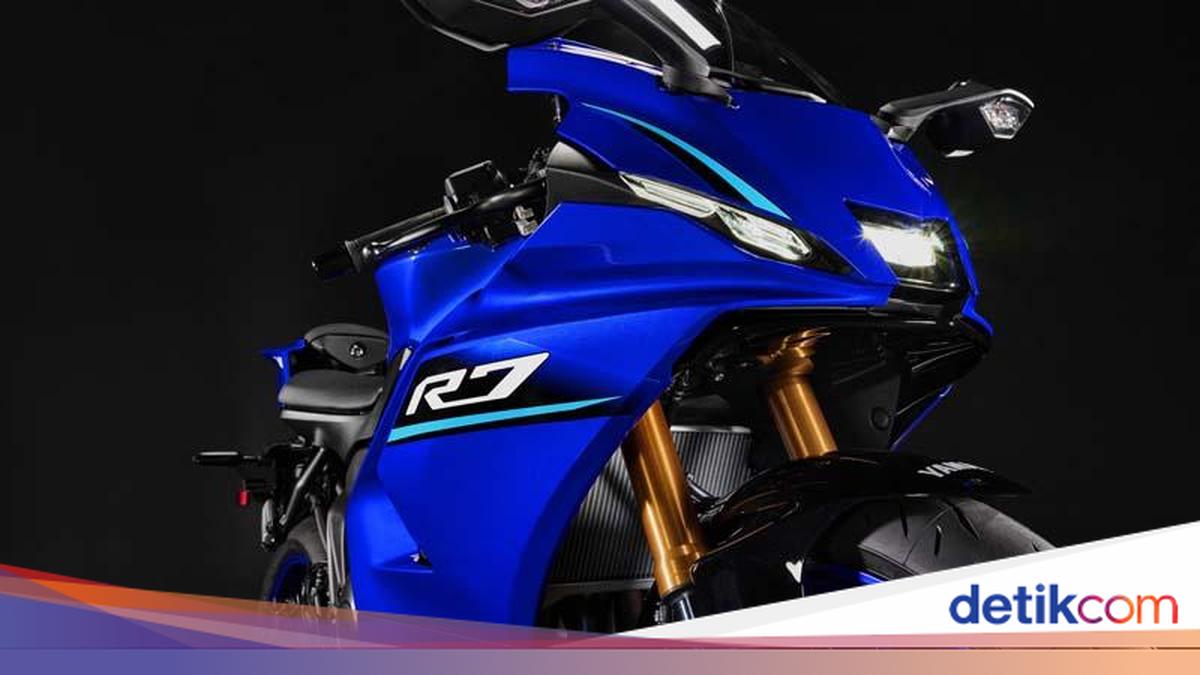
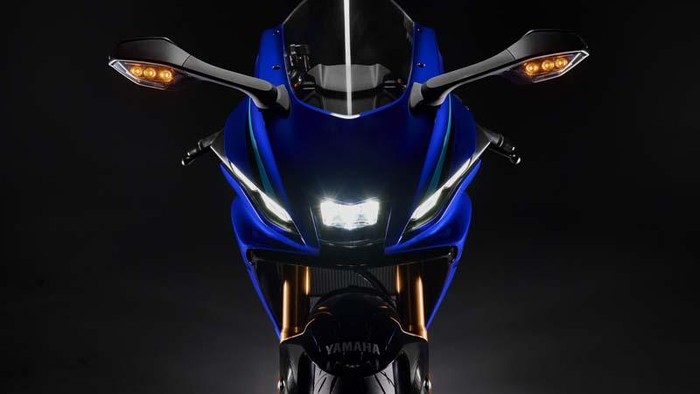
The fairing has been completely redesigned to be more aerodynamic and slimmer. This is not merely an aesthetic choice; the reduced frontal area significantly lowers the drag coefficient, allowing for higher top speeds and increased stability at high velocity. The interplay between the minimal, piercing LED headlights and the sculpted side panels creates a "ready-to-pounce" silhouette that aligns with the visual heritage of the R-Series family.
Ergonomics
While the bike is undeniably sporty, the 2026 iteration maintains the carefully considered ergonomics that made the previous model a daily-rideable superbike. The clip-on handlebars are positioned to provide a genuine sport-riding stance without the punishing fatigue associated with pure-bred racing machines.
Technological Leap: The YCC-T Integration
The most significant upgrade for the 2026 model year is the implementation of the Yamaha Chip Controlled Throttle (YCC-T) system. This shift from a traditional cable-actuated throttle to an electronic ride-by-wire system is the cornerstone of the bike’s new-found capabilities.
Precision Control
YCC-T allows for an unprecedented level of throttle precision. By electronically managing the intake air volume, the engine can react to rider input with millisecond accuracy, smoothing out the power delivery and eliminating the "jerkiness" often associated with aggressive twin-cylinder engines.
Electronic Rider Aids
With YCC-T as the foundation, Yamaha has introduced a suite of electronic features that elevate the YZF-R7 to the top of its segment:
- Quick Shifter (Up/Down): Standard equipment for seamless gear changes without clutching, essential for maintaining momentum on the track.
- Launch Control: Allows riders to achieve optimal acceleration from a standstill, minimizing wheel spin.
- Rear ABS OFF Mode: This is a crucial addition for track enthusiasts. By allowing the rider to deactivate the Anti-lock Braking System on the rear wheel, Yamaha enables experienced riders to slide the rear end into corners—a technique often used to tighten the racing line.
Official Responses and Strategic Implications
Yamaha’s product development team has emphasized that the 2026 R7 was built in response to a growing segment of riders who want "the racing experience without the racing maintenance."
The Manufacturer’s Perspective
In a statement accompanying the launch, Yamaha spokespeople highlighted that the goal was to provide "the most accessible yet capable R-series machine to date." By focusing on the CP2 platform’s reliability and adding sophisticated electronics, Yamaha believes they have created a bike that serves as a perfect stepping stone for riders looking to move into the 1,000cc superbike category, or for those who simply want a bike that is fast, fun, and manageable.
Market Implications
The inclusion of high-end electronics like YCC-T and advanced ABS settings in a middleweight machine signals a shift in industry standards. Competitors are now faced with a choice: match the R7’s electronic sophistication or risk losing market share to a machine that offers the best "bang for the buck" in terms of technology-to-price ratio.
For the racing community, the 2026 R7 is expected to become a staple in club-level racing series. The ease of tuning the engine, combined with the new electronic safety net, makes it an ideal platform for aspiring racers who need a bike that is forgiving enough to learn on, but powerful enough to win on.
Conclusion: A New Era for the Middleweight Supersport
The 2026 Yamaha YZF-R7 is not just a cosmetic refresh; it is a fundamental technological upgrade that reaffirms Yamaha’s dominance in the middleweight sector. By successfully marrying the torque-heavy excitement of the CP2 engine with the precision of YCC-T and track-focused electronics, Yamaha has created a machine that feels significantly more expensive than its price tag suggests.
Whether it is the striking 70th Anniversary Edition or the standard model, the 2026 YZF-R7 promises to be the bike that defines the middleweight class for years to come. It stands as a testament to the fact that performance is not just about raw horsepower—it is about the harmony between the rider, the machine, and the road ahead. For those looking for the ultimate balance of form, function, and cutting-edge technology, the wait for the 2026 YZF-R7 has undoubtedly been worth it.