The Crucible of Speed: Ducati’s Strategic Pivot as MotoGP 2026 Intensifies
Introduction: A Changing Landscape in the 2026 Title Fight
The 2026 MotoGP World Championship has evolved into a high-stakes tactical chess match, characterized by shifting power dynamics and an unprecedented level of parity among the top manufacturers. As the paddock departs the Red Bull Ring following a sobering weekend at the Austrian Grand Prix, the atmosphere within the Ducati Lenovo garage is one of intense reflection.
Davide Tardozzi, the stalwart Team Manager of Ducati, finds his team at a critical juncture. Once the undisputed masters of the grid, the Borgo Panigale factory now faces a formidable challenge from a resurgent KTM and a tactically astute Aprilia squadron. In navigating this turbulent mid-season phase, Tardozzi has looked to the past, specifically the philosophy of one of the sport’s most enigmatic legends: Casey Stoner.
1. The Austrain Reality Check: A Statistical Shift
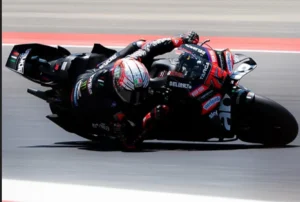
The Austrian Grand Prix served as a microcosm of the current competitive landscape. For the first time in an extended period, the podium was devoid of Ducati machinery. Marc Marquez, the spearhead of the Ducati charge, could manage only a fifth-place finish, struggling to match the explosive pace of KTM’s Pedro Acosta and the relentless consistency of the Aprilia contingent that swept the remaining podium spots.
The Numbers Behind the Struggle
The Red Bull Ring, traditionally a "Ducati fortress" due to its heavy braking zones and long straights, exposed technical vulnerabilities in the Desmosedici GP26. The data telemetry from Spielberg suggests that while the Ducati retains its raw engine power, the advantage in corner entry and mid-corner speed—once a hallmark of the bike—has been eroded by the rapid development cycles of rival factories.
- Winner: Pedro Acosta (KTM)
- Top Ducati Finisher: Marc Marquez (5th)
- Championship Implications: The gap at the top has tightened, effectively turning the second half of the season into a "sprint to the finish" where every point is treated as a championship decider.
2. The Stoner Philosophy: A Blueprint for Resilience
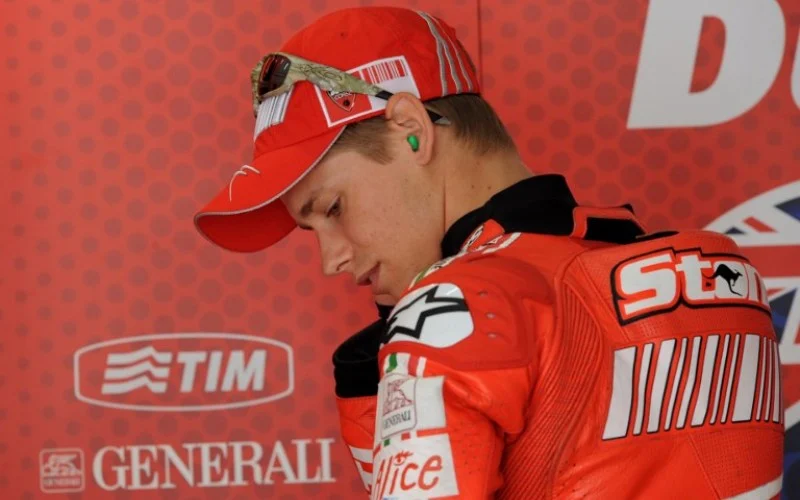
When asked by GPOne about the roadmap for reclaiming dominance, Tardozzi did not reach for technical jargon or aerodynamic updates. Instead, he invoked the wisdom of Casey Stoner, the Australian icon who secured Ducati its first-ever MotoGP title in 2007.
The Two-Phase Theory
Stoner’s methodology, as interpreted by Tardozzi, is binary yet profound. It divides the season into two distinct psychological halves:
- The Rational Phase (First Half): This is the period of accumulation. It requires a cerebral approach—managing risks, prioritizing finishing over winning at all costs, and ensuring that the bike is home for every race.
- The Emotional Phase (Second Half): This is where the championship is won or lost. As the finish line approaches, the calculation shifts. It is the time for "heart," where calculated aggression and the willingness to push beyond the machine’s perceived limits become necessary.
"Like the great Casey Stoner taught me," Tardozzi remarked, "you tackle the first half of the championship with your head, and the second half with your heart."
3. Chronology: The Road to the 2026 Climax
The 2026 season has been a story of two tales. The early rounds were defined by Ducati’s clinical efficiency. Francesco Bagnaia and Marc Marquez seemed to be in a league of their own, creating a narrative that the championship was merely a formality.
- Q1 (Rounds 1–5): Ducati dominance. The GP26 was the benchmark, with riders consistently locking out the front row.
- Q2 (Rounds 6–10): The rise of the challengers. Aprilia introduced a chassis revision in Catalunya that fundamentally changed their bike’s handling, while KTM’s mid-season engine update—paired with Pedro Acosta’s maturation—began to bear fruit.
- The Turning Point (Austria): The Austrian GP represents the "new normal." It is the moment where the hunter has officially become the hunted.
4. Supporting Data: The Convergence of Performance
To understand why Tardozzi is stressing the need for "heart," one must analyze the convergence of bike performance. In 2024 and 2025, the performance gap between the top-tier Ducati and the midfield was significant. In 2026, the delta between the first and tenth position has shrunk to less than half a second at most circuits.

Manufacturer Analysis
- KTM: Their aggressive development, led by Acosta, has made the RC16 the most balanced bike under braking. Their ability to rotate the bike in the middle of the corner is currently the benchmark.
- Aprilia: Often considered the "dark horse," Aprilia’s consistency in high-temperature conditions (as seen in Austria) has allowed them to capitalize when Ducati and KTM struggle with tire degradation.
- Ducati: Still the most versatile, but facing the "development plateau." With all manufacturers nearing the limit of current regulations, marginal gains are becoming harder to find.
5. Official Responses: The Ducati Camp’s Stance
Davide Tardozzi’s transparency regarding the team’s struggles is a departure from the traditional "everything is under control" rhetoric often seen in factory teams. His admission that "on certain circuits, our competitors are far more competitive than us" signals a shift in internal team culture.
"We have reached a point where we must attack," Tardozzi stated firmly. This is a directive to his riders. It is no longer about maintaining a lead; it is about reclaiming the momentum through aggressive race craft.
Marc Marquez, currently the focal point of the Ducati campaign, echoed the sentiment of his manager. "We know where we lose time," Marquez noted in the post-race debrief in Austria. "It’s not just about the bike; it’s about how we adapt our riding style to the changing track conditions. The championship is wide open, and we are ready to fight."
6. The Psychological Warfare of the Final Rounds
The transition from "head" to "heart" is as much a psychological shift as it is a sporting one. In the final third of the season, the pressure mounts. Riders who have been calculating points often find themselves paralyzed by the fear of a DNF (Did Not Finish).
Tardozzi’s emphasis on "heart" suggests that he wants his riders to shed the defensive posture they may have adopted while leading the points table. By encouraging them to race with passion rather than fear, he is attempting to reset their focus.
The Role of the Rider
In modern MotoGP, the bike is an extension of the rider’s nervous system. When the technical gap between machines is negligible, the "heart" element—bravery in late braking, precision in traffic, and the mental fortitude to handle the pressure of a multi-bike battle—becomes the deciding factor.
7. Implications: What to Expect in the Final Stretch
As the paddock moves toward the final rounds, the 2026 season promises to be a historic battle. The implications of this mid-season pivot are clear:
- Increased Aggression: Fans should expect more contact and more daring overtakes. With the championship margins tightening, the era of "polite" racing is over.
- Strategic Risk-Taking: Teams will be more willing to gamble on risky setups to find the extra tenth of a second needed to overcome the current performance gap.
- Team Dynamics: The pressure will shift to the pit walls. Strategy, fuel management, and team orders will become increasingly vital as every point is scrutinized.
Conclusion: The Final Stand
The 2026 MotoGP season has reached its boiling point. For Ducati, the road ahead is fraught with challenges, but the path to the title is illuminated by the wisdom of their past successes. By embracing the "heart" over the "head," Davide Tardozzi and his squad are preparing for an all-out assault on the championship.
Whether or not this strategic pivot will be enough to hold off the charging KTMs and the tactical Aprilia team remains to be seen. However, one thing is certain: the MotoGP 2026 title will not be won by the machine alone. It will be won by the rider who can best balance the rational lessons of the past with the visceral, burning desire to win that defines the greatest champions in the history of the sport. As the lights go out for the remaining rounds, the world will be watching to see if the Ducati spirit can once again rise to the top.