The Art of the Perfect Smoothie: Elevating Texture, Nutrition, and Technique
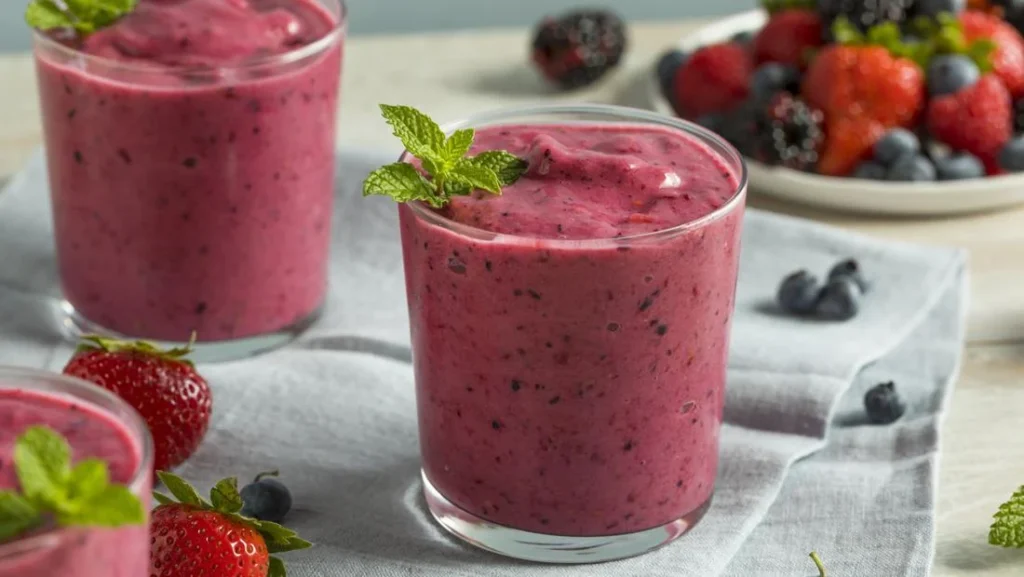
Jakarta – In the modern pursuit of wellness, the smoothie has cemented its status as a cornerstone of a balanced diet. Far more than just a quick breakfast fix, a well-crafted smoothie serves as a concentrated delivery system for essential vitamins, minerals, and antioxidants. However, achieving that elusive, café-quality velvety texture while maximizing nutritional density requires more than just throwing ingredients into a blender.
As health enthusiasts look to optimize their morning routines, culinary experts and nutritionists are shedding light on the science of the blend. By understanding the interplay between liquids, solids, and thickening agents, anyone can transform a standard fruit drink into a powerhouse of health and flavor.
The Nutritional Foundation: Why Smoothies Matter
Smoothies are widely celebrated for their convenience and efficiency. They provide a practical way to consume a spectrum of whole foods—fruits, vegetables, and protein sources—in a single, nutrient-dense serving. When prepared correctly, they act as a potent shield against oxidative stress, providing the body with vital folate, potassium, and various antioxidants that protect cellular integrity against free radical damage.
The primary pitfall in the modern smoothie landscape is the reliance on refined additives. Many commercial versions are laden with artificial syrups and excessive sugars, which can negate the health benefits of the base ingredients. A truly healthy smoothie is defined by the absence of added sugars, relying instead on the natural sweetness of whole fruits and the inherent richness of healthy fats.
The Anatomy of a Perfect Blend
According to recent insights from BBC Food and corroborated by culinary reports from Mirror UK, the secret to a superior smoothie lies in a trifecta of components: liquid, fruit, and thickener. Understanding the role of each element is critical to achieving the perfect consistency.
The Chronology of Blending: A Technical Approach
The process of creating a smoothie is not merely about the ingredients chosen; it is about the order of operations. To protect the longevity of your kitchen equipment and ensure an even consistency, the liquid base should always be added to the blender jar first.
- Liquid Foundation: Start by pouring your chosen liquid—whether it be dairy milk, almond milk, oat milk, or coconut water—into the blender before adding any solids. This creates a vortex that pulls the ingredients toward the blades, preventing them from jamming and reducing wear on the motor.
- The Fruit Element: Once the liquid is in, add your fruit. A standard serving size is roughly three-quarters of a cup. Experts identify the banana as the "gold standard" for smoothies, not only for its natural sweetness but for its ability to emulsify the drink into a silky, creamy texture.
- The Thickener: This is the game-changer. By incorporating a thickening agent, you bridge the gap between a watery juice and a rich, satisfying smoothie.
Enhancing Texture: The Role of Greek Yogurt
For those seeking a more decadent mouthfeel and a protein boost, the addition of Greek yogurt is highly recommended. Unlike regular yogurt, Greek yogurt undergoes a straining process that removes much of the whey, resulting in a thicker, creamier product that is significantly higher in protein content.
Adding just one small cup of Greek yogurt can radically alter the profile of the drink. It introduces a subtle tang that balances the sweetness of the fruit while providing a satiety factor that keeps hunger at bay throughout the morning. For those with dairy sensitivities, alternatives like nut butters—such as almond or peanut butter—can provide a similar richness and healthy fat profile, creating a luxurious texture that satisfies the palate.
Supporting Data: Frozen Fruit and Nutritional Retention
A common mistake among home blenders is the reliance on ice. While ice is intended to chill the beverage, it often dilutes the flavor and results in a gritty, watery consistency as it melts.
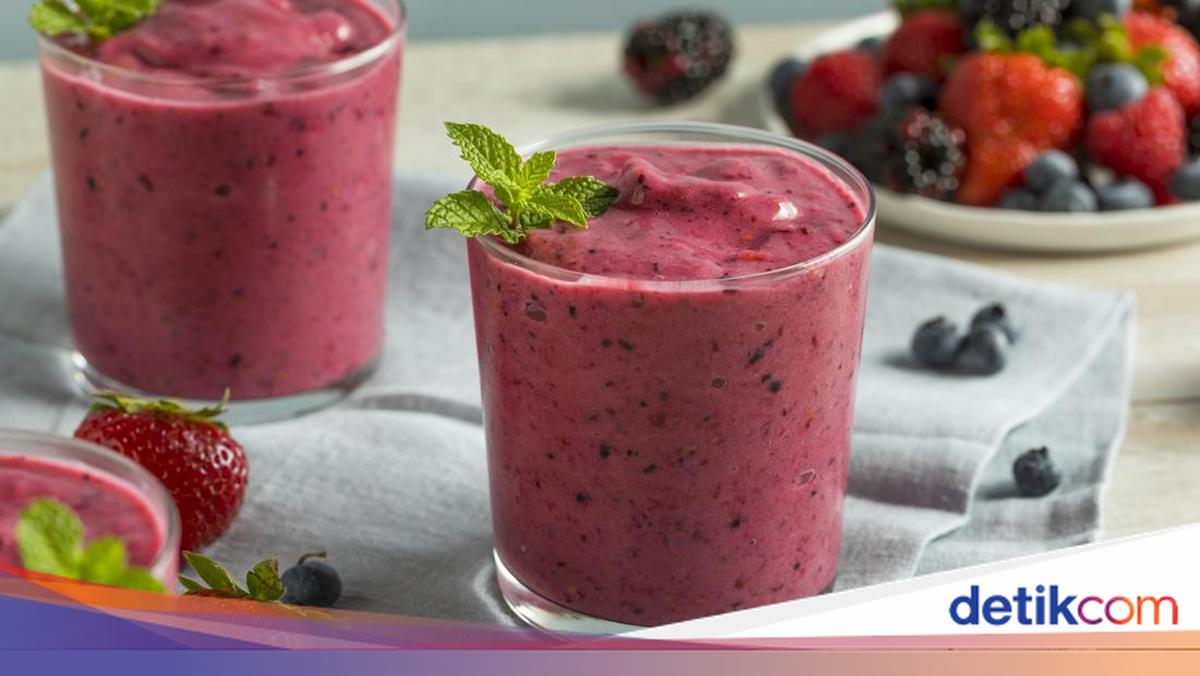
The industry consensus, supported by nutritionists, is to utilize frozen fruit. Storing your fruit—such as berries, mangoes, peaches, or even sliced apples—in the freezer serves two purposes:
- Thermal Efficiency: Frozen fruit acts as its own cooling agent, eliminating the need for ice and maintaining the integrity of the smoothie’s flavor profile.
- Nutritional Preservation: Modern research suggests that flash-freezing fruit at the peak of its ripeness locks in vitamins and minerals, ensuring that your smoothie is as nutritionally potent as possible, regardless of the season.
Expert Perspectives and Official Recommendations
Health professionals emphasize that the "smoothie habit" should be viewed as a long-term dietary investment. BBC Food notes that while fruit is the main draw, the inclusion of greens and healthy fats is what separates a "dessert drink" from a "meal replacement."
The Sweetness Dilemma
When natural fruit sweetness is insufficient, the recommendation is to avoid refined white sugars. Instead, opt for natural, unrefined sweeteners in moderation. Ingredients such as raw honey, high-quality maple syrup, or agave nectar are preferred, though these should still be used sparingly to keep the glycemic impact low.
The Role of Fiber
A critical consideration in the "smoothie vs. juice" debate is fiber. Because the whole fruit is blended rather than juiced, the fiber remains intact. This is essential for digestive health and for regulating the speed at which sugar enters the bloodstream. To further optimize this, many experts suggest adding seeds—such as chia, flax, or hemp hearts—which add essential omega-3 fatty acids without compromising the drink’s texture.
Implications for Daily Health
The implications of adopting a standardized, scientific approach to smoothie-making are significant. By shifting the focus from "what is convenient" to "what is functional," individuals can expect several health outcomes:
- Sustained Energy: By balancing protein (yogurt/nut butter), healthy fats, and fiber (fruits/seeds), the body experiences a slower, more sustained release of energy, avoiding the "sugar crash" associated with high-glycemic breakfasts.
- Improved Digestion: The inclusion of whole fruits and, optionally, probiotics from Greek yogurt, supports a healthy gut microbiome, which is essential for overall immunity.
- Cost and Waste Reduction: By utilizing frozen fruit, consumers can buy in bulk and reduce food waste, as frozen produce has a significantly longer shelf life than fresh fruit.
Conclusion: The Path Forward
The humble smoothie is a testament to the fact that small adjustments in technique can yield massive results. Whether you are a fitness enthusiast looking for post-workout recovery or a busy professional seeking a nutritious morning start, the transition to a more calculated blending method is well worth the effort.
By prioritizing the "Liquid-Fruit-Thickener" framework, incorporating protein-rich Greek yogurt, and utilizing the cooling power of frozen produce, you are not just making a drink—you are crafting a balanced, efficient, and delicious component of a healthy lifestyle. As research continues to emerge, the humble blender remains the most versatile tool in the kitchen, bridging the gap between raw, natural ingredients and the fast-paced requirements of modern life.
In summary, the next time you reach for your blender, remember: the difference between a mediocre drink and a nutritional masterpiece is just a few intentional steps away. Emulsify, chill, and enjoy the benefits of a perfectly crafted, creamy, and nutrient-dense smoothie.