
Strengthening Governance and Security: DPD RI’s Strategic Oversight of Banten’s "Jaga Desa" Initiative
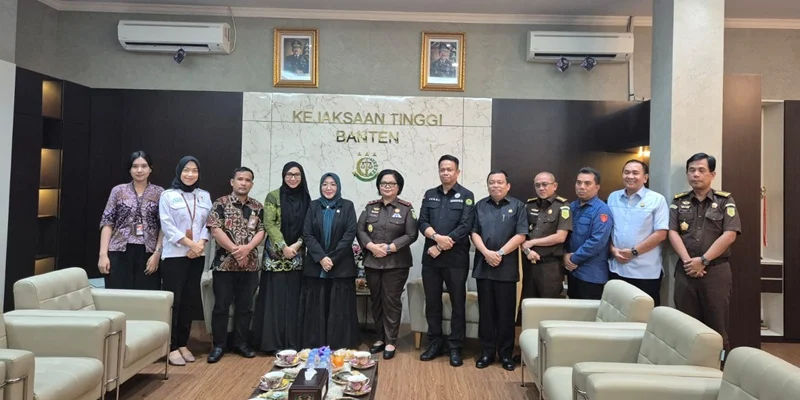
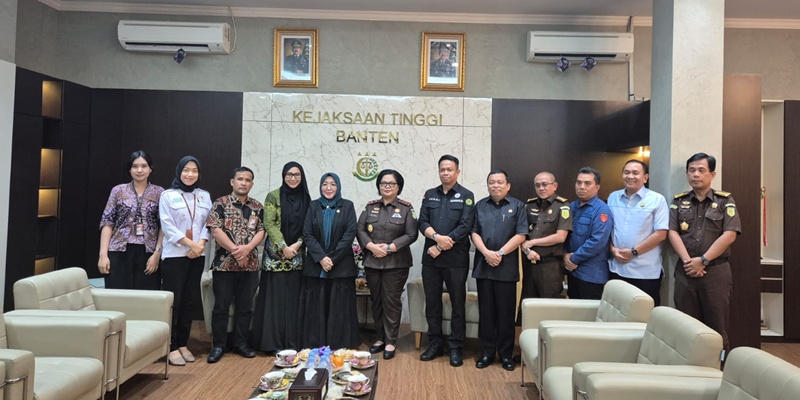
SERANG, BANTEN – In a move aimed at fortifying regional governance and enhancing the legal resilience of rural communities, Senator Ade Yuliasih, a prominent member of Committee I of the Regional Representative Council of the Republic of Indonesia (DPD RI), conducted a high-level working visit (reses) to the Banten High Prosecutor’s Office (Kejati Banten) on Thursday, July 23, 2026. The visit, held in Curug, Serang, served as a strategic platform to assess the efficacy of the "Jaga Desa" (Protect the Village) program and discuss the broader security landscape of the province.
The Mandate of Oversight: Why the Reses Matters
The DPD RI holds a constitutional mandate to oversee the implementation of laws and the performance of regional institutions. Ade Yuliasih’s visit was not merely a ceremonial exchange; it was a deliberate effort to align national policy with ground-level execution.
As a member of Committee I, which focuses on governance, legal reform, and regional autonomy, Yuliasih underscored that the stability of the Indonesian state begins at the village level. With Banten serving as a critical gateway to the capital and a hub for national vital objects, the administrative health of its villages is a matter of national security. The focus on the "Jaga Desa" program signifies a shift in the prosecutorial paradigm—moving away from a purely punitive approach toward one of proactive legal guidance and corruption prevention.
Chronology of the Working Visit
The session began at the Kejati Banten headquarters, where Yuliasih was received by the Chief Prosecutor, Bernadeta Maria Erna Elastiyani, and her senior staff. The agenda proceeded in three distinct phases:
- Strategic Briefing: The Kejati Banten leadership provided a comprehensive overview of the current legal climate in Banten, detailing ongoing investigations, legal assistance programs, and the challenges faced by prosecutors in rural districts.
- Programmatic Evaluation: A deep dive into the "Jaga Desa" initiative, where the Kejaksaan (Prosecutor’s Office) demonstrated how they provide legal counseling to village officials to prevent the misuse of the Village Fund (Dana Desa).
- Policy Discussion: A collaborative dialogue focusing on the intersection of law enforcement, community welfare, and the specific socio-legal challenges unique to the Banten region, such as drug trafficking and civil order.
The "Jaga Desa" Initiative: A Shield Against Corruption
The "Jaga Desa" program is the cornerstone of the Attorney General’s preventive strategy. In many rural areas, village heads and administrative staff often lack the legal training required to manage complex budget allocations, leading to unintentional administrative errors that can be misconstrued as criminal corruption.
"The ‘Jaga Desa’ program is a vital mechanism," Yuliasih stated during the meeting. "It serves as a legal guardrail. By providing mentorship and ensuring that village apparatuses understand the nuances of procurement and financial accountability, we are not just preventing crime; we are fostering professional, sustainable governance from the bottom up."
Yuliasih lauded the Kejati Banten for their proactive stance. She emphasized that the cost of prevention—through education and guidance—is infinitely lower than the economic and social damage caused by the prosecution of village officials who could have been guided toward compliance.
Official Responses and Institutional Perspectives
Chief Prosecutor Bernadeta Maria Erna Elastiyani provided a sobering assessment of the regional legal landscape. While the "Jaga Desa" program has seen positive uptake, the Banten Prosecutor’s Office remains under significant pressure due to the complexity of the province’s criminal statistics.
According to the briefing, the most pervasive threat remains the distribution and consumption of illicit narcotics. Despite aggressive enforcement, the strategic location of Banten makes it a high-risk transit point for drug syndicates. Furthermore, the Office noted an uptick in cases involving public morality and religious sensitivity, which require a delicate, nuanced approach to ensure that legal outcomes maintain social cohesion rather than disrupting it.
"We are balancing the scales," Elastiyani noted. "We must be firm on crime, but we must also act as a pillar of support for the local government. The collaboration with DPD RI is essential to bridge the gap between policy formulation in Jakarta and the legal realities in Banten’s hinterlands."
Implications for Regional Security
The implications of this visit extend far beyond administrative oversight. The collaboration between the DPD RI and the Kejati Banten points to a broader, nationwide strategy to stabilize Indonesia’s provinces through:
- Proactive Governance: Moving the Prosecutor’s Office from a reactive "catcher of criminals" to a proactive "partner in development."
- Economic Stability: By ensuring that Village Funds are utilized transparently, the program directly contributes to the economic welfare of rural citizens, reducing the poverty that often fuels criminal activity.
- Infrastructure Protection: Given Banten’s status as home to critical national infrastructure, the coordination between local law enforcement and the state prosecutor ensures that legal volatility is minimized, providing a safer environment for investment and public services.
The Road Ahead: Strengthening the DPD-Kejati Synergy
As the visit concluded, both parties expressed a commitment to continued engagement. Yuliasih noted that the information gathered during the visit would be brought back to the DPD RI chambers to inform future legislative debates and budgetary recommendations.

"This is not a one-time event," Yuliasih concluded. "We are building a pipeline of communication. When the DPD hears the specific challenges of our prosecutors, we can advocate for better resources, better training, and clearer regulations. When the Kejati hears the concerns of the people, they can tailor their programs to be more responsive to the needs of the community."
The synergy between the legislative oversight of the DPD and the executive mandate of the Kejaksaan creates a robust framework for regional stability. In a country as diverse as Indonesia, where the challenges of a village in the Lebak district may differ wildly from those in a suburban area of Serang, such localized oversight is the backbone of the nation’s legal health.
Supporting Data and Future Outlook
While specific figures regarding the success rate of the "Jaga Desa" program were highlighted in the briefing as "encouraging," the DPD RI has requested a longitudinal study on the program’s impact. The objective is to quantify how many village officials have been saved from legal pitfalls and how much financial leakage has been prevented since the program’s inception.
As Banten continues to grow as an industrial and logistical hub, the pressures on its legal systems will only intensify. The partnership solidified on July 23 is a proactive step toward ensuring that this growth is built on a foundation of law, order, and good governance.
For the people of Banten, the message from the meeting is clear: the state is not just watching to punish; it is working to ensure that every level of government—from the central ministry to the smallest village hall—is empowered to serve the public interest with integrity.
Reported by the RMOL.ID editorial team in collaboration with the DPD RI Press Office.