
Spain Scorched: Nation Gripples with Third Brutal Heatwave as Temperatures Breach 45°C
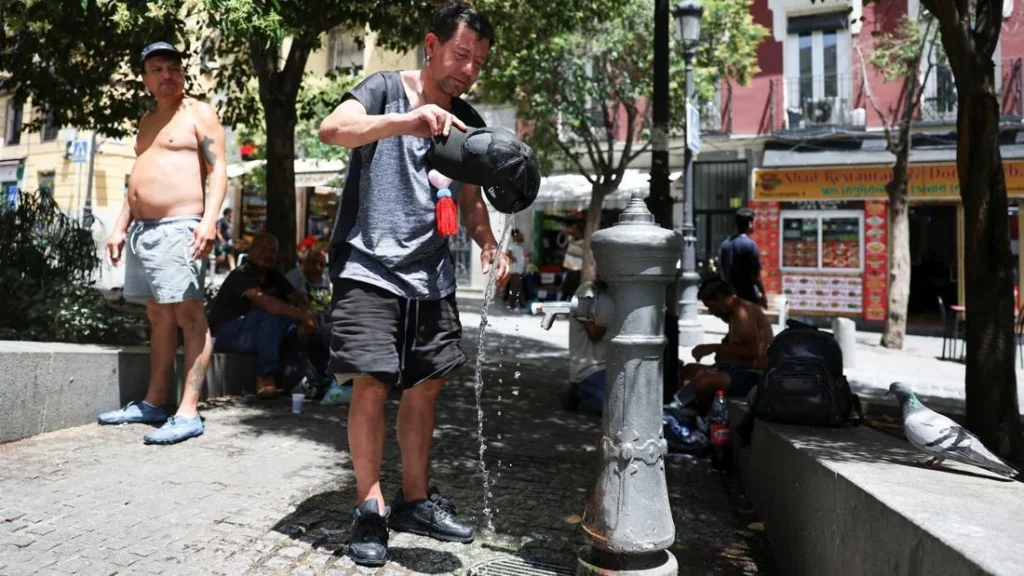
MADRID – The Iberian Peninsula is currently bracing for an unprecedented climatic assault as Spain finds itself in the grip of its third intense heatwave of the summer season. Meteorological authorities have issued urgent warnings as a massive dome of high pressure traps sweltering air from North Africa, pushing temperatures to dangerous levels that threaten public health, infrastructure, and the environment.
Beginning Tuesday, July 21, mercury levels across the nation began a sharp ascent, with meteorologists predicting that large swaths of the country will endure sustained temperatures exceeding 40°C (104°F). In the most affected regions, particularly in the southern and central heartlands, thermometers are expected to climb beyond the 45°C (113°F) threshold, creating conditions that are not only uncomfortable but potentially lethal.
The Meteorological Engine: Why Is This Happening?
According to the State Meteorological Agency of Spain (AEMET), the current heatwave is the result of a persistent, stationary high-pressure system positioned directly over the Iberian Peninsula. This atmospheric structure acts as a "heat dome," effectively sealing the region off from cooler air masses.
Compounding this is the advection of scorching, arid air originating from the Sahara Desert in North Africa. As this air mass moves northward, it compresses and warms further, resulting in the drastic temperature spikes observed over the past 48 hours. AEMET has identified Thursday, July 23, as the likely peak of this meteorological event, with the intensity of the heat showing little sign of immediate respite.
A Chronology of a Record-Breaking Summer
The summer of 2023 has been characterized by an alarming frequency of extreme weather events in Spain. This current heatwave marks the third major episode of the season, cementing a trend that has climate experts deeply concerned.
The First Wave: A Harsh Prelude
The season’s first significant heatwave arrived in late June, catching many off guard. It was not merely a local anomaly but part of a broader European heat event that shattered historical temperature records across the continent. This initial burst served as a grim precursor to the months that followed.
The Second Wave: Intensification
Following closely on the heels of the first, a second heatwave struck in early July. By this point, the ground had already begun to dry out, and the cumulative stress on the ecosystem was becoming apparent. The rapid succession of these events left little time for the environment—or the population—to recover between peaks.
The Current Crisis
As of July 21, the third wave has arrived with greater ferocity. Data from AEMET indicates that the first half of this summer has been the hottest on record since comprehensive meteorological monitoring began in 1961. The average temperature recorded between June 1 and July 15 was 24.5°C, a staggering 3.3°C higher than the 1991–2020 reference average of 21.2°C. This shift is not just a statistical variation; it is a clear indicator of a rapidly warming regional climate.
Official Responses and Public Safety Protocols
In response to the escalating crisis, AEMET and the Spanish Ministry of Health have ramped up their public advisory systems. The primary focus is the protection of vulnerable demographics, including the elderly, young children, and individuals with chronic respiratory or cardiovascular conditions.
Urgent Advisories
"The danger level is significant during the peak hours of the day," the AEMET statement noted. "Citizens must exercise extreme caution, particularly regarding physical exertion outdoors between noon and late afternoon."
Local municipalities have been advised to open "cool zones"—publicly accessible buildings with high-capacity air conditioning—to provide refuge for those without home climate control. Emergency services are currently on high alert, with staffing levels adjusted to handle a potential surge in heat-related illnesses, such as heat exhaustion and heatstroke.
Healthcare Preparedness
Hospitals and clinics have implemented specialized triage protocols to address heat-related emergencies. Doctors emphasize that the human body’s ability to regulate its internal temperature is severely compromised in temperatures exceeding 40°C, especially when humidity levels fluctuate. Prolonged exposure during these periods can lead to rapid dehydration and organ failure if medical intervention is not immediate.
The Broader Implications: Climate Change and the Future
While individual weather events cannot always be attributed solely to climate change, the scientific consensus is clear: anthropogenic global warming is significantly increasing the frequency, duration, and intensity of heatwaves.
The Drying Landscape
The ongoing heat has led to severe soil moisture deficits. As temperatures climb, the rate of evapotranspiration increases, effectively turning the Spanish landscape into a tinderbox. This state of extreme aridity has profound implications for both agriculture and fire safety.
The Specter of Wildfires
Perhaps the most devastating consequence of these heatwaves is the increased risk of wildfires. Dry vegetation, combined with gusty winds and extreme heat, creates a "perfect storm" for catastrophic blazes.
Earlier this month, the nation suffered a harrowing tragedy in the southeastern province of Almeria, where a massive forest fire claimed the lives of 13 people. This incident stands as the deadliest wildfire event in Spain in recent years, serving as a stark reminder of the human cost of climate instability. Authorities remain on "red alert" for fire outbreaks, as the current heatwave exacerbates the risk of spontaneous ignition in rural and forest regions.
Economic and Environmental Toll
Beyond the immediate loss of life and health risks, the economic impact is substantial. The agricultural sector, a cornerstone of the Spanish economy, faces significant losses as crops fail under the intense thermal stress. Furthermore, the increased demand for electricity—driven by the universal use of air conditioning—places a heavy strain on the national grid, raising concerns about energy security during peak usage hours.
Conclusion: A New Normal?
The recurring nature of these heatwaves has ignited a national and international debate regarding climate adaptation. As Spain faces the peak of its third heatwave, the message from the scientific community is unequivocal: the "new normal" involves significantly higher average temperatures and more frequent extreme weather events.
Adapting to this reality requires more than just short-term emergency responses. It necessitates long-term urban planning, such as the implementation of "green infrastructure" (more trees and urban parks to combat the heat island effect), more resilient water management systems to combat drought, and a continued, aggressive transition toward renewable energy to mitigate the long-term drivers of this climate crisis.
For now, however, the immediate focus remains on the next 48 hours. As the mercury climbs toward 45°C, the resilience of the Spanish population and the preparedness of its emergency services are being put to the ultimate test. The world watches with concern, as Spain’s battle against the heat becomes a mirror for the challenges that many nations will face in an increasingly warming world.