Shadows in the Canopy: The Return of the Javan Leopard to Pekalongan’s Forests
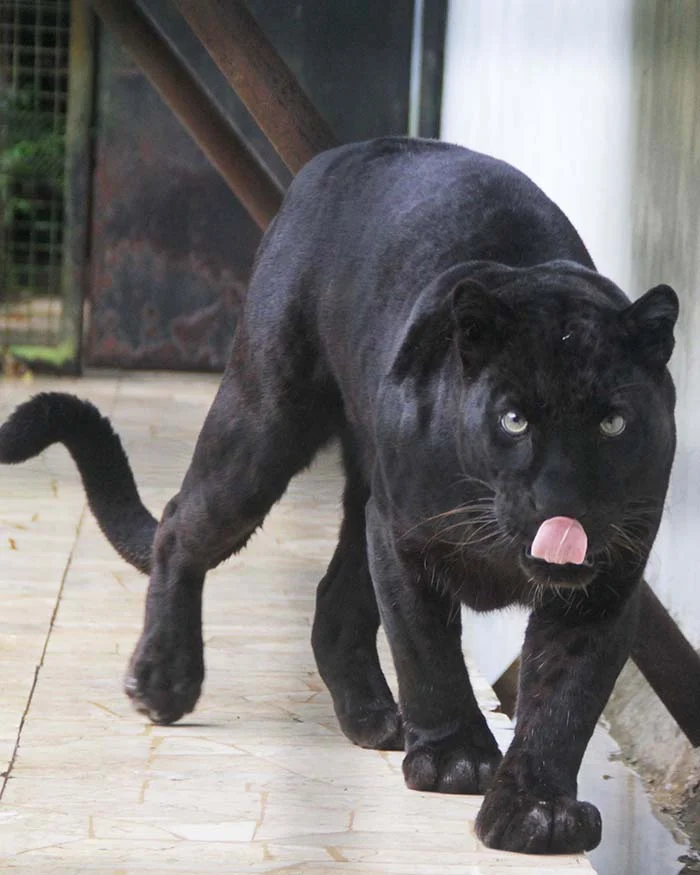
For generations, the residents of Mendolo Village in the Lebakbarang District of Pekalongan, Central Java, have whispered stories of a phantom. Elders spoke of a silent, spotted predator that once roamed the dense forests surrounding their community—a creature as elusive as it was majestic. To the modern generation, however, these were little more than folklore, a relic of a bygone era when the Javan leopard (Panthera pardus melas) still reigned over the island’s highlands.
That skepticism vanished in an instant, captured in the digital glow of a small screen.
Rohim, a 40-year-old farmer and member of the Mendolo Young Farmers Association, spent weeks trekking through the thick undergrowth, strategically placing camera traps in areas where he had long observed the tell-tale signs of the predator: deep claw marks on tree trunks and scat marking territorial boundaries. When he finally retrieved the memory card, the images confirmed what science had only dared to hope for. A Javan leopard—the rarest big cat in the region—had been caught on camera, proving that the silent guardian of the forest had never truly left; it had merely retreated into the deep shadows, waiting for the forest to reclaim its peace.
The Chronology of a Discovery: From Folklore to Fact
The journey to this discovery began not in a laboratory, but in the daily routines of the Mendolo farming community. For years, farmers reported "mysterious encounters" while tending to their coffee plots and foraging for wild honey or rattan. They would find deep, unmistakable gouges on tree bark and encounter remains of prey that suggested a predator far larger than the common civet or wild cat.
"Many farmers have reported seeing leopard claw marks for a long time," Rohim explained during an interview on September 10, 2026. For the local community, these signs were not merely physical evidence; they were a dialogue between the villagers and the forest’s true host.
Rohim, who had never seen the animal in the flesh, was determined to bridge the gap between myth and reality. In early August 2026, he deployed a camera trap in a remote, high-canopy sector of the Mendolo forest. The waiting period was fraught with uncertainty. In the world of conservation, camera traps are notorious for capturing nothing but swaying leaves, passing humans, or the occasional common small mammal.
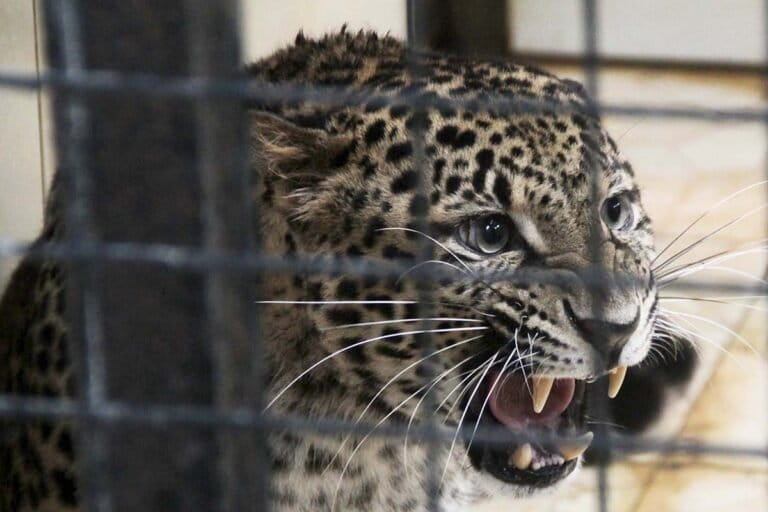
However, when Rohim checked the device in early September, the evidence was undeniable. Two leopards were captured on the frames, moving through the foliage with the effortless grace of a species that considers this forest its ancestral home. The discovery serves as a definitive answer to years of local curiosity and confirms the presence of Panthera pardus melas in the Pekalongan ecosystem.
Supporting Data: Why Mendolo Matters
The presence of the Javan leopard is not just a local curiosity; it is a vital indicator of ecosystem health. As an apex predator, the leopard requires a significant "territorial budget"—vast, interconnected corridors of forest, a stable population of prey, and, crucially, a lack of human-wildlife conflict.
Kurnia Ahmadin, a biodiversity researcher with the organization SwaraOwa, has been studying the landscape of Mendolo since 2022. According to Ahmadin, the existence of the leopard confirms that the Mendolo forest, which links to the larger ecosystem of Mount Lumping, remains functional.
"The fact that the leopard is still there implies that the entire trophic chain is still intact," Ahmadin noted on September 12, 2026. "You still have the predators, which means you still have the prey species that support them."
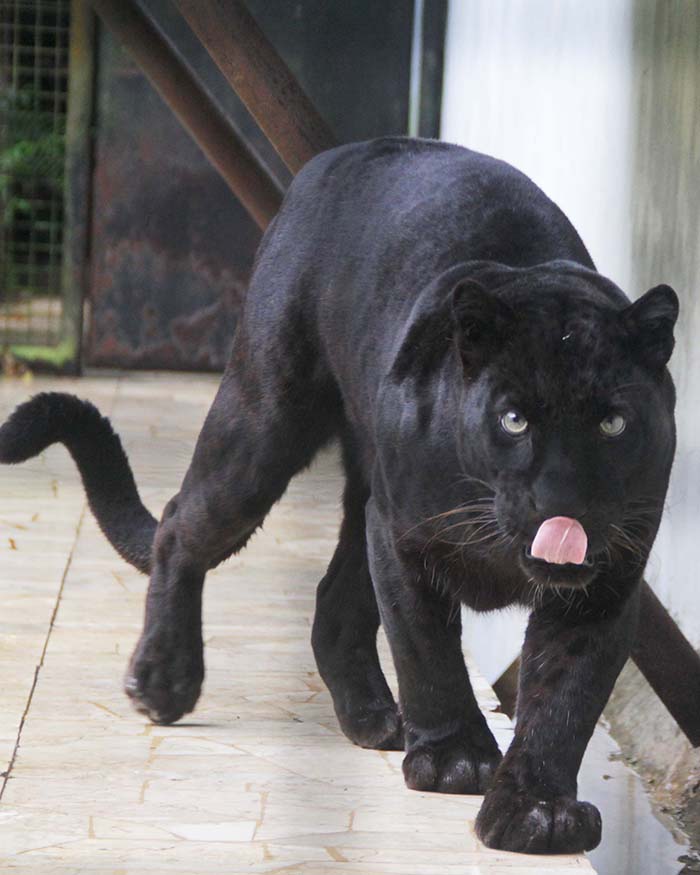
However, the data provided by the camera traps also acts as a warning. The leopard population in Java is critically endangered, suffering from habitat fragmentation and the poaching of its primary food sources. In the forests of Pekalongan, while the leopard has not yet been reported encroaching on livestock—a testament to the sufficiency of wild prey—the threat of human interference remains a constant variable.
The Delicate Balance: Human Activity and Conservation
The relationship between the people of Mendolo and the leopards is a unique case study in coexistence. Unlike other regions where leopard sightings trigger panic or retaliatory killings, the farmers of Mendolo have adopted a philosophy of stewardship.
"For the people of Mendolo, as long as the forest provides food and living space, the leopard will be just fine," Rohim stated. This mindset is the result of years of community-based conservation initiatives. Organizations like SwaraOwa have been instrumental in this shift, working with the community since late 2022.
A particularly profound aspect of this transformation is the evolution of the local youth. Many young men who once acted as bird hunters or trappers have transitioned into forest guardians. By observing the decline of biodiversity with their own eyes, they have realized that the forest’s resources are finite.
The Threats to the Apex Predator
Despite the success of the recent discovery, researchers warn that the habitat is under siege from several directions:
- Poaching: While the leopard is the target of conservationists, it is the secondary victims—the birds and small mammals—that sustain the ecosystem. "Protecting the leopard is not enough; we must protect the entire food web," Rohim emphasized. The hunting of species like the Green Imperial Pigeon or the Little Green Pigeon disrupts the prey base, forcing leopards to travel further or potentially seek domestic animals.
- Fragmented Corridors: As human infrastructure expands, the "connectivity" of the forest is at risk. Road widening, agricultural encroachment, and the clearing of canopy trees can isolate populations of leopards, leading to genetic stagnation and increased vulnerability.
- Arboreal Disruption: The forest is not just a terrestrial home; it is a vertical one. For species like the Javan gibbon (owa), the continuity of the forest canopy is a literal lifeline. Disruptions to this canopy, often caused by infrastructure projects, directly impact the movement of various species that the leopard relies upon.
Implications for Future Policy
The rediscovery of the Javan leopard in Pekalongan necessitates a shift in regional environmental policy. The local government must consider the forest of Mendolo not just as an economic resource for coffee and honey, but as a critical conservation zone.
Integrating Local Wisdom with Science
The "Mendolo Model" offers a blueprint for Indonesia’s wider conservation efforts. By empowering those who live on the front lines of the forest, conservation becomes a community-led endeavor rather than an external imposition.
"The society that lives around the forest must be a central part of protecting the overall ecosystem," Ahmadin asserts. This requires:
- Buffer Zone Management: Creating zones where human activity is permitted but regulated to ensure the canopy remains intact.
- Anti-Poaching Surveillance: Expanding the role of local farmers as citizen scientists and forest monitors to deter illegal hunting.
- Infrastructure Planning: Implementing "green" infrastructure, such as wildlife bridges or restricted access roads, to maintain the connectivity of the forest corridors.
Conclusion: A Living Legacy
The return of the Javan leopard to the lens of a camera trap in Mendolo is a victory for nature, but it is a fragile one. It serves as a reminder that even in the most densely populated islands on earth, the wild persists if given the chance.
For Rohim and the farmers of Mendolo, the leopard is no longer just a ghost in the stories told by their ancestors. It is a living, breathing neighbor that demands respect and protection. As the sun sets over the peaks of Pekalongan, the shadows in the canopy seem a little deeper, a little more alive. The leopard has returned, and with it, the responsibility for the community to ensure that this time, it never truly leaves again.
The story of the Mendolo leopard is a poignant reminder that conservation is not merely about preserving a species; it is about preserving the connection between human culture and the natural world. In the quiet, determined work of a village farmer, we find the most potent hope for the survival of Indonesia’s iconic wildlife.