Nintendo Paves the Way for Repairability: A Shift in Joy-Con Design Meets EU Regulations
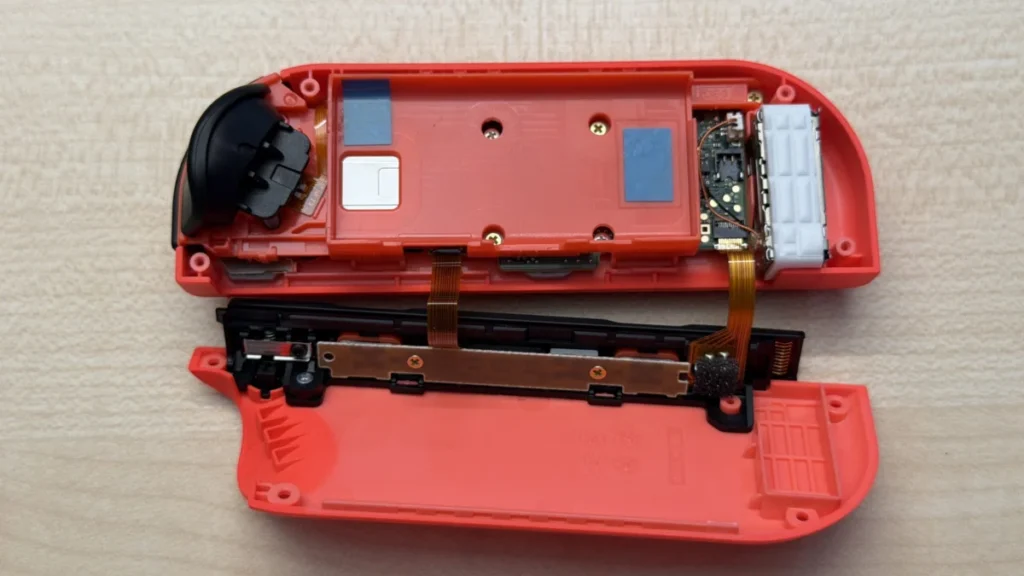
The landscape of consumer electronics is undergoing a profound transformation. For years, the trend toward “disposable” hardware—devices sealed with industrial adhesives and proprietary screws—has frustrated users and environmental advocates alike. However, a significant pivot is underway, led by one of the gaming industry’s most iconic giants. Nintendo has officially unveiled a revised design for its Joy-Con controllers, featuring user-replaceable batteries. This move is not merely a design iteration; it is a strategic compliance effort to align with the European Union’s stringent new regulations concerning consumer “Right to Repair,” which are set to take full effect in 2027.
The Catalyst: EU Regulations and the Future of Hardware
The European Union has long been a global vanguard in setting environmental and consumer protection standards. The upcoming regulation, which mandates that portable electronic devices—including gaming consoles and their peripherals—must be designed to allow consumers to easily remove and replace batteries, has forced a reckoning across the tech sector.
For Nintendo, the challenge was to maintain the compact, ergonomic form factor of the Joy-Con while engineering a chassis that allows for safe, user-accessible battery maintenance. By 2027, the EU will strictly enforce these mandates to reduce electronic waste (e-waste) and extend the lifecycle of consumer goods. Nintendo’s preemptive adaptation suggests that the company is aiming to standardize its manufacturing processes globally to avoid fragmented production lines, though the current rollout is heavily focused on the European market.
A Technical Deep Dive: The New Joy-Con Architecture
Nintendo’s approach to this design shift is both methodical and user-centric. Recognizing that internal hardware can be intimidating for the average gamer, the company has released a comprehensive suite of resources to guide the process.
The Replacement Kit
Nintendo is rolling out a dedicated "Battery Replacement Kit." This package is designed to provide everything a consumer needs to perform the maintenance themselves, ensuring that the repair process is not only possible but also safe. The kit includes:
- A new, factory-certified battery.
- A precision screwdriver (specifically gauged for Nintendo’s proprietary screws).
- Plastic tweezers to handle delicate internal ribbons.
- A spudger (opening tool) to safely pry the casing without damaging the plastic shell.
- Replacement adhesive strips to ensure the internal components remain secure once the shell is resealed.
The procedure, which consists of 13 clearly defined steps, is designed to be accessible to any adult user. By modularizing the battery compartment, Nintendo has managed to separate the power source from the sensitive motherboard and analog stick sensors, effectively mitigating the risk of accidental damage during the replacement process.

Chronology: From Proprietary Sealed Units to User Access
The evolution of Nintendo’s hardware philosophy can be tracked through several key phases over the last decade:
- The Launch Era (2017): The Nintendo Switch launched with the Joy-Con as its centerpiece. At the time, the focus was entirely on miniaturization. The battery was glued and soldered into place, with no intention for end-user access.
- The Drift Controversy (2019–2022): While unrelated to battery life, the "Joy-Con Drift" phenomenon forced Nintendo to rethink its repair infrastructure. The company expanded its service centers and repair programs, setting the stage for a more open approach to hardware maintenance.
- Regulatory Pressure (2023–2025): The EU announced its intention to formalize "Right to Repair" legislation for portable batteries. Nintendo began internal research and development on modular battery designs.
- The Current Transition (2026): Nintendo officially publishes the technical documentation and videos for the new Joy-Con model, confirming that the "Switch 2" and future controller revisions will incorporate these modular battery designs.
Implications for the Gaming Industry and Consumers
The move toward modularity carries massive implications, both for Nintendo’s bottom line and for the gaming community at large.
Reducing Electronic Waste
One of the primary drivers of this change is sustainability. Historically, when a lithium-ion battery in a controller reached the end of its chemical life—typically after 500 to 800 charge cycles—the entire peripheral often became obsolete. Users were forced to either pay for expensive, slow official repairs or discard the device entirely and purchase a new one. By allowing users to swap the battery for a few dollars, Nintendo is significantly extending the lifespan of every unit sold.
Consumer Empowerment vs. Safety Risks
There is a fine line between enabling repair and ensuring safety. Lithium-ion batteries can be volatile if punctured or improperly handled. Nintendo’s decision to provide a curated, step-by-step kit—rather than simply providing access—shows a calculated balance. They are fulfilling the mandate of the law while maintaining strict control over the quality of the replacement parts, thereby protecting their brand reputation from potential third-party battery failures.
The Global Standardization Question
Perhaps the most pressing question for the international community is whether this design will become the global standard. Currently, the documentation and availability are localized to Europe. However, manufacturing logistics make it highly inefficient to produce two distinct versions of the same controller (one for Europe, one for the rest of the world). Consequently, it is widely expected that the modular battery design will eventually become the default for all Nintendo controllers, including the Pro Controller, the Switch 2, and even legacy peripherals for Nintendo Switch Online services like the N64 and GameCube-style controllers.
Official Responses and Industry Outlook
While Nintendo has been quiet regarding a global rollout, the shift is being hailed by industry analysts as a major victory for the Right to Repair movement. Companies like iFixit have long campaigned for this level of accessibility, and Nintendo’s cooperation—albeit driven by legislation—is seen as a positive precedent.

“This is a turning point,” notes one industry analyst. “When a hardware manufacturer as influential as Nintendo changes its architecture to accommodate the consumer, it sends a signal to Sony and Microsoft. The ‘closed box’ era of gaming hardware is coming to an end.”
Nintendo’s internal support documentation emphasizes that this change is about "supporting the longevity of the gaming experience." By making maintenance simple, the company is betting that customer loyalty and long-term brand health will outweigh the short-term gains of selling new hardware units every few years.
Conclusion: A New Standard for Peripherals?
As we look toward 2027, the industry is bracing for a shift that transcends Nintendo. The EU’s regulations are acting as a catalyst for a broader design revolution. We are entering an era where modularity is no longer a niche feature for tech enthusiasts but a standard requirement for consumer electronics.
The question remains: will this trend stop at batteries, or will it eventually extend to analog sticks, buttons, and haptic feedback motors? If Nintendo’s current trajectory is any indication, the future of gaming is one where we don’t just play our consoles—we maintain them. For the millions of gamers who have experienced the sting of a dead battery in the middle of a high-stakes match, this shift to user-replaceable hardware is not just a regulatory necessity; it is a long-overdue upgrade to the gaming experience itself.
As consumers, the responsibility now shifts to us. We must embrace these repair kits, learn the basics of hardware maintenance, and demand that other manufacturers follow in Nintendo’s footsteps. The era of the "disposable controller" is waning, and a more sustainable, repairable future is finally within our reach.