From Barrister to Botanist: The Unconventional Career Shift of a London-Educated Durian Farmer
JAKARTA – In the global professional landscape, a degree from a world-class institution like the London School of Economics (LSE) is typically viewed as the definitive launchpad for a high-flying career in corporate law or finance. For many, years of grueling study and expensive tuition fees are merely the "dues" one pays to secure a corner office in a metropolitan skyscraper.
However, for Vin Cheah, a Kuala Lumpur native, the prestige of a legal career was ultimately eclipsed by the call of the soil. In an era where the "Great Resignation" and the search for purpose have become defining themes of the modern workforce, Cheah’s decision to abandon his robe and wig in favor of organic durian farming offers a compelling case study in professional pivots and the pursuit of tangible fulfillment.
The Chronology of a Radical Departure
Vin Cheah’s path began in the competitive halls of London. After graduating from the LSE and completing his Bar training in the United Kingdom, Cheah entered the professional legal sector with the credentials to succeed in any international jurisdiction. He followed the traditional trajectory of a high-achiever, spending years navigating the complex demands of the legal profession.
Yet, by 2021, a dissonance had developed between his daily duties and his personal values. The intangible nature of legal work—often confined to paperwork, disputes, and abstract argumentation—began to feel unfulfilling.
"I quit the legal world because it simply wasn’t for me," Cheah explained in a recent interview. He craved a profession where the fruits of his labor were concrete, beneficial to others, and connected to the natural world. This realization led to a dramatic life change: he packed away his legal textbooks and returned to Malaysia to take over his family’s 10-hectare agricultural plot in Bentong, Pahang.
Cultivating Excellence: The Rise of Bentong Hill Durian
The transition from the courtroom to the orchard was far from a "retirement" project. Cheah approached agriculture with the same analytical rigor he once applied to legal briefs. He transformed the family land into what is now known as "Bentong Hill Durian," specializing in high-demand, premium varieties including Black Thorn, Musang King, and Tupai King.
The Organic Philosophy
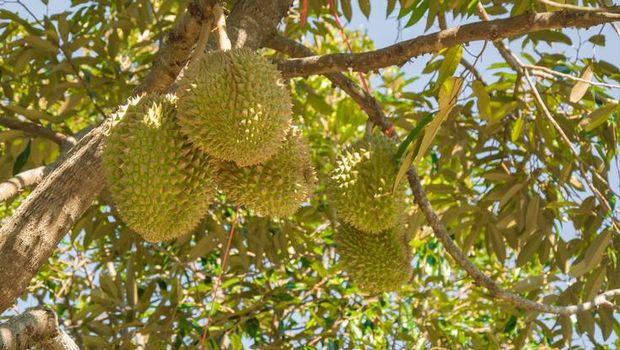
Cheah’s approach is defined by a strict commitment to organic farming—a method that is significantly more labor-intensive than conventional, chemical-heavy agriculture. Organic farming requires a granular understanding of soil biology and plant pathology. Each of the thousands of trees under his care is treated as an individual entity, requiring routine health checks and tailored maintenance schedules.
To manage this complexity, Cheah built a specialized team. He currently employs 12 workers, all of whom underwent a rigorous, year-long training program under his direct supervision. By prioritizing quality over quantity, he has successfully positioned his produce in the ultra-premium market segment.
Supporting Data: Economic Viability and Market Positioning
While critics might view the transition from a lucrative legal salary to farming as a financial risk, the numbers suggest otherwise. In his first harvest, Cheah yielded approximately 118 durians. While this may seem modest in volume, the economic impact was significant.
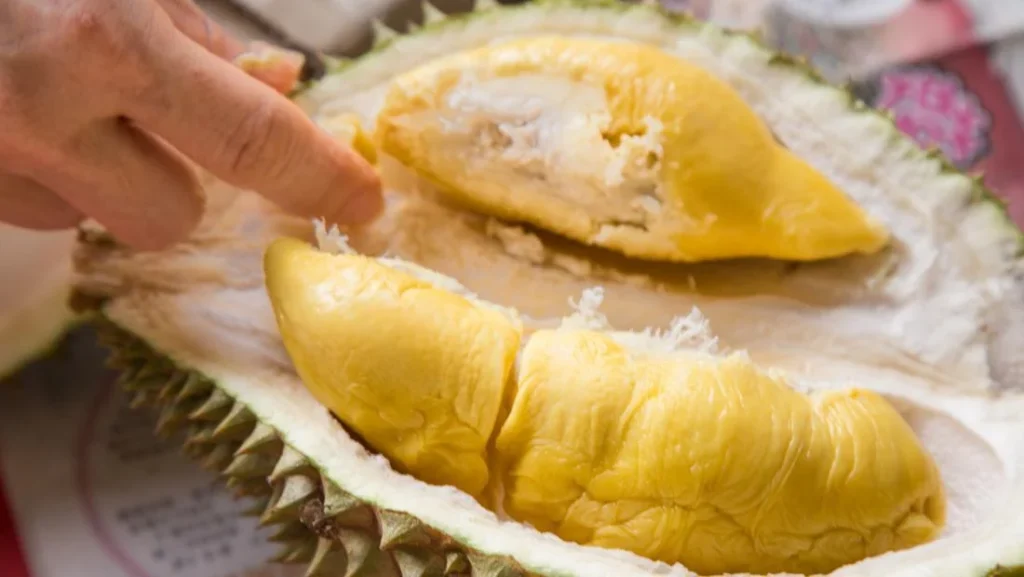
Because of his meticulous organic practices, Cheah’s durians commanded a price point of approximately RM100 (roughly IDR 450,000) per kilogram. This figure is double the average price of premium durians in the Malaysian market.
This data highlights a growing trend in the luxury fruit sector: the rise of "bespoke agriculture." Much like the wine industry, where consumers pay premiums for vintages with specific provenance and sustainable farming practices, the durian market is shifting toward a premium model where transparency and organic certification drive significant value.
Expanding Influence: Beyond the Bentong Border
Cheah’s success as a farmer has evolved into a secondary career as an agricultural consultant. His expertise in organic management has garnered international attention. Currently, he is overseeing the management of roughly 100 hectares of farmland, encompassing approximately 2,800 durian trees.
His reputation has transcended Malaysian borders, attracting interest from orchard owners in Indonesia and Australia. This expansion into consultancy suggests that Cheah’s value to the agricultural sector is not merely as a producer, but as an innovator in farming systems. By digitizing and standardizing his organic processes, he is helping other farmers bridge the gap between traditional techniques and modern, high-value market requirements.
The Implications of the "Career Pivot" Phenomenon
Vin Cheah’s story is not merely a tale of an individual quitting their job; it is symptomatic of a broader societal shift regarding the definition of success.
1. The Pursuit of "Tangible" Results
In the post-pandemic labor market, there has been a marked shift toward roles that produce physical, tangible results. For many, the mental fatigue associated with digital-heavy, abstract corporate work has made the physical nature of agriculture or artisanal crafts increasingly attractive.
2. Intellectualizing Agriculture
Cheah’s background in law has arguably made him a better farmer. He brings a methodical, research-driven approach to an industry that has historically been passed down through traditional, often un-standardized knowledge. This "intellectualization of agriculture" is essential for the industry’s future, particularly as it faces climate change and the need for more sustainable farming methods.
3. Sustainability as a Business Model
The fact that Cheah was able to command double the market price for his organic durians underscores that sustainability is no longer just a buzzword—it is a viable business strategy. Consumers are increasingly willing to pay a premium for products that are verified to be free of synthetic pesticides and chemicals.
Official Perspectives and Future Outlook
While there has been no official statement from his former legal firms, the industry at large often watches such transitions with a mixture of curiosity and skepticism. However, agricultural analysts argue that the entry of highly educated professionals into the agricultural sector is a positive trend.
"We need intellectual capital in the farming sector," says an industry analyst. "When someone with the training of a barrister applies their logic to soil health and crop management, they often disrupt the industry in ways that traditional farmers might not consider. Cheah is not just growing durians; he is refining the supply chain."
As Cheah continues to scale his operations and consultancy, he remains a symbol of the "new farmer"—an entrepreneur who views the orchard as a laboratory for sustainable innovation. His journey from the London School of Economics to the hills of Pahang serves as a reminder that the most prestigious career path is not necessarily the one etched in a degree, but the one that aligns with one’s personal values and the demands of a changing world.
In the final analysis, Vin Cheah has not abandoned his education; he has simply repurposed it. He is no longer advocating for clients in a courtroom; he is advocating for the health of the soil and the quality of the harvest. Whether he is arguing a case or managing a tree, his commitment to excellence remains the constant variable in a life defined by radical change.