Streamlining Citizenship: Indonesia Eliminates Red Tape for Key Administrative Services
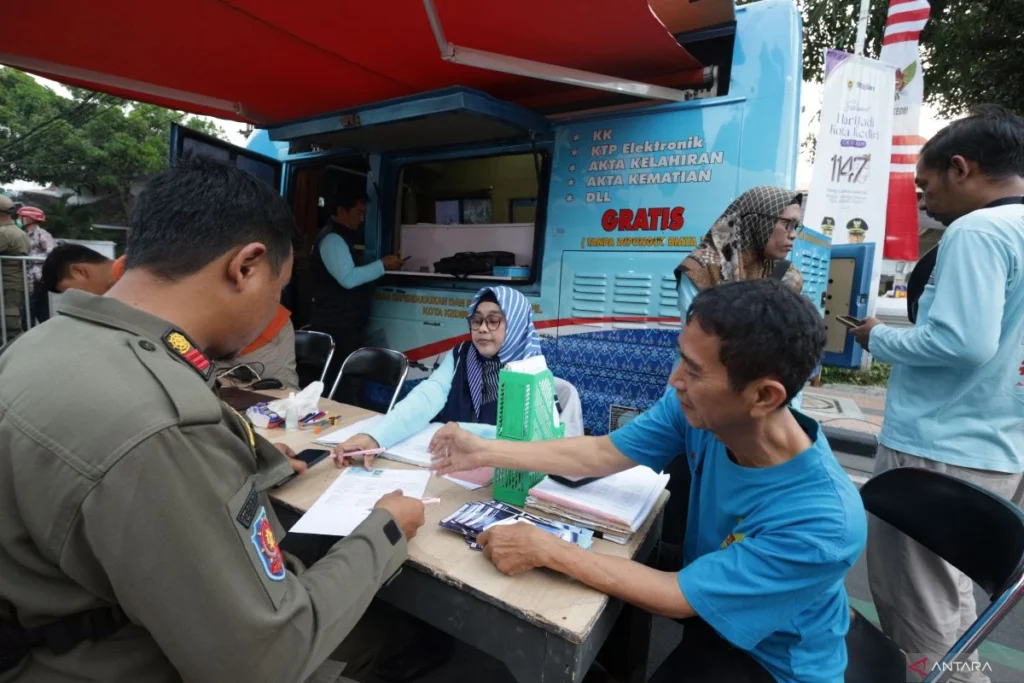
JAKARTA – In a significant move toward bureaucratic reform, the Indonesian government has officially streamlined the nation’s civil registry system. The Ministry of Home Affairs, through the Directorate General of Population and Civil Registration (Dukcapil), has confirmed that citizens no longer require referral letters (surat pengantar) from neighborhood (RT) or community (RW) heads to access a wide array of essential administrative services.
This policy shift, designed to eradicate systemic bottlenecks and modernize public service delivery, aims to transition Indonesia’s population administration into a more digital, efficient, and citizen-centric framework. By removing the traditional layer of local administrative gatekeeping, the government intends to facilitate faster, more transparent access to vital identity documents.
The Core Transformation: Removing Administrative Hurdles
For decades, the "surat pengantar" from local RT/RW leaders was a mandatory prerequisite for almost any interaction with the government. While historically intended to verify residency, critics long argued that this requirement created unnecessary friction, led to inconsistent bureaucratic practices, and occasionally opened the door to petty corruption or arbitrary delays.
The Directorate General of Dukcapil has clarified that as long as a citizen’s data is already integrated into the national population database, the involvement of local neighborhood heads is no longer legally required for standard updates or applications.
Key Services No Longer Requiring RT/RW Referral:
- Electronic National Identity Card (KTP-el): Citizens applying for new cards or updating existing data can now interact directly with the local Disdukcapil office.
- Family Cards (KK): Changes to family structures, such as adding members or updating data elements, are now processed directly by the civil registry.
- Domicile Relocation Certificates: Moving between regions no longer requires a sign-off from the neighborhood level, provided the applicant meets the requirements under Presidential Regulation No. 96/2018 and Minister of Home Affairs Regulation No. 108/2019.
- Birth Certificates: Provided that a birth certificate from a health facility and the family card are presented, the registration of a new birth is streamlined.
- Death Certificates: The formal registration of a death is now a direct administrative process with the Dukcapil office.
- Child Identity Cards (KIA): Similar to the KTP-el, the registration for children is now a simplified, direct process.
Chronology of Reform: From Paper-Based to Digital Integration
The push toward a "paperless" and "referral-free" bureaucracy did not happen overnight. It is the result of years of investment in the National Population Database (Database Kependudukan Nasional).
- 2018–2019: Laying the Foundation. The issuance of Presidential Regulation No. 96/2018 regarding population registration requirements served as the legal bedrock for simplifying administrative processes. This was followed by the Minister of Home Affairs Regulation No. 108/2019, which specifically standardized the requirements for civil registration.
- 2020–2022: Pandemic Acceleration. The COVID-19 pandemic acted as an unintentional catalyst for digitalization. With social distancing mandates, physical visits to RT/RW offices became difficult, forcing local governments to rapidly adopt online registration systems.
- 2023–2026: Consolidation and Enforcement. The current phase focuses on nationwide consistency. While the regulation has been in place for some time, the Ministry of Home Affairs is now actively enforcing these rules to ensure that regional offices (Disdukcapil) comply with the mandate and stop demanding outdated requirements.
Official Stance and The Rationale Behind the Change
The Ministry of Home Affairs maintains that this policy is not about undermining the role of local leaders, but about optimizing their functions.
"The RT and RW heads remain vital pillars of our community, but their role should be focused on social harmony, neighborhood security, and community development—not as administrative bottlenecks for civil documents," a ministry spokesperson noted.
The government emphasizes that the shift is part of the "Digital Governance" initiative. By centralizing data in a secure, unified cloud-based system, the government can verify an individual’s identity through biometric data and digital records, rendering the manual verification of a neighborhood head redundant.
Furthermore, the government is encouraging regional administrations to adopt their own digital infrastructure. A prime example is the DKI Jakarta provincial government, which has implemented the Alpukat Betawi application. This digital platform allows residents to track, apply for, and receive documents entirely through their smartphones, significantly reducing the need for face-to-face contact.
When is a Referral Letter Still Necessary?
Despite the broad deregulation, the government acknowledges that the RT/RW referral system has not been entirely abolished. It remains a necessary tool in specific "edge-case" scenarios where the integrity of the national database must be protected.
A referral letter is still required if:
- Initial Registration: An individual is completely absent from the national database (i.e., they have no existing NIK or are not recorded in a Family Card).
- Identity Verification: There is a dispute regarding the accuracy of a person’s residency status, or the local authorities require additional verification to ensure the integrity of the data before it is added to the system.
- Special Circumstances: In cases where there is a lack of supporting documentation, the neighborhood head serves as a primary witness to certify the resident’s existence and history.
Implications for Public Service and Society
1. Enhanced Efficiency for the Citizenry
The most immediate impact is the reduction in time and effort. Citizens no longer have to worry about the availability or the "office hours" of their neighborhood heads. The process is now centralized at the Disdukcapil level, which operates with standardized professional hours and clear Service Level Agreements (SLAs).
2. Reduction in "Shadow Costs"
By removing the intermediary, the potential for unauthorized fees (pungli) is significantly diminished. When a service is provided directly by the state, the cost is transparent and usually non-existent for standard administrative updates, promoting greater public trust in government institutions.
3. Challenges in Regional Implementation
While the central government is clear on the policy, the challenge remains at the local level. Some regional offices may still be accustomed to old habits, or they may lack the digital infrastructure to process applications without physical verification. The Ministry of Home Affairs is currently conducting workshops and oversight programs to ensure that every district across Indonesia aligns its practice with the new, simplified guidelines.
4. Data Security and Reliability
Critics have raised concerns about the risks of eliminating the "local check." Without the RT/RW acting as a gatekeeper, how does the government ensure that false data isn’t entered? The answer lies in the government’s robust biometric integration. With fingerprints and facial recognition linked to the NIK, the system is now far more secure than the subjective opinion of a neighborhood head.
Future Outlook: A Fully Integrated Digital Identity
Looking ahead, the Ministry of Home Affairs plans to expand the scope of the digital ID (IKD) to replace physical documents entirely. The ultimate goal is a system where the citizen is identified by their digital presence, and administrative services are automated through AI-driven verification.
The elimination of the RT/RW referral requirement is a milestone in this journey. It marks the transition from a system based on "community testimony" to a system based on "data verification." As Indonesia continues its path toward becoming a more digitally integrated society, the bureaucracy is expected to become less of a burden and more of an invisible, supportive framework for the public.
For citizens who encounter difficulties or are still asked for referral letters by local offices despite these regulations, the Ministry encourages them to report the matter directly to the national Dukcapil portal or through the Lapor.go.id platform. This feedback loop is essential for the government to maintain the integrity of its reform agenda and to ensure that the ease of doing business at the administrative level is felt in every corner of the archipelago.
Conclusion
The removal of the RT/RW referral letter requirement is a bold step in modernizing Indonesia’s public administration. By prioritizing digital integrity over manual paperwork, the government is not only simplifying the lives of its citizens but also building a more resilient, transparent, and accountable administrative structure. As the country moves forward, the success of this policy will depend on the continued adoption of digital tools and the rigorous enforcement of these standards by regional offices across the nation.