Echoes of Empire and Antiquity: Exploring the Historical Tapestry of Mumbai
By Fahri Zulfikar | September 18, 2026
India is not merely a country; it is a living, breathing museum where the echoes of ancient civilizations harmonize with the structural remnants of colonial ambition. As the sixth nation globally in terms of the number of UNESCO World Heritage sites, India offers a profound look into the human narrative. Nowhere is this juxtaposition more palpable than in the bustling, coastal metropolis of Mumbai, a city where time seems to fold upon itself.
The Dual Heritage of Mumbai
Mumbai, often referred to as the "Gateway to India," serves as a microcosm of the nation’s historical trajectory. Visitors walking through the city streets are greeted by a visual dialogue between the sublime rock-cut architecture of the first millennium and the imposing, Victorian-Gothic edifices constructed during the British Raj.
The city’s allure lies in its ability to preserve these disparate legacies. While the modern skyline continues to reach toward the future, the foundation of the city rests upon thousands of years of cultural evolution. From the spiritual solitude of island caves to the grand administrative halls of the colonial era, Mumbai provides an unparalleled educational lens through which to view history.
Chronology of Influence: From Ancient Caves to Colonial Towers
To understand the architectural and cultural landscape of Mumbai, one must trace the timeline of its development.
The Antiquity: Elephanta Caves (5th–6th Century AD)
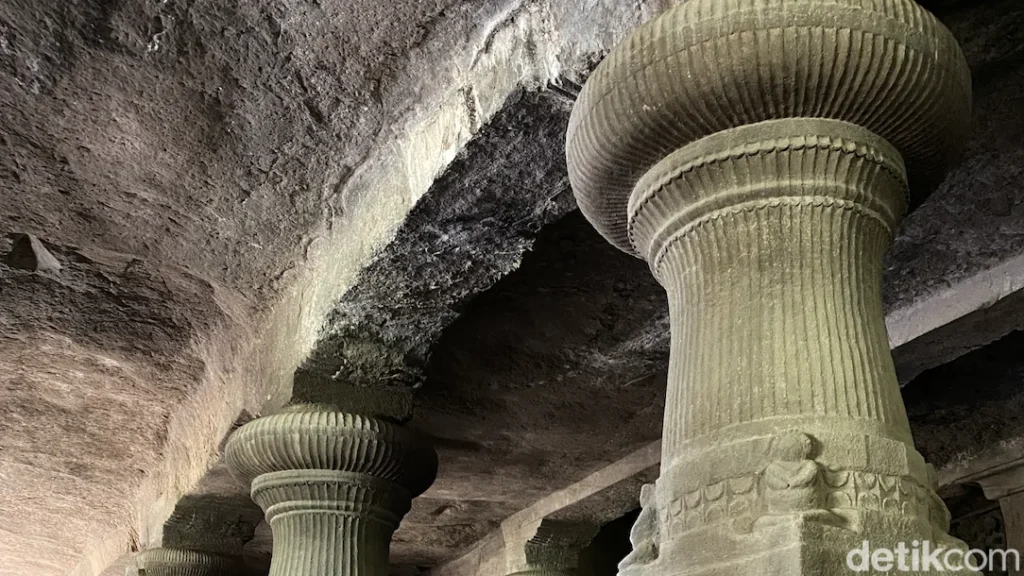
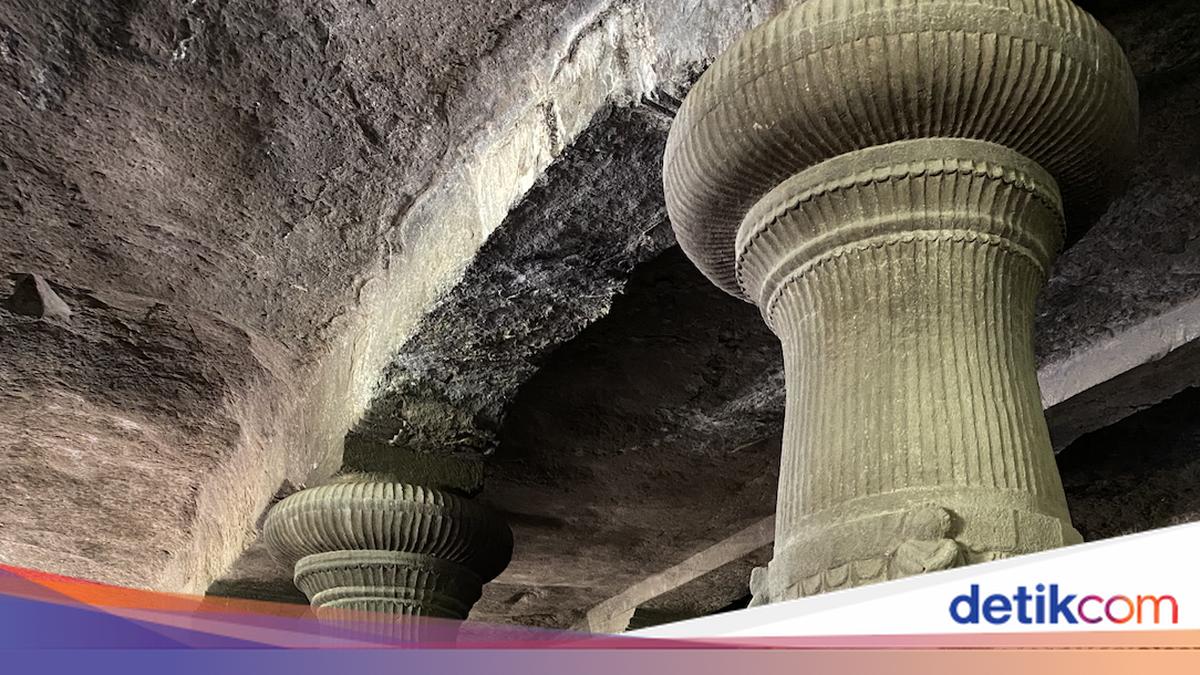
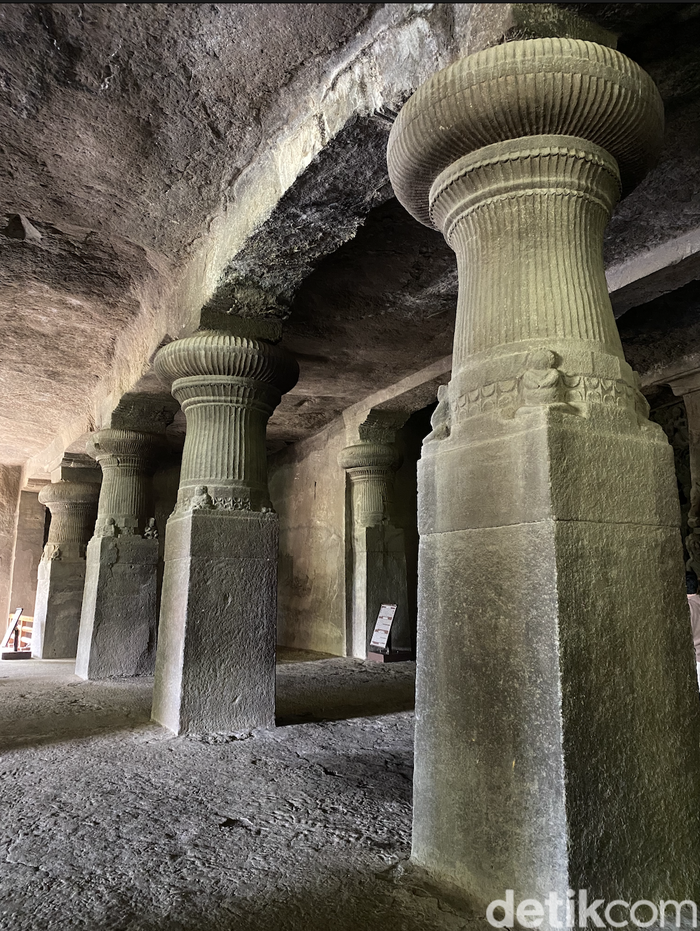
Located on an island in the Mumbai Harbour, the Elephanta Caves stand as a testament to the religious fervor and artistic mastery of early medieval India. These rock-cut structures, dedicated primarily to the Hindu god Shiva, date back to the 5th and 6th centuries.
The intricate carvings found within these basalt chambers demonstrate a sophisticated understanding of sculpture and structural engineering that predates modern machinery by over a millennium. As a UNESCO World Heritage site, the caves are not just relics; they are an essential educational resource for understanding the aesthetic and theological foundations of the Indian subcontinent.
The Colonial Surge: The Gateway of India (1911)
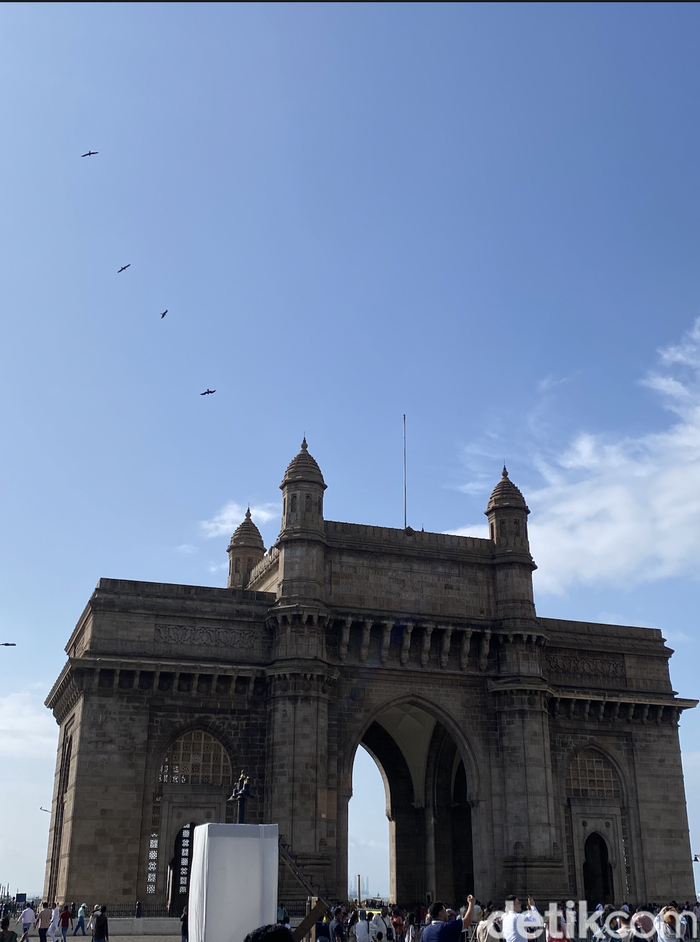
Fast-forwarding to the early 20th century, the architectural narrative shifts from the spiritual to the political. The "Gateway of India," a monumental arch overlooking the Arabian Sea, remains the most iconic symbol of British influence in the city.
The structure was commissioned to commemorate the historic landing of King George V and Queen Mary at Apollo Bunder during their 1911 visit to India. The Gateway represents the zenith of the British Raj’s presence in the region, standing as a symbolic portal through which the imperial power exerted its authority. Today, it serves as a gathering point for citizens and tourists alike, a site that has transitioned from a symbol of colonial rule to a central hub of public life.
Architectural Preservation: The Gothic Revival (1903–Present)
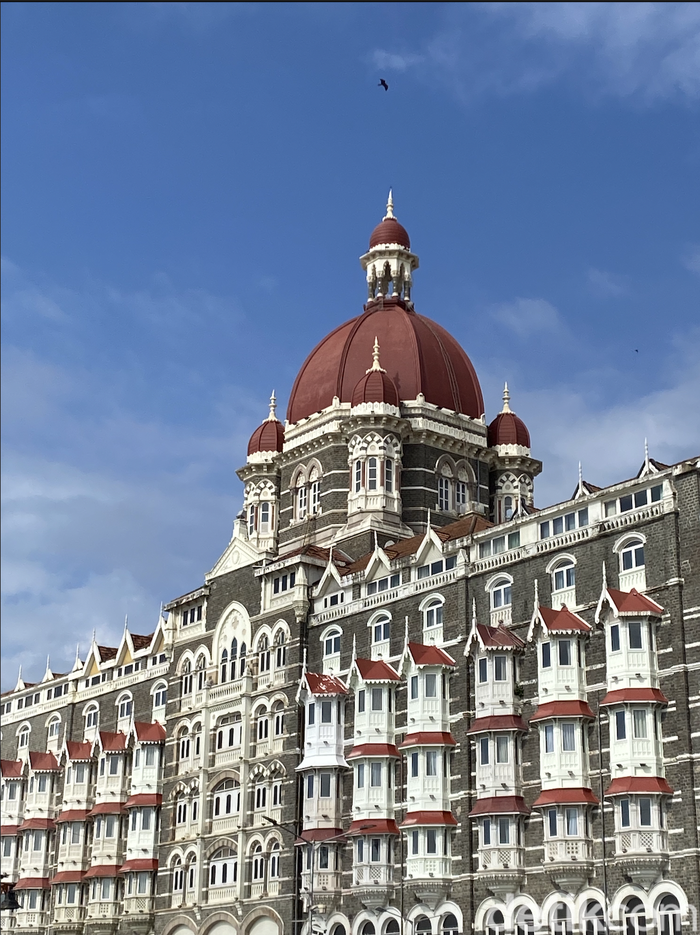
Surrounding the Gateway of India is an urban landscape defined by the "Gothic Revival" architectural style. Buildings such as the iconic hotel complexes established in the early 1900s reflect the European influence that sought to impose Western aesthetic values on the tropical landscape of Mumbai. This blend of European design with local materials and craftsmanship created a unique "Indo-Saracenic" hybrid style that defines much of South Mumbai’s heritage district.
Supporting Data: India’s Cultural Wealth
India’s status as a global leader in historical preservation is backed by significant data. With dozens of UNESCO World Heritage sites, the country continuously invests in the maintenance of archaeological zones, museums, and colonial-era architecture.
The preservation of sites like the Chhatrapati Shivaji Maharaj Vastu Sangrahalaya (CSMVS) is indicative of a broader national strategy. Built to honor the visit of the Prince of Wales, the museum stands as a beacon of cultural education. It houses thousands of artifacts ranging from natural history specimens to miniature paintings, acting as a repository for the nation’s collective memory.
The Intersection of Art and Spirituality
A striking feature of modern Mumbai is the intentional integration of contemporary art with historic settings. For instance, the placement of the "Sleeping Buddha" sculpture by artist Satish Gupta in front of the historic CSMVS museum highlights the evolving nature of public space.
This juxtaposition invites observers to reflect on the continuity of Indian spirituality. It suggests that history is not a static object held behind glass, but a living tradition that informs modern artistic expression. The museum does more than store items; it serves as a bridge between the ancient philosophy of the Buddha and the modern artistic discourse of the 21st century.
Official Perspectives on Heritage Management
Cultural historians and urban planners in Mumbai often emphasize that the preservation of the city’s heritage is a balancing act. With a rapidly expanding population and the pressures of urbanization, protecting 19th-century colonial structures and 6th-century cave systems requires rigorous policy intervention.
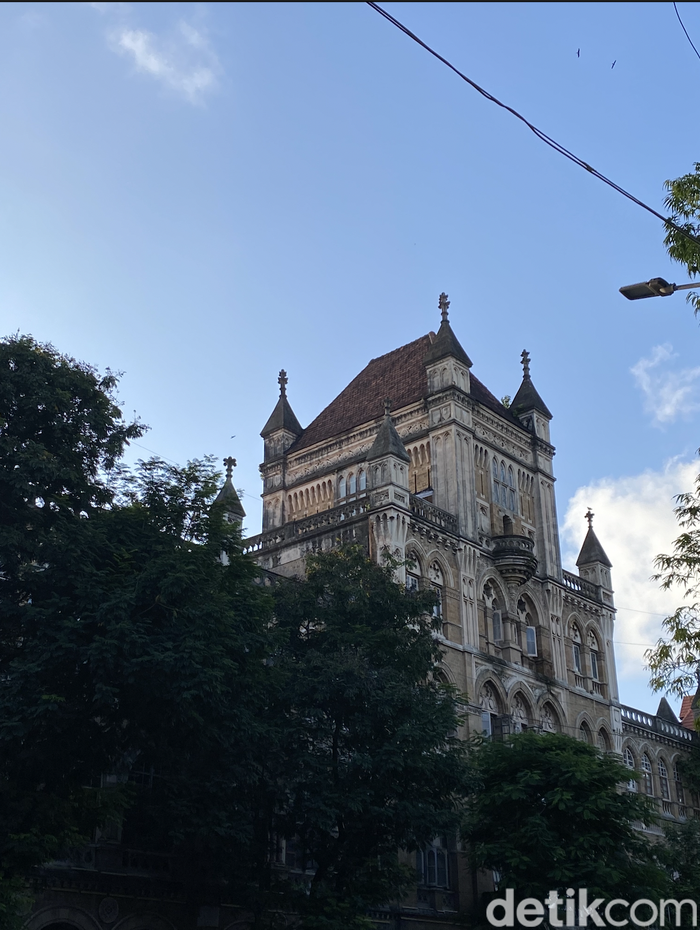
According to local heritage conservationists, the preservation of buildings like those found along the stretch to the CSMVS is crucial for maintaining the city’s identity. These structures are not merely "old buildings"; they are the physical records of an era that shaped the modern Indian state’s administrative, legal, and urban frameworks. Maintaining them allows current generations to engage directly with the complexities of the past.
Implications: The Future of Cultural Tourism
The implications of Mumbai’s historical diversity are profound for the tourism and education sectors. As India continues to rise as a global cultural destination, the city serves as a primary entry point for international travelers seeking to understand the synthesis of East and West.
1. Educational Impact
For students and researchers, the city provides a "living lab." The ability to visit an ancient cave temple in the morning and a colonial-era museum in the afternoon provides a comprehensive overview of how power, religion, and art have interacted over centuries.
2. Urban Planning and Identity
The preservation of heritage sites forces modern city planners to respect the historical layers of the city. This creates a more nuanced urban environment where progress does not necessitate the destruction of the past.
3. Economic Contribution
Heritage sites are significant drivers of the local economy. The maintenance of landmarks like the Gateway of India and the CSMVS provides employment for thousands, from site conservators and museum curators to the local service and tourism sectors.
Conclusion: A City in Dialogue
Mumbai is a city that refuses to be defined by a single epoch. It is a place where the stone carvings of ancient sages sit in silent contemplation of the bustling harbor, and where the grand arches of a former empire now welcome the diverse, democratic citizens of a modern nation.
As we look toward the future, the challenge remains to ensure that these sites are not lost to the tides of modernization. Through careful stewardship and a continued appreciation for the complex narrative of the past, Mumbai will remain an essential destination for those seeking to understand the intricate and enduring story of India.
Whether one is exploring the cool, dark interiors of the Elephanta Caves or wandering through the sun-drenched, neo-Gothic courtyards of the city’s museums, the lesson is clear: history is a continuous thread. By visiting these sites, we are not just observing the past; we are acknowledging the layers of human experience that have made Mumbai the vibrant, historical heart of India that it is today.