Chasing Glory: Indonesian Badminton Team Shifts Training to Tokyo in Quest for Asian Games 2026 Gold
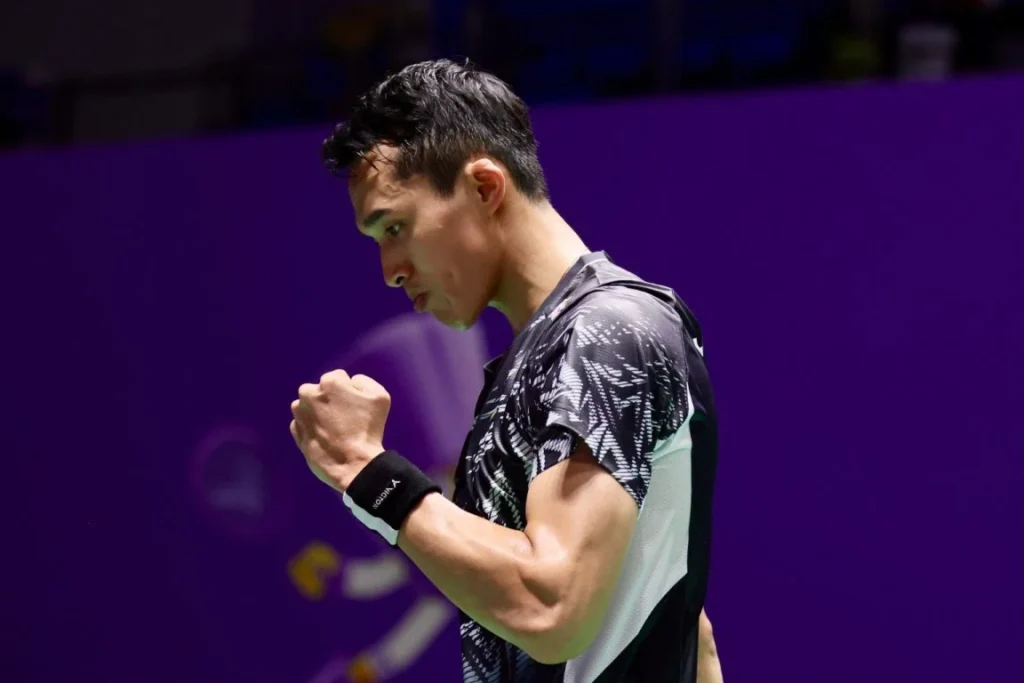
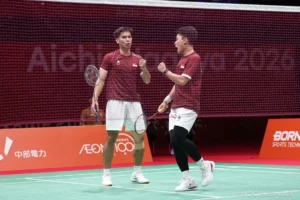
TOKYO – The road to the podium at the 2026 Asian Games has officially begun for the Indonesian national badminton team. With the weight of national expectations resting on their shoulders, the contingent, led by stars such as Jonatan Christie, has touched down in Tokyo, Japan, to commence an intensive training camp (TC) designed to sharpen their skills and acclimatize to the local conditions ahead of the prestigious multi-sport event.
The mission is clear and singular: bring home at least one gold medal for Indonesia. As the team settles into the Japanese capital, the atmosphere is one of focused determination, blending the pressures of elite international competition with the camaraderie necessary to thrive in a high-stakes environment.
The Strategic Objective: Kemenpora’s Mandate
The target set by the Indonesian Ministry of Youth and Sports (Kemenpora) is not merely a suggestion; it is a directive that reflects the nation’s historical dominance in the sport. Badminton remains the primary pillar of Indonesia’s medal hopes in major international tournaments, and the Asian Games 2026 represents a critical milestone in the quadrennial calendar.
PBSI (Persatuan Bulu Tangkis Seluruh Indonesia) has responded swiftly to this mandate. By shifting the final phase of preparations to Japan, the federation aims to eliminate variables related to climate, court conditions, and jet lag. The decision to base the team in Tokyo for an initial four-day training block serves as a tactical bridge before the squad moves to Nagoya, the primary hub for the badminton competition.
Chronology of Arrival and Preparation
The journey for the 20-member squad began in Jakarta, where final tactical drills were completed at the national training center in Cipayung. On Sunday, September 13, 2026, the team touched down in Tokyo, marking the official start of their overseas campaign.
The Four-Day Tokyo Intensive
The training camp in Tokyo is designed to be high-intensity but surgically precise. According to the team management, the schedule for the first four days involves:
- Acclimatization: Adjusting to the specific humidity and lighting conditions of the Japanese indoor arenas, which are known for their distinct drift and speed compared to Southeast Asian venues.
- Tactical Refinement: Tailoring game plans against potential rivals from China, Japan, South Korea, and Malaysia.
- Mental Conditioning: Simulating the high-pressure environment of the Asian Games to ensure that players like Jonatan Christie, who carry the burden of being veteran leaders, are mentally prepared for the knockout stages.
- Transition to Nagoya: Following the Tokyo camp, the team will relocate to Nagoya, where the final preparations will take place in proximity to the event venue.
Leadership Perspectives: Eng Hian’s Strategy
Eng Hian, the Head of Development and Achievement (Kabid Binpres) at PBSI and the designated Manager for the Asian Games team, has been vocal about the importance of unity. In a statement issued on Monday, September 14, 2026, he emphasized that while the goal is individual or pair-based gold, the success of the mission relies on the collective strength of the squad.
"The target set by the government via Kemenpora is one gold medal. We recognize that this is a significant challenge, especially given the depth of talent in the Asian badminton circuit today," Eng Hian noted. "However, we believe that through rigorous preparation and the undeniable synergy within our team, we have the capability to deliver on that promise."
He further underscored that the four-day Tokyo window is not just about physical training. "It is about creating a space where the athletes can find their rhythm. We need them to feel at home in these conditions so that when the tournament begins in Nagoya, their focus remains entirely on the shuttlecock and the court, not on external distractions."
The 20-Member Contingent: A Balanced Force
The team composition for the 2026 Asian Games has been carefully curated, blending veteran experience with the explosive potential of rising stars. With 20 players selected to represent the Merah-Putih, the squad covers the full spectrum of disciplines: Men’s Singles, Women’s Singles, Men’s Doubles, Women’s Doubles, and Mixed Doubles.

The presence of Jonatan Christie, a proven winner on the international circuit, provides a steady hand for the younger players. His ability to handle the pressure of big matches will be invaluable as the team faces off against the top-seeded nations of the world. The roster represents a deliberate move by PBSI to ensure that no single discipline is left vulnerable, allowing for a multifaceted approach to securing the gold medal target.
Implications of the Asian Games 2026
The Asian Games is often referred to as the "Mini-Olympics," and for the sport of badminton, it is arguably even more competitive than the Olympic Games due to the concentration of global powerhouses within the continent.
National Pride and Sports Diplomacy
Success in Nagoya will do more than just add a medal to Indonesia’s tally; it will solidify the country’s status as a global badminton superpower. Following the recent trends in the sport, where parity has increased significantly, securing a gold medal is a testament to the sustainability of the national training program.
The "Gold" Pressure
The pressure to win is a double-edged sword. While it provides the resources and attention required for elite performance, it also creates an environment where failure can be heavily scrutinized by the public. Eng Hian’s emphasis on "kebersamaan" (togetherness) is a strategic attempt to deflect individual pressure from players, turning the mission into a shared responsibility rather than an individual burden.
Supporting Data and Historical Context
Historically, Indonesia has been a consistent force in Asian Games badminton. Since the sport’s inclusion in the Games, the Indonesian contingent has rarely returned empty-handed. However, the rise of Japan as a powerhouse in the last decade—coupled with the perennial strength of the Chinese team—has made the path to gold significantly more difficult.
The choice of Tokyo for training is a nod to the fact that Japanese badminton facilities are among the best in the world. By training in the heart of their rival’s home territory, the Indonesian team is signaling a "no-fear" attitude, aiming to dismantle the home-court advantage that the Japanese team might otherwise enjoy.
Looking Ahead: The Road to Nagoya
As the team wraps up their initial training sessions, the focus will soon shift entirely to the logistics of moving the base to Nagoya. The transition will be monitored closely by the team’s medical and nutritional staff to ensure that the athletes remain at peak performance levels.
For the fans back in Indonesia, the next few weeks will be filled with anticipation. The digital channels of PBSI and local media outlets are expected to provide constant updates on the progress of the athletes. With the support of the nation and the strategic foresight of the coaching staff, the Indonesian badminton team remains a formidable contender.
The mandate is clear, the team is ready, and the stage is set. Whether it is a masterful performance from the singles players or a display of tactical brilliance in the doubles categories, Indonesia’s pursuit of gold in 2026 is officially underway. The world will be watching as the shuttlecock flies in Nagoya, and the Indonesian team is prepared to make every rally count.
Key Takeaways for Stakeholders
- Target: 1 Gold Medal (mandated by Kemenpora).
- Location: Initial training in Tokyo, followed by competition in Nagoya.
- Strategy: Emphasis on team cohesion, mental fortitude, and climate acclimatization.
- Leadership: Eng Hian (Kabid Binpres PBSI) is leading the management of the 20-athlete squad.
- Next Steps: Final preparations in Nagoya before the official start of the badminton tournament.
As the athletes continue their final preparations, the nation waits with bated breath, hopeful that the hard work in Tokyo will translate into a golden celebration on the podium in 2026.