BPH Migas Ensures Uninterrupted Subsidized Fuel Distribution for ASDP Ketapang to Secure Vital Maritime Logistics
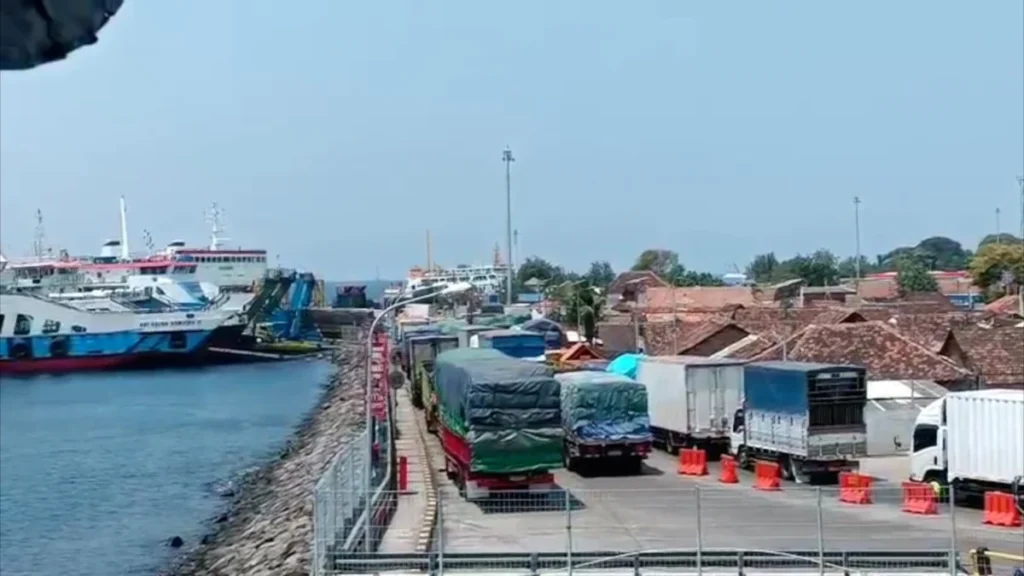
BANYUWANGI — The downstream oil and gas regulatory body of Indonesia, Badan Pengatur Hilir Minyak dan Gas Bumi (BPH Migas), has officially confirmed that the distribution of subsidized fuel to PT ASDP Indonesia Ferry (Persero) Ketapang Branch is running smoothly and without disruption. This assurance serves as a critical strategic measure to maintain the operational continuity of one of the nation’s busiest maritime choke points, connecting the islands of Java and Bali.
The announcement comes at a time when national energy security, inter-island connectivity, and the optimization of targeted state subsidies remain top priorities for the Indonesian government. By safeguarding fuel supplies for the ferry fleet operating across the Bali Strait, authorities aim to prevent any bottlenecks in logistics, public transportation, and commercial freight distribution.
Main Facts
The latest monitoring data released by PT Pertamina Patra Niaga, the commercial and trading arm of state-owned energy giant Pertamina, outlines the specific volume and allocation dynamics for the ASDP Ketapang Branch:
- Monthly Subsidized Fuel Requirement: The operational vessels managed by ASDP Ketapang consume approximately 26 kiloliters (KL) of subsidized fuel per month.
- Guaranteed Allocation: BPH Migas has verified that this 26-KL monthly quota is fully secured, continuously monitored, and systematically distributed through designated supply chains.
- Strategic Significance: The Ketapang port (located in Banyuwangi, East Java) paired with Gilimanuk port (located in Jembrana, Bali) handles millions of passengers, private vehicles, logistics trucks, and buses annually, making uninterrupted fuel supply a cornerstone of regional economic stability.
- Regulatory Oversight: BPH Migas continues to deploy field verification teams and utilize digital monitoring infrastructure to ensure that subsidized products—namely Solar (biosolar) and other regulated fuels—reach designated public service obligations (PSO) without leakage or misallocation.
Chronology of Events and Monitoring Operations
The seamless distribution of subsidized fuel to ASDP Ketapang is not a coincidence, but rather the result of a rigorous, multi-layered scheduling and oversight chronology implemented throughout the fiscal year.
Phase 1: Pre-Audit and Quota Allocation (Early Fiscal Year)
At the onset of the year, BPH Migas, in coordination with the Ministry of Energy and Mineral Resources (ESDM) and Pertamina Patra Niaga, conducted a comprehensive audit of historical fuel consumption patterns across all national strategic ferry routes. During this phase, the specific energy demands of the ASDP Ketapang-Gilimanuk crossing were evaluated, factoring in seasonal traffic spikes, fleet maintenance schedules, and projected passenger growth. The baseline requirement was officially established at 26 kiloliters per month, integrated directly into Pertamina’s regional distribution master plan.
Phase 2: Mid-Year Logistics Synchronization and Verification
As regional logistics expanded, BPH Migas launched targeted field inspections across East Java’s downstream energy infrastructure. Commissioners and regulatory officials visited fuel terminals, bunkering stations, and port facilities in Banyuwangi. During these inspections, authorities cross-referenced digital delivery receipts from Pertamina Patra Niaga with the actual fuel logbooks maintained by ASDP vessel captains. The synchronization confirmed that supply queues were well-managed and that fuel tankers met delivery timelines consistently.
Phase 3: Current Operational Status and Real-Time Reporting
In the current monitoring cycle, BPH Migas reaffirmed that distribution channels remain robust. Utilizing integrated digital dashboards—such as the Digitalisasi Nozzle and the Subsidi Tepat ecosystem—regulators can track fuel movement from the fuel terminal to the point of consumption in real-time. This digital infrastructure has eliminated historical reporting lags, allowing swift intervention should any logistical friction threaten the supply chain.
Supporting Data and Economic Context
To fully understand the gravity of BPH Migas’s recent confirmation, one must examine the broader economic and logistical metrics surrounding the Ketapang-Gilimanuk maritime corridor.
The Lifeline of the Bali Strait
The Bali Strait is one of the most critical maritime corridors in the Indonesian archipelago. It functions as the primary economic umbilical cord linking Java—the nation’s industrial and demographic heartland—with Bali, its premier tourism and regional trade hub.
- Freight and Logistics Volume: A significant percentage of consumer goods, agricultural produce, construction materials, and heavy manufacturing supplies destined for Bali are transported via trucks that rely on ASDP ferries.
- Fuel Efficiency and Operational Continuity: Ferries operating on this route require a stable, high-grade fuel supply to maintain strict sailing schedules, often operating 24 hours a day, 365 days a year. Any shortage in fuel forces vessel operators to curtail sailings, triggering immediate backlogs of freight trucks at the port approach roads.
- Subsidized Energy Targeting: Subsidized fuel (specifically Bio-diesel blended fuels like B35/B40) allocated to public transport and state-owned ferry operators is designed to keep logistical inflation in check. By ensuring that ASDP Ketapang receives its exact 26-KL monthly allocation, the government directly subsidizes the cost of cross-strait logistics, keeping consumer prices stable for goods moving between the two islands.
Comparative Distribution Metrics
| Parameter | Details |
|---|---|
| Location | ASDP Indonesia Ferry Cabang Ketapang, Banyuwangi, East Java |
| Fuel Product | Subsidized Marine/Automotive Diesel (Public Service Obligation) |
| Average Volume | ~26 Kiloliters per month |
| Supplier | PT Pertamina Patra Niaga (Regional East Java, Bali, and Nusa Tenggara) |
| Supervising Agency | BPH Migas (Badan Pengatur Hilir Minyak dan Gas Bumi) |
Official Responses and Regulatory Perspectives
Key stakeholders have emphasized the importance of cross-sector collaboration in maintaining energy resilience for national public transportation networks.
BPH Migas Commitment to Fair Distribution
In official statements addressing regional energy distribution, leadership from BPH Migas reiterated that the agency remains steadfast in its mandate to ensure equitable energy access across all 34 provinces.
"The distribution of subsidized fuel to public service sectors, particularly strategic state-owned enterprises like ASDP Indonesia Ferry, is non-negotiable. Our duty at BPH Migas is to ensure that the state budget allocated for energy subsidies reaches the rightful recipients accurately, efficiently, and without disruption. The 26 kiloliters allocated monthly to ASDP Ketapang is fully accounted for, and our monitoring systems indicate zero deficit in supply," a BPH Migas spokesperson noted.
The regulatory body further highlighted that monitoring public service obligations involves balancing fiscal prudence with public welfare. While BPH Migas cracks down heavily on illicit industrial consumption of subsidized fuel, it simultaneously streamlines bureaucratic channels for verified public transport providers to prevent operational paralysis.
Pertamina Patra Niaga’s Operational Readiness
PT Pertamina Patra Niaga, acting as the operational executor of the energy supply chain, underscored its readiness to sustain the fuel quotas for maritime transportation. Through its regional depots in East Java, Pertamina maintains buffer stocks specifically reserved for public infrastructure needs.
"Our synergy with BPH Migas and ASDP ensures that fuel delivery schedules are synchronized with maritime timetables. We utilize dedicated transport fleets and strict quality control measures to guarantee that the fuel delivered to Ketapang meets all technical specifications required by ferry engines, while strictly adhering to the mandated monthly volume limits," a Pertamina Patra Niaga representative stated.
Management at ASDP Indonesia Ferry Cabang Ketapang also welcomed the regulatory assurance, noting that predictable fuel logistics allow them to optimize fleet rotation, enhance passenger safety, and maintain punctuality even during peak holiday seasons.
Implications for the Regional Economy and Future Outlook
The smooth distribution of subsidized fuel to ASDP Ketapang carries profound implications that extend far beyond the immediate confines of the port terminals.
1. Stabilization of Logistics and Supply Chains
For freight forwarders and logistics companies, predictable ferry operations translate directly into predictable supply chains. Knowing that fuel shortages will not disrupt vessel departures reduces demurrage costs, prevents cargo spoilage for perishable agricultural goods, and ensures that commerce between Java and Bali flows uninterrupted. This stability helps curb inflationary pressures on daily necessities in Bali, which heavily depends on goods imported from Java.
2. Strengthening Public Trust in Subsidy Governance
Energy subsidies represent a massive fiscal burden on the state budget (Anggaran Pendapatan dan Belanja Negara – APBN). Historically, public discourse often centers around leakage, misdirection, and scarcity. By publicly verifying that critical state assets like ASDP ferries are receiving their exact, transparently monitored allocations (such as the 26 KL for Ketapang), the government reinforces public confidence in the efficacy of targeted subsidy reforms.
3. Environmental and Efficiency Goals
As Indonesia transitions toward greener energy frameworks, the integration of biodiesel blends into the maritime sector remains a priority. Ensuring steady distribution allows operators to plan fuel transitions smoothly. Furthermore, efficient logistics mean less idling time for vessels at ports, indirectly reducing maritime emissions in the sensitive marine ecosystem of the Bali Strait.
Conclusion
The confirmation by BPH Migas regarding the unhindered flow of subsidized fuel to ASDP Ketapang underscores the efficacy of modern energy governance in Indonesia. Through rigorous oversight, real-time digital tracking, and seamless institutional cooperation between BPH Migas, Pertamina Patra Niaga, and ASDP, the vital maritime bridge between Java and Bali remains secure, resilient, and fully powered to support the nation’s ongoing economic development.