Beyond the Shower: The Architectural, Safety, and Ecological Reasons Why You Won’t Find a Gayung in Hotel Bathrooms
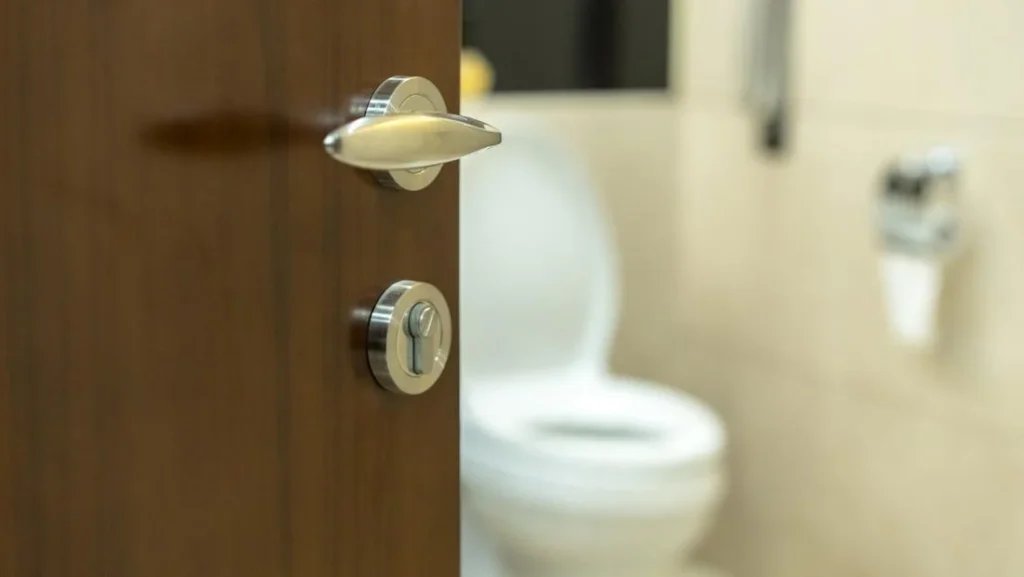
JAKARTA — For millions of travelers across Southeast Asia and beyond, checking into a hotel room brings a familiar sequence of rituals: dropping the luggage, testing the firmness of the mattress, and stepping into the bathroom to freshen up after a long journey. Yet, for travelers accustomed to traditional households in tropical regions, a quick glance around the modern hotel water closet often reveals a glaring omission: the ubiquitous gayung (traditional plastic water dipper) and its accompanying large basin or bathtub reservoir.
While locals and tourists alike might occasionally find themselves searching for this quintessential bathroom tool, its absence is far from an oversight by housekeeping or management. Rather, the deliberate exclusion of the gayung is a carefully calculated decision rooted in architectural design, international hospitality safety standards, microbial hygiene control, and global ecological sustainability mandates.
As the hospitality industry evolves to meet international benchmarks of luxury, safety, and environmental consciousness, the traditional dipper has been permanently phased out in favor of modern plumbing fixtures like high-pressure shower enclosures, overhead rainforest showers, and ergonomic bidet sprayers that draw water directly from pressurized pipeline systems.
Understanding why the gayung has vanished from hotel properties requires a deep dive into the multifaceted engineering, psychology, and management policies that govern modern hotel design.
Main Facts: The Anatomy of the Modern Hotel Bathroom
To understand why the gayung is absent, one must first examine what replaces it. Modern hotel bathrooms are meticulously engineered spaces designed to maximize guest comfort while minimizing structural wear and tear.
As a rule, hotels substitute the open-bucket-and-dipper system with a closed-loop plumbing architecture. This primarily includes:
- The Shower Enclosure (Shower Box): Framed in tempered glass and sealed tightly to contain water.
- Overhead and Handheld Showers: Fitted with internal flow restrictors to regulate water pressure and volume.
- Bidet Sprayers (Washlets): Mounted next to the toilet seat, connected directly to concealed pressurized water lines.
According to hospitality experts, the ketiadaan (absence) of the gayung is not merely a stylistic choice aimed at mimicking Western or minimalist aesthetics. Instead, it is a functional necessity. The open-air splashing characteristic of using a gayung creates a chaotic micro-environment within the bathroom—one that directly conflicts with the rigorous operational standards required to maintain a commercial accommodation property hosting hundreds of rotating guests every month.
Chronology and Evolution: From Traditional Dippers to Integrated Plumbing
The disappearance of the gayung did not happen overnight; it is the result of a decades-long evolution in architectural planning, global tourism development, and risk management policies within the hospitality sector.
Phase 1: The Traditional Era (Pre-1990s)
In early regional hospitality and domestic settings, water storage was a primary challenge. Properties relied on large earthen jars (tempayan) or plastic buckets filled manually or via low-pressure ground pumps. The gayung was an indispensable tool for transferring water from the storage reservoir for bathing and sanitation. At the time, bathrooms featured wet-room layouts where drainage was managed by a single floor trap in the center of the room.
Phase 2: The Rise of International Standards (1990s–2000s)
With the rapid globalization of tourism and the influx of international hotel chains into Southeast Asia, local building codes began intersecting with global hospitality frameworks. Architects realized that traditional wet rooms were prone to rapid material degradation. Grout lines deteriorated faster, wooden bathroom vanities rotted due to constant ambient moisture, and slip-and-fall incidents threatened hotel insurance policies.
Phase 3: The Sustainable, Smart Hotel Era (2010s–Present)
Today, hotel design is heavily influenced by green building certifications and strict international safety audits. The transition to fully closed plumbing systems, smart water meters, and rigorous housekeeping protocols has rendered the open water basin and gayung entirely obsolete. Modern hospitality management views the open bucket not as a tool of convenience, but as a liability across multiple operational vectors.
Supporting Data: The 4 Core Pillars Behind the Ban
Industry literature, architectural manuals, and international health guidelines outline four primary reasons why hotels enforce a strict "no-gayung" policy.
+-----------------------------------------------------------------+
|          THE 4 PILLARS OF HOTEL BATHROOM DESIGN                 |
+--------------------------+--------------------------------------+
| 1. Wet & Dry Zoning      | Protecting furniture and structures  |
| 2. Risk Management       | Mitigating slip-and-fall liabilities |
| 3. Microbial Control     | Preventing stagnant water breeding   |
| 4. Water Conservation    | Meeting green-building metrics       |
+--------------------------+--------------------------------------+
1. The Strict Separation of Wet and Dry Zones
In their foundational architectural text, Hotel Design, Planning and Development, authors Richard H. Penner, Lawrence Adams, and Walter Rutes emphasize the importance of spatial zoning in modern hospitality architecture.
Modern layouts mandate a strict division between wet zones (the shower enclosure and bathtub) and dry zones (the toilet, vanity area, and dressing space).
When a guest uses a gayung, water is scooped and flung across the room in an uncontrolled fashion. This splashes onto the dry zone, soaking wooden vanity cabinets, rusting metal fixtures, and seeping into wall partitions. Furthermore, chronic humidity in uncontained spaces fosters the rapid growth of mold and mildew (Aspergillus and other spore-forming fungi), which pose respiratory risks to guests and trigger expensive remediation processes for hotel engineering teams.
2. Rigorous Safety Standards and Liability Mitigation
According to risk management frameworks published by the American Hotel & Lodging Educational Institute (AHLEI), slip-and-fall accidents represent one of the single largest sources of legal liability and insurance claims for hotel operators worldwide.
Hotel bathroom floors are typically surfaced with polished ceramic tiles, granite, or marble—materials chosen for their aesthetic appeal and ease of cleaning, but which become dangerously slick when wet.
By eliminating the gayung and open water reservoirs, hotels eliminate the primary cause of random, uncontained floor flooding along the primary pathways traveled by guests. Water remains strictly contained within sealed glass shower enclosures equipped with textured, non-slip flooring and dedicated linear drains, drastically reducing the risk of catastrophic guest injuries.
3. Preventing Bacterial Contamination and Vector-Borne Risks
Public health authorities, including the World Health Organization (WHO) in its Guidelines for Drinking-water Quality, highlight the severe contamination risks associated with open water storage containers in shared or public accommodation facilities.
Stagnant water left sitting in open buckets or residual moisture clinging to the interior surfaces of a gayung provides an ideal breeding ground for harmful microorganisms, including Legionella, Escherichia coli, and biofilms. Furthermore, in tropical climates, standing water serves as a potential vector for mosquito breeding (Aedes aegypti).
To guarantee sanitary conditions, modern hotels implement closed plumbing systems (direct pressure plumbing). Water flows directly from municipal or treated subterranean sources through sealed pipes to overhead showers and bidet sprayers, completely eliminating human-to-container intermediary contact.
4. Water Conservation and Environmental Metrics
The ecological footprint of the tourism sector is under unprecedented global scrutiny. Under the U.S. Green Building Council’s LEED (Leadership in Energy and Environmental Design) certification criteria for hospitality, properties are required to install measured, restricted-flow water fixtures, such as low-flow aerated showerheads and dual-flush toilets.
Data compiled by environmental groups like Green Pearls indicates that daily water consumption in luxury and mid-scale hotels is exceptionally high—averaging 1,500 liters per guest room per day. This figure dwarfs domestic per-capita consumption rates, with tourism-heavy regions occasionally recording water consumption footprints up to eight times higher than those of local residential communities.
The use of a gayung inherently lacks a flow-restricting mechanism. An open bucket encourages continuous, unregulated scooping and dumping, making it impossible for hotel management to monitor or curtail excessive water usage. Integrated shower systems and metered bidet valves ensure that water is dispensed only upon direct, controlled actuation.
Official Responses and Industry Perspectives
Hospitality associations and general managers across the globe maintain a unified stance on the matter. Speaking on condition of anonymity, the operations director of an international chain hotel in Jakarta noted:
"The modern hotel bathroom is a finely tuned machine. Every fixture, from the slope of the shower floor to the pressure rating of the bidet sprayer, is designed to balance luxury, safety, and sustainability. Introducing an open bucket and a gayung compromises our ability to guarantee hygiene and increases our water consumption metrics beyond acceptable regulatory thresholds."
Facility engineering teams also point out that housekeeping efficiency plays a role. Without the need to drain, scrub, and sanitize open water basins and plastic dippers between guest turnovers, room attendants can focus their time on deep-cleaning high-touch surfaces, disinfecting glass partitions, and maintaining the pristine, modern aesthetic expected by today’s discerning travelers.
Broader Implications for Travelers and the Hospitality Industry
The permanent absence of the gayung in hotel bathrooms reflects a broader philosophical shift in how global tourism operates. It represents the intersection of standardized international luxury and localized operational risk management.
For travelers who grew up utilizing traditional bathing methods, the transition can occasionally require a brief adjustment period. However, the benefits—ranging from significantly reduced slip hazards to dramatically lower environmental footprints—make the absence of the gayung an industry standard that is here to stay.
As hotels face increasing pressure to adopt net-zero carbon strategies and stricter sanitation protocols in the post-pandemic era, every square meter of the guest room—and every drop of water that flows through it—will continue to be optimized, monitored, and refined. The humble gayung, while culturally resonant in domestic settings, simply has no place in the high-stakes, highly engineered environment of the modern hotel.