Beyond the Eid Table: Elevating the Classic Opor Ayam Kampung
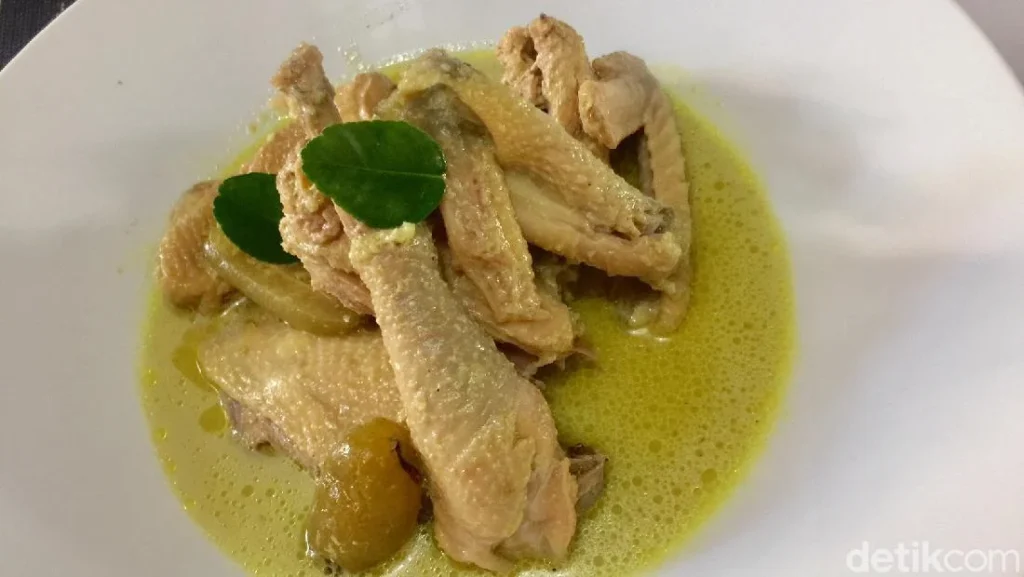
Jakarta – While the mention of Opor Ayam inevitably conjures images of festive Eid al-Fitr gatherings and family reunions, the dish holds a far more versatile place in the Indonesian culinary repertoire. Often relegated to a "seasonal" delicacy, this rich, coconut-based chicken stew is a sophisticated, nutrient-dense, and deeply comforting option for everyday home dining. By shifting the focus from holiday tradition to daily sustenance, home cooks can rediscover the profound depth of flavor inherent in traditional Javanese poultry preparation.
The Evolution of a Culinary Icon
The history of Opor Ayam is inextricably linked to the Javanese culinary tradition, where the marriage of aromatics and coconut milk creates a base that is both humble and regal. Traditionally, the dish was a centerpiece for celebratory events, symbolizing abundance and hospitality. However, as modern food culture in Jakarta and beyond evolves, there is a growing trend toward "de-seasonalizing" classic dishes.
Experts in Indonesian gastronomy suggest that the shift toward cooking Opor as a daily staple is driven by a desire for "comfort food" that remains authentic. Using Ayam Kampung (free-range chicken) is not merely a preference for texture; it is a culinary necessity. Unlike broiler chicken, which can lose its structural integrity during the long simmering process required for a perfect Opor, Ayam Kampung offers a leaner, more robust flavor profile that stands up to the richness of thick coconut milk.
The Chemistry of Flavor: Why Ayam Kampung Matters
From a technical standpoint, the use of Ayam Kampung changes the entire narrative of the dish. The muscle fibers in free-range poultry are denser and contain a higher concentration of intramuscular fat, which, when slow-cooked, yields a savory complexity that is impossible to replicate with factory-farmed alternatives.
When combined with a bumbu kuning (yellow spice paste)—derived from a meticulous blend of turmeric, ginger, galangal, lemongrass, and shallots—the free-range chicken acts as a canvas. The turmeric provides not only the signature golden hue but also adds an earthy, slightly peppery note that balances the heavy, creamy mouthfeel of the coconut milk.
Supporting Data: The Nutritional Perspective
While Opor Ayam is often perceived as an indulgent meal due to its coconut milk content, nutritionists note that when prepared at home, the lipid profile can be managed more effectively than in commercial kitchens. Coconut milk contains medium-chain triglycerides (MCTs), which are processed differently by the body compared to long-chain saturated fats. Furthermore, Ayam Kampung is a superior source of high-quality protein and essential minerals such as iron and zinc compared to its broiler counterpart.
Adding secondary ingredients such as tofu or hard-boiled eggs—a common variation in the Opor Kuah Kuning style—adds layers of texture and protein diversity. Tofu, in particular, acts as a sponge, absorbing the aromatic fats of the coconut broth, making it an essential component for those looking to expand the volume and nutritional value of the meal without relying solely on meat.
Chronology of Preparation: The Art of the Slow Simmer
To achieve the perfect Opor Ayam Kampung, one must respect the temporal nature of the cooking process. Professional chefs emphasize that the dish cannot be rushed.
- Preparation (0-15 Minutes): The foundational spice paste (bumbu) must be sautéed until the raw aroma of the turmeric and shallots dissipates. This "blooming" of spices is the most critical step; if the spices are undercooked, the broth will taste raw and aggressive rather than harmonious.
- Searing (15-25 Minutes): The Ayam Kampung is added to the aromatic base. Searing the chicken allows the skin and surface proteins to brown, locking in the juices and creating a Maillard reaction that adds a subtle smokiness to the final broth.
- The Simmer (25-50 Minutes): Coconut milk is added in stages. By starting with a thinner coconut milk (or water) and finishing with a "first-press" thick coconut milk (santan kental), the cook prevents the milk from breaking or curdling.
- The Finishing Touch (50-60 Minutes): The dish is finished with a generous scattering of fried shallots (bawang merah goreng). This is not merely a garnish; the shallots provide a crisp, slightly bitter contrast to the velvety, rich broth, acting as a palate cleanser between bites.
Expert Perspectives and Culinary Recommendations
In recent interviews with culinary enthusiasts in Jakarta, the consensus is clear: the secret to a restaurant-quality Opor lies in the balance of the santan. "Many home cooks fear the fat content," notes a local food critic, "but the secret is to use fresh, grated coconut squeezed with warm water rather than processed, canned alternatives. The difference in the emulsion is palpable."
Furthermore, chefs recommend serving the dish alongside a crisp sambal or pickled vegetables to cut through the richness. This creates a balanced meal that is suitable for a sophisticated weekday lunch or a weekend dinner.
Implications: The Future of Traditional Cuisine
The movement toward integrating "festive" foods into the daily menu signifies a shift in how Indonesians perceive their culinary heritage. It is a transition from viewing food as a rigid marker of time to seeing it as an accessible, everyday pleasure. By democratizing the Opor Ayam Kampung, families are ensuring that these techniques—grinding spices by hand, selecting quality poultry, and mastering the temperature of coconut milk—are passed down through generations.
The economic implication is also significant. By supporting local Ayam Kampung farmers and using fresh, market-sourced spices, home cooks are contributing to a circular economy that prioritizes local produce over imported, industrialized alternatives.
Conclusion: A Timeless Dish for Modern Times
Ultimately, Opor Ayam Kampung is a testament to the resilience and adaptability of Indonesian cuisine. Whether it is served on a plastic plate in a humble home or in a ceramic bowl at a formal gathering, the dish remains a cornerstone of the national identity. It reminds us that tradition is not something to be locked away in a display case for holidays, but something to be nurtured, refined, and enjoyed in the quiet comfort of our own kitchens.
As you prepare your next batch of yellow-spiced Opor, remember that you are not just cooking a meal; you are participating in a long-standing dialogue between the soil, the spice, and the history of the archipelago. Embrace the slow simmer, appreciate the vibrant yellow hues of the turmeric, and enjoy the rich, creamy satisfaction that only a properly prepared Opor Ayam Kampung can provide.
Recipe Profile: Opor Ayam Kuah Kuning
- Duration: 60 Minutes
- Difficulty: Easy/Intermediate
- Yields: 4 Servings
- Origin: Java, Indonesia
(For the complete list of ingredients and step-by-step instructions, readers are encouraged to follow the traditional tempering techniques described above, ensuring that the bumbu kuning is toasted to perfection before the addition of the poultry and coconut liquids.)