The Deadly Allure: How Abandoned Mining Pits in South Kalimantan Became a Grave for the Unwary
By Editorial Staff
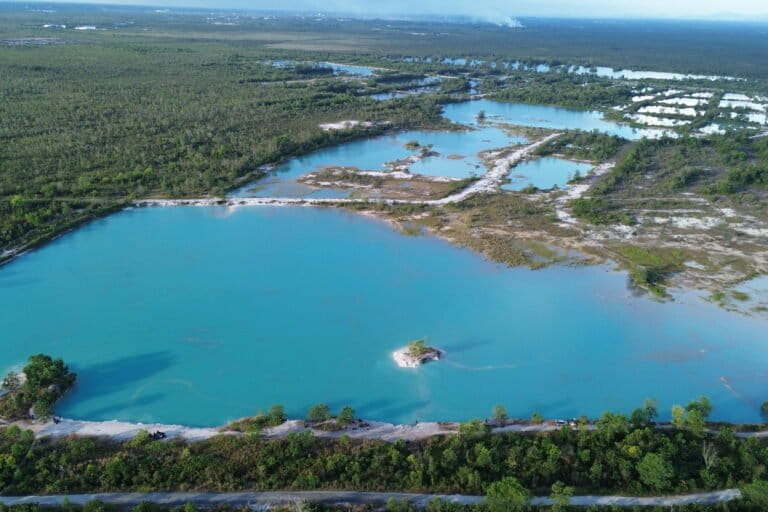
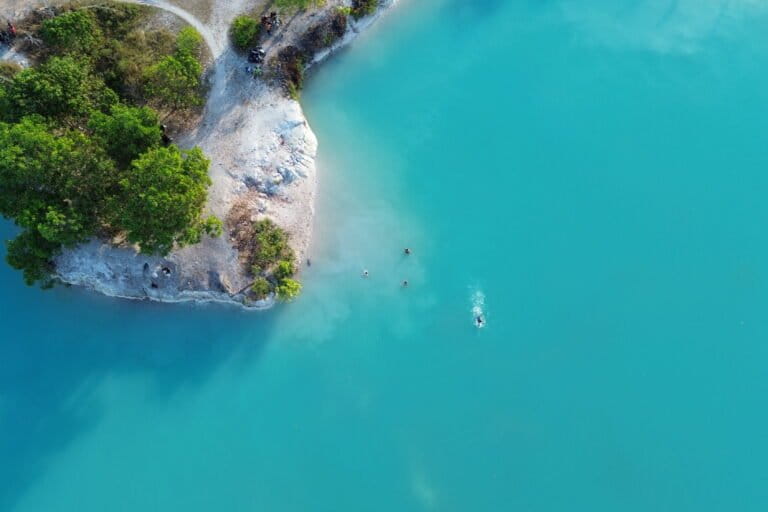
The “Danau Biru” (Blue Lake) in Tambak Padi village, Beruntung Baru District, South Kalimantan, has recently transformed into a paradoxical tourist destination. On any given weekend, the site is a hive of activity, with visitors—ranging from local teenagers to families from outside the region—flocking to the shores of the lake. They come to bask in the white sand, watch the sunset, and capture aesthetic photos for social media. Some even wade into the waters, oblivious to the fact that beneath the serene, turquoise surface lies a lethal relic of industrial negligence: an abandoned Galian C (sand and gravel) mining pit.
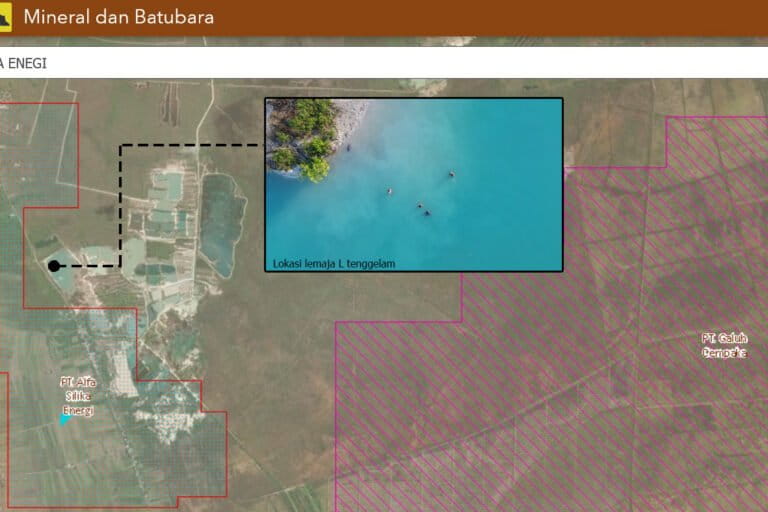
The danger of this site was underscored in the most tragic way possible on June 22, 2026. A teenager, identified by the initial “L” from Kertak Hanyar, lost his life after drowning in the very waters that serve as a scenic backdrop for influencers. His death is not an isolated incident, but rather a recurring symptom of a broader environmental and regulatory crisis plaguing the province of South Kalimantan.
The Chronology of a Preventable Tragedy
The incident involving “L” began on a Monday afternoon. According to witness statements, the teenager went missing around 12:00 PM local time. For four agonizing hours, the victim remained submerged in the depths of the pit.
Wasis Nugraha, Head of the Banjar Regency Disaster Management Agency (BPBD), stated that the agency received the distress report at 15:55 WITA. The Tim Reaksi Cepat (TRC) of the Banjar BPBD immediately initiated an assessment of the site before launching a search and rescue operation.
Arianto, Head of the Operations Section at the Basarnas Banjarmasin (National Search and Rescue Agency), provided details on the recovery mission. “The search operation began at 17:00 WITA following a briefing. The joint team conducted surface sweeps and eventually began diving at the coordinates where the victim was last seen,” Arianto explained.
The recovery was swift but grim. Within 20 minutes, at 17:20 WITA, divers located the victim’s body approximately 10 meters from the shoreline. Despite the depth being relatively shallow—only 2 to 3 meters—the rescue team faced significant challenges. “Visibility was severely limited due to the muddy bottom of the lake,” Arianto noted. The tragic outcome of this operation has prompted serious concern from authorities, who acknowledge that the lake remains a high-risk zone for drowning.
A Legacy of Negligence: Data from the Field
The tragedy at Danau Biru is part of a disturbing pattern documented by SAR teams in South Kalimantan. Data provided by the Banjarmasin Search and Rescue Office reveals at least seven major search and rescue operations involving abandoned mining pits between 2023 and 2025 alone.
The timeline of these disasters highlights the widespread nature of the threat:
- July 17, 2023: A fatality occurred in a disused gold mining pit within the Gunung Lintang protected forest in Tanah Laut Regency.
- 2024: This year marked a peak in activity, with four distinct SAR operations. One case in Tanah Bumbu resulted in a missing person who was never recovered. In September 2024, two separate incidents—one in Hulu Sungai Selatan and another in Tanah Bumbu—claimed lives, with both victims recovered deceased.
- June 20, 2024: A drowning at Danau Biru Baroh in Banjarbaru City ended in a fatality.
- July 25, 2025: Two children lost their lives after falling into an abandoned mining pit in Tanah Laut Regency.
Raden Rafiq Sepdian Fadel Wibisono, Executive Director of Walhi (Friends of the Earth) South Kalimantan, tracks these figures with alarm. According to his records, the teenager “L” is the 23rd victim since 2019. “This year alone, we have recorded three drownings in abandoned mine pits, and all of them were children,” he stated.
The Scale of the Crisis
The environmental cost of the region’s resource extraction is staggering. By 2024, the total area of abandoned mining pits in South Kalimantan was estimated at 53,590 hectares, consisting of 814 distinct pits scattered across eight regencies.
Banjar Regency ranks third in terms of the number of pits, with 117 identified sites. Most disturbingly, environmental advocates point out that a significant number of these pits exist outside of official concession areas, indicating widespread illegal mining activity (PETI). The lack of reclamation—a legal requirement for mining operators—has left these pits as "open wounds" in the landscape, filling with rainwater and creating treacherous, deep pools that often lure unsuspecting locals.
Unmasking the Illegal Mining Industry
Field investigations by Walhi and media monitors conducted in July 2026 revealed that illegal mining is not a relic of the past, but an ongoing operation. Despite the dangers, monitors found evidence of active extraction at the site where “L” drowned.
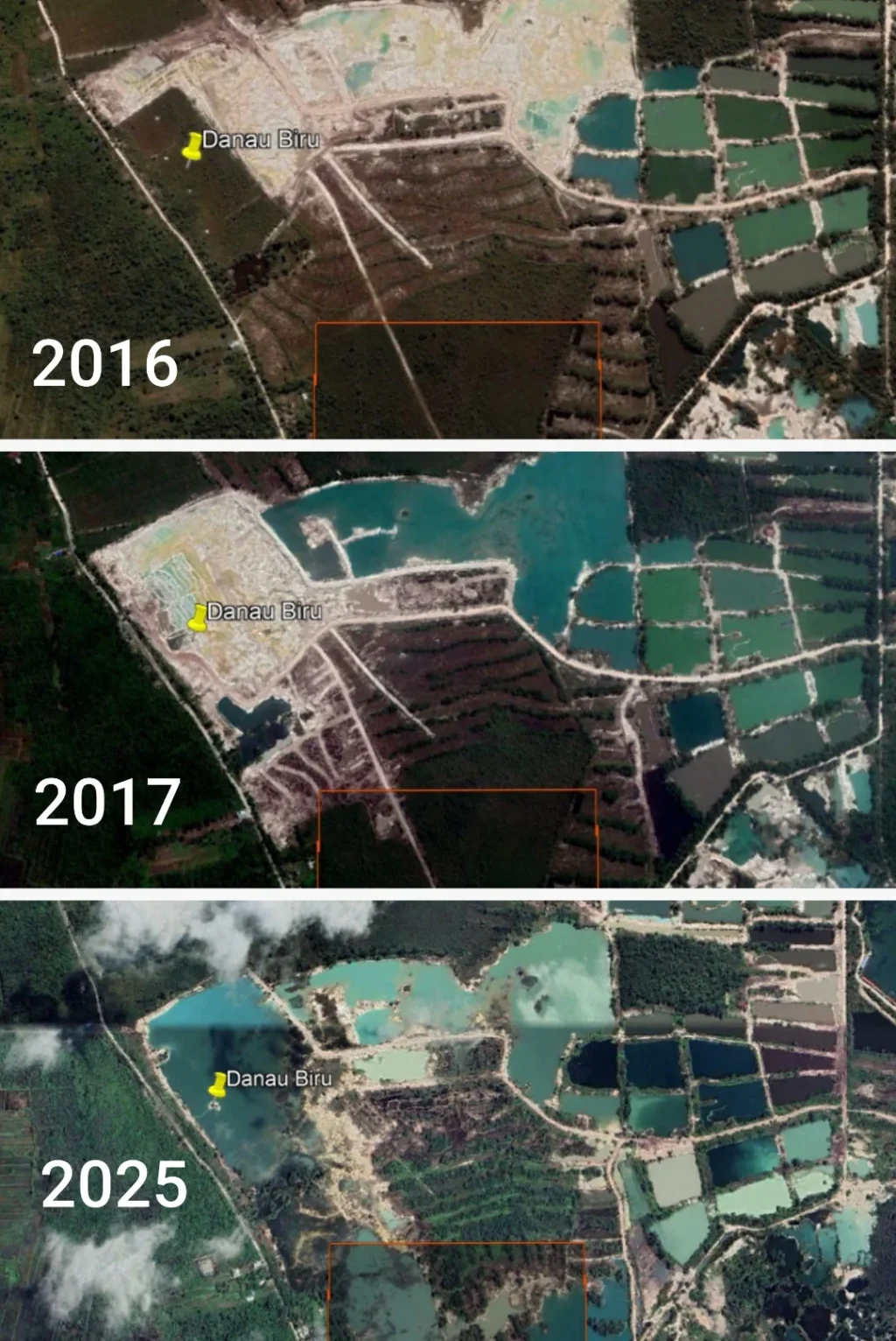
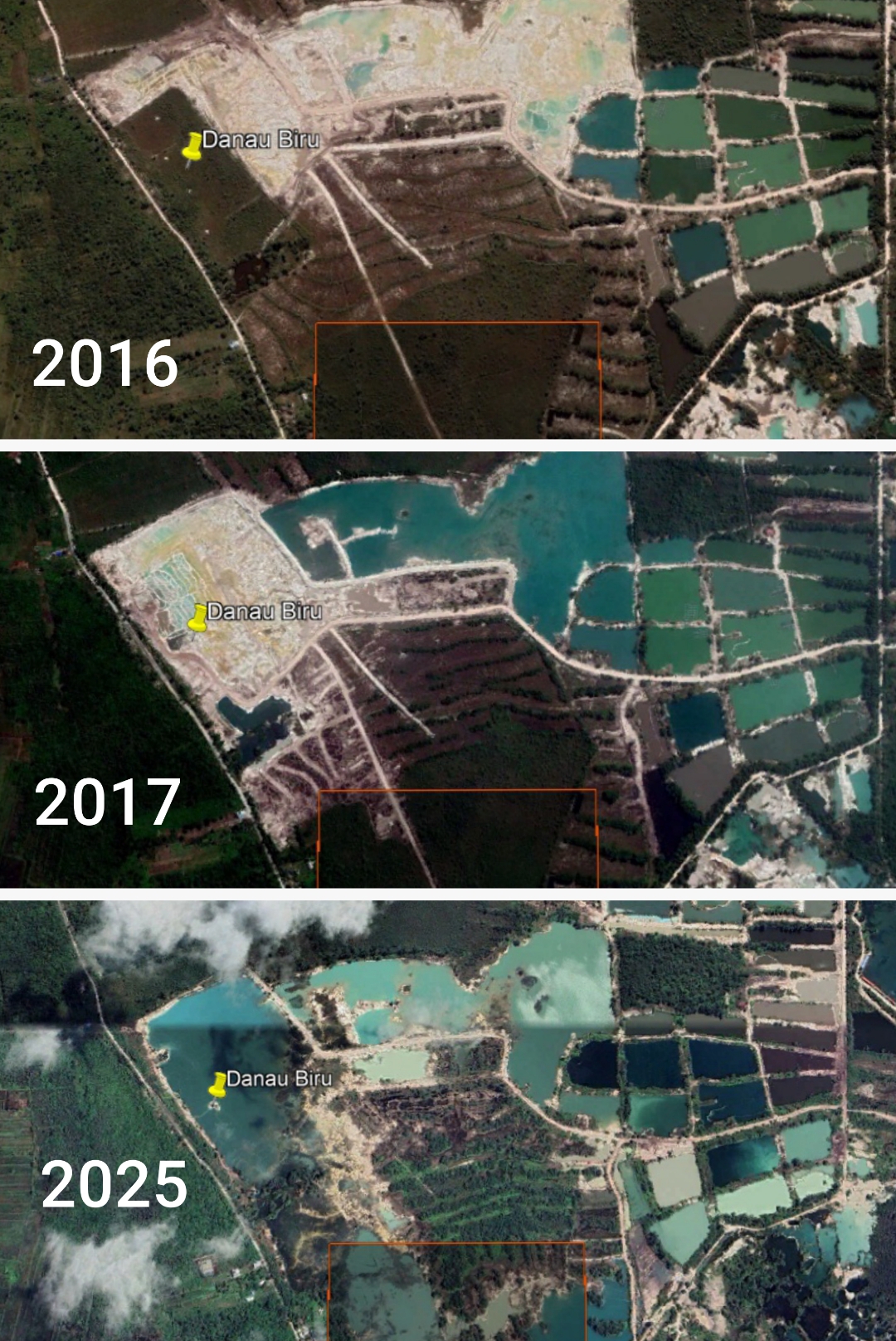
Large water-suction pipes were seen stretching across public roads, and dozens of heavy-duty trucks were observed entering and exiting the area, particularly under the cover of dusk and night. Raden Rafiq argues that the persistence of these illegal operations is a direct consequence of lax law enforcement. “This is the result of weak legal enforcement against illegal mining. Must we wait for more victims before taking serious action?” he questioned. Historical satellite imagery from Google Earth confirms that the pits at the site have been expanding and deepening since 2017, proving that the destruction is continuous.
Scientific Analysis: Why the Water is Dangerous
To understand the risks beyond just depth, researchers conducted an independent water quality test at Danau Biru. Murjani, Chairman of the Indonesian Environmental Experts Association (Pertalindo) for South Kalimantan, analyzed five key parameters.
The results were telling: the pH level was 5.14, which classifies the water as acidic. Under Government Regulation (PP) No. 22/2021, the standard for natural water bodies should range between 6 and 9. Furthermore, while the water showed low electrical conductivity and total dissolved solids, Murjani emphasized the thermal risk.
“The surface temperature was 31.3°C, which is warm, but these pits are often deep and stratified,” Murjani explained. “The temperature at the bottom is likely much colder. This sudden temperature shock can cause muscle cramps or even cardiac arrest in swimmers, especially those who are not prepared.” He also warned that the water could contain hazardous gases like hydrogen sulfide or heavy metal contaminants such as lead and manganese, which pose long-term health risks to anyone who ingests or makes contact with the water.
Official Responses and the Gap in Enforcement
The response from law enforcement has been fragmented. IPDA Deden Aprianto Lesmana, the Beruntung Baru Police Chief, stated that while police lines were installed immediately after the drowning, they were removed once the incident was determined not to be a criminal case. Regarding the lack of visible warning signs, he suggested that they might have been blown away by the wind during the dry season.
When asked about the illegal mining activity, police officials directed inquiries to the Polres Banjarbaru. Kardi Gunadi, the Public Relations Officer for the Polres, claimed that authorities had checked the site and found no active mining operations. However, he noted that the police had instructed local community members—many of whom are involved in the mining—to cease operations.
This disconnect between the reality on the ground—where heavy equipment and trucks are still active—and the official stance of local authorities highlights a systemic failure. For the families of the 23 victims, the "investigations" and "warnings" from officials have come far too late.
Implications: A Call for Urgent Reclamation
The situation in South Kalimantan serves as a grim case study for the rest of Indonesia. As long as mining companies and illegal operators are permitted to abandon their sites without proper reclamation, the landscape will continue to claim the lives of the most vulnerable members of society: children and teenagers.
Environmental experts suggest that the solution requires a three-pronged approach:
- Strict Enforcement: Law enforcement must move beyond mere warnings and dismantle the illegal networks currently operating in plain sight.
- Mandatory Reclamation: The government must enforce strict bonding requirements for mining permits, ensuring that funds are available to backfill and secure sites as soon as extraction ceases.
- Public Awareness and Barriers: Until pits can be fully reclaimed, they must be strictly fenced off with physical barriers, and warning signs must be placed in prominent, durable locations to prevent further tragedy.
The "Blue Lake" is not a paradise; it is a symptom of a broken regulatory system. Without decisive action from both the provincial and central governments, the tally of 23 victims is destined to grow. The beauty of the water is a trap, and the tragedy of “L” is a warning that the province can no longer afford to ignore.